




Wire harnesses used in medical applications take on a significance far exceeding what is typical in consumer electronics or industrial equipment, because failures in medical interconnects can directly endanger patients and operators.
They distribute power from internal batteries or external supplies to motors, actuators, heating elements, displays and processing boards. These interconnects carry sensitive analog signals from biosensors, such as electrodes measuring cardiac electrical activity, thermistors measuring body temperature and transducers measuring blood pressure, to amplification and processing circuitry. They transmit high-speed digital data between imaging sensors and processors, between microcontrollers and communication modules, and between devices and external networks. In many devices, wire harnesses also carry fluids or gases alongside electrical conductors in hybrid umbilical assemblies, as seen in endoscopes, laparoscopic instruments and dialysis machines.
In addition to transmission, they serve an organizational role, maintaining separation between power and signal lines, managing bend radius to prevent conductor fatigue and ensuring that the assembly can be manufactured and serviced consistently. In complex medical equipment such as CT scanners, surgical robots and MRI systems, the wire harness can consist of thousands of individual conductors organized into dozens of sub-harnesses, and the quality of that organization directly affects the equipment’s electromagnetic performance, thermal behavior and serviceability.
Growing market
The medical cable assembly market, including wire harnesses, represents an expanding segment of the broader medical device component supply chain. Industry analysts have consistently valued it in the range of several billion dollars in recent years, with CAGRs typically projected in the mid-to-high single digits through the late 2020s. This is driven by growth of the medical device market itself, the increasing electrical and electronic content per instrument, the proliferation of home-use and portable tools and the growing complexity of hospital-based equipment.
Mordor Intelligence said that the global medical electronics market is estimated to have reached $11.31 billion in 2025 and will increase to $11.92 billion in 2026. By 2031, the value will hit 16.44 billion, with a CAGR of 6.65 percent from 2026.
Hospital equipment
Hospital equipment represents the most technically demanding segment of the medical wire harness market. MRI scanners, CT systems, PET scanners, linear accelerators for radiation therapy and surgical robotic platforms contain extraordinarily complex wiring systems.
An MRI scanner, for example, requires harnesses that are entirely nonferromagnetic – no nickel-plated contacts, no steel braids, no standard tinned copper in the scan room – because any ferromagnetic material in the vicinity of the magnet creates imaging artifacts or, worse, becomes a projectile hazard.
Wire harnesses for robotic surgical arms, meanwhile, must be able to endure millions of flex cycles in constrained articulating joints, carry both power and high-speed data and fit within extremely tight cross-sectional envelopes.
Modern hospital equipment is highly connected. Patient monitors communicate with central stations over wired and wireless networks. Imaging devices transfer massive datasets to servers. Infusion pumps, ventilators and physiological monitors increasingly connect to hospital information systems for automated documentation and clinical decision support.
External cables connecting devices to hospital networks must also meet medical-grade requirements. Standard commercial Ethernet cables may not satisfy leakage current, dielectric withstand or biocompatibility requirements when used in the patient environment. This has created demand for medical-grade Ethernet cables and patient-vicinity-rated power cables that meet IEC 60601-1 requirements for means of patient protection.
Hospital-acquired infections remain a persistent concern, and wire harnesses on devices used in or near sterile fields must withstand repeated sterilization. Some manufacturers are also exploring antimicrobial cable jackets, which incorporate silver-ion or copper-based additives to provide an additional layer of infection control for cables in high-touch clinical environments such as ICUs and operating rooms.
Hospital capital equipment typically has a service life of 10 to 20 years or more, and it must be serviceable. This creates a trend toward modular harness architectures that allow individual sub-harnesses or cable assemblies to be replaced without disturbing the rest of the system.
Home-use medical devices
From a relatively niche category of blood pressure cuffs, glucose meters and nebulizers, home-use medical devices have broadened. They now include machines for sleep apnea, home dialysis systems, portable oxygen concentrators, home ventilators, infusion pumps for home chemotherapy or antibiotic therapy, wearable cardiac monitors, continuous glucose monitoring systems, neurostimulation devices for pain management and an array of telehealth-enabled diagnostic tools.
Perhaps the most distinctive requirement for home-use medical device harnesses is that the end user is typically a patient or caregiver with no technical training. Cables and connectors must be designed so that it is effectively impossible to make an incorrect connection.
As home environments are far less controlled than hospital settings, cables may be stepped on, pinched in drawers, chewed by pets, exposed to household cleaning chemicals, subjected to wide temperature swings and handled with varying degrees of care. Home-use wire harnesses must therefore be designed with generous safety margins for flex life, pull strength and environmental resistance.
Home-use medical devices increasingly incorporate wireless connectivity – Bluetooth, Wi-Fi and cellular – for remote patient monitoring and data upload to clinician dashboards. While wireless communication itself does not involve the cable loom, the antenna placement, RF module location and associated power and data routing within the device do affect harness design. Harness routing must avoid creating coupling paths that degrade wireless performance, and shielding strategies must balance EMI containment against the need for RF transparency near antenna elements.
Some home devices also interface with smart home ecosystems – voice assistants, smartphone apps and cloud platforms. This means that the device's internal data buses, which are part of the wire harness, must support reliable high-speed communication between processing modules.
Portable medical devices
Portable medical devices encompass a range of products that need to be carried, worn or transported by the user or clinician. This includes handheld diagnostic devices, such as portable ultrasound, handheld ECG recorders and tympanic thermometers, as well as wearable physiological monitors, including continuous ECG patches, pulse oximeters and activity monitors that cross into the medical device category. Portable therapeutic devices, such as automated external defibrillators, portable suction units and transport ventilators, and point-of-care testing devices used in ambulances, field hospitals and remote clinics, are in this category as well. The wire harness requirements for these devices are shaped by extreme constraints on size, weight, power consumption and mechanical robustness.
Optical fiber
Optical fibers are used extensively in medical wire harnesses, and their role has been expanding steadily.
However, despite its advantages, optical fiber integration into medical wire harnesses comes with challenges that temper its adoption. Fiber-optic connectors require much tighter alignment tolerances than electrical connectors, making them more sensitive to contamination and physical damage. Cleaning and inspection of fiber-optic connector end faces adds a maintenance step that hospital biomedical engineering staff may not be accustomed to. Fiber is more fragile than copper wire under sharp bending and point loading, requiring more careful routing and strain relief design. The cost of fiber-optic transceivers, although declining, remains significantly higher than electrical interface components for equivalent functions. And fiber-optic termination, in particular fusion splicing and precision polishing of connectors, requires specialized equipment and trained technicians, making field repair more difficult than for copper harnesses.
These challenges mean that fiber-optic technology tends to be adopted in medical harness designs where its specific advantages of EMI immunity, bandwidth, weight and electrical isolation are needed, rather than as a general-purpose replacement for copper. The overall trajectory, however, is clearly toward increasing optical fiber content in medical interconnect systems, driven by rising data rates, the expansion of MRI-conditional device requirements and the emergence of fiber-based sensing technologies.
Graphene
There is significant research and early-stage development activity across several fronts that could eventually bring graphene into medical interconnect systems.
At present, the applications closest to reality are graphene-enhanced EMI shielding materials that could be incorporated into cable assemblies, graphene-enhanced copper conductors that offer incremental performance improvements, and graphene-based printed flexible electrodes and interconnects for wearable medical devices that are in advanced research and early prototyping.
The timeline for meaningful commercial adoption is difficult to predict because it depends not just on material and manufacturing maturation but also on the medical device industry’s inherently slow adoption cycle for new materials, driven by regulatory requirements and risk aversion.
If a medical device company were evaluating a product for potential use, several crucial questions would need to be answered. Any evaluation would have to determine exactly which component or components of the wire harness contain graphene and in what form (nanoplatelets, CVD film, graphene oxide, reduced graphene oxide, or something else), what the graphene loading level or layer thickness is, and what specific and quantified performance improvement the graphene provides compared to an otherwise identical harness without graphene.
In addition, the supplier’s quality management system certifications (ISO 13485 in particular), whether the graphene-containing materials have been evaluated for biocompatibility per ISO 10993 (relevant if any patient contact is possible) and whether the harness has been tested for electromagnetic compatibility per the IEC 60601-1-2 series would have to be covered. Due diligence also includes finding out whether accelerated and real-time aging data are available, whether the company can provide full material traceability including the source and characterization of the graphene material, and whether any finished medical devices incorporating these harnesses have received regulatory clearance or approval in any jurisdiction.
Chinese graphene context
China has invested more aggressively in graphene commercialization than any other country. The Chinese government designated it as a strategic material in its 13th Five-Year Plan, and various provinces and cities have established graphene industrial parks, research centers and subsidy programs in response.
The country accounts for most global graphene patent filings and has hundreds of companies claiming to produce or use graphene-based products across sectors, including electronics, energy storage, coatings, composites and textiles. This ecosystem has produced genuine commercial products. Among them are graphene-enhanced Li-ion batteries, graphene-based heating elements, graphene-loaded anticorrosion coatings and graphene thermal films for smartphones notably by Huawei and Xiaomi.
China-made wire harnesses
China is the largest production base for wire harnesses, with a pool of nearly 1,000 companies. More than 60 percent are domestically owned enterprises operating on a small and medium scale and can turn out products for medical equipment.
Many factories are found in key cities such as Shenzhen, Dongguan, Zhongshan, Guangzhou, Xiamen, Suzhou, Changzhou, Hangzhou and Ningbo. Others are in the provinces of Sichuan and Shaanxi.
In medical-use wire harnesses, suppliers highlight their customization capability spanning from design to production. They ensure strict quality compliance, conducting electrical, mechanical, environmental and biocompatibility testing, to meet FDA 510(k), MDR, IVDR and NMPA requirements in addition to UL, CE and RoHS standards.
Most makers export between 20 and 60 percent of production mainly to North America, Europe and the Asia-Pacific region. Due to higher tariffs imposed on US-bound shipments, they have shifted attention to other markets while some companies set up overseas factories. Kable-X, for instance, established a subsidiary in Singapore and built a factory in Mexico to continue serving its global customer base and maintain export growth. The company manufactures wire harnesses for industrial control, medical and automotive applications.
Despite current trade challenges, the market for medical wire harnesses in China remains healthy, realizing $695 million in 2024 for an 11.3 percent year-on-year growth, according to B&Y Consulting, and on track with a positive outlook in the months ahead.
The products in this gallery have been handpicked by our China-based market analyst for representing current trends in wire harnesses for medical electronics from Chinese suppliers.
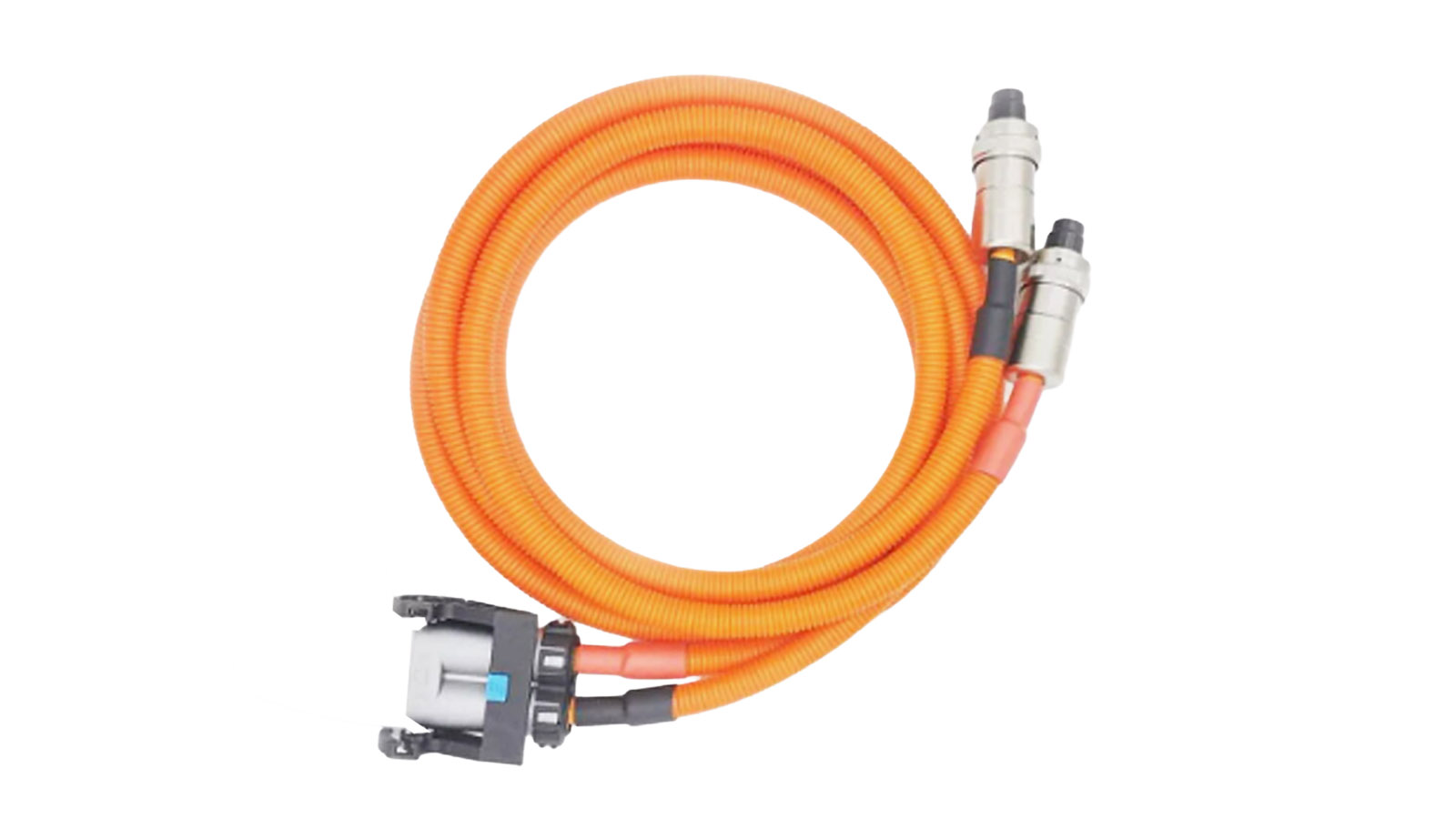
Wire harness, 24 to 32AWG
Company: Dongguan City Jianghan Electronics Co. Ltd
The JH-WH-A12-5930 from Dongguan City Jianghan is a wire harness with bare, tinned, silver- or gold-plated copper conductor in 24 to 32AWG. It uses LSZH cable jacket and insulation materials with water, UV, acid and alkali resistance. This product has VDE, CE and CCC approval.
MOQ: 100 units
Lead time: 7 days
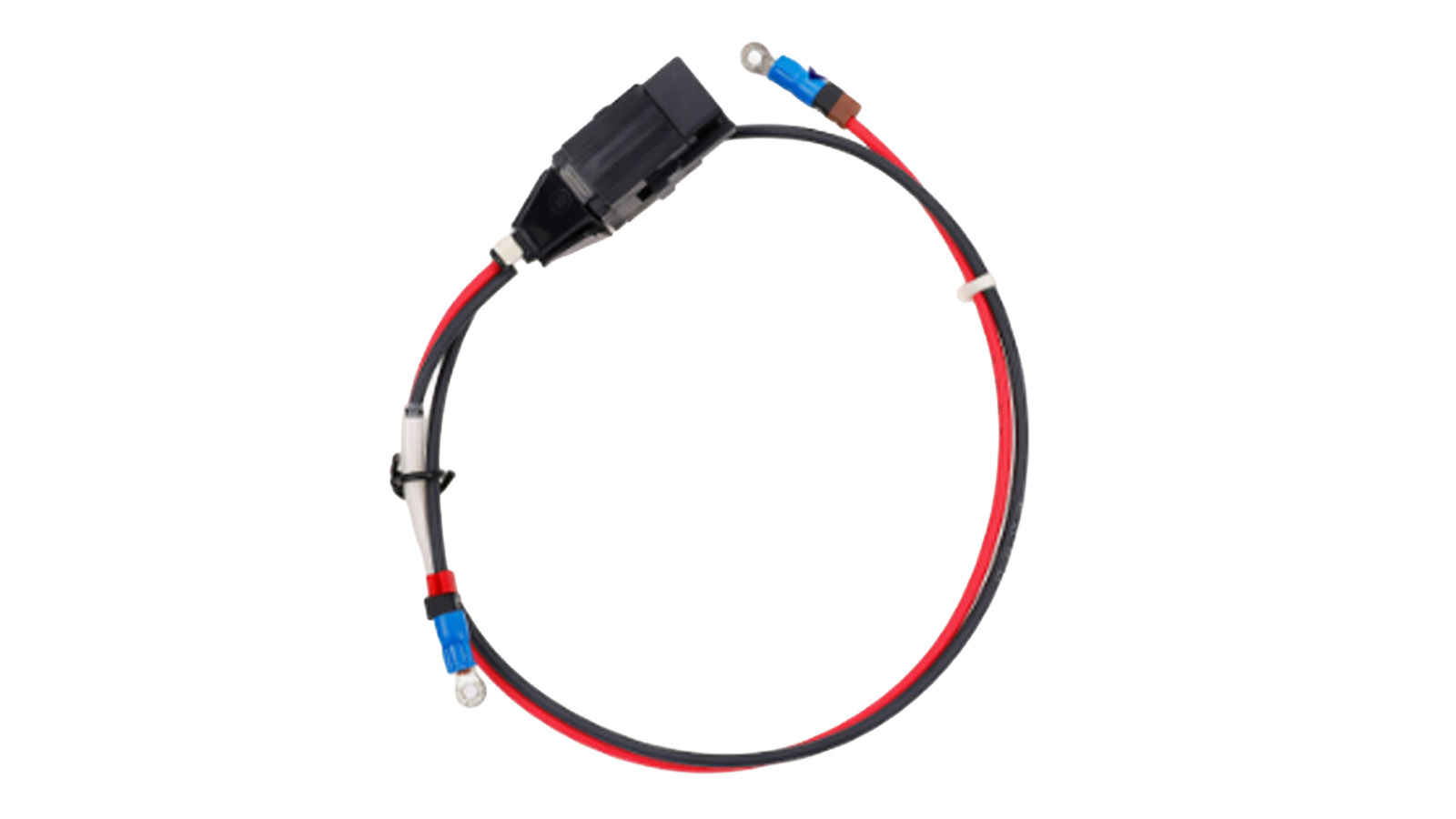
Wire harness with branded connectors
Company: Shenzhen Jiacheng Electric Co. Ltd
Shenzhen Jiacheng’s model JC-028-5428 is a wire harness for diagnostic imaging systems and patient monitoring devices. It is terminated with outsourced connectors, with options including TE, Molex, JST, Delphi and Amphenol brands.
MOQ: 10 units
Lead time: 7 days
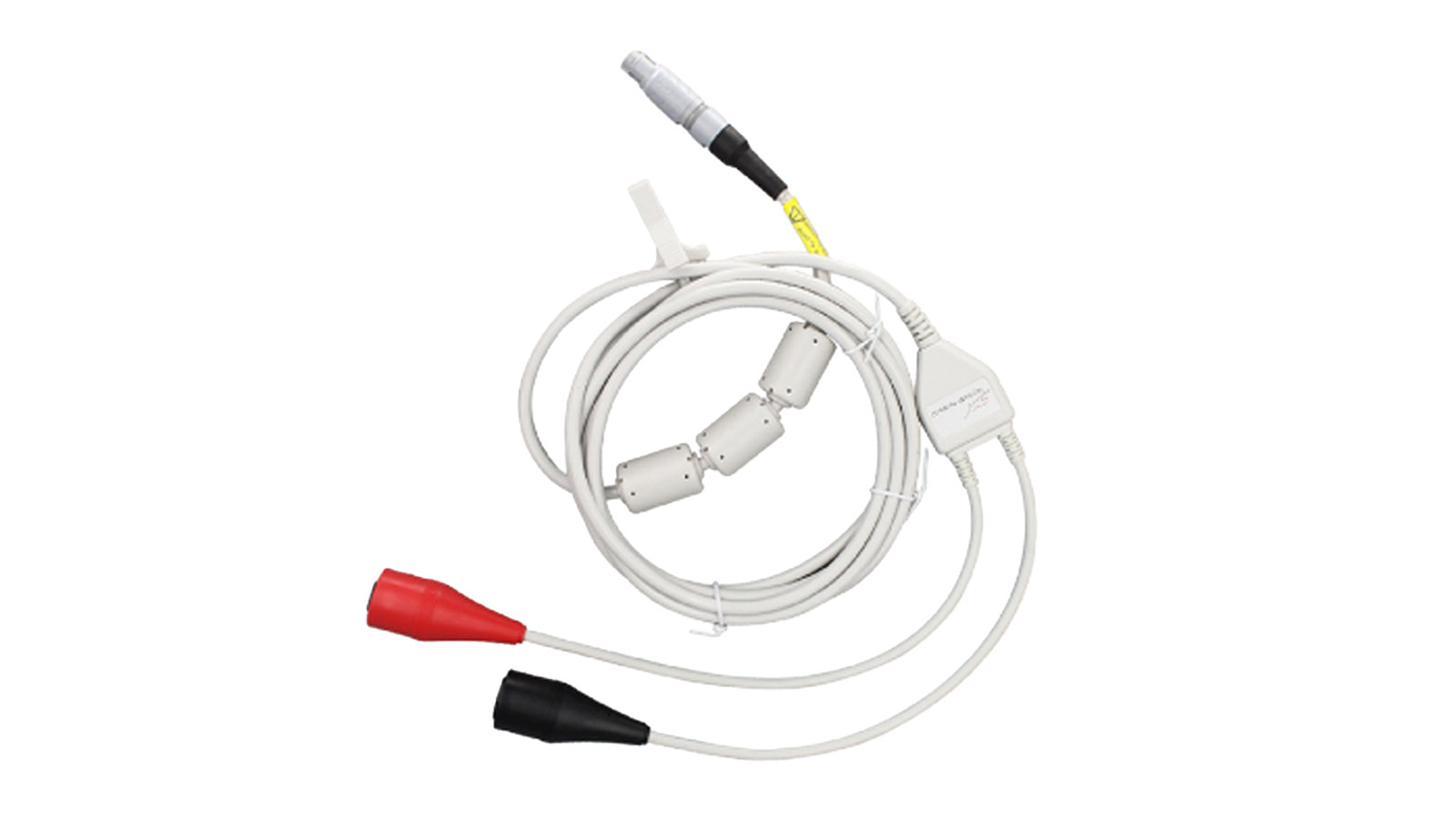
Customizable wire harness
Company: Shenzhen Jinkeji Electronics Co. Ltd
From Shenzhen Jinkeji, the JKJ-Therapy Medical Cable is a wire harness that can be made based on specific size, length, pin, contact method and material requirements.
MOQ: 500 units
Lead time: 7 days
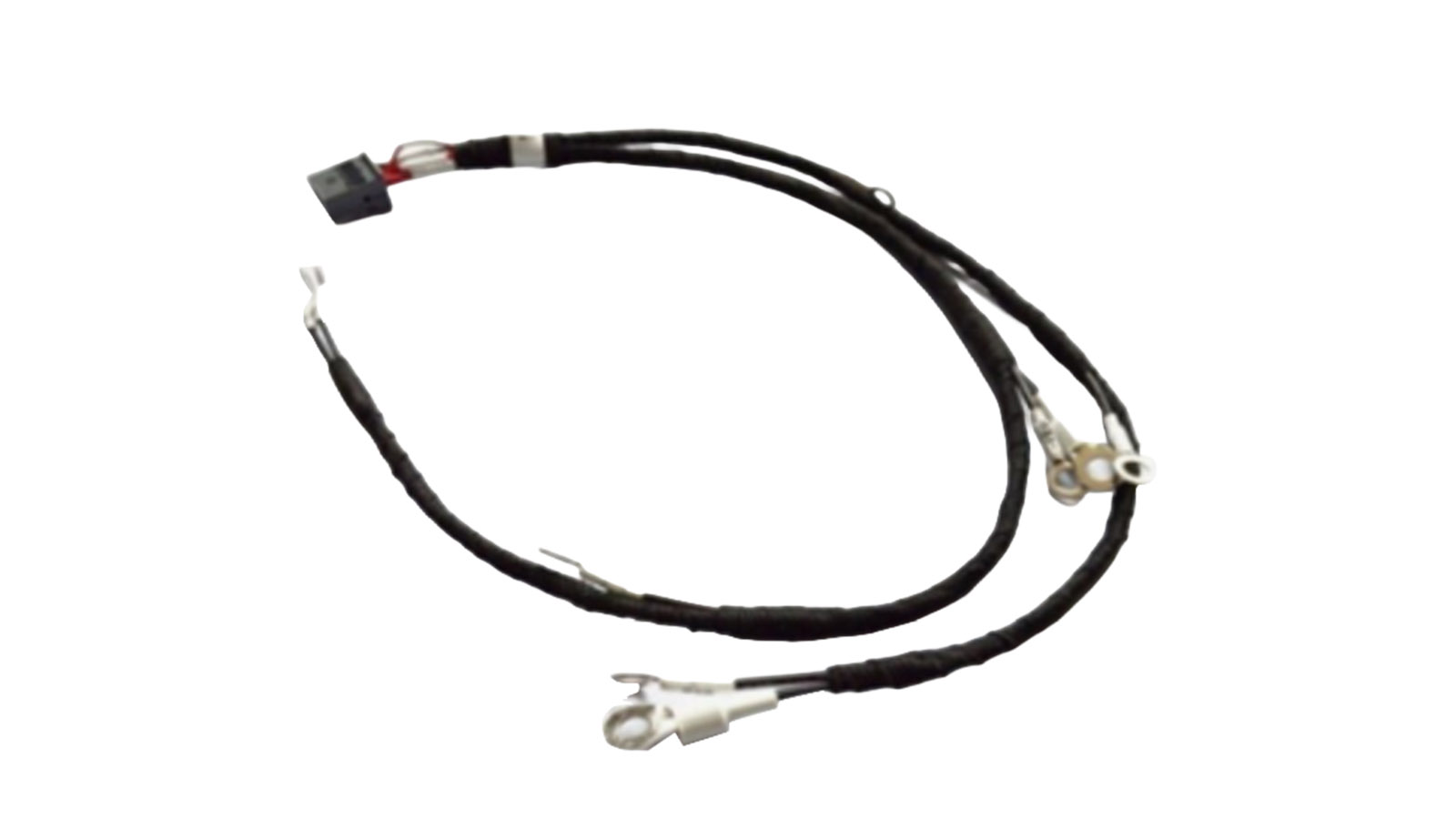
Wire harness, 2 to 28AWG, -25 to 80 C
Company: Suntek Electronics Co. Ltd
The Wire Harness-F301-7632 from Suntek has a wire size ranging from 2 to 28AWG and operating temperature of -25 to 80 C. It is UL-listed and RoHS-compliant. The MOQ is negotiable.
Lead time: 7 days

