




The fashion conversation has shifted, with extended sizes now playing a leading role in shaping consumer demand. Consumers want clothing that doesn’t just fit, but also reflects current trends and delivers the same quality and comfort found in standard sizes. In 2026, XXXXL shirts have moved well beyond “basic options” to become a mainstream category that buyers and retailers can no longer overlook.
For sourcing professionals, this shift signals a growing opportunity. With retailers and manufacturers expanding collections in extended sizes, the XXXXL shirt market is opening doors to new revenue streams and stronger customer loyalty. This guide explores key insights for 2026, from sizing standards and design innovations to market trends and leading suppliers, helping businesses stay competitive in this fast-evolving segment.
Part 1: Complete measurement charts for XL to XXXXL shirts
Accurate sizing remains one of the most critical factors in the extended-size apparel market, especially for buyers sourcing XXXXL shirts online. While size labels are standardized in theory, actual measurements can vary widely between brands and regions. For sourcing professionals, understanding these differences is essential to ensure product consistency and customer satisfaction.
Standard measurements across sizes
The shift from XL to XXXXL involves notable increases in chest, waist, neck, and sleeve dimensions. Most manufacturers today follow these general guidelines:
| Size | Chest (inches) | Waist (inches) | Neck (inches) | Sleeve Length (inches) |
|---|---|---|---|---|
| XL | 44-46 | 38-40 | 16-16.5 | 35-36 |
| XXL | 48-50 | 42-44 | 17-17.5 | 36-37 |
| XXXL | 52-54 | 46-48 | 18-18.5 | 37-38 |
| XXXXL | 56-58 | 50-52 | 19-19.5 | 38-39 |
To meet evolving demand, many brands are offering more refined fits – such as Athletic, Relaxed, and Tailored – to better reflect diverse body types. For retailers, this presents opportunities to expand assortments and provide customers with better-fitting options that boost satisfaction and loyalty.
International sizing considerations
For businesses sourcing globally, international size conversions remain a key challenge. The US sizing typically runs larger than European or Asian counterparts. For example, a European XXXXL often aligns with a U.S. XXXL, while an Asian XXXXL may correspond more closely to a US XXL.
To address these differences, leading suppliers and platforms now provide standardized conversion charts and even virtual fitting tools. Many retailers also publish detailed measurement guides by brand, helping eliminate guesswork and reducing costly returns – an increasingly important factor as extended-size apparel cements its place in the mainstream market.
Why accurate measurement matters
In extended-size apparel, precise measurements are critical for ensuring consistency, minimizing returns, and strengthening buyer confidence. For XXXXL shirts, even small deviations in sizing can significantly affect fit and comfort. This makes clear measurement standards an important factor for sourcing professionals when evaluating suppliers.
Key measurements typically include:
• Neck – Measured around the base of the neck, with allowance for comfort.
• Chest – Taken at the fullest part of the chest, tape kept parallel to the floor.
• Waist – Measured at the natural waistline, usually near the navel.
• Sleeve – Measured from the center back of the neck, across the shoulder, down to the wrist.
To address these needs, leading suppliers now offer detailed size charts, online tutorials, and AI-driven virtual fitting solutions. These tools help B2B buyers assess product accuracy, align sizing across markets, and reduce costly discrepancies when sourcing from multiple regions.
Part 2: Top XXXXL shirt trends for 2026
The extended-size apparel market has entered a new phase where style and functionality are just as important as sizing accuracy. For sourcing professionals, tracking these shifts is essential to meeting retailer demand and capitalizing on growth opportunities. Key trends include:
1. Fashion-forward designs
XXXXL shirts are no longer limited to basic cuts. Retailers are sourcing modern silhouettes, statement patterns, and premium fabrics—ensuring extended-size collections keep pace with mainstream fashion trends.
2. Segmented fits
Beyond standard sizing, demand is growing for Athletic, Relaxed, and Tailored fits that reflect different body proportions. Offering variety in fit allows brands to reach wider customer segments and improve sell-through.
3. Sustainable materials
Eco-conscious consumers are influencing extended-size apparel as much as any other category. Shirts made with organic cotton, recycled blends, and low-impact dyes are increasingly sought after, making sustainability a key sourcing priority.
4. Adaptive design elements
Innovation is reshaping both comfort and style in XXXXL shirts. Leading collections now feature strategically placed stretch panels for unrestricted movement, moisture-wicking fabrics suitable for business and casual wear, and temperature-regulating materials that adapt to environmental conditions. Hidden comfort features help maintain a polished silhouette, while color-blocking and paneling designs add a modern aesthetic and highlight flattering proportions. These advancements make XXXXL shirts more comfortable than ever without sacrificing professional appearance, a key differentiator for retailers and sourcing professionals looking to offer standout products in a competitive market.
5. Technology-integrated sizing
AI-powered fitting tools and digital measurement platforms are reducing return rates and improving buyer confidence. Suppliers offering these technologies are gaining a competitive advantage in the global market.
6. Globalized styles
As size conversions become more standardized, extended-size shirts are expanding beyond North America into Europe and Asia. This trend presents sourcing professionals with opportunities to diversify distribution strategies and enter new markets.
For wholesalers and sourcing professionals, aligning with these trends positions extended-size apparel as a reliable growth driver through the end of 2025 and into 2026.
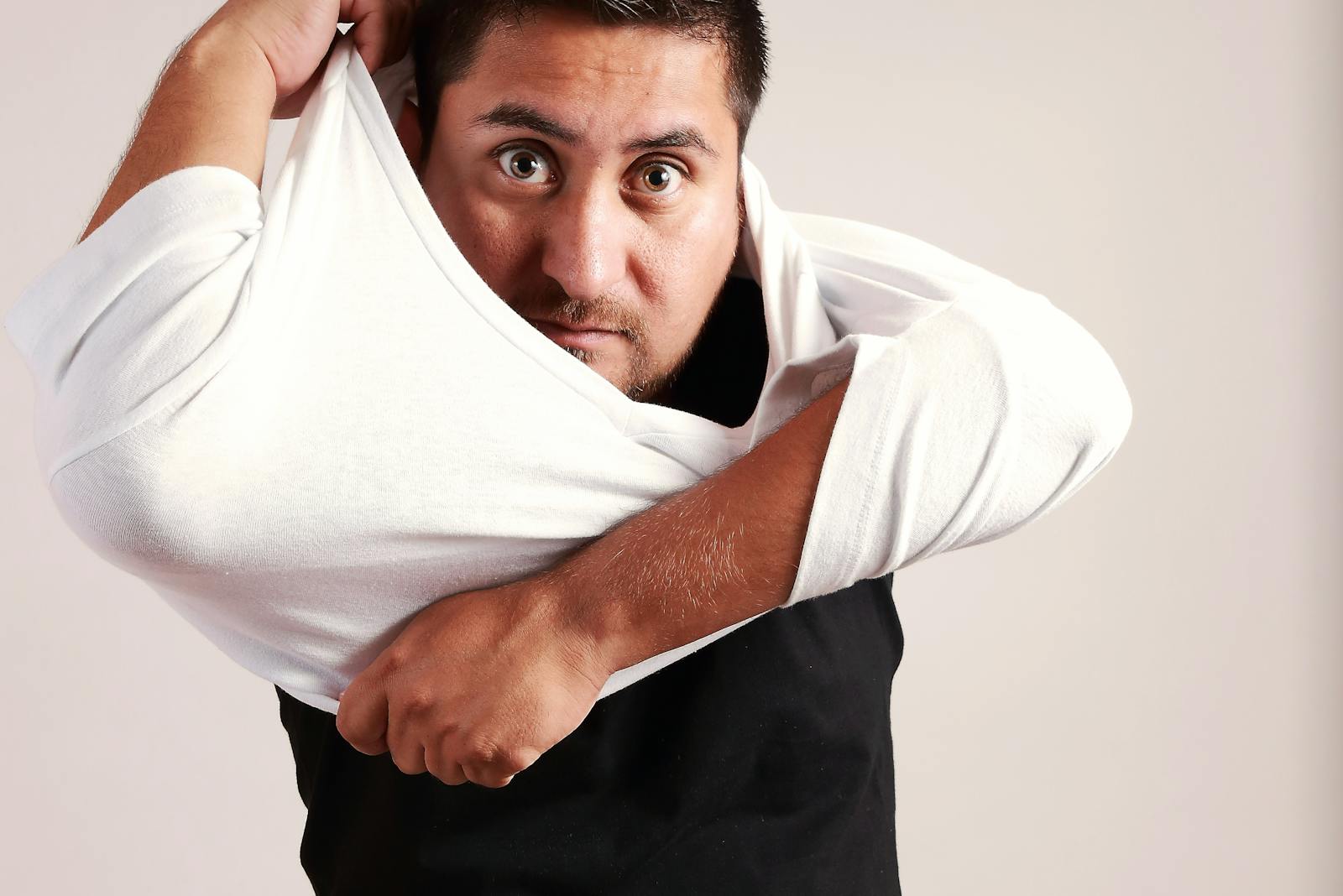
Part 3: Style guide for XXXXL shirts in 2025
In the extended-size apparel market, XXXXL shirts have moved beyond basic oversized options to become products that combine style, comfort, and functionality. For sourcing professionals, understanding the key design elements, styling strategies, and accessory opportunities is essential to select collections that meet retailer expectations, appeal to end consumers, and reduce returns.
Occasion-specific styling
Extended-size collections now cater to a variety of occasions. Business-oriented shirts feature structured collars, subtle patterns, wrinkle-resistant fabrics, and hidden moisture-wicking properties that maintain a professional appearance. Casual styles use breathable fabrics such as linen blends and premium cotton, with reinforced seams and thoughtful cuts that enhance comfort and movement. Formal collections incorporate stretch components and specialized collar constructions to maintain shape, offering the same luxury fabrics found in smaller sizes.
Layering considerations
Layering is an important factor in sourcing extended-size shirts. Versatile designs are constructed to accommodate lightweight mid-layers like vests or cardigans without adding bulk, while outerwear can be worn comfortably over the shirt without stretching. Many designs feature slightly trimmer sleeves to allow for layering under jackets and sweaters, enhancing versatility and wearability.
Accessorizing opportunities
Accessories play a strategic role in merchandising extended-size shirts. Belts, ties, cufflinks, scarves, and pocket squares proportioned for larger sizes help retailers offer complete, coordinated looks, creating upselling opportunities and stronger merchandising appeal. Coordinated accessory collections specifically designed for extended sizes are increasingly available from specialty suppliers, adding value for both retailers and sourcing professionals.
Part 4: Top brands offering XXXXL shirts in 2026
The market for quality XXXXL shirts has expanded dramatically, with both established and emerging brands creating exceptional options.
Mainstream retailers
Several major retailers have expanded their XXXXL shirt offerings, making it easier for sourcing professionals to access a wide range of styles. DXL Group continues to lead the market, offering the broadest selection of extended-size shirts, from budget-friendly options to premium lines. Kingsize emphasizes performance fabrics and modern silhouettes, with a strong focus on casual and outdoor styles. JCPenney's Foundry has refreshed its XXXXL collection, combining contemporary styling with improved fabrics while keeping price points accessible.
Specialized XXXXL shirt brands
Brands dedicated to extended sizes often provide some of the most innovative designs. Winston Box offers curated subscriptions that prioritize fit and trend-forward styles. Johnny Bigg, an Australian brand now available globally, features distinctive patterns and premium materials for fashion-conscious buyers. Badger Big & Tall is recognized for its technical fabric shirts, setting a high standard for performance-focused extended-size apparel.
Luxury and designer options
The luxury segment for XXXXL shirts has grown, offering high-end designs without compromise. Ralph Lauren Purple Label provides their full shirt collection in extended sizes, maintaining all premium design elements. Brooks Brothers offers Madison fit shirts that match the quality and craftsmanship of standard sizes. Robert Graham continues to deliver bold, distinctive patterns scaled properly for larger sizes, appealing to style-driven consumers.
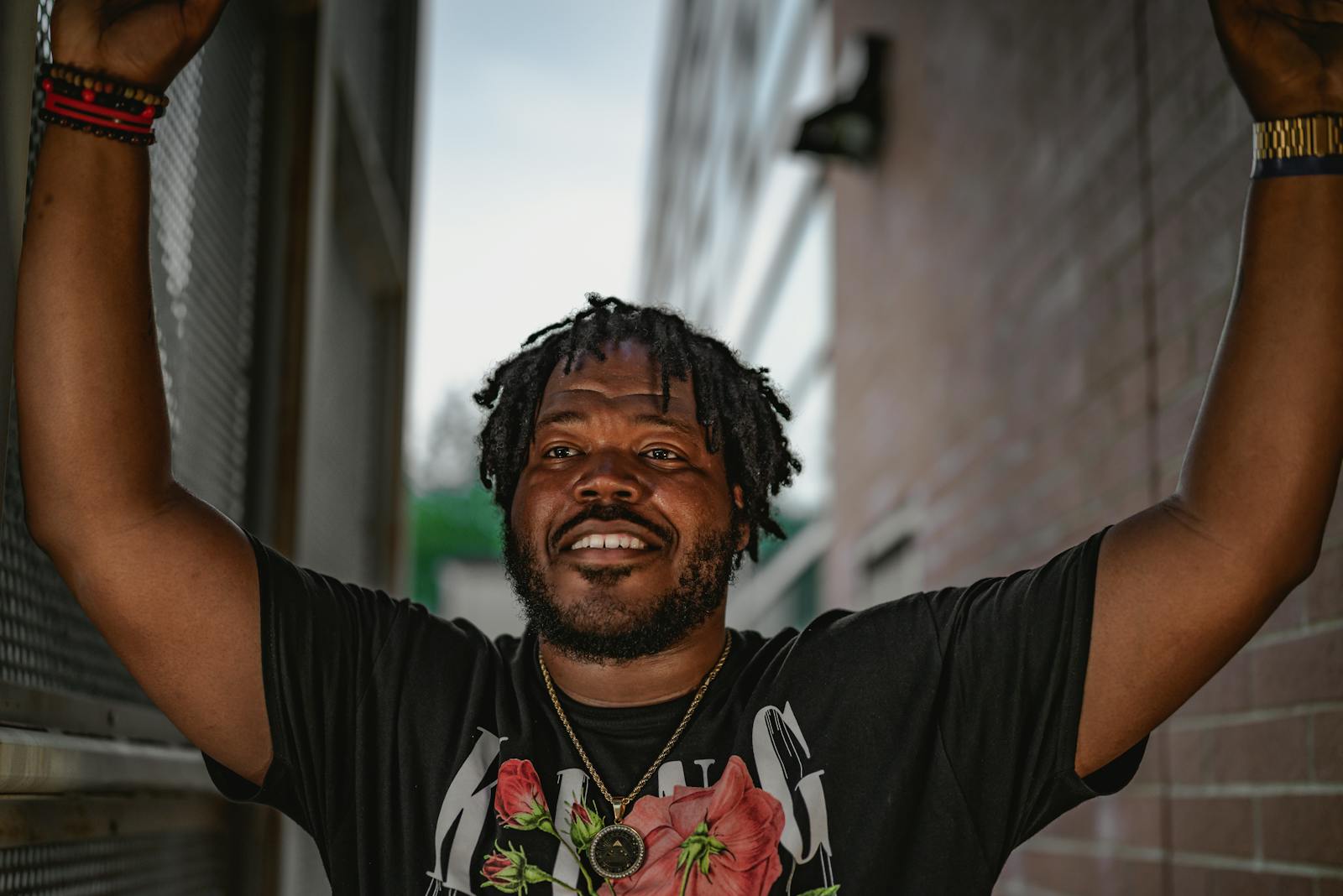
Part 5: Where to source XXXXL shirts
1. Global Sources
Global Sources connects B2B buyers with verified suppliers, particularly across Asia, offering a diverse selection of oversized shirts suitable for retail, corporate, or promotional purposes. Many suppliers provide OEM and ODM services, allowing for customization to meet brand or market requirements. Minimum order quantities vary by supplier and are often negotiable, giving businesses flexibility in sourcing. Interested buyers can explore available options through Global Sources’ oversized shirt supplier listings.
2. Alibaba
Alibaba hosts a vast network of manufacturers and suppliers offering XXXXL shirts in a wide range of styles, fabrics, and quantities, making it ideal for businesses seeking bulk or custom orders. Options range from basic cotton tees to fully branded apparel.
3. Siatex Global
Based in Bangladesh, Siatex Global specializes in promotional and custom apparel, serving international markets including Europe and the Middle East. Their product range includes branded T-shirts, custom logo prints, and event merchandise, making them suitable for businesses seeking large-scale orders for marketing or corporate purposes.
4. T-Shirt Wholesaler
US-based T-Shirt Wholesaler offers an extensive selection of blank apparel, including sizes up to 4XL, catering to retailers and businesses needing bulk quantities. Their inventory includes T-shirts, hoodies, tank tops, and more, with bulk purchasing options available without strict minimum order requirements. Customization can be arranged through third-party services, and fast processing combined with bulk discounts makes it a convenient sourcing option for businesses.
5. ShirtSpace
ShirtSpace, also based in the US, provides a large inventory of blank apparel in sizes up to 7XL, serving both small businesses and large enterprises. Their product range includes over 1,000 t-shirt styles from popular brands, ideal for bulk sourcing or resale. While direct customization is not offered, third-party services can be used for branding. Orders over $79 qualify for free shipping, making it cost-effective for businesses sourcing in larger quantities.
Part 6: Custom and made-to-measure XXXXL shirt solutions
For businesses looking to offer perfectly fitted and personalized XXXXL shirts, custom and made-to-measure options provide a valuable opportunity. Digital tailoring services have transformed access to extended-size apparel, allowing buyers to procure high-quality, well-fitted shirts without traditional in-person fittings. Proper Cloth uses an algorithm-driven measurement system to deliver precise sizing, while Indochino has expanded its fabric range to optimize fit and performance for XXXXL shirts. MTailor leverages a refined smartphone measurement app to capture accurate dimensions and ensure proper proportion and drape in larger sizes.
Cost considerations are increasingly favorable for B2B buyers: entry-level custom XXXXL shirts now start around $89, with premium options ranging from $150–$300 depending on fabric and construction. Many providers offer first-time buyer incentives, allowing businesses to test the custom process before placing larger orders.
Fabric selection is critical for extended-size shirts, and leading custom providers focus on materials that maintain shape, comfort, and style. Options include higher thread-count cottons for long-lasting structure, natural-synthetic blends that provide stretch without distortion, specialized weaves to enhance breathability, and performance fabrics that combine formal appearance with athletic comfort. By incorporating these materials and technologies, B2B buyers can offer XXXXL shirts that meet both style and functional requirements in today’s market.
Part 7: Materials and comfort technology in 2025 XXXXL shirts
Material innovation is driving the next level of comfort, performance, and market differentiation in XXXXL shirts for 2025.
Next-generation fabrics
Leading collections leverage advanced fabric technologies to meet the demands of extended-size apparel. Targeted moisture-wicking panels in high-perspiration zones keep shirts dry and comfortable throughout the day, while phase-change materials in business XXXXL shirts help regulate body temperature by absorbing and releasing heat as needed. Anti-microbial properties, such as silver-infused threads and specialized treatments, reduce odor and extend wear between washings, enhancing the overall value proposition for B2B buyers.
Structural innovations
Construction techniques have also evolved to enhance fit and durability in larger sizes. Reinforced seams prevent splitting without adding bulk, strategic stretch panels move naturally with the body, and graduated compression elements improve posture and comfort in dress shirts. Weight-distributed construction minimizes shoulder strain in heavier fabrics, ensuring that extended-size shirts remain functional and comfortable for all-day wear.
Sustainable materials
Sustainability is increasingly central to 2025 XXXXL collections. Eco-conscious fabrics such as organic cotton, recycled polyester from post-consumer plastics, and lyocell or modal derived from sustainably harvested wood pulp are now widely used. Hemp blends provide durability while reducing environmental impact, allowing businesses to meet consumer demand for responsible, high-quality extended-size apparel without compromising performance or comfort.
Part 8: Maintenance and longevity of XXXXL shirts
For B2B buyers and retailers, ensuring the durability and appearance of XXXXL shirts is critical to maintaining customer satisfaction and minimizing returns. Proper care extends the life of extended-size shirts while preserving their fit, finish, and overall quality.
Specialized care practices
XXXXL shirts benefit from targeted maintenance approaches. Hanging rather than folding prevents deep-set wrinkles, while wide, contoured hangers designed for larger garments help maintain shoulder and collar structure. Spot-cleaning reduces the frequency of full washes, and reinforcing stress points in advance can prevent premature fabric wear, enhancing the longevity of high-value inventory.
Storage solutions
Effective storage preserves the shape and condition of XXXXL shirts across seasons. Humidity-controlled closets help prevent mildew in larger fabric areas, while specialized hanging systems maintain structural integrity. Seasonal rotation strategies allow collections to remain fresh, and compression-free containers provide safe off-season storage without distorting garments.
Professional maintenance services
Many professional cleaning services now offer programs tailored to XXXXL shirts. Hand-finishing techniques prevent stretching during pressing, while advanced stain-removal protocols accommodate the larger surface areas of extended-size garments. Repair services are experienced in reinforcing common stress points, and preservation treatments protect premium or limited-edition shirts, ensuring consistent quality for retail or corporate clients.
Conclusion
The XXXXL shirt market in 2025 presents a wealth of opportunities for B2B buyers, offering unprecedented variety, quality, and design innovation. From advanced fabrics and construction techniques to specialized retailers and custom options, sourcing well-fitting, stylish, and durable XXXXL shirts has never been more accessible. As the fashion industry continues to prioritize size inclusivity, businesses can anticipate ongoing advancements in both design and availability, creating new avenues for growth.
Whether stocking professional, casual, or formal collections, today’s XXXXL shirts combine comfort, style, and longevity. By leveraging insights on accurate sizing, market trends, material innovations, and maintenance best practices, B2B buyers can curate offerings that meet the evolving demands of their customers while enhancing brand reputation and customer satisfaction.

