
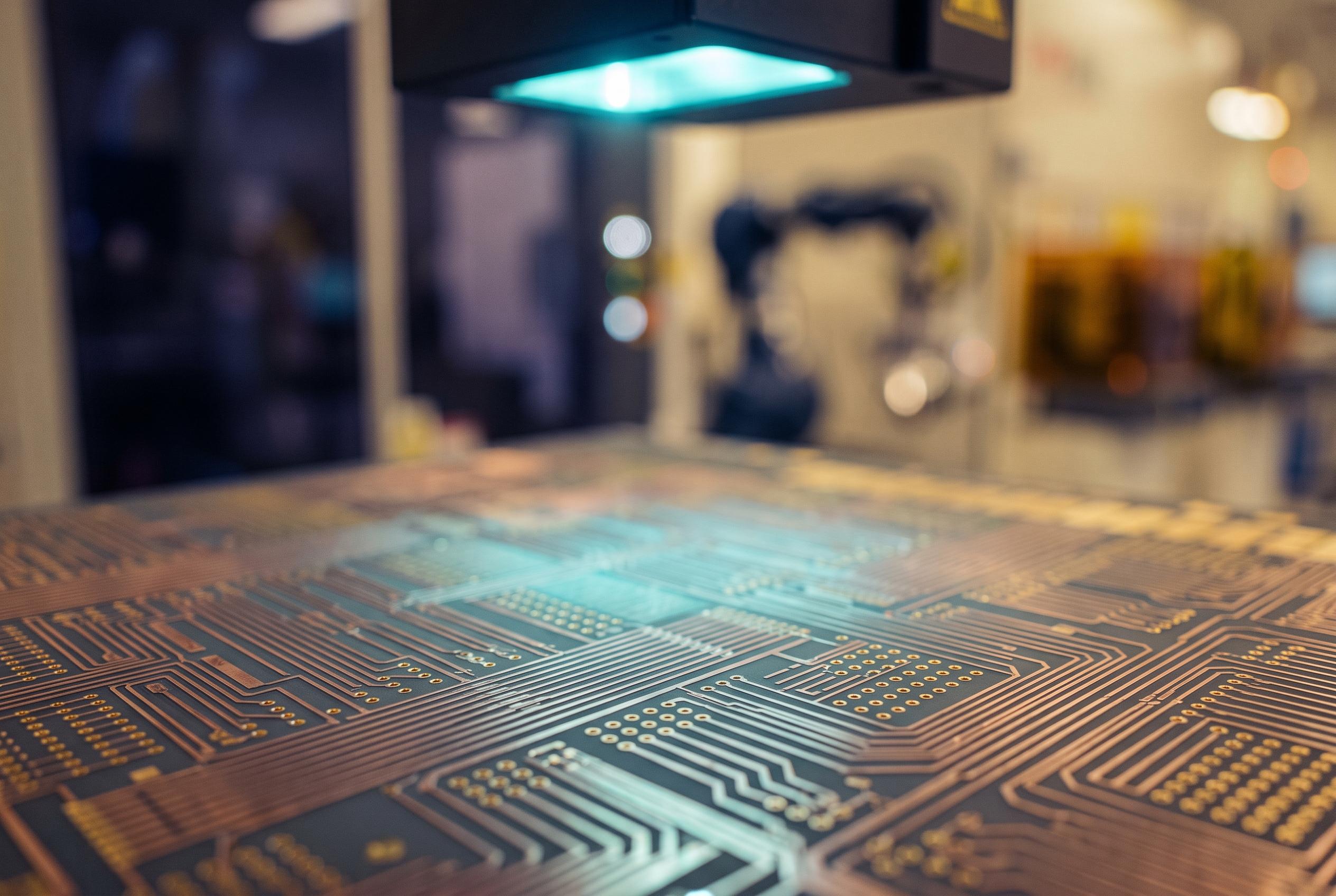
AI server production is putting unprecedented pressure on the global PCB supply chain, from low-CTE glass cloth and advanced copper foil to CCL and ABF substrates. Taiwan’s industry expects shortages to persist through at least 2027, as new capacity won’t arrive quickly enough to match surging orders.
Essential Takeaways
- - Shortages are spreading: Tight supply now reaches advanced glass cloth, copper foil, CCL, PCBs, ABF substrates, equipment, and consumables.
- - AI is the main driver: Larger chips, denser server boards, and faster networking equipment require more sophisticated materials.
- - Relief is years away: Much of the new production capacity is expected between 2027 and 2029.
- - Prices are rising: Scarce materials, higher input costs, and customer qualification delays are pushing PCB prices upward.
- - The market is uneven: AI servers and high-end networking are booming, while smartphones and laptops remain comparatively soft.
AI servers are consuming the PCB supply chain
The shortage started with a material that sounds obscure but sits at the heart of high-performance electronics: low-CTE glass cloth. It helps circuit boards remain stable as temperatures change, a crucial trait when large AI chips generate serious heat.
Now the pressure has moved well beyond one material. According to the Taiwan Printed Circuit Association, low-Dk2 materials and HVLP4 high-frequency copper foil are also becoming difficult to secure, while CCL, high-end PCBs, and ABF substrates are joining the queue.
The result is a supply chain that feels less like a single bottleneck and more like a traffic jam stretching from raw materials to finished boards. Industry reporting from People News says material output in Taiwan rose 38.6 percent year over year in the first half of the year, outpacing PCB manufacturing growth.
Bigger AI chips mean bigger, denser boards
AI accelerators are growing in size and complexity, and the boards that support them are following suit. New server platforms, including Nvidia’s GB300 systems, are increasing demand for boards with more layers, thicker construction, and tighter electrical performance requirements.
That matters because advanced boards don't simply need more material. They need highly specialised material that must pass customer testing and manufacturing qualification. A supplier can't necessarily turn a standard product into an AI-grade component overnight.
The same pattern is appearing in high-speed networking. As data centres upgrade their switches and interconnects, circuit boards must carry faster signals with less loss. That is lifting demand for low-loss laminates and premium copper foil, according to coverage from Tom's Hardware and Taiwan industry sources.
ABF substrates are feeling the squeeze too
ABF substrates, which connect advanced processors to their packages, are another pressure point. Larger chips and more demanding designs require bigger substrates with more layers, creating a difficult combination of rising volume and stricter specifications.
Taiwanese substrate maker Unimicron has reportedly been discussing future requirements repeatedly with Japanese suppliers and looking for additional land in northern Taiwan. Even with planned factories coming online, the company expects existing long-term capacity commitments to make the market difficult to balance.
This is why the shortage can't be solved simply by placing another order. New plants require equipment, trained workers, process tuning, and customer approval. In semiconductor supply chains, the difference between announcing capacity and shipping reliable product can be measured in years.
Why new factories won't fix prices immediately
Manufacturers across the PCB ecosystem are investing heavily, but the timing is awkward. Much of the additional capacity is scheduled to arrive from 2027 through 2029, while AI-related orders are landing now.
The Taiwan Printed Circuit Association expects supply pressure to last at least through 2027, with customer qualifications and production ramp-ups slowing the impact of new investment. Even after a factory opens, yields must improve before it can deliver consistent commercial volumes.
That lag is already showing up in pricing. Higher raw-material costs and limited availability are encouraging suppliers to raise prices, while some lower-end products are also seeing longer lead times. Buyers may want to secure supply early, but holding excess inventory is expensive, so procurement teams are being forced into an uncomfortable balancing act.
The boom is real, but not every PCB segment is winning
Taiwan's PCB industry is benefiting from the AI surge in a big way. Industry figures cited by TPCA put first-half PCB equipment output at roughly NT$460.8 billion, up 27.8 percent, with drilling machines and drill bits among the stronger categories.
High-end multilayer boards are performing particularly well. Their second-quarter output jumped 47.6 percent, helped by AI servers, advanced networking, and memory demand. TPCA expects Taiwan's full-year PCB production value to reach about NT$1.1365 trillion, crossing the NT$1 trillion mark for the first time.
But this isn't a universal electronics recovery. Flexible-circuit output grew only 1.3 percent in the second quarter, reflecting weaker smartphone and notebook demand. In other words, AI infrastructure is pulling the market forward while more familiar consumer gadgets are moving at a much slower pace.
What buyers should watch next
For manufacturers, the practical lesson is clear: material planning needs to happen earlier, especially for low-loss laminates, advanced copper foil, glass cloth, and ABF substrates. Second-source development can help, but alternative suppliers still need to meet demanding technical specifications and pass customer certification.
The next important signal will be whether new capacity arrives on schedule and reaches acceptable yields. If AI server demand keeps expanding faster than factories can ramp, shortages could remain stubborn even as headline investment rises.
For consumers, the impact may be indirect rather than dramatic. Higher component costs can eventually filter into servers, networking equipment, cloud services, and premium electronics. Behind every sleek AI machine is a stack of very unglamorous materials, and right now those materials are doing the heavy lifting.
It's a reminder that the AI boom depends on far more than chips and software.
Disclaimer: This article may have been created with AI assistance and reviewed by our editorial team. It is provided for general informational purposes only. Readers should verify information independently before relying on this content.
