
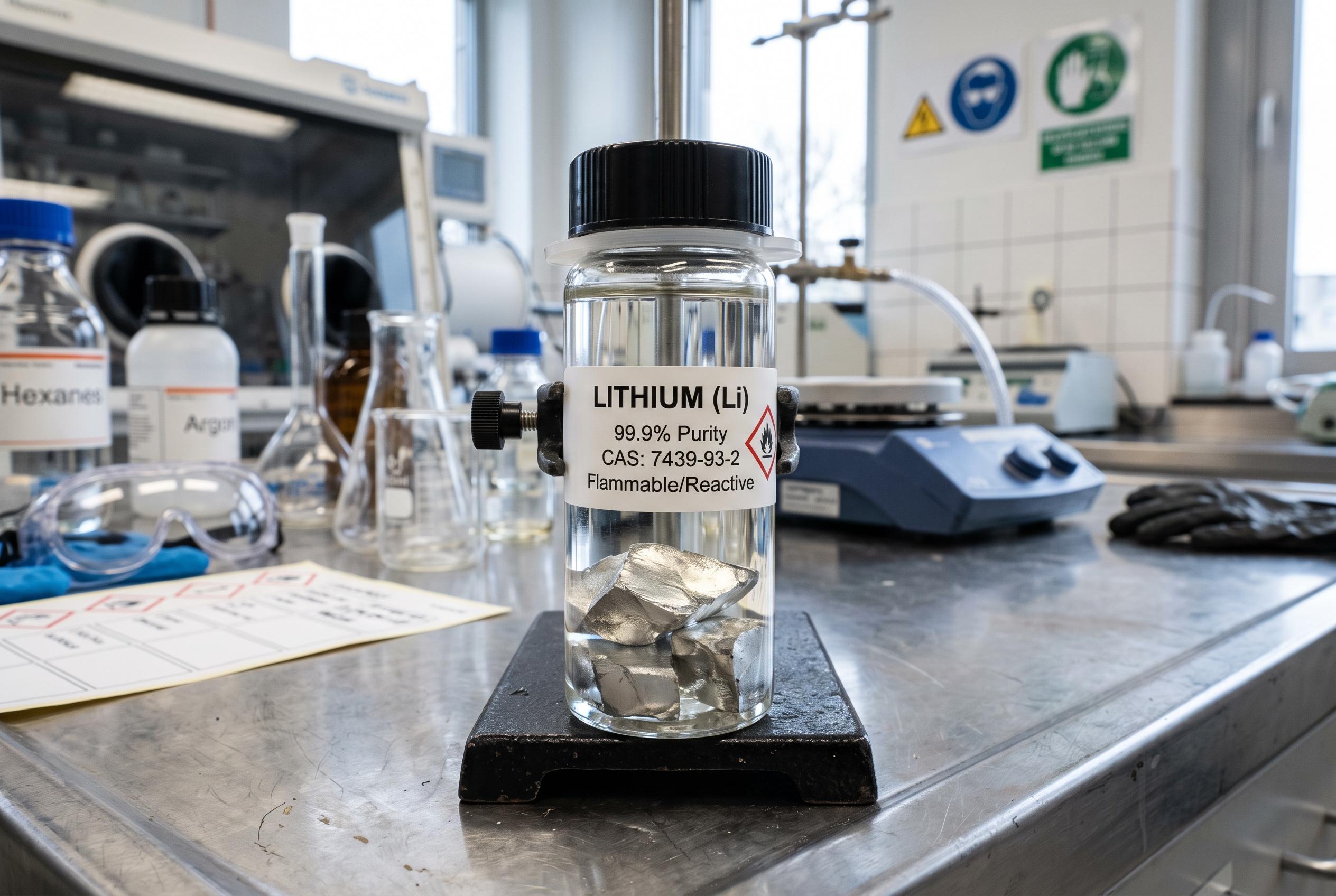
- Regulatory setbacks delay the restart of China's largest lithium mine
- Environmental approval hurdles impact future lithium supply forecasts
- Market sensitivity persists as ESG principles shape mining project approvals
Chinese regulatory authorities have sent the Jianxiawo lithium mine, operated by Contemporary Amperex Technology Co. Ltd (CATL), back into the environmental review process, marking a new setback for what was once seen as a key project to bolster China’s in-country supply of battery materials. According to Benchmark Mineral Intelligence, the Yichun Municipal Ecology and Environment Bureau withdrew the environmental assessment acceptance notice for the mine after some public complaints emerged, raising concerns about the disclosure platform used earlier on in the process.
Now, this doesn’t necessarily mean the project is dead in the water. Not yet, anyway. But it does mean that the mine cannot move forward with the technical assessment until the public participation stage is sorted out, verified, and re-released. Reports from Benchmark and other industry sources say CATL has been instructed to go through all the required procedures again. Meanwhile, state media reports note that the site remains shut, waiting for environmental approval before any further actions.
Jianxiawo, also known as the Zhenkouli-Jianxiawo project, has already had a rocky regulatory history. The mine’s previous license expired in August 2025, which led to a pause. Then, CATL secured a new mining license in November 2025, extending all the way to 2047. The project also received approvals for land use and safety in June 2026. But these didn’t eliminate the need for a valid environmental assessment, something that’s become especially important now.
That distinction is significant. VentureAtlas noted that the mine briefly restarted operations in June and July, but disputes over a tailings pond remained unresolved, so regulators later ordered it back into care and maintenance. Industry insiders and mining reporters have indicated that the environmental review has become the main bottleneck, even though the site has, at times, looked like it could be ready to restart.
Benchmark’s outlook for the project’s output has also been scaled back. The firm downgraded its 2026 mined lithium carbonate equivalent forecast from 62,500 tons down to just 32,000 tons. Still, they see potential for about 99,000 tons in 2027, provided the approvals are eventually completed. This revision is quite notable because Jianxiawo is considered China’s largest lithium mine capacity-wise and a major potential source of lepidolite supply.
From the perspective of battery manufacturers, this delay adds another layer of unpredictability in a market already balancing low prices with worries over future supply disruptions. MetalsCost mentioned that Chinese lithium prices have fallen sharply since May, long before the mine was shutdown again, highlighting just how sensitive the market remains to whether projects get up and running smoothly. Skillings, on their part, explained that the 2026 price outlook for battery-grade lithium carbonate still largely depends on whether new supply comes online as planned.
This case of Jianxiawo also shines a light on how environmental, social, and governance (ESG) principles have increasingly become part of the permitting process, not just a matter of disclosure. Public consultation, tailings management, and water controls now play crucial roles in whether a mine can even move forward, no longer just about how companies describe their sustainability efforts, but about whether they meet all the regulatory requirements to begin production. For CATL, today’s challenge seems less about how much resource they have and more about successfully navigating the regulatory steps needed to convert their licensed capacity into usable output.
Key takeaways
- - The project is delayed, not necessarily canceled. CATL must repeat or correct parts of the environmental review process before the mine can proceed with its technical assessment.
- - Environmental approval remains essential. Mining, land-use, and safety permissions do not replace the need for a valid environmental assessment.
- - Output forecasts have been reduced. Benchmark Mineral Intelligence expects substantially lower 2026 production, with stronger potential in 2027 if approvals are completed.
- - Lithium markets remain sensitive to project timing. Any delay in new supply can affect expectations for battery materials, even when current prices remain weak.
- - ESG requirements are becoming operational requirements. Public consultation, tailings management, and water controls can directly determine whether a mining project moves forward.
- - Battery supply chains may need flexibility. Manufacturers and sourcing teams may have to monitor alternative suppliers, logistics arrangements, and inventory strategies while Jianxiawo’s status remains unresolved.
Disclaimer: This article may have been created with AI assistance and reviewed by our editorial team. It is provided for general informational purposes only. Readers should verify information independently before relying on this content.
Sources:
