
Businesses are moving beyond AI assistants as DHL’s latest Logistics Trend Radar highlights autonomous supply chain tools, predictive analytics, robotics, and tighter governance. The shift could help companies spot shortages, reroute shipments, and manage capacity faster, while still keeping people at the centre of decisions and day-to-day operations.
Essential Takeaways
- - Agentic AI takes action: These systems can plan, decide, and execute tasks against defined goals.
- - Predictive tools move faster: AI analytics can flag shortages, forecast disruptions, and recommend responses.
- - People still matter: Workers may use assistants, wearables, and collaborative robots to reduce repetitive tasks.
- - Security becomes crucial: More autonomous systems raise the stakes for cybersecurity, ethics, and oversight.
- - Sustainability stays central: Electric fleets, alternative fuels, circularity, and smarter networks remain key priorities.
AI is no longer waiting for a prompt
The most important change is simple: AI is starting to act, not merely answer. DHL’s Logistics Trend Radar 8.0 identifies agentic AI as a major development because it can pursue a goal through several steps, rather than stopping after producing a recommendation.
In practical terms, that could mean monitoring stock levels, spotting a likely delay, comparing available transport options, and initiating a response. According to Supply Chain Digital, the technology is being discussed as a way to reshape both logistics operations and the workforce, although businesses will still need clear limits around what systems can do independently.
That distinction matters. A chatbot might tell a planner that a shipment is at risk, while an agentic system could potentially help arrange an alternative route. The second option sounds efficient, but it also demands better controls, cleaner data, and a human escape hatch.
Predictive analytics could make disruption less dramatic
Supply chain teams have always worked with uncertainty, but AI analytics can process far more signals than a person can comfortably track. DHL highlights uses including inventory forecasting, disruption prediction, shipment rerouting, and real-time transport adjustments.
The appeal is easy to understand. A quiet alert about a possible shortage is far more useful than a frantic phone call after shelves are already empty. DHL’s own trend coverage points to AI’s growing role in identifying patterns and supporting faster decisions across complex logistics networks.
Still, faster isn't automatically better. TechRadar has warned that AI agents shouldn't be allowed to run supply chains without careful supervision, a sensible reminder that a confident algorithm can still make a poor choice when its data is incomplete or its instructions are too broad.
Automation is spreading from screens to warehouses
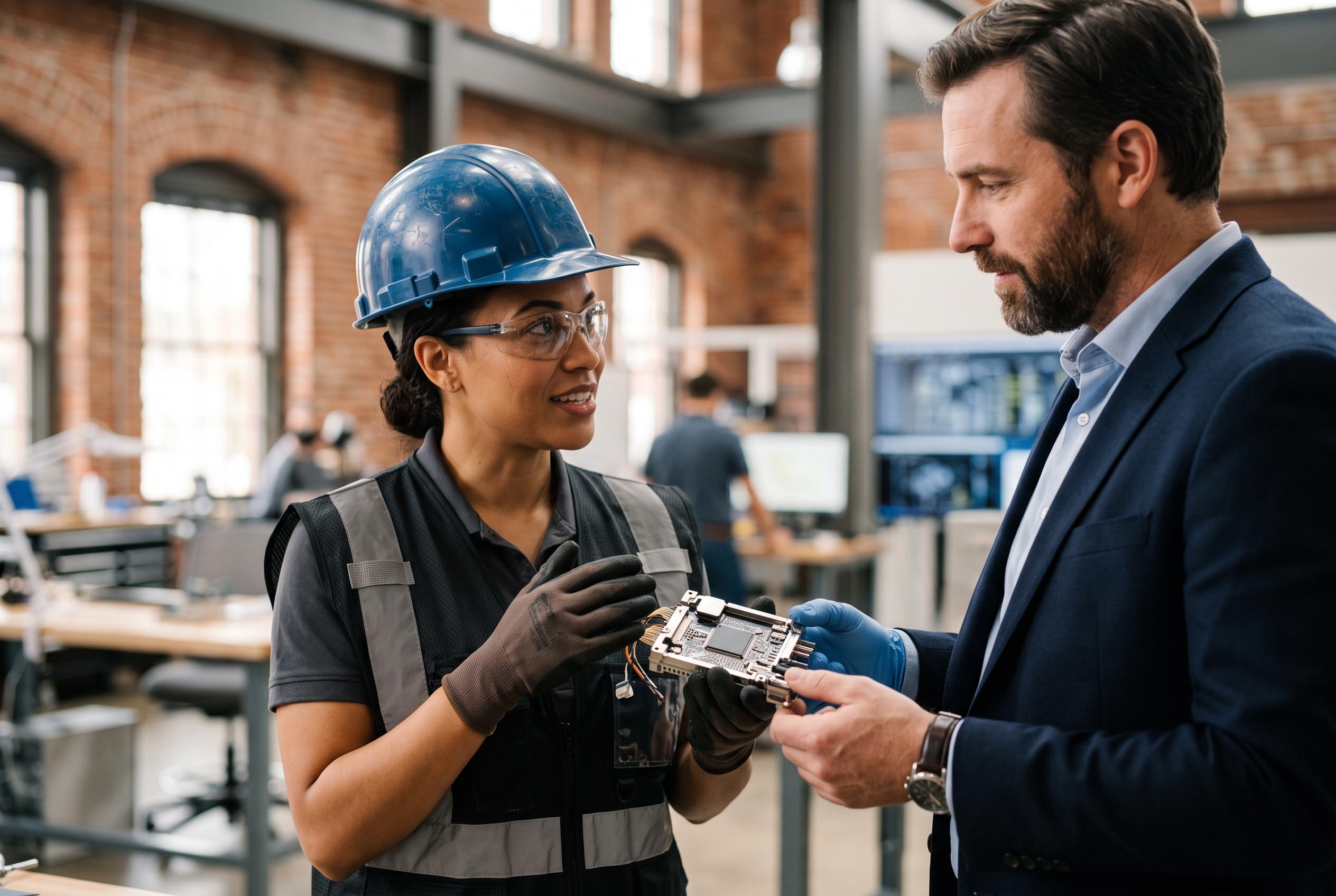
The report also looks beyond software. Collaborative robots, wearable devices, and physical automation are increasingly designed to support workers with repetitive, strenuous, or safety-sensitive tasks. Humanoid robots appear in DHL’s longer-term outlook, suggesting that more flexible machines could eventually operate in environments built for people.
For workers, the best version of this future isn't a warehouse full of silent machines. It's a workplace where technology handles dull or hazardous jobs, while employees focus on problem-solving, customer needs, and decisions that require judgment. DHL Group's commentary, reported in its corporate press material, stresses that people remain central even as tools become more capable.
That transition won't happen by simply installing new equipment. Companies will need training, redesigned roles, and honest communication about how performance will be measured. Otherwise, automation can feel less like help and more like another source of pressure.
What should businesses check before adopting agentic AI?
The first question is scope. A system that recommends a new delivery route is one thing; a system that books capacity, changes suppliers, or contacts customers without approval is another. Businesses should start with defined, low-risk tasks and expand only when the results are reliable.
Data quality is just as important. AI can't forecast inventory accurately if stock records are late, inconsistent, or scattered across incompatible systems. DHL's trend material places AI ethics and cybersecurity alongside autonomous technology, underlining the need to protect information and make accountability clear.
There’s also a useful human test: can an employee understand why the system took a particular action? If the answer is no, the tool may be too opaque for a high-stakes supply chain. The smartest rollout is likely to pair automation with visible approvals, audit trails, and regular reviews.
Sustainability remains part of the same conversation
AI may attract the headlines, but DHL's outlook also keeps attention on decarbonization, sustainable fuels, circularity, and vehicle electrification. Those priorities are closely linked to smarter planning because better forecasts can reduce waste, unnecessary journeys, and underused transport capacity.
DHL's earlier trend reporting also connected emerging technology with sustainable logistics solutions, including electric delivery fleets and more resource-efficient networks. The goal isn't simply to move goods faster. It's to build systems that use less energy and cope better with shocks.
That balance will shape the next phase of logistics. Agentic AI might become a powerful operating layer, but it won't replace sensible strategy, skilled staff, or responsible leadership. The winners will probably be the businesses that automate selectively, measure the results, and keep people firmly in the loop.
It's a small distinction with huge consequences: autonomous tools may run more tasks, but people still set the direction.
Disclaimer: This article may have been created with AI assistance and reviewed by our editorial team. It is provided for general informational purposes only. Readers should verify information independently before relying on this content.
