
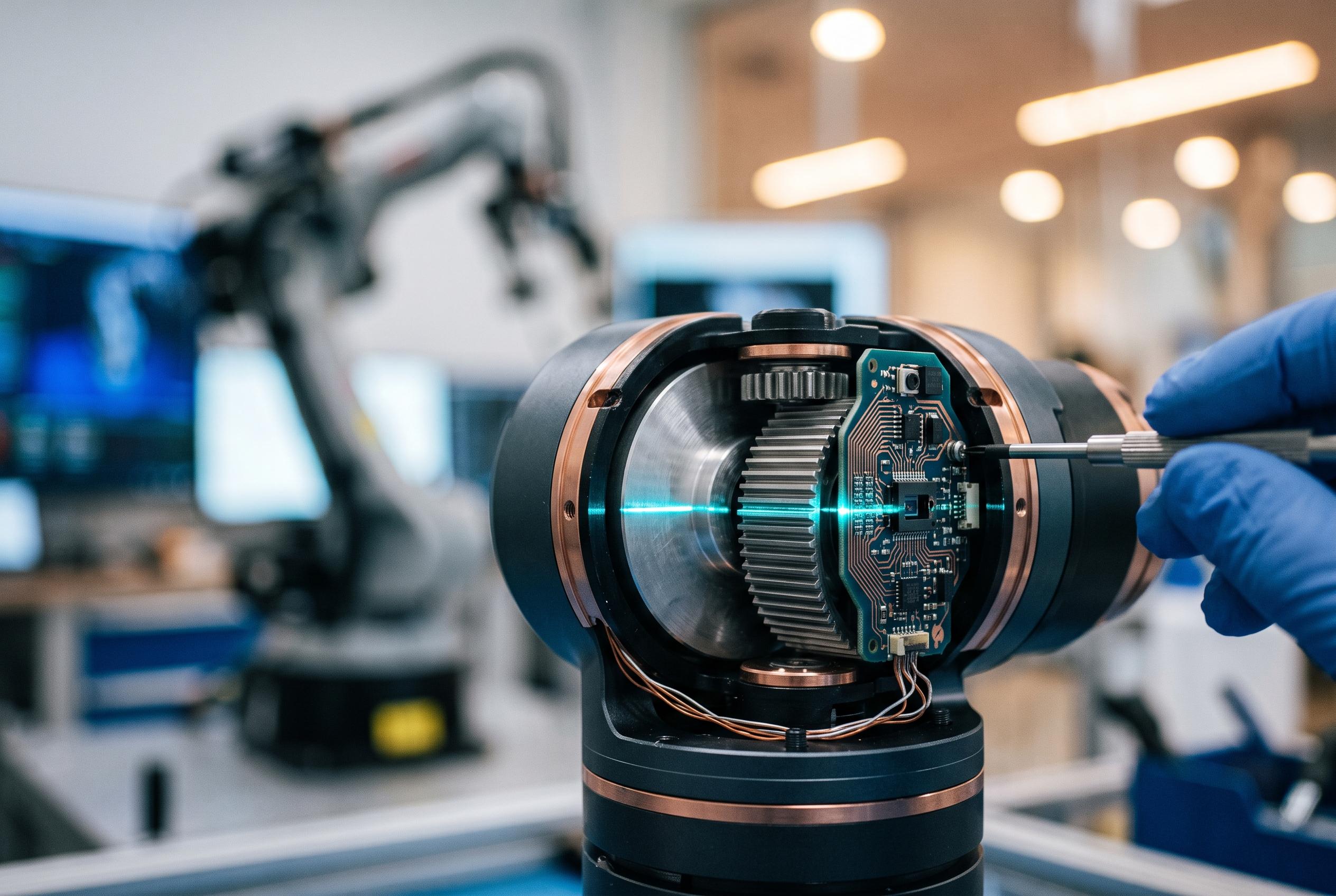
Auto suppliers built around Hyundai are facing a defining test as electric vehicles, software, tariffs, and robotics reshape the industry. The companies that thrive won’t simply deliver parts reliably. They’ll need export-ready technology, stronger research capabilities, and the flexibility to serve new customers beyond one automaker.
Stability once helped suppliers grow
A car may carry one badge, but it depends on a vast network of manufacturers, engineers, processors, metalworkers, and software specialists. For years, that network benefited from steady orders linked to Hyundai Motor Group, giving domestic suppliers a dependable foundation and helping them expand alongside vehicle production.
That security, however, can become a trap. When most revenue comes from one major automaker, a supplier may have less incentive to build its own intellectual property, court overseas customers, or develop products for several vehicle platforms. Reuters-style industry coverage has increasingly highlighted how automakers are broadening supplier relationships as technology and production strategies shift.
The risk is especially sharp for smaller second- and third-tier companies. They often lack the cash to establish factories abroad, complete expensive certifications, or fund lengthy engineering programmes. A change in purchasing policy can therefore travel quickly through the supply chain, leaving the smallest firms with very little room to manoeuvre.
Electric vehicles changed what matters under the hood
The transition to electric vehicles has made some traditional engine and transmission components less central, while creating demand for batteries, motors, inverters, thermal-management equipment, power electronics, semiconductors, and vehicle software. That isn't a modest product refresh. It's a shift in the skills, machinery, and engineering culture suppliers need to survive.
Hyundai's wider technology push shows how quickly that boundary is expanding. The group is working across robotics, artificial intelligence, smart factories, and mobility systems, areas that require many of the same strengths as advanced automotive production, including sensors, controls, precision parts, and embedded software.
For suppliers, the message is fairly plain: being excellent at stamping, casting, machining, or assembly may no longer be enough on its own. The winners will pair manufacturing discipline with design capability, data skills, testing expertise, and the ability to move from a drawing to a certified product.
Robotics could become an unexpected customer
The most intriguing development is that the automotive supply chain may not remain an automotive supply chain. Hyundai has been organising a broad network of suppliers around humanoid robots, with ambitions to build substantial production capacity. That creates a possible second market for companies whose capabilities once served only vehicle programmes.
Motion-control specialists, actuator makers, sensor companies, electronics manufacturers, and precision-machining firms can all find familiar problems in robotics, even if the final products look very different. A robot joint isn't a car suspension system, of course, but both demand reliable movement, tight tolerances, durability, and careful quality control.
Industry analysis from Automate.org describes Hyundai's effort as a move to repurpose automotive manufacturing strengths for robotics. That's important because diversification doesn't always require a supplier to abandon its core expertise. Sometimes it means applying that expertise to a faster-growing category before the old market becomes crowded.
China and trade rules make the transition harder
Chinese competitors are no longer defined only by low prices. They are building integrated ecosystems around batteries, materials, motors, electronics, and other critical technologies, allowing them to improve cost and performance at the same time. That combination puts pressure on suppliers that once competed mainly through efficient production.
Trade policy adds another complication. Tariffs, local-content rules, and protectionist measures are encouraging automakers to source and manufacture closer to major markets. For a global supplier, that can mean building facilities in North America or Europe rather than shipping everything from Korea. For a smaller company, it can feel like being asked to run two businesses at once.
The practical response is to choose carefully. Suppliers don't all need factories everywhere, but they do need a credible international plan, whether that means licensing, joint ventures, regional partnerships, or targeted overseas investment. A strong product without the right approvals and delivery footprint may still lose the contract.
What suppliers should do next
The first step is a frank review of customer concentration. A company that depends heavily on one automaker should identify which products can be sold to other vehicle brands, battery makers, robotics companies, or industrial customers. That exercise may reveal useful capabilities hiding inside familiar parts.
Next comes investment in people. Engineers who understand electrification, software, functional safety, robotics, and international certification are increasingly valuable, while experienced manufacturing workers need practical routes into new processes. Government support will matter most when it funds research, retraining, testing, and exports rather than simply postponing difficult decisions.
Automakers also have a role. Cutting supplier prices can lower a vehicle's immediate cost, but squeezing away the margin needed for research eventually weakens the whole network. Hyundai's supplier expansion into robotics suggests a more constructive model, where established partners can gain access to new programmes and technologies instead of being left behind by them.
A stronger supplier base strengthens the car industry
Automotive ecosystems rarely collapse in a single dramatic moment. They erode as skilled workers leave, investment dries up, plants move overseas, and one supplier after another loses the ability to compete. By the time the problem becomes visible in finished vehicles, rebuilding the underlying expertise is much harder.
The answer isn't to preserve every company exactly as it is. Some businesses will need to merge, specialise, or move into entirely new fields. Others can become world-class technology suppliers if they receive the time, partnerships, and investment needed to make that leap.
Hyundai's robotics strategy offers a useful glimpse of that future. The strongest suppliers may no longer be known simply as companies that deliver parts to Hyundai. They could become flexible technology businesses serving cars, robots, factories, and other industries around the world.
It's a small distinction in wording, but a huge change in ambition: suppliers must sell technology, not just capacity.
Disclaimer: This article may have been created with AI assistance and reviewed by our editorial team. It is provided for general informational purposes only. Readers should verify information independently before relying on this content.
