
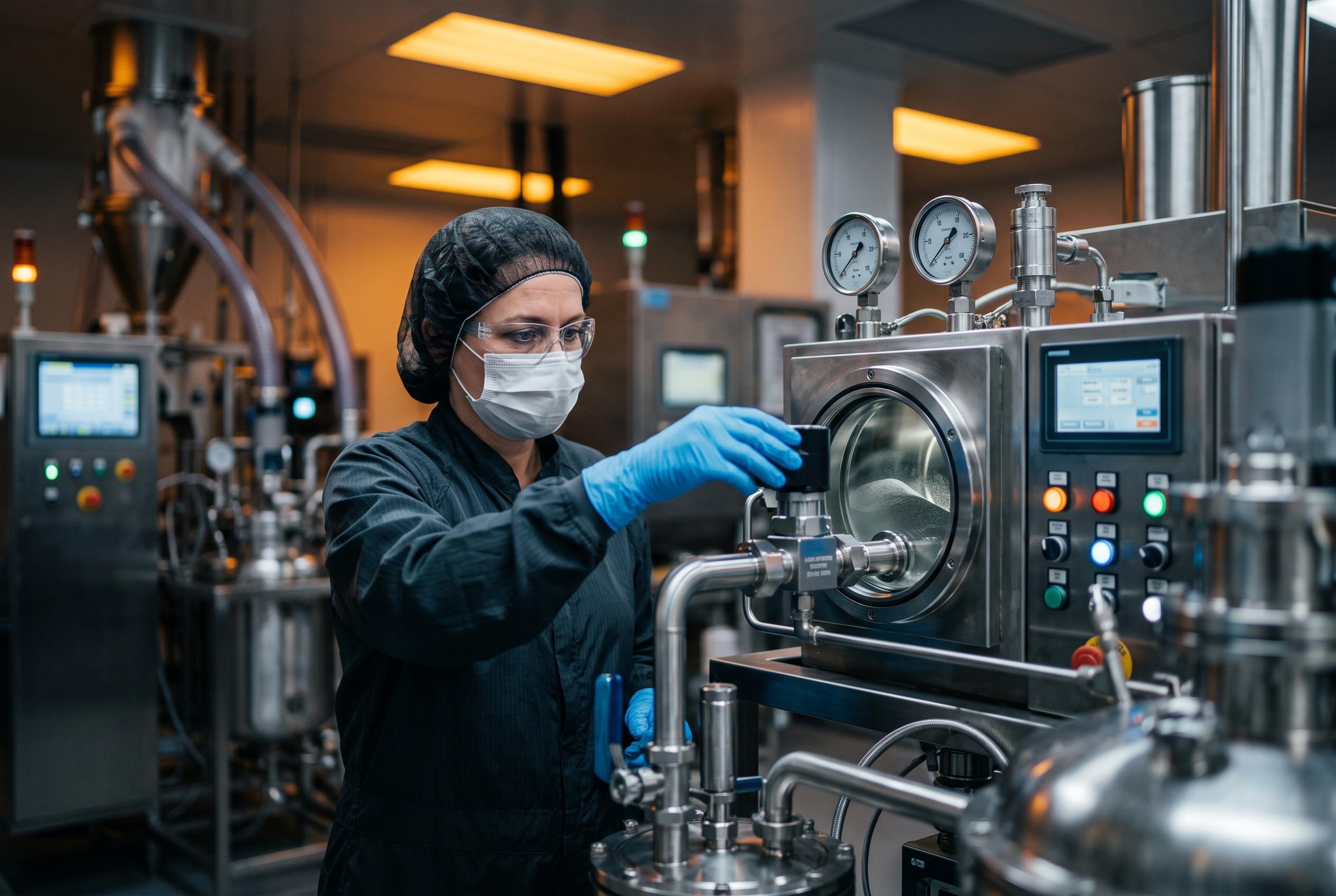
EcoPro BM and Samsung SDI are deepening their collaboration on solid-state battery materials, aiming to move from early design and testing to commercial production as soon as 2027. The partnership highlights the race to build safer, higher-energy batteries for electric vehicles, humanoid robots, and other fast-growing technologies.
A 2027 target puts pressure on the battery race
The most striking detail is the timeline. EcoPro BM and Samsung SDI aren't simply discussing a laboratory project; they're coordinating development, quality testing, production planning, and scale-up with a possible 2027 launch in sight.
That matters because solid-state batteries have spent years hovering between exciting promise and difficult engineering reality. The technology could offer a safer, more energy-dense alternative to today's lithium-ion cells, but producing uniform materials at commercial scale is the less glamorous challenge that often decides whether a breakthrough leaves the lab.
The companies' agreement is designed to address that gap early, with materials and cell development moving together rather than in separate silos. Industry coverage from EBN and DataNews describes the partnership as part of a wider effort to establish an early position in the sulfide-based solid-state battery market.
Why sulfide electrolytes are attracting attention
Solid-state batteries use a solid electrolyte instead of the liquid electrolyte found in conventional lithium-ion cells. That change could help improve safety while allowing manufacturers to pursue greater energy density, a particularly valuable advantage for electric vehicles where every extra mile matters.
EcoPro BM is concentrating on sulfide-based solid electrolytes, along with cathode materials tailored to work with them. The company says it has developed process expertise in powder control and quality management, two technical details that sound modest but are crucial when tiny inconsistencies can affect battery performance.
There’s also a practical advantage to developing the cathode and electrolyte together. Materials that perform well individually may not cooperate neatly inside a finished cell, so early coordination can reduce the risk of expensive redesigns later. Samsung SDI's cell expertise and EcoPro BM's cathode and electrolyte capabilities give the project a fairly logical shape.
From pilot line to factory floor
EcoPro BM already operates a pilot facility with annual capacity of roughly 40 tons for sulfide solid electrolyte materials. A pilot plant isn't a full-scale factory, of course, but it provides a valuable proving ground for processing, consistency, and production economics.
The company has also been preparing dedicated cathode materials for solid-state applications, building on its experience with high-nickel cathodes. That work could become important as cell makers seek materials that deliver high output without creating new stability or manufacturing problems.
According to the lead report, EcoPro BM has been discussing sample production with major customers and has prepared designs for a future manufacturing line. The company's research executive said commercial production could arrive as early as 2027, although the timing will still depend on customer validation, technical results, and demand.
Electric vehicles aren't the only market watching
Electric vehicles remain the obvious market for solid-state batteries, especially as automakers look for longer range, faster charging, and improved safety. A battery that packs more energy into the same space could give designers more freedom, whether that means smaller packs or longer driving distances.
Humanoid robots are another reason the technology is drawing attention. Robots need compact, lightweight power sources that can support demanding movement without adding excessive bulk. Solid-state batteries won't solve every robotics challenge, but their potential combination of safety and energy density makes them an attractive option.
That wider opportunity may help battery companies justify the cost of developing new materials and manufacturing systems. The next generation of batteries is likely to serve several industries at once, rather than relying solely on the electric-car market.
A government-backed technology race
South Korea is treating solid-state batteries as a strategic technology, and that policy support adds another layer to the commercial push. EcoPro BM was selected for a government-led research programme focused on strengthening domestic materials, parts, and equipment capabilities, with reported support of about 20 billion won over seven years.
The government has also encouraged closer cooperation between battery-cell manufacturers and specialist materials companies. That approach recognises a simple reality: no single business controls every part of the battery chain, and commercial success depends on compatibility from raw material to finished cell.
For consumers, the eventual test won't be the announcement itself but the product that follows. If the partnership can turn a 40-ton pilot operation into reliable, cost-effective production, solid-state batteries may finally begin moving from futuristic talking point to something drivers and device makers can actually use.
A safer, denser battery is still a powerful idea, but the factory floor will decide whether it becomes everyday technology.
Explore battery developments that could make the next generation of electric transport safer and more capable.
Disclaimer: This article may have been created with AI assistance and reviewed by our editorial team. It is provided for general informational purposes only. Readers should verify information independently before relying on this content.
