
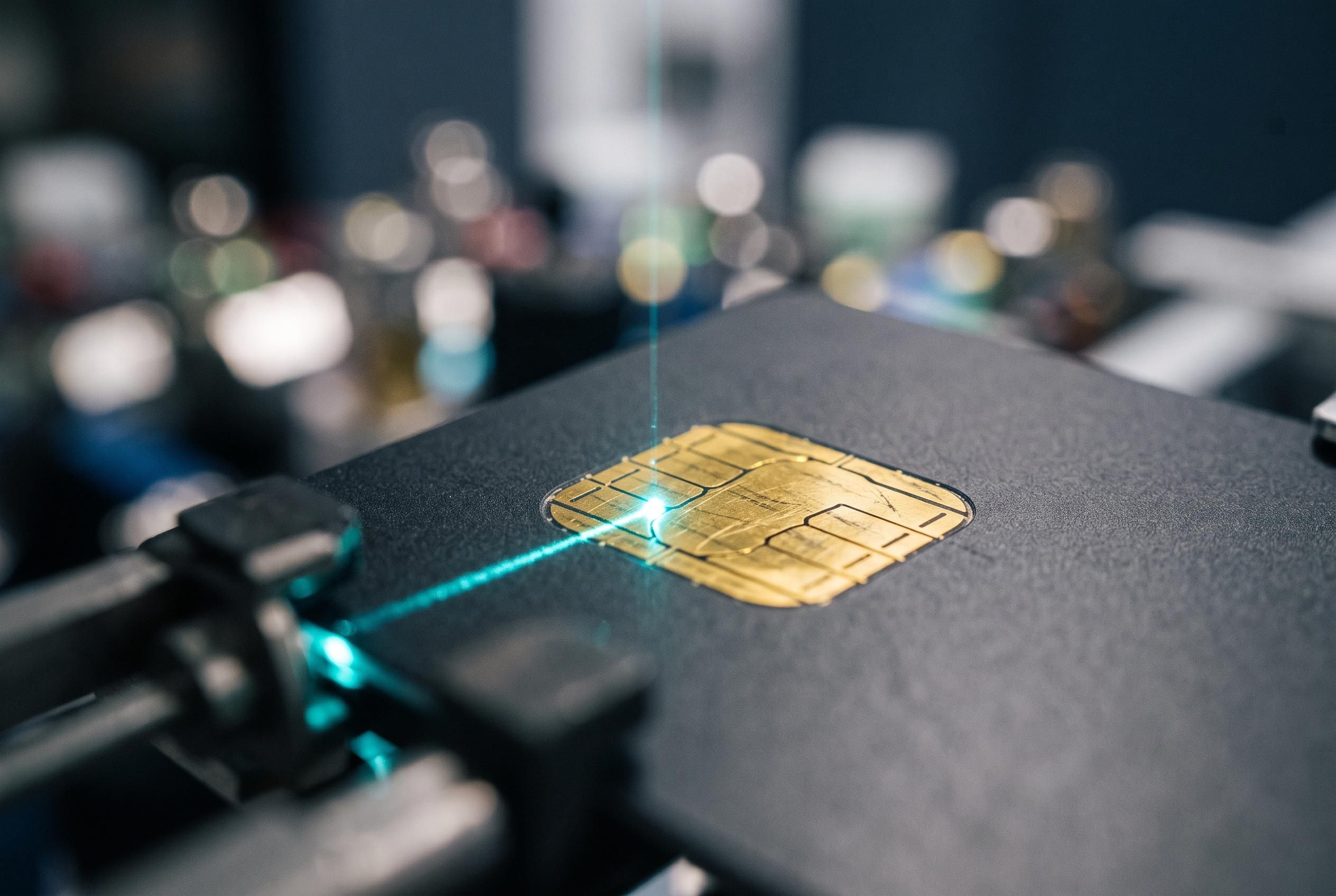
Payment card manufacturers are facing fresh supply-chain strain as artificial intelligence demand competes for semiconductor capacity, while geopolitical tensions squeeze supplies of metals and PVC. The Smart Payment Association says early forecasting and closer coordination could help card issuers avoid delays and reduce the risk of another widespread chip shortage.
AI Is Putting Pressure on the Chips Inside Payment Cards
The payment card industry is being squeezed from two directions at once. According to the Smart Payment Association, semiconductor manufacturers are devoting more attention to AI applications and data centers, leaving less breathing room for the mature production lines used to make payment card chips.
That doesn't mean payment cards suddenly need AI-grade processors. Their EMV chips typically use established manufacturing nodes of 28 nanometers and above. The catch is that those older production lines still compete for factory space, equipment, materials, and engineering support, so a boom in one part of the semiconductor market can create ripples elsewhere.
Why Geopolitics Could Affect Your Next Card
Chips aren't the only concern. Payment cards also depend on materials such as gold and other precious metals for contacts and chip components, while PVC remains widely used in card construction. The SPA says geopolitical volatility and constrained trade routes are making those inputs harder to secure consistently.
This is a less visible risk than a headline-grabbing chip shortage, but it's just as practical. A card can be technologically ready and still face delays if its materials, manufacturing route, or shipping network becomes unreliable. The result may be a longer wait for new cards, replacement cards, or large issuer rollouts.
The Industry Is Trying to Avoid Another Shortage
Manufacturers are already taking steps to reduce their exposure, including qualifying alternative suppliers. But that isn't an overnight fix. Moving production to another source requires testing, certification, technical coordination, and enough confidence that the replacement can meet payment-industry standards.
The wider card market is still carrying memories of the shortages that followed the Covid-19 pandemic. This time, the warning is arriving before a full-blown crisis, which is encouraging. Early visibility gives manufacturers a better chance to reserve capacity instead of scrambling when orders are already late.
What Card Issuers Can Do Now
The SPA is asking issuers to provide reliable demand forecasts as far in advance as possible. It also recommends promptly reporting expected changes in card volumes or product mix, then agreeing early on frame orders and longer-term production plans.
That advice may sound operational, but it has a direct consumer benefit. Better planning can help banks and other issuers maintain supplies for new accounts, expiring cards, replacement requests, and contactless programmes. For manufacturers, clearer signals make it easier to negotiate with foundries and secure the right materials before capacity tightens further.
Will Payment Cards Become More Expensive or Harder to Get?
The current warning doesn't predict an immediate global shortage or announce a universal price increase. Instead, it highlights a market where several small pressures could reinforce one another. If semiconductor capacity, precious metals, PVC, and transport routes all become more difficult at the same time, production costs and lead times could rise.
For shoppers and cardholders, the practical takeaway is simple: don't wait until the last minute to replace an expiring or damaged card. Issuers, meanwhile, have a strong incentive to treat forecasting as part of customer service rather than a back-office detail. A quiet supply chain is easy to overlook, but everyone notices when the envelope doesn't arrive.
Early planning won't remove every risk, but it could make the next payment card shortage far less disruptive.
Disclaimer: This article may have been created with AI assistance and reviewed by our editorial team. It is provided for general informational purposes only. Readers should verify information independently before relying on this content.
