
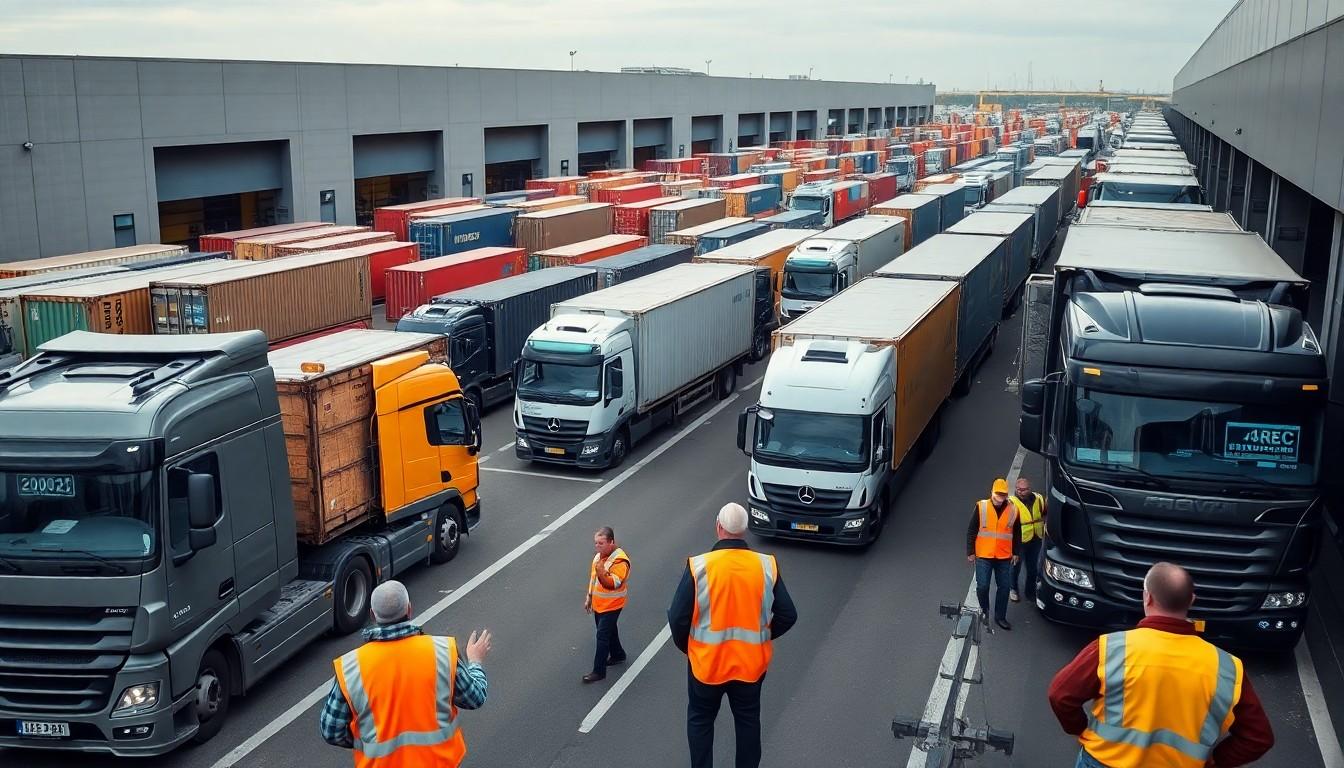
As supply chains face increasing disruptions, companies are shifting focus from the lowest cost carriers to those promising higher reliability, visibility, and delivery consistency, transforming freight procurement into a strategic, risk-averse decision.
In freight procurement, the old rule that the cheapest rate should always win is losing force. As supply chains have become more fragile and disruptions more routine, many shippers are now weighing reliability, visibility, and delivery consistency more heavily than they once did. The Air Freight blog says the shift reflects a broader reality: transportation decisions are no longer just about trimming line-item costs, but about protecting production, inventory flow, and customer commitments.
That matters because the price of a missed delivery can far exceed the savings from choosing the lowest bid. Late freight can stall manufacturing, empty store shelves, trigger penalties, and force expensive workarounds across the business. Racklify notes that delayed shipments also tend to erode customer satisfaction and weaken loyalty, while research cited by Supply Chain Brain found that consumers can quickly lose trust after inaccurate or late deliveries. In that environment, dependable service becomes less a convenience than a safeguard for revenue.
Companies are therefore evaluating carriers differently. Alongside price, they are increasingly reviewing on-time performance, service communication, route reach, and a carrier’s ability to recover when plans go wrong. SPS Commerce says shipment failures often stem from a mix of internal errors, external pressures, and unpredictable events, which means the best transportation partner is often the one that can reduce risk, not just quote aggressively. That helps explain why many shippers now treat logistics as a strategic decision rather than a simple purchasing exercise.
Technology has made that approach easier to execute. Real-time tracking, predictive estimated arrival times, transportation management systems, and carrier scorecards give logistics teams a clearer view of performance than they had in the past. With better data, shippers can compare providers on measurable results instead of relying on habit or assumption. Oxford Center says poor logistics choices can ripple through production schedules, increase overtime, and weaken customer trust, reinforcing the value of decisions built on evidence.
The broader lesson is that transportation is increasingly about resilience. Businesses that balance cost with service quality are better positioned to absorb disruptions, preserve customer confidence, and keep operations moving. In a market where one late shipment can create a chain reaction of losses, the lowest rate is not always the best deal. Often, the carrier that delivers on time is the one that delivers the most value.
Source Reference Map
Inspired by headline at: [1]
Sources by paragraph: - Paragraph 1: [2] - Paragraph 2: [2], [6] - Paragraph 3: [3], [4] - Paragraph 4: [4], [3] - Paragraph 5: [7], [5]
