
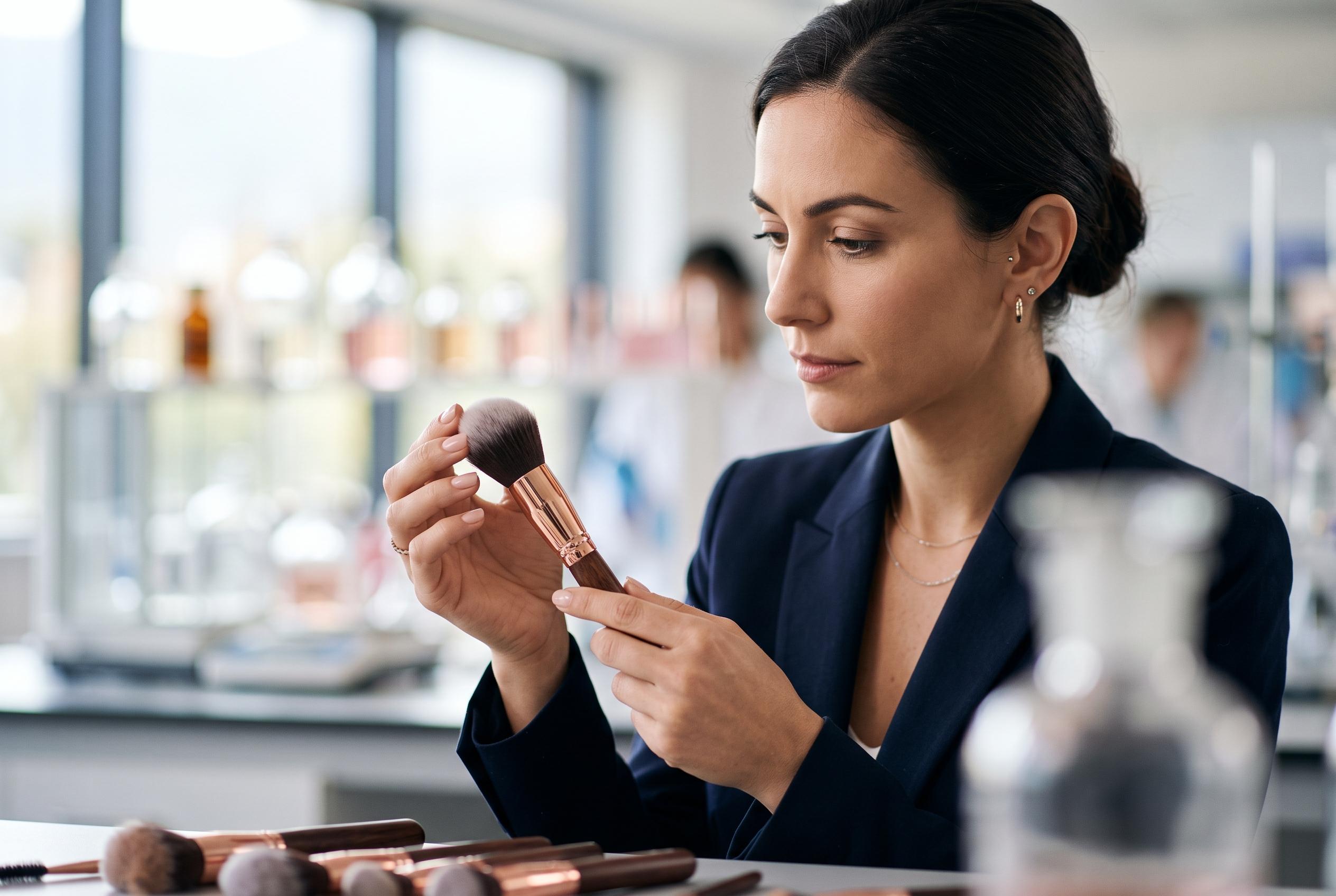
Beauty brands and personal-care manufacturers are watching a fresh US-China tariff agreement that covers cosmetics, makeup brushes, electric shavers, and hair-removal devices. The move could ease cross-border trade and eventually support better pricing, wider product access, and smoother supply chains, although the final rates and rollout timetable remain unclear.
Essential Takeaways
- - Cosmetics get a potential lift: China plans to reduce tariffs on selected cosmetics imported from the United States.
- - Beauty tools are included: The US proposal covers items such as makeup brushes, electric shavers, and hair-removal devices from China.
- - Prices may not change immediately: The agreement's exact tariff reductions and launch schedule haven't been confirmed.
- - Trade tensions are cooling: The arrangement extends a broader pause in the US-China tariff dispute.
- - Brands still need patience: Importers must wait for implementation details before making firm pricing or sourcing decisions.
A tariff agreement with beauty on the list
The beauty industry has landed an unusually visible place in the latest US-China trade negotiations. Cosmetics and personal-care tools may sound small beside aircraft, machinery, or energy products, but they move through busy international supply chains where even modest import costs can ripple into retail prices.
According to Personal Care Insights, the proposed changes include US cosmetics entering China and Chinese-made beauty tools entering the United States. For shoppers, that could eventually mean more choice, steadier availability, or slightly less pressure on prices, though none of those benefits is guaranteed yet.
The practical impact will depend on the final tariff tables. Until those are published, companies can see the direction of travel but not the full size of the commercial opportunity.
Which beauty products could benefit?
The agreement covers several everyday categories. US brands may gain improved access to China's cosmetics market, while Chinese manufacturers could see more favorable conditions for exporting makeup brushes, electric shavers, and hair-removal devices to the United States.
That mix is important because beauty trade isn't just about creams, serums, and color cosmetics. It also includes the quiet hardware behind many routines, from the brush in a makeup bag to the electric device on a bathroom shelf. Thomasnet's overview of China tariffs highlights how broadly import duties can affect manufacturers, distributors, and finished-goods sellers.
For brands, the effect could show up in sourcing decisions before it appears on store shelves. A company might adjust suppliers, packaging, inventory levels, or launch plans once it knows exactly how the new rules work.
Why shoppers shouldn't expect instant savings
Tariff cuts can reduce a company's landed cost, but that doesn't automatically translate into a cheaper checkout price. Retail margins, freight, currency movements, warehouse expenses, marketing budgets, and retailer negotiations all play a part.
Axios reported that the wider US-China framework involves a substantial volume of trade, while Anadolu Agency described the arrangement as part of a previously negotiated tariff-cut structure. Those broader numbers provide useful context, but beauty products will still be affected by their own classifications and implementation rules.
So, if you're watching the price of a favorite imported moisturizer or styling tool, patience is sensible. Any savings may arrive gradually, particularly for products already sitting in warehouses under earlier tariff conditions.
A welcome pause for beauty supply chains
The agreement also matters because it gives businesses a little more predictability. Beauty companies have spent years navigating shifting duties, manufacturing costs, and uncertainty around cross-border shipments. Even a temporary reduction in friction can make planning feel less like guesswork.
The White House has presented the broader trade pause as a major negotiating achievement, while reporting from ABC News Australia points to a wider package covering tens of billions of dollars in goods. Together, those developments suggest the beauty measures are part of a larger diplomatic effort rather than a standalone industry deal.
That doesn't remove risk. Negotiations can change, and companies will still need to monitor customs guidance, product classifications, and enforcement dates. Still, a calmer trading environment is usually good news for businesses that depend on reliable international movement.
What beauty brands should watch next
The next important details are the exact tariff percentages, eligible product codes, and effective dates. Importers should also check whether finished products, components, or both qualify, since a beauty device assembled in one country may contain parts sourced from several others.
Brands and retailers can use the waiting period to review supplier contracts, update cost forecasts, and model different pricing scenarios. For consumers, the useful signals will be changes in product availability, promotional activity, and the arrival of new tools from cross-border sellers.
The agreement opens a door, but it hasn't finished the journey. For now, the beauty industry's best response is cautious optimism, with spreadsheets close at hand.
A little less trade friction could make international beauty shopping smoother, but the real test will come when the new rules reach customs desks and store shelves.
Disclaimer: This article may have been created with AI assistance and reviewed by our editorial team. It is provided for general informational purposes only. Readers should verify information independently before relying on this content.
