
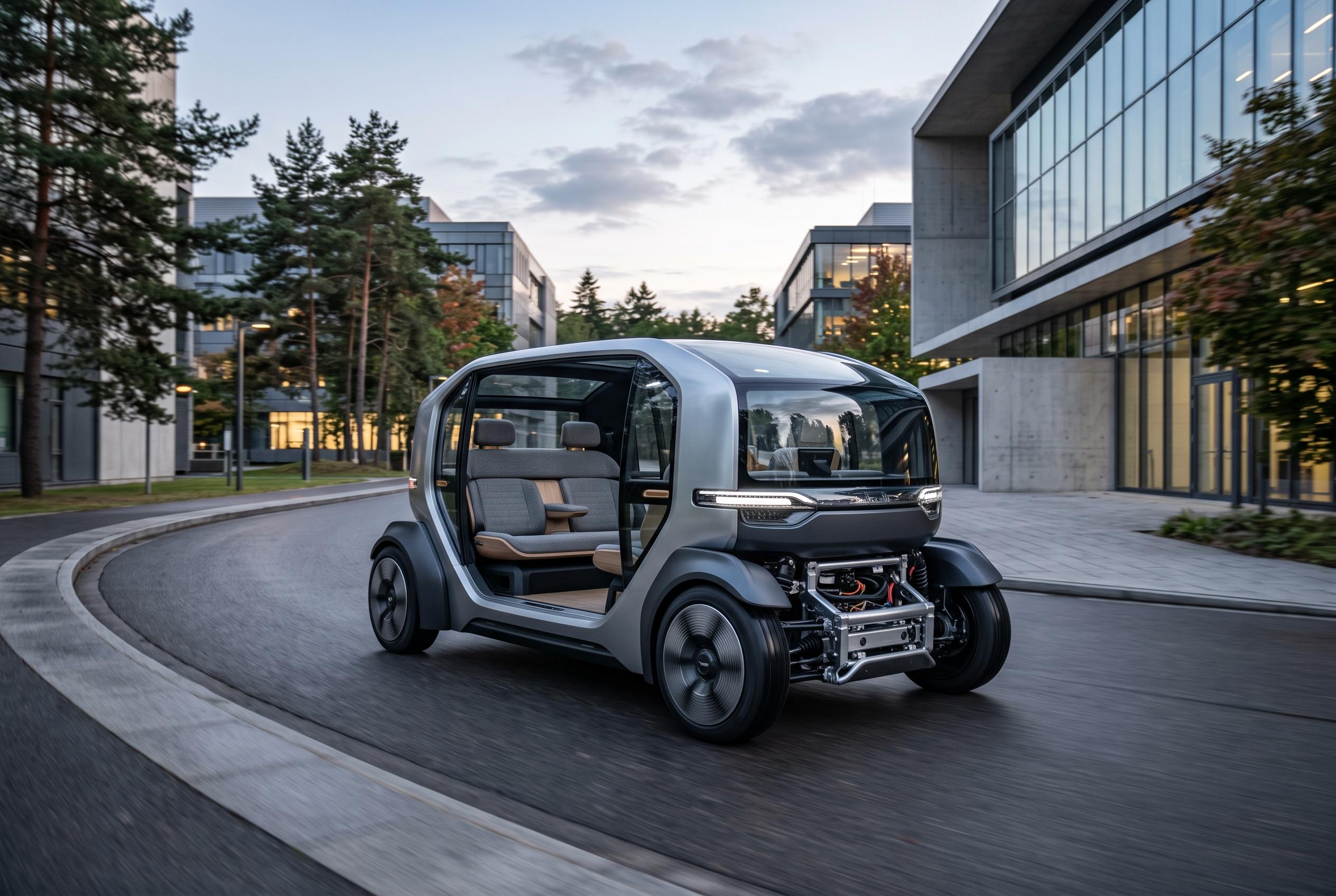
XPENG is inviting automakers worldwide to use its vehicle platforms, chips, and engineering tools, a move that could reshape how intelligent electric cars are developed. Announced at the Paris Automotive Summit, the partnership model combines XPENG's software and AI expertise with local manufacturers' design, testing, and production strengths.
XPENG is turning its technology into a partnership business
XPENG is no longer presenting its engineering know-how as something reserved for its own showrooms. Instead, the Chinese electric-vehicle maker is packaging its platforms, chips, batteries, and software as tools that other manufacturers can use, according to coverage from Wisevoter.
That makes the announcement more than a routine supplier deal. It suggests XPENG sees its future in two places at once: building vehicles under its own badge and becoming a technology partner behind other brands. For automakers trying to move faster into intelligent electric cars, that could be an appealing shortcut.
The timing also feels deliberate. Global carmakers are under pressure to improve software, autonomous-driving features, and electrical systems without carrying every cost alone. XPENG's offer arrives as a ready-made technical foundation rather than a blank sheet of paper.
What can global automakers actually access?
The package stretches across much of the modern electric vehicle. XPENG says partners can work with vehicle platforms, electrical and electronic architecture, batteries, electric powertrains, and engineering tools, according to Daily AI Brief.
It also includes the company's AI BOX, its Turing AI chip, and a physical-world foundation model. Those components point to vehicles that can interpret their surroundings, process information, and make increasingly sophisticated driving decisions. In plain English, XPENG is offering both the car's mechanical bones and much of its digital nervous system.
That breadth matters because today's vehicle development is tightly interconnected. A battery, drivetrain, software stack, and electronic architecture have to work together smoothly. A modular package could help partners avoid the familiar frustration of stitching together systems from multiple suppliers.
Why the Volkswagen collaboration matters
XPENG's existing work with Volkswagen gives the plan a useful real-world example. According to StockTitan, the arrangement combines XPENG's software and intelligent-driving capabilities with Volkswagen's vehicle engineering and testing expertise.
The division of labour is fairly easy to understand. XPENG brings experience in software-led vehicle functions and AI, while Volkswagen contributes deep knowledge of vehicle development, validation, and production standards. Neither side has to pretend it excels at everything.
That collaborative approach could become increasingly common. Traditional manufacturers have decades of experience making cars, but many are still building their software muscles. Technology companies, meanwhile, may move quickly in AI but lack the manufacturing scale and regulatory experience needed for mass-market vehicles. The most convincing products may come from pairing those strengths rather than choosing one over the other.
Could this make intelligent EV development faster?
For partners, the biggest attraction may be speed. Starting with an existing platform and engineering toolkit can reduce duplicated research and help a new electric model reach testing sooner, according to ETNet's report on the initiative.
There are trade-offs, of course. A shared technology base still needs to be adapted to a brand's styling, safety requirements, local rules, and customer expectations. The engineering work doesn't disappear; it simply shifts from inventing every system internally to integrating and refining proven components.
Brand identity will be another test. If several automakers use similar underlying technology, the visible experience inside the cabin and on the road will need to feel genuinely different. Drivers may not care who supplied the chip, but they'll notice whether the interface feels intuitive, the assistance systems behave calmly, and the car responds naturally.
XPENG is betting on collaboration, not isolation
He Xiaopeng's message at the Paris Automotive Summit was notably outward-looking. Coverage from Gasgoo's automotive news roundup placed XPENG's new intelligent-vehicle solutions business alongside a broader industry push for international technology collaboration.
That direction reflects a changing car market. Electric vehicles are increasingly software-defined, and software benefits from scale, data, and repeated improvement. Opening the platform to more partners could give XPENG additional opportunities to refine its systems while creating new commercial channels.
It also carries a quiet vote of confidence. A company is unlikely to offer its core architecture globally unless it believes that its technology can stand up across different vehicles, regulations, and driving conditions. The next question is whether enough automakers will want to build on that foundation.
For drivers, the outcome could eventually be simple: more intelligent electric vehicles arriving sooner, with better features at a wider range of prices. The machinery behind that progress, though, may look increasingly like a shared ecosystem rather than a collection of closed company projects.
It's a small shift in business strategy that could have a very visible effect on the next generation of electric cars.
Disclaimer: This article may have been created with AI assistance and reviewed by our editorial team. It is provided for general informational purposes only. Readers should verify information independently before relying on this content.
