
Download App
Better Online and Trade Show Sourcing Experiences.Scan the QR code to download.
Learn More
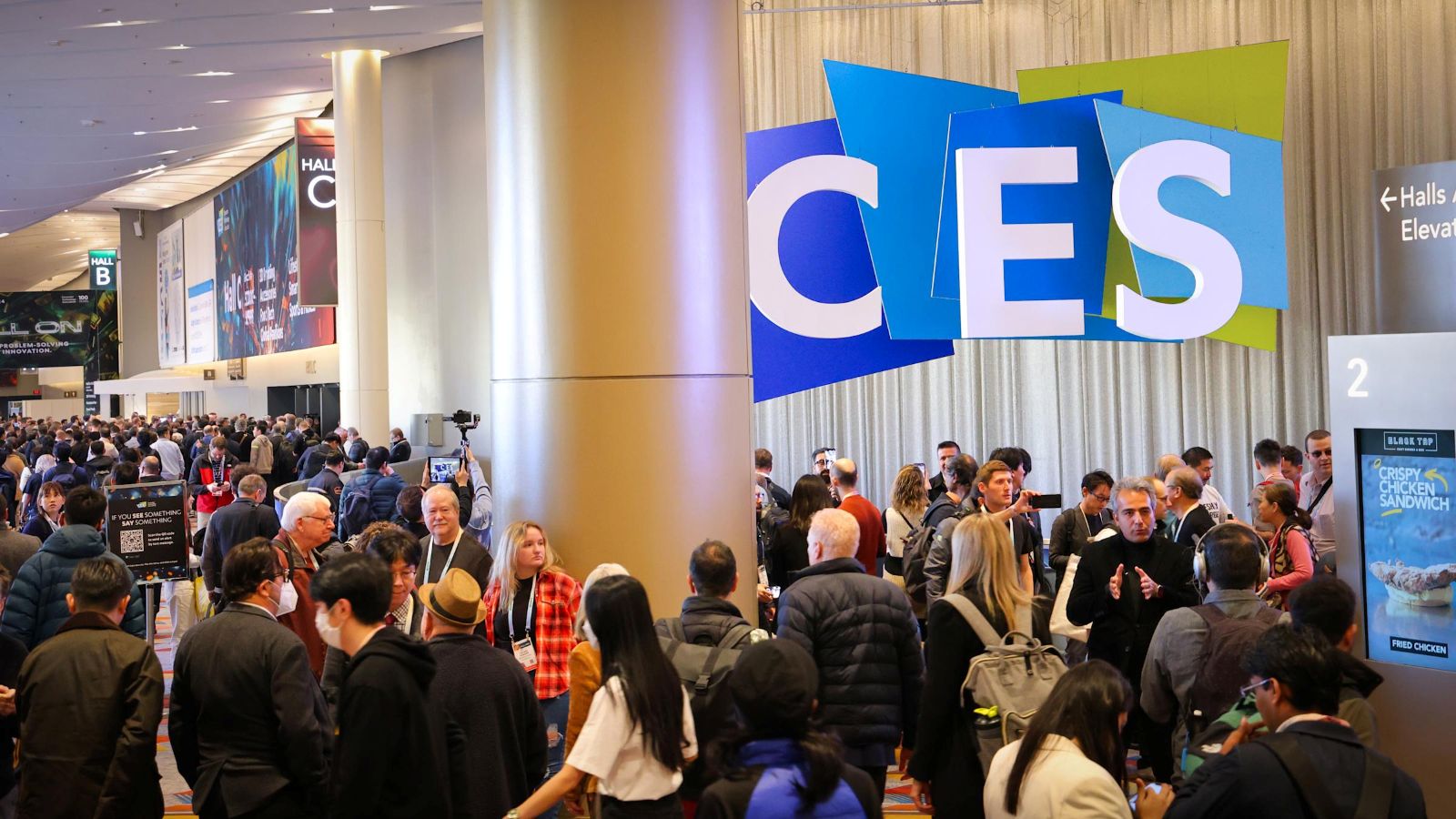
The curtains have closed on another electrifying CES trade show, leaving the global tech industry abuzz with possibilities. For product managers, buyers, and business leaders, CES 2026 was more than a spectacle of flashy gadgets; it was a definitive roadmap to the future of consumer technology. But in the wake of the inspiration, a critical question emerges: how do you translate these groundbreaking concepts into tangible, market-ready products? This article breaks down the five defining CES trends of 2026 and provides a clear, actionable pathway for moving from observation to execution, culminating in the strategic sourcing move that will separate the leaders from the observers.
The Trends: We analyze the five core innovation vectors from CES 2026: AI & Robotics, Smart Mobility, Digital Health, Smart Home & IoT, and Sustainability.
The Translation: Each trend is examined for its immediate business implications and sourcing considerations.
The Next Step: Discover why specialized B2B sourcing events, like the GlobalSources trade shows in Hong Kong, Vietnam, Indonesia, and Saudi Arabia, are the logical, essential follow-up to CES for turning vision into supply chain reality.
CES is the global staging ground for tomorrow's technology. Understanding these trends isn't about chasing hype; it's about anticipating market shifts and identifying the components, products, and partnerships that will drive your business forward. Here are the five categories that dominated the show floor and strategy sessions.
The narrative at the CES exhibition evolved from AI as a feature to AI as the foundational architecture. We saw generative AI move from the cloud into the edge of devices, enabling real-time, context-aware personalization without latency. In robotics, the shift was towards symbiotic collaboration. Think of kitchen robots that don't just follow recipes but learn dietary preferences, or retail inventory bots that predict stockouts. For sourcing, this means seeking suppliers with expertise in sensor fusion, low-power AI chipsets, and modular robotic platforms that can be adapted for specific commercial applications.
The automotive section of the CES expo has long outgrown its corner. In 2026, the focus solidified on the vehicle as a hub in a broader mobility network. Advancements in autonomous driving software were notable, but the true story was in Vehicle-to-Everything (V2X) communication and in-cabin experience. AI-powered biometric systems for safety and personalization, next-generation infotainment, and seamless integration with smart city infrastructure were everywhere. Sourcing here requires partners capable of delivering not just hardware, but complex, software-defined systems and robust electronics designed for extreme environments.
Digital health at CES 2026 moved from tracking to true intervention. Wearables now boast non-invasive, medical-grade sensors for continuous glucose monitoring, blood pressure, and even early infection detection. Paired with AI, these devices offer personalized health insights and actionable recommendations. The sourcing implication is profound, requiring a deep understanding of sensor accuracy, regulatory compliance (like FDA or CE), biocompatible materials, and secure data handling—all at a scalable cost.
The promise of a truly seamless smart home finally crystallized at this year's CES trade fair. The widespread adoption of the Matter protocol has broken down walled gardens, allowing devices from different brands to communicate effortlessly. The new frontier is context-awareness: AI that understands routines, environments, and even moods to automate spaces intuitively. Sourcing for this trend means finding manufacturers skilled in creating interoperable devices, energy-efficient connectivity modules, and designs that blend technology invisibly into daily life.
No longer a niche, sustainability was a mandatory design language across every pavilion. CES 2026 highlighted innovations in carbon-neutral manufacturing, ultra-efficient power electronics, modular devices designed for repair and upgrade, and new material science using recycled and bio-based components. For buyers, this trend translates into a sourcing mandate: partners must have transparent, verifiable supply chains, expertise in new materials, and a clear roadmap for reducing environmental impact at every production stage.
Witnessing these trends at the CES Trade Show is the exhilarating first step. The crucial, and often more challenging, second step is execution. Identifying the "what" is futile without securing the "how" and the "who." The bridge between a trend and a successful product is a reliable, innovative, and capable supply chain.
Witnessing the future at the CES Trade Show is the exhilarating first step. The crucial, and often more challenging, second step is execution. Identifying the "what" is futile without securing the "how" and the "who." The bridge between a groundbreaking trend and a successful, market-ready product is a reliable, innovative, and capable supply chain. While CES excels at showcasing the finished future in Las Vegas, the complex journey of product development requires engaging directly with the manufacturing and sourcing epicenters of the world.
This is where targeted, high-efficiency B2B sourcing events become your most strategic asset. For professionals ready to move from inspiration to inquiry, and from inquiry to order, attending specialized trade shows dedicated to volume manufacturing is the logical next move. Organizations like GlobalSources facilitate this critical phase through a series of pivotal trade fairs, with its Hong Kong flagship standing as the cornerstone of Asian sourcing.
The GlobalSources Hong Kong Shows hold a position of unparalleled significance in the global sourcing calendar. Hong Kong is not just a city; it is Asia's definitive trading hub, a neutral, world-class gateway with unparalleled access to the sophisticated supply chains of Mainland China's Greater Bay Area and advanced manufacturing ecosystems across Taiwan, Korea, and Japan. Its robust legal framework, logistics infrastructure, and international business environment make it the most efficient and secure place for high-stakes, high-volume procurement.
For a buyer acting on CES trends, these shows are the definitive operational "next stop." They transform conceptual innovation into tangible sourcing reality. Here, you move from viewing prototypes to engaging with the factories that can produce them at scale. The shows feature comprehensive, dedicated pavilions for Consumer Electronics, Mobile & Wearables, Smart Home & IoT Appliances, and Gifts & Premiums, effectively mirroring and grounding the categories spotlighted at CES. You can test production-ready devices, negotiate directly with factory owners and engineers, audit compliance certifications, and secure samples—all within a few concentrated days. It is where the visionary "possible" from CES meets the practical, executable "probable" of Asian manufacturing excellence.
While the Hong Kong shows provide a massive, centralized sourcing summit, GlobalSources' regional exhibitions offer targeted access to emerging and high-growth markets. These events are strategically vital for businesses focusing on specific geographical advantages or seeking diversified supply chains:
GlobalSources trade fair Vietnam & GEIMS Vietnam: Positioned at the heart of one of Asia's most dynamic manufacturing ascendants, these shows are key for sourcing electronics, hardware, and home goods from a fast-growing, cost-competitive supply base.
The Indonesia Show: Provides direct access to the vast and burgeoning ASEAN market, ideal for sourcing products tailored to regional preferences and for establishing partnerships within Southeast Asia's largest economy.
The Saudi Arabia Show: Serves as a critical gateway to the Middle East and North Africa (MENA) region, connecting buyers with suppliers eyeing the ambitious economic diversification and digital transformation initiatives under Saudi Vision 2030.
Together, this network of trade fairs provides a complete sourcing pathway. The Hong Kong Shows offer the scale, variety, and established supply chain depth for global product launches, while the regional events enable precise market entry strategies and supply chain diversification. For any business serious about capitalizing on CES trends, this integrated approach represents the most complete strategy for bridging inspiration with supply chain execution.
1.Prioritize: Based on the CES trends, decide which innovation aligns with your product roadmap and market opportunity.
2.Define: Create detailed technical specifications, design mockups, and target cost parameters for your project.
3.Research: Identify and plan attendance at the most relevant B2B sourcing events for your niche. Mark calendars for key GlobalSources trade shows that match your category needs.
4.Engage: Prepare for supplier meetings. Bring samples, ask detailed technical and compliance questions, and focus on building long-term partnership potential, not just securing the lowest price.
CES is the world's most influential technology innovation event, primarily serving as a global launchpad for new products, brands, and industry-shaping ideas. It targets media, investors, retailers, and industry professionals to set the agenda for the coming year, focusing more on brand exposure and trendsetting than direct B2B order-writing.
CES itself is not a sourcing or procurement event. To find manufacturers capable of producing technology inspired by CES trends, you should attend specialized B2B sourcing exhibitions. These events, such as the GlobalSources Hong Kong Shows, are designed specifically for OEM/ODM manufacturing, bulk procurement, and connecting with pre-vetted suppliers of electronics, components, and finished goods.
Absolutely. You don't need to build a self-driving car to benefit. The trickle-down effect of CES trends is rapid. A medium-sized business can leverage a new sensor technology from the Digital Health trend, integrate a new energy-saving chip from the Sustainability sector, or adopt a new IoT connectivity standard seen in Smart Home. The key is identifying which sub-trend or component can enhance your existing product line or open a new, manageable market niche.
The CES trade show is traditionally held in early January each year in Las Vegas, Nevada, USA. Specific dates and registration details for the following year are typically announced on the official CES website shortly after the conclusion of the current year's event.
GlobalSources trade fairs are highly relevant for businesses acting on CES-inspired ideas. You can source a vast array of products, including consumer electronics, smart home and IoT devices, wearable technology, automotive electronics, hardware components, and cutting-edge green tech solutions. Their shows are structured to connect you directly with the manufacturers who can produce these goods at volume, making them an ideal platform for moving from concept to commercial reality.


关注 “环球资源外贸” 官方微信,获取实时外贸资讯
