-
Upload photo
Re-upload
Accepting: jpg, png. Max file size: 10 MB
What is a Wholesaler? Understanding the Role and Benefits
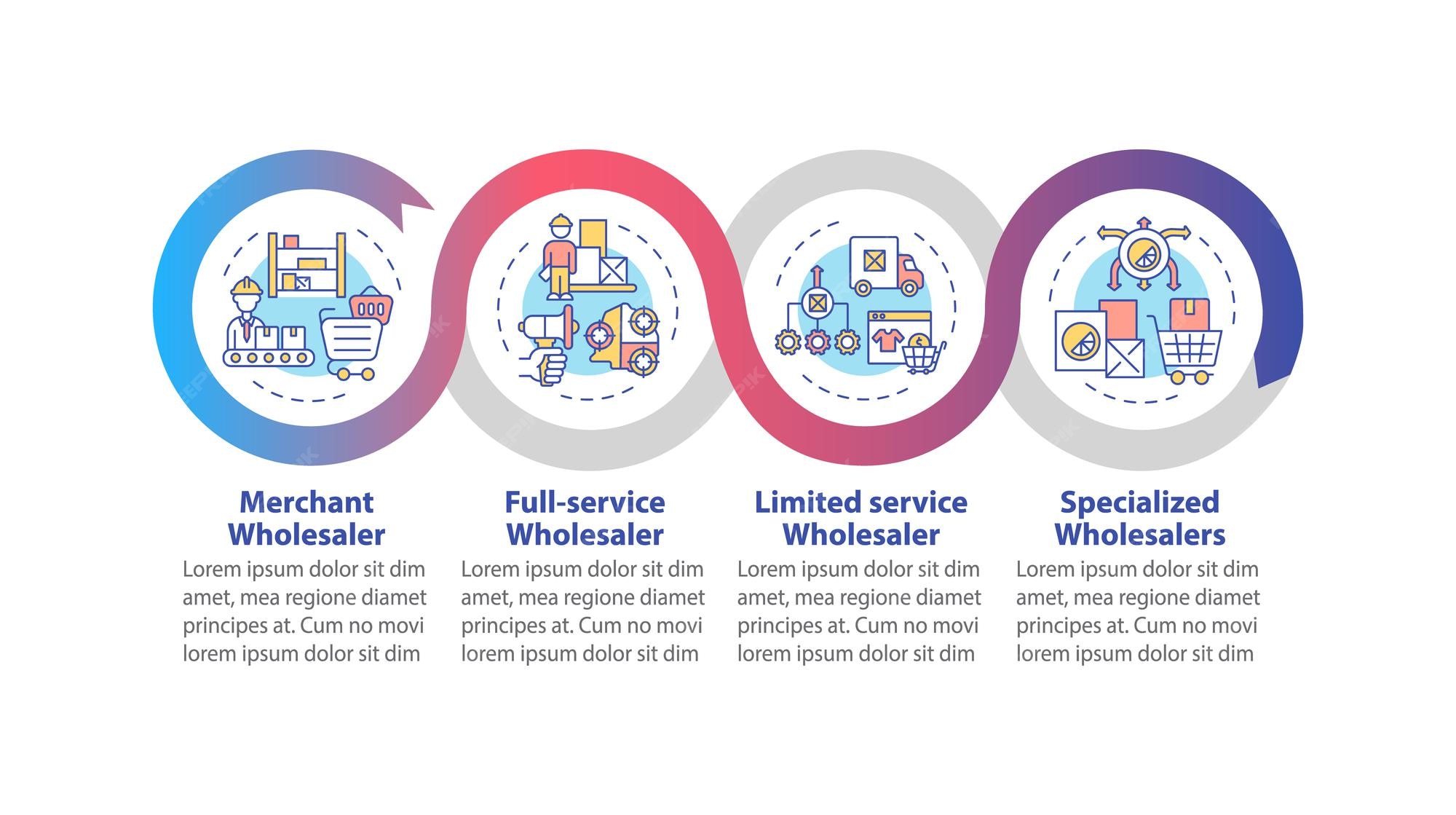
Image Source: FreeImages
In the world of commerce, wholesalers play a crucial role in the distribution of goods. But what exactly is a wholesaler and what do they do? In this comprehensive guide, we will explore the concept of wholesalers, their functions, and the benefits they offer to businesses and consumers alike.
What is Wholesale?
Wholesale refers to the process of buying products in bulk directly from manufacturers and then reselling them to retailers or businesses. Wholesalers serve as middlemen, bridging the gap between manufacturers and retailers. By purchasing goods in large quantities, wholesalers can negotiate lower prices with manufacturers, allowing them to offer competitive rates to retailers. This business model is particularly advantageous for retailers who need to purchase products in significant quantities to meet consumer demand.
A wholesaler can either sell to retailers or directly to customers, although the latter usually requires purchasing in larger quantities. For instance, popular wholesale clubs like BJ's Wholesale Club or Costco sell directly to customers, but customers are required to buy in bulk rather than purchasing individual items. This business model allows customers to save money by purchasing products at a lower price per unit.

What is a Wholesaler?
A wholesaler can be defined as a company or individual that purchases goods in large quantities from manufacturers, farmers, and other producers, and then sells them in smaller amounts to retailers and businesses. They act as intermediaries between the manufacturers and the businesses that intend to sell those products.
The primary focus of wholesalers is on business-to-business (B2B) transactions, where one company sells to another company. This distinguishes them from retailers, who primarily engage in business-to-consumer (B2C) transactions.
Types of Wholesalers
Wholesalers can be classified into different types based on their operations and the services they provide. Here are three common types of wholesalers:
- Merchant Wholesalers: Merchant wholesalers are independent businesses that handle most aspects of the wholesale process themselves. They work directly with suppliers, purchase goods in large quantities, and sell them to retailers or businesses. Examples of merchant wholesalers include wholesale car dealerships or Wholesale Amazon retailers.
- Agents, Brokers, and Commission Merchants: These wholesalers act as intermediaries between producers and retailers. They work on behalf of producers who may not have the resources or networks to sell their products directly. These wholesalers earn a commission on sales made on behalf of the producer.
- Manufacturers: Some manufacturers act as wholesalers by selling their products directly to retailers or businesses. This often occurs when a product is in high demand, and wholesalers or retailers approach the manufacturer directly.
To better understand the role of a wholesaler, let's take a closer look at the key characteristics and functions that define their operations.
Key Characteristics of Wholesalers
- Bulk Purchasing: Wholesalers buy goods in large quantities, often referred to as "buying in bulk." This allows them to take advantage of economies of scale and negotiate lower prices with manufacturers.
- Warehousing and Storage: Wholesalers store the purchased goods in warehouses until they are sold. This ensures that there is a ready supply of products available for retailers and businesses to purchase.
- Distribution and Delivery: Wholesalers are responsible for distributing the products to their customers, such as retailers and businesses. They ensure that the goods are delivered efficiently and in a timely manner.
- Pricing and Markup: Wholesalers sell products to retailers at a price known as the wholesale price. This price includes the cost of the goods plus a markup, which allows the wholesaler to make a profit.
Functions of Wholesalers
- Sourcing and Procurement: Wholesalers actively seek out manufacturers and producers to establish relationships and negotiate favorable terms for purchasing goods. They ensure a steady supply of products for retailers and businesses.
- Inventory Management: Wholesalers manage their inventory to ensure that they have the right amount of products available to meet the demands of their customers. This involves forecasting sales, monitoring stock levels, and replenishing inventory as needed.
- Sorting and Packaging: Wholesalers may reassemble, sort, repackage, or customize the products they purchase from manufacturers. This allows them to cater to the specific needs of their customers or facilitate easier distribution.
- Marketing and Sales Support: While wholesalers typically focus on B2B transactions, they may also provide marketing and sales support to retailers and businesses. This may include promotional materials, product training, or assistance with marketing campaigns.
Is Amazon a Wholesaler?
Contrary to popular belief, Amazon is not a wholesaler but an online retailer. While retailers like Amazon do sell products at a markup, wholesalers are the ones who purchase goods in bulk from manufacturers and then supply them to retailers. Amazon, like other retailers, sources its products either from wholesalers or directly from manufacturers. The main difference lies in the quantity of products purchased - wholesalers buy in large quantities, while retailers like Amazon buy smaller quantities to cater to consumer demand.
Benefits of Buying and Selling Wholesale
Benefits of Buying Wholesale
- Cost Savings: Buying products from wholesalers allows businesses to access lower prices due to bulk purchasing. This enables them to reduce their overall procurement costs and increase their profit margins.
- Greater Product Variety: Wholesalers often deal with multiple suppliers, offering a wide range of products across various categories. This allows businesses to source different products from a single wholesaler, saving time and effort.
- Smaller Order Quantities: Wholesalers, who buy in large quantities, are able to offer smaller order quantities to retailers and businesses. This is particularly beneficial for small businesses that may not have the capacity to purchase large volumes of goods.
- Quality Assurance: Wholesalers establish relationships with reputable manufacturers and suppliers. This ensures that the products they sell are of high quality, meeting the standards expected by retailers and businesses.
Benefits of Selling Wholesale
- Increased Reach: By selling products to wholesalers, businesses can extend their reach to a wider customer base. Wholesalers often have established networks and distribution channels, allowing products to reach retailers and businesses across different regions.
- Efficient Distribution: Wholesalers take on the responsibility of distributing products to retailers, allowing businesses to focus on other aspects of their operations. This streamlines the distribution process and ensures that products are delivered in a timely manner.
- Market Insights: Through their interactions with retailers and businesses, wholesalers gain valuable insights into market trends and demands. This information can help businesses make informed decisions about product development, pricing, and marketing strategies.
- Bulk Sales Opportunities: Selling products in bulk to wholesalers provides businesses with the opportunity to generate significant revenue from a single transaction. This can help increase cash flow and support business growth.
Difference Between Wholesale and Retail Price
The wholesale price refers to the price at which wholesalers sell products to retailers. This price includes the cost of the goods plus a markup, which allows the wholesaler to make a profit. The wholesale price is generally lower than the retail price, as wholesalers offer discounted prices for bulk purchases.
On the other hand, the retail price is the price at which retailers sell products to consumers. Retailers add a higher markup to the wholesale price to cover their costs, such as rent, salaries, and other overhead expenses. The retail price is higher than the wholesale price to account for the additional expenses incurred by retailers.
Differences Between a Wholesaler, Distributor, and Retailer
While wholesalers, distributors, and retailers all play important roles in the supply chain, there are distinct differences between them:
- Wholesalers: Wholesalers purchase products in large quantities from manufacturers and sell them in smaller amounts to retailers or businesses. They focus on B2B transactions and often provide services such as warehousing, sorting, and packaging.
- Distributors: Distributors work closely with manufacturers and act as intermediaries between the manufacturer and the wholesaler. They establish relationships with multiple wholesalers and coordinate the distribution of products to ensure they reach retailers in a timely manner.
- Retailers: Retailers sell products directly to consumers through physical stores or online platforms. They typically purchase products from wholesalers or distributors and add a higher markup to cover their operational costs. Retailers focus on B2C transactions and provide a range of products for individual customers.
FAQs
What do you mean by wholesaler?
A wholesaler is a type of business that operates in the distribution channel between manufacturers or producers and retailers. Wholesalers purchase goods in bulk from manufacturers or producers and then sell them in smaller quantities to retailers or other businesses. They act as intermediaries between manufacturers and retailers, helping to bridge the gap between the two parties.
Wholesalers play a crucial role in the supply chain process. They help manufacturers or producers to distribute their products efficiently and effectively. By purchasing goods in large quantities, wholesalers can obtain competitive pricing from manufacturers. This allows manufacturers to offload their products efficiently and wholesalers to obtain competitive pricing.
Once the wholesalers have purchased the goods, they store them in large warehouses or distribution centers. They manage inventory levels, ensuring a steady supply of products to meet the demand of retailers. Wholesalers use various inventory management techniques to ensure that the products are stored correctly and are in good condition.
Wholesalers also engage in packaging or repackaging activities, especially for products that require bulk packaging or customization for retailers' needs. This can involve repackaging bulk items into smaller quantities, creating custom packaging for specific retailers, or bundling products together to create promotional packages.
Wholesalers process orders from retailers and prepare them for shipment or pickup. They ensure accurate picking, packing, and labeling of products to facilitate smooth delivery to retailers. Wholesalers may also provide additional services such as transportation, logistics, and warehousing to help retailers manage their supply chain more efficiently.
Wholesalers typically offer discounted prices due to the bulk quantities they purchase. This allows retailers to purchase goods at a lower cost than if they were to purchase them directly from the manufacturer. Retailers can then sell these products at a higher price to cover their operational costs and generate profit.
Wholesalers are essential to the success of many businesses, particularly small businesses that may not have the resources or buying power to purchase goods directly from manufacturers. Wholesalers provide a valuable service by purchasing goods in large quantities, storing them, and distributing them to retailers in smaller quantities. This allows manufacturers to focus on producing goods, while retailers can focus on selling them to individual consumers.
In summary, a wholesaler is a business that purchases goods in bulk from manufacturers or producers and sells them in smaller quantities to retailers or other businesses. They play a crucial role in the supply chain process by helping manufacturers distribute their products efficiently and effectively. Wholesalers offer discounted prices due to the bulk quantities they purchase, which allows retailers to purchase goods at a lower cost and generate profit by selling them at a higher price.
What is an example of a wholesaler?
An example of a wholesaler is Global Sources. Global Sources is a leading business-to-business (B2B) media company that operates as a wholesale marketplace connecting suppliers and buyers from around the world. They specialize in facilitating trade between manufacturers, wholesalers, and retailers across various industries.
Global Sources operates an online platform where suppliers can showcase their products and connect with potential buyers. They offer a wide range of product categories, including consumer electronics, fashion and accessories, home and kitchen appliances, machinery, and more. Buyers, including retailers, wholesalers, and distributors, can browse through the platform to find suppliers and products that meet their specific needs.
One of the key features of Global Sources is their trade shows. They organize large-scale trade shows and exhibitions in different countries, bringing together suppliers and buyers in a face-to-face setting. These events provide an opportunity for businesses to showcase their products, negotiate deals, and build relationships with potential partners.
Global Sources also provides additional services to facilitate the sourcing and procurement process. They offer supplier verification services to ensure that the suppliers listed on their platform are legitimate and trustworthy. They also provide product inspection and quality control services to help buyers ensure that the products they purchase meet their quality standards.
Another example of a wholesaler is Wholesale Central. Wholesale Central is an online directory and marketplace that connects wholesalers with retailers and other businesses. They offer a wide range of product categories, including apparel, electronics, home goods, jewelry, and more.
Wholesale Central allows retailers to search for wholesalers by product category or keyword. They provide detailed information about each wholesaler, including contact information, product offerings, minimum order requirements, and pricing. Retailers can directly contact wholesalers through the platform to inquire about products, negotiate prices, and place orders.
Wholesale Central also features a trade show directory, listing upcoming trade shows and exhibitions where wholesalers can showcase their products. This allows retailers to attend these events and connect with wholesalers in person.
These examples demonstrate how companies like Global Sources and Wholesale Central operate as intermediaries in the wholesale market. They provide platforms and services that facilitate the connection between suppliers and buyers, making it easier for businesses to source products at wholesale prices.
Wholesalers like Global Sources and Wholesale Central play a crucial role in the supply chain by bridging the gap between manufacturers or producers and retailers or other businesses. They enable retailers to access a wide range of products from various suppliers without having to establish individual relationships with each one.
By leveraging technology and providing comprehensive platforms for sourcing and trade facilitation, companies like Global Sources and Wholesale Central contribute to the efficiency and effectiveness of the wholesale market. They enable businesses to connect, negotiate deals, and establish partnerships on a global scale, ultimately supporting the growth and success of both suppliers and buyers in the wholesale industry.
What is a wholesaler and retailer?
A wholesaler and a retailer are both types of businesses involved in the distribution of goods, but they operate in different parts of the supply chain and have different business models.
A wholesaler is a type of business that purchases goods in bulk from manufacturers or producers and sells them in smaller quantities to retailers or other businesses. Wholesalers act as intermediaries between manufacturers and retailers, helping to bridge the gap between the two parties. Wholesalers typically operate large warehouses or distribution centers where they store the purchased goods. They then sell these goods to retailers, who in turn sell them to individual consumers.
Wholesalers play a crucial role in the supply chain process. They help manufacturers or producers to distribute their products efficiently and effectively. By purchasing goods in large quantities, wholesalers can obtain competitive pricing from manufacturers. This allows manufacturers to offload their products efficiently and wholesalers to obtain competitive pricing. Once the wholesalers have purchased the goods, they store them in large warehouses or distribution centers. They manage inventory levels, ensuring a steady supply of products to meet the demand of retailers.
Retailers, on the other hand, are businesses that purchase goods from wholesalers or directly from manufacturers and sell them to individual consumers. Retailers focus on selling to end consumers rather than businesses. They typically operate storefronts or online stores where consumers can purchase products directly.
Retailers play a critical role in the supply chain by providing individuals with access to a wide range of products. They offer a diverse selection of goods, including clothing, electronics, food, and more. Retailers also provide additional services such as customer support, returns, and exchanges to ensure that consumers are satisfied with their purchases.
In summary, a wholesaler is a business that purchases goods in bulk from manufacturers or producers and sells them in smaller quantities to retailers or other businesses. Retailers, on the other hand, are businesses that purchase goods from wholesalers or directly from manufacturers and sell them to individual consumers. Both wholesalers and retailers play important roles in the distribution of goods and help ensure that products are efficiently and effectively distributed throughout the supply chain.
Is a wholesaler the same as a retailer?
No, a wholesaler is not the same as a retailer. While both are involved in the distribution of goods, they operate in different parts of the supply chain and have different business models.
A wholesaler purchases goods in bulk from manufacturers or producers and sells them in smaller quantities to retailers or other businesses. They act as intermediaries between manufacturers and retailers, helping to bridge the gap between the two parties. Wholesalers typically operate large warehouses or distribution centers where they store the purchased goods. They then sell these goods to retailers, who in turn sell them to individual consumers.
On the other hand, a retailer purchases goods from wholesalers or directly from manufacturers and sells them to individual consumers. Retailers focus on selling to end consumers rather than businesses. They typically operate storefronts or online stores where consumers can purchase products directly.
Wholesalers and retailers also have different pricing models. Wholesalers offer discounted prices due to the bulk quantities they purchase. This allows retailers to purchase goods at a lower cost than if they were to purchase them directly from the manufacturer. Retailers can then sell these products at a higher price to cover their operational costs and generate profit.
In summary, while both wholesalers and retailers are involved in the distribution of goods, they operate in different parts of the supply chain and have different business models. Wholesalers purchase goods in bulk from manufacturers or producers and sell them in smaller quantities to retailers or other businesses, while retailers purchase goods from wholesalers or directly from manufacturers and sell them to individual consumers.
What is the role of a wholesaler?
The role of a wholesaler is multifaceted and crucial in the supply chain process. Some key roles and functions of wholesalers include:
a) Purchasing: Wholesalers negotiate with manufacturers or producers to purchase goods in large volumes at discounted prices. This allows manufacturers to offload their products efficiently and wholesalers to obtain competitive pricing.
b) Inventory Management: Wholesalers maintain large warehouses or distribution centers to store the purchased goods. They manage inventory levels, ensuring a steady supply of products to meet the demand of retailers.
c) Packaging and Repackaging: Wholesalers may engage in packaging or repackaging activities, especially for products that require bulk packaging or customization for retailers' needs.
d) Order Fulfillment: Wholesalers process orders from retailers and prepare them for shipment or pickup. They ensure accurate picking, packing, and labeling of products to facilitate smooth delivery to retailers.
e) Logistics and Distribution: Wholesalers handle the logistics and transportation of goods from their warehouses to the retailers' locations. They may utilize their own fleet or work with third-party logistics providers to ensure timely and efficient delivery.
f) Market Insights: Wholesalers have a deep understanding of market trends, consumer preferences, and product demand. They act as a source of market intelligence, providing valuable information to both manufacturers and retailers.
g) Financing and Credit: Wholesalers often extend credit terms to retailers, allowing them to purchase goods on credit and pay later. This helps retailers manage their cash flow and inventory levels effectively.
h) Relationship Building: Wholesalers build strong relationships with both manufacturers and retailers. They act as a link between these parties, fostering collaboration, trust, and long-term partnerships.
Final Thoughts
In conclusion, wholesalers play a vital role in the supply chain by connecting manufacturers and producers with retailers and businesses. They offer benefits such as cost savings, greater product variety, and efficient distribution. Understanding the differences between wholesalers, distributors, and retailers is essential for businesses looking to navigate the complex world of commerce effectively. Whether you are a business looking to buy wholesale or a manufacturer considering selling directly to retailers, wholesalers provide a valuable service that drives the economy forward.
People Also Like
What Does a Wholesaler Buyer Do and Why Are They Important?
International Trade City & Wholesale Market - Yiwu Zhejiang
Made in China 101: Top 10 Wholesale Markets in China
TOP 20 Replica Designer Clothing Wholesale Websites from China
10 Wholesale Price Items to Buy In Bulk and Sell Individually in 2023
What is a Wholesaler? Understanding the Role and Benefits
How to Buy Wholesale Without a Business
How to Find China Wholesale Suppliers
China Wholesale Website
10 Wholesale Distribution Industry Trends for 2023 and Beyond
Finding the Best Wholesale Websites
How to Become a Wholesale Distributor
Manufacturers vs. Distributors vs. Wholesalers vs. Retailers
How to Buy Cheap Wholesale Products to Resell
Source the latest products from verified suppliers via global sourcing platform, and subscribe to our magazines for more in-depth insights and product discovery.
Join the Smart China Sourcing Facebook Group
- Connect with other buyers
- Ask questions
- Get advice from experts