




Key Features to Look for in Squash Goggles
Squash, a high-speed racket sport played within four walls, demands not just skill and strategy but also essential protective gear, with goggles being paramount. These specialized goggles are designed to protect players' eyes from the ball and racket, both of which can cause serious injury. However, not all squash goggles are created equal. To ensure maximum protection and comfort during play, there are several key features to consider when choosing the right pair. Here's an introduction to the essential characteristics of squash goggles that can enhance your game by ensuring safety, comfort, and uninterrupted play.
Material and Durability: The Importance of Polycarbonate Lenses
When it comes to the material of squash goggles, polycarbonate lenses stand out for their superior durability and impact resistance. This material is known for its ability to withstand high-speed impacts without shattering, making it an ideal choice for protecting your eyes during an intense game of squash. Polycarbonate is also lightweight, adding to the comfort of wearing goggles for extended periods. Its inherent strength does not compromise clarity, ensuring that players have unimpaired vision throughout the game. Opting for polycarbonate lenses means choosing a blend of safety, durability, and visual clarity that is hard to beat.
Comfort and Fit: Adjustable Straps, Padding, and Ergonomic Design
Comfort and fit are crucial when selecting squash goggles. A pair that fits well will stay in place during rapid movements and lunges, ensuring that your focus remains on the game. Look for goggles with adjustable straps that allow you to customize the fit according to your head size and shape. Padding around the frame can significantly enhance comfort, reducing the pressure points on your face. Additionally, an ergonomic design that contours to the shape of your face can prevent the goggles from sliding down or moving, providing a secure fit that doesn't distract from your performance on the court.
Anti-fog and Scratch-resistant Properties: Ensuring Clear Vision Throughout the Game
A common challenge faced by squash players is maintaining clear vision as the intensity of the game increases. Goggles can fog up due to sweat and humidity, obscuring vision and potentially affecting performance. Therefore, selecting goggles with anti-fog properties is essential. Some goggles are treated with anti-fog coatings or designed with ventilation systems that minimize the risk of fogging. Scratch-resistant coatings are also beneficial, as they protect the lenses from damage caused by falls or contact with the racket and ball. These features ensure that your vision remains clear, allowing you to react swiftly and accurately during play.
Certification and Standards: The Importance of Choosing Goggles That Meet Official Safety Standards
Safety should be the top priority when choosing squash goggles. It's crucial to select a pair that meets official safety standards set by sports and health organizations. These certifications indicate that the goggles have been tested and proven to provide adequate eye protection in the fast-paced environment of a squash game. Look for goggles that are approved by relevant sporting bodies or meet international safety standards. This not only ensures that you are adequately protected but also that the goggles are likely to be accepted in competitions and clubs that require players to wear certified protective gear.
In conclusion, investing in a quality pair of squash goggles is essential for anyone serious about playing the sport safely and effectively. By focusing on key features such as material and durability, comfort and fit, anti-fog and scratch-resistant properties, and certification and standards, you can choose goggles that not only protect your eyes but also enhance your playing experience. Remember, the right pair of goggles can make a significant difference in your performance on the court, ensuring that you play at your best while minimizing the risk of injury.
Top 10 Squash Goggles Brands and Models
Squash is a dynamic and fast-paced sport that demands not only skill and strategy but also the utmost attention to safety. Among the essential pieces of protective gear for squash players, goggles stand out as crucial for preventing eye injuries, which can occur from a direct hit by the ball or racket. The market for squash goggles offers a variety of choices, with several brands competing to provide the best combination of protection, comfort, and visibility. This comprehensive introduction will navigate through the top 10 squash goggles brands and models, providing an overview of leading brands, a comparative analysis of popular models highlighting their unique features, pros, and cons, and insights into their price range and where to purchase them.
Leading Brands in the Market
The squash goggles market is diverse, with each brand bringing its own strengths to the table. Here are some of the top brands known for their quality and innovation:
- Prince: A longstanding favorite among squash players for its reliable protection and comfortable fit.
- Dunlop: Known for durable products that offer excellent visibility and comfort.
- Head: Offers high-quality goggles that combine functionality with style.
- Wilson: A brand that stands out for its lightweight and impact-resistant goggles.
- Tecnifibre: Focuses on providing superior comfort and anti-fog technology.
- Harrow: Known for their stylish designs and superior protection.
- Black Knight: Offers goggles with outstanding durability and clarity.
- Ektelon: A brand that emphasizes on comfort and optimal visibility.
- iMask: Unique for providing full-face protection without direct eye contact with the goggles.
- RIA Eyewear: Stands out for its high-performance eyewear that prioritizes clarity and minimal distortion.
See OEM and private label suppliers offering similar products:
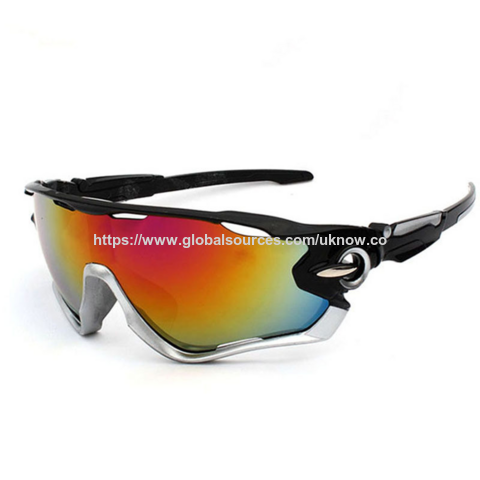
Sports goggles, Outdoor glasses, sports men's Sunglasses, cycling glasses, sunglasses
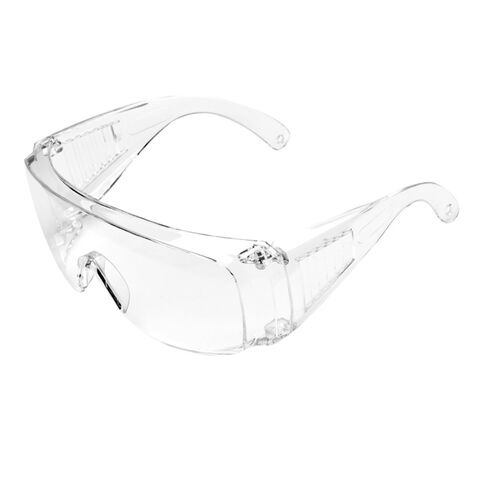
Wholesale anti-fog anti dust protective eyewear safety Squash Goggles
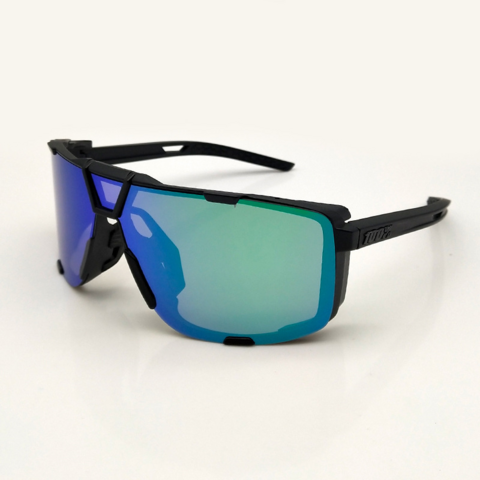
Riding Cycling Sunglasses Mtb Polarized Sports Cycling Glasses Goggles Bicycle Mountain Bike Glasses
Comparative Analysis of Popular Models
Each of these brands has one or more models that have become popular among squash players. Here's a closer look at some of these models, highlighting their unique features, pros, and cons:
Prince Pro Lite II
- Features: Lightweight, anti-fog lenses, and comfortable fit.
- Pros: Excellent visibility and protection; suitable for all levels of play.
- Cons: Some users report durability issues over extensive use.
Dunlop I-Armor
- Features: Ergonomic design, adjustable strap, and anti-fog coating.
- Pros: High level of comfort and robust construction.
- Cons: Bulkier design may not appeal to all players.
Head Impulse
- Features: Sleek design, lightweight frame, and anti-scratch lenses.
- Pros: Good fit for most face shapes; affordable price point.
- Cons: Some players may find the lenses fog up in humid conditions.
Wilson Omni
- Features: Compact design, cushioned nose bridge, and ventilation holes to prevent fogging.
- Pros: Offers a snug fit without slipping; suitable for juniors and adults.
- Cons: Limited color options available.
Tecnifibre Absolute Squash Eyewear
- Features: Anti-fog and anti-scratch lenses, adjustable headband.
- Pros: Provides clear vision and stays in place during play.
- Cons: Higher price point compared to some other brands.
Harrow Covet
- Features: High-impact polycarbonate lenses, silicone pads for comfort.
- Pros: Stylish design with excellent eye protection.
- Cons: Some users find them slightly heavier than other models.
Black Knight Guardian AV
- Features: Adjustable strap, airflow design to reduce fogging.
- Pros: Durable and offers good visibility.
- Cons: Design might not fit all face sizes comfortably.
Ektelon Strobe
- Features: Lightweight design, vented lenses to prevent fogging.
- Pros: Comfortable for long periods of play; affordable.
- Cons: Durability issues have been reported by some users.
iMask Full Face
- Features: Full-face coverage without direct eye contact, wide field of vision.
- Pros: Maximum protection; does not interfere with vision.
- Cons: More expensive and bulkier than traditional goggles.
RIA Eyewear Squash Glasses
- Features: High-definition lenses, lightweight design.
- Pros: Enhances clarity and minimizes distortion; stylish looks.
- Cons: Premium pricing compared to other options.
Price Range and Where to Buy
The price range for squash goggles can vary significantly depending on the brand, model, and features offered. Entry-level models can start as low as $15-$30, providing basic protection and comfort. Mid-range models typically fall between $30-$60, offering better durability, anti-fog features, and improved design elements for comfort and visibility. High-end models, particularly those offering advanced technology or full-face protection, can range from $60 to over $100.
Squash goggles are widely available for purchase through several channels. Specialty sports stores often carry a range of goggles, allowing customers to try them on before buying. Online retailers, such as Amazon, SquashGear, and DirectSquash, offer extensive selections and competitive pricing. Additionally, many brands sell directly through their websites, providing access to the latest models and brand-specific promotions.
Choosing the right squash goggles is essential for safety and performance on the court. With numerous options available, players can select goggles that best fit their needs, preferences, and budget. By considering the unique features, pros, and cons of popular models from leading brands, squash enthusiasts can make an informed decision, ensuring they enjoy the game with the utmost protection and comfort. Whether you're a beginner or a seasoned player, investing in a quality pair of squash goggles is a wise decision for your overall eye health and game performance.
How to Properly Wear and Care for Your Squash Goggles
Wearing and caring for your squash goggles correctly is crucial for both safety and comfort during play. Here’s a step-by-step guide on how to properly wear, maintain, and know when to replace your squash goggles:
How to Wear Squash Goggles
- Adjust the Strap: Before putting on the goggles, adjust the strap to ensure it's neither too tight nor too loose. A snug fit is crucial to keep the goggles in place during rapid movements.
- Position Correctly: Place the goggles over your eyes, ensuring that the padding sits comfortably against your face. The goggles should cover your eyes completely without any gaps.
- Check the Fit: The goggles should sit evenly on your face with the strap parallel to the ground. They shouldn't press uncomfortably against your nose or any part of your face.
- Final Adjustments: After putting them on, make any necessary adjustments to the strap or position to ensure they feel secure and comfortable.
Tips for Cleaning and Maintenance
- Regular Cleaning: Clean your goggles after every use with a soft, dry cloth to remove sweat and oils that can degrade the materials over time.
- Avoid Harsh Chemicals: Use only water or eyewear cleaning solutions designed for anti-fog coatings. Avoid using abrasive cleaners or cloths that can scratch the lenses.
- Storage: Store your goggles in a protective case to avoid scratches or damage when not in use. Avoid leaving them in direct sunlight or in hot areas, as this can warp the frame or lens.
- Anti-Fog Treatment: If your goggles fog up during play, consider applying an anti-fog solution according to the manufacturer's instructions. This can help maintain clear vision throughout your game.
When to Replace Your Goggles
- Visible Damage: Inspect your goggles regularly for any cracks, deep scratches, or frame damage. Compromised integrity can significantly reduce protection.
- Lens Wear: If the lenses are heavily scratched or the anti-fog coating has worn off, it’s time for a replacement. Clear vision is essential for safety and performance.
- Fit Changes: If the goggles no longer fit well due to stretched straps or warped frames, replacing them is necessary to ensure they stay in place during play.
- Manufacturer’s Recommendation: Follow any specific advice from the manufacturer regarding the lifespan and replacement of your goggles.
By following these guidelines, you can ensure your squash goggles provide optimal protection and comfort while extending their lifespan. Regular maintenance and timely replacement are key to keeping your eyes safe on the court.

