




Electric vehicle charging stations are a core part of the global transition toward cleaner transportation. As governments, automakers, energy companies and consumers shift away from internal combustion engine vehicles, charging infrastructure has become just as important as the vehicles themselves. Without convenient, reliable and widely available charging stations, electric vehicle adoption cannot reach its full potential.
Today, the EV charging industry is expanding rapidly across residential, commercial, highway, fleet and public charging applications.
Market trends
Electric vehicle sales continue to grow in major regions including China, Europe, North America, Southeast Asia and the Middle East. As more EVs take to the roads, demand for both private and public chargers rises. Governments are supporting this growth through subsidies, tax incentives, emissions regulations and infrastructure investment programs.
Public charging networks are becoming more important. In the early stages of EV adoption, many drivers charged vehicles at home. However, as EV ownership expands to apartment residents, taxi fleets, delivery companies and long-distance travelers, public and semipublic charging stations are essential. Shopping centers, office buildings, hotels, parking lots, fuel stations and highway service areas are increasingly installing EV chargers to attract customers while supporting their sustainability goals.
Fast charging is gaining momentum. Consumers want charging that is closer to refueling a gasoline vehicle. This has increased investment in DC fast and ultrafast charging stations. At the same time, grid capacity, energy storage and load management are becoming key concerns. Operators are looking for smarter systems that can balance charging demand, reduce electricity costs and prevent grid overload.
Another major trend is the integration of renewable energy and energy storage. Solar-powered charging stations, battery-buffered fast chargers and vehicle-to-grid technologies are becoming more common. These solutions can reduce peak power demand and improve the environmental value of EV charging. Digital platforms are also transforming the market, with charging apps, payment systems, remote monitoring and data analytics becoming standard features.
AC and DC charging stations
AC charging stations are the most common type of EV chargers, especially for homes, workplaces, hotels, residential communities and long-stay parking areas. Although typically slower than DC counterparts, they are more affordable, easier to install and suitable for daily charging. Common AC charging power levels include 3.5, 7, 11 and 22kW, with a 7kW unit widely used for overnight charging. Meanwhile, 11 and 22kW versions are often used in commercial or three-phase power environments.
Since most vehicles remain parked for several hours at home or work, AC charging is practical and economical. For businesses, these chargers can also serve as a value-added service for employees, residents or customers.
DC charging stations are designed for faster charging. Unlike AC types, they convert power and deliver direct current to the battery, bypassing the vehicle’s onboard charger and allowing much higher charging power.
DC chargers are commonly used in highway service areas, urban fast-charging hubs, taxi and bus depots, logistics fleets and commercial charging networks. Typical power levels include 30, 60, 120, 180, 240kW and higher, with ultrafast chargers exceeding 350kW depending on vehicle capability and grid conditions.
DC fast chargers can add significant driving range in a short time, making them ideal for drivers who need quick turnaround. However, they are more expensive than AC units and require stronger electrical infrastructure. Installation may involve transformers, high-capacity cables, cooling systems and grid approval. For this reason, DC charging projects require careful planning, especially in locations with limited power capacity.
Smart charging stations
A smart charging station enables remote control, monitoring, billing, user authentication and energy management. Features include RFID access, mobile app control, QR code payment, dynamic load balancing, scheduled charging, remote firmware updates, fault diagnosis and charging data reports.
For commercial operators, these functions help improve efficiency and reduce operating costs. For property managers, smart load balancing is especially valuable because it allows multiple chargers to share available electrical capacity safely.
China’s pursuit of EV charging technologies
Major technological breakthroughs have been achieved in traction batteries globally, including in China. BYD’s new-generation Blade Battery can reportedly be charged from 10 to 70 percent capacity in just 5 minutes and to 95 percent in 9 minutes. Even in harsh environments with temperatures as low as -30 C, charging is extended by only about 3 minutes compared to time needed under normal conditions.
These advances in traction battery technology have created corresponding demand for EV charging stations with higher power, faster charging capability and greater reliability. Developed especially for its Blade Battery technology, BYD has released EV charging stations that support charging power of up to 1,500kW from a single charging plug, which the company claims to be the highest level achieved worldwide to date. BYD plans to install 20,000 new EV charging stations across China by the end of 2026.
Meanwhile, smart EV charging stations are expected to become the mainstream products offered by Chinese manufacturers. These can be controlled and managed via various connectivity options. An example is Regital’s EE-ACH101-11-2EX-RW-09, which supports Wi-Fi, Bluetooth, 4G and Ethernet, as well as OCPP 1.6 and a smart app. These features allow users to monitor charging status and reduce charging costs. The model has built-in protection from over- and undervoltage, overcurrent, -charging and -temperature as well as earth leakage and short circuits.
Steadily rising demand
Chinese suppliers are actively expanding production capacity to meet rising demand from both domestic and overseas markets. Nanjing Kunzhou has invested $16.66 million in a new project in Lishui, Jiangsu province. Covering a total area of 7,460sqm, the facility is scheduled to have begun full operation in mid-2026. It will be able to turn out 1,350 AC EV charging stations and 1,985 DC EV charging stations annually, with total production value exceeding $27.77 million.
As one of the world’s largest markets for EV charging stations, China is expected to reach a total sales value of $6.588 billion in 2032 from $3.162 billion in 2024 or at a CAGR of 9.24 percent, Deep Insight Research (DIRsearch). In terms of sales volume, this translates to 4.2 million units in 2024 to 13.8 million in 2032 for a CAGR of 18.12 percent.
Meanwhile, the National Development and Reform Commission has issued a plan to triple the country’s EV charging facilities, targeting 28 million new installations by the end of 2027.
Coastal hubs
There are hundreds of EV charging station manufacturers in China, most of which are small and medium-sized domestic companies. Leading suppliers include TGOOD, BYD, Sunwoda and StarCharge, with many first-tier suppliers competing globally with high price-performance ratio and strong service capabilities.
Coastal areas in the south and the east are the country’s main production bases. In particular, more than half of the manufacturers are concentrated in the south, including Guangdong and Fujian. Major cities include Shenzhen, Dongguan, Zhongshan and Guangzhou. In the east, key manufacturing cities include Suzhou, Changzhou, Ningbo and Hangzhou.
Central China has also attracted many manufacturers due to its lower operating costs. More new entrants are expected to join the market in the coming years as demand continues to grow. At the same time, intensified competition is likely to eliminate some smaller manufacturers.
China-made EV charging stations
Mainstream China-made EV charging stations are divided into DC and AC types, with waterproof ratings of IP54 and above. DC units range from 30 to 640kW, while AC counterparts are from 3.5 to 22kW. These products are equipped with multiple protection features, covering overload, -voltage, -current, -temperature, leakage-current and lightning conditions.
Customization is widely practiced, with such orders accounting for 30 to 60 percent of shipments.
Manufacturers ensure compliance with safety standards such as UL, CE, CQC and RoHS.
Key components used in EV charging stations include control and power modules, cooling systems, wire harnesses, charging plugs, LCD screens and housings. These are sourced from domestic or overseas companies depending on customers’ preferences.
Input costs have remained relatively stable over the past year, so most manufacturers have not made significant price adjustments. Some have slightly lowered prices due to intense competition. Similar cost and pricing trends are expected to continue throughout 2026.
Here is a selection of EV charging stations from China.
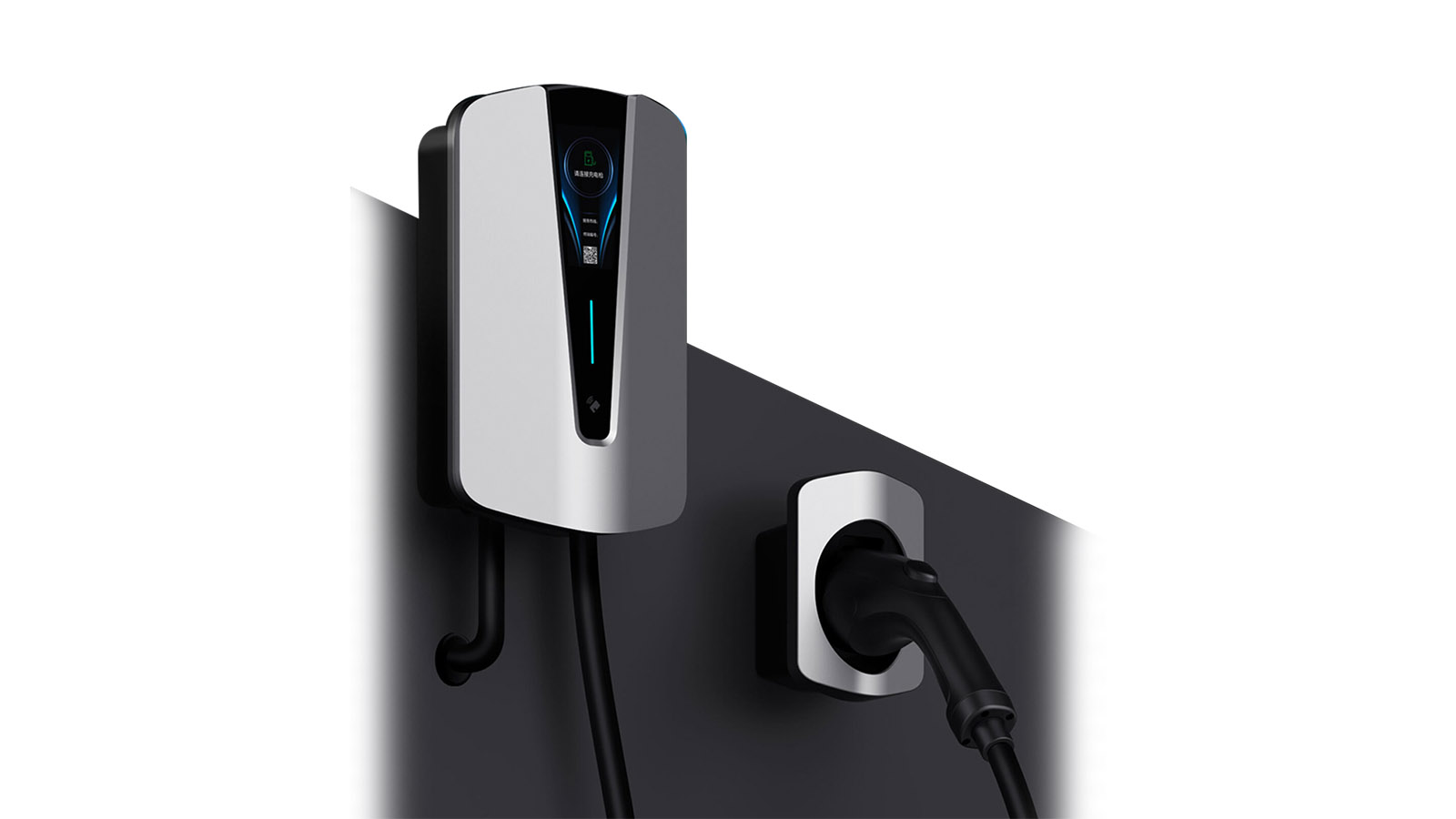
7, 11, 22W EV charging station
Company: Greenwattz Technology Co. Ltd
This EV charging station from Greenwattz, model GW8, has 230, 240 or 400VAC rated voltage, 50/60Hz frequency, 16, 32 or 48A rated current and 7, 11 or 22W rated power. It has built-in over- and undervoltage, overcurrent, -temperature, short-circuit, lightning and ground protection. This IP55-rated unit, with -30 to 50 C operating temperature, meets CE, FCC and RoHS requirements.
MOQ: 10 units
Lead time: 20 days
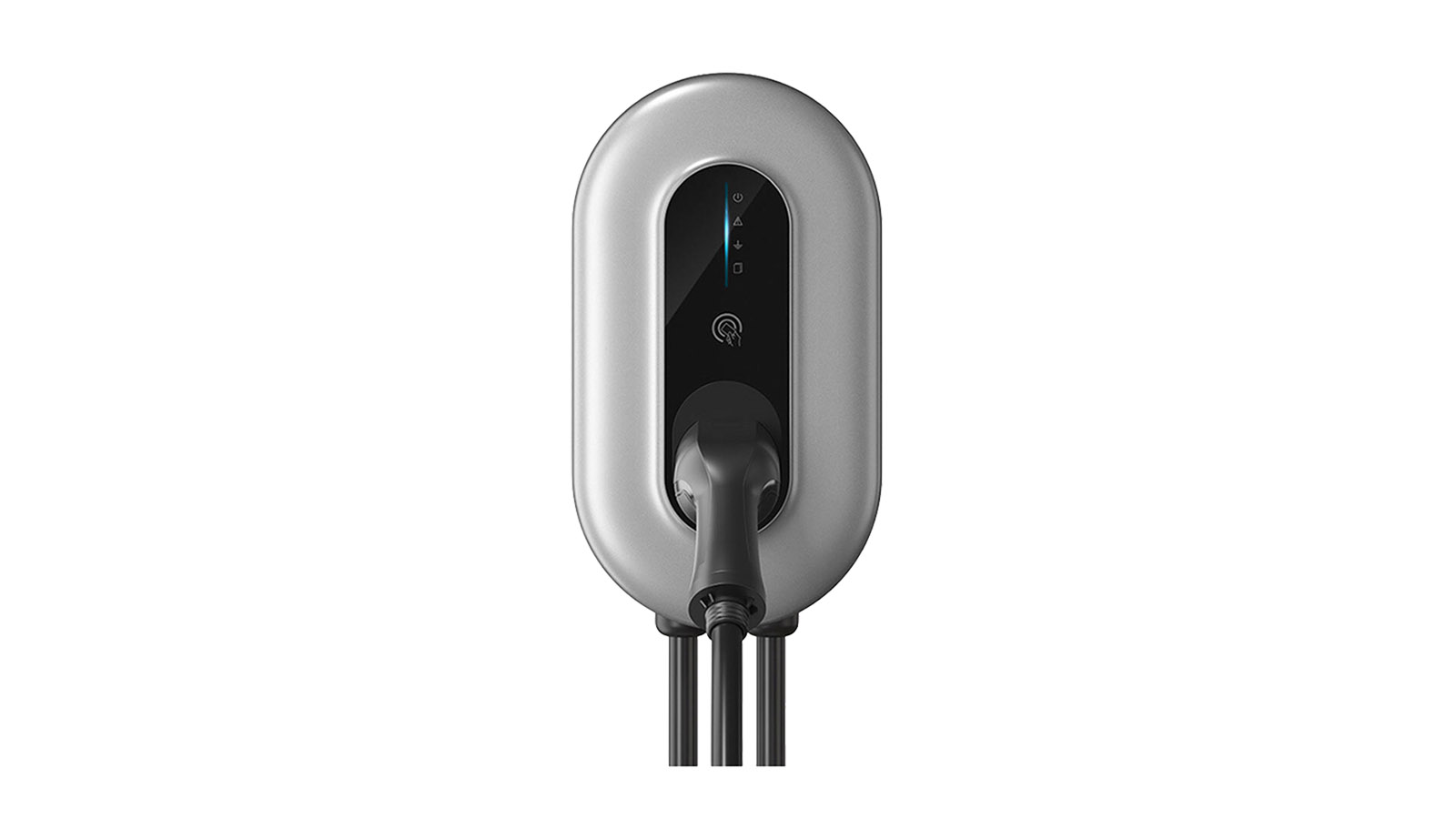
EV charging station with adjustable input, output current
Company: Shenzhen MiQi Electronic Co. Ltd
Shenzhen MiQi’s M11 EV charging station has 11kW capacity, 400VAC voltage, 50/60Hz frequency and 8, 10, 12, 14 or 16A adjustable input and output current. At 16A, three-phase power, the input and charging output is 400VAC±20 percent. This IP65 unit has -30 to 55 C operating temperature and overvoltage, -load, -temperature, undervoltage, earth leakage, lightning and short-circuit protection. It is CE-marked and RoHS-compliant.
MOQ: 1 unit
Lead time: 15 days
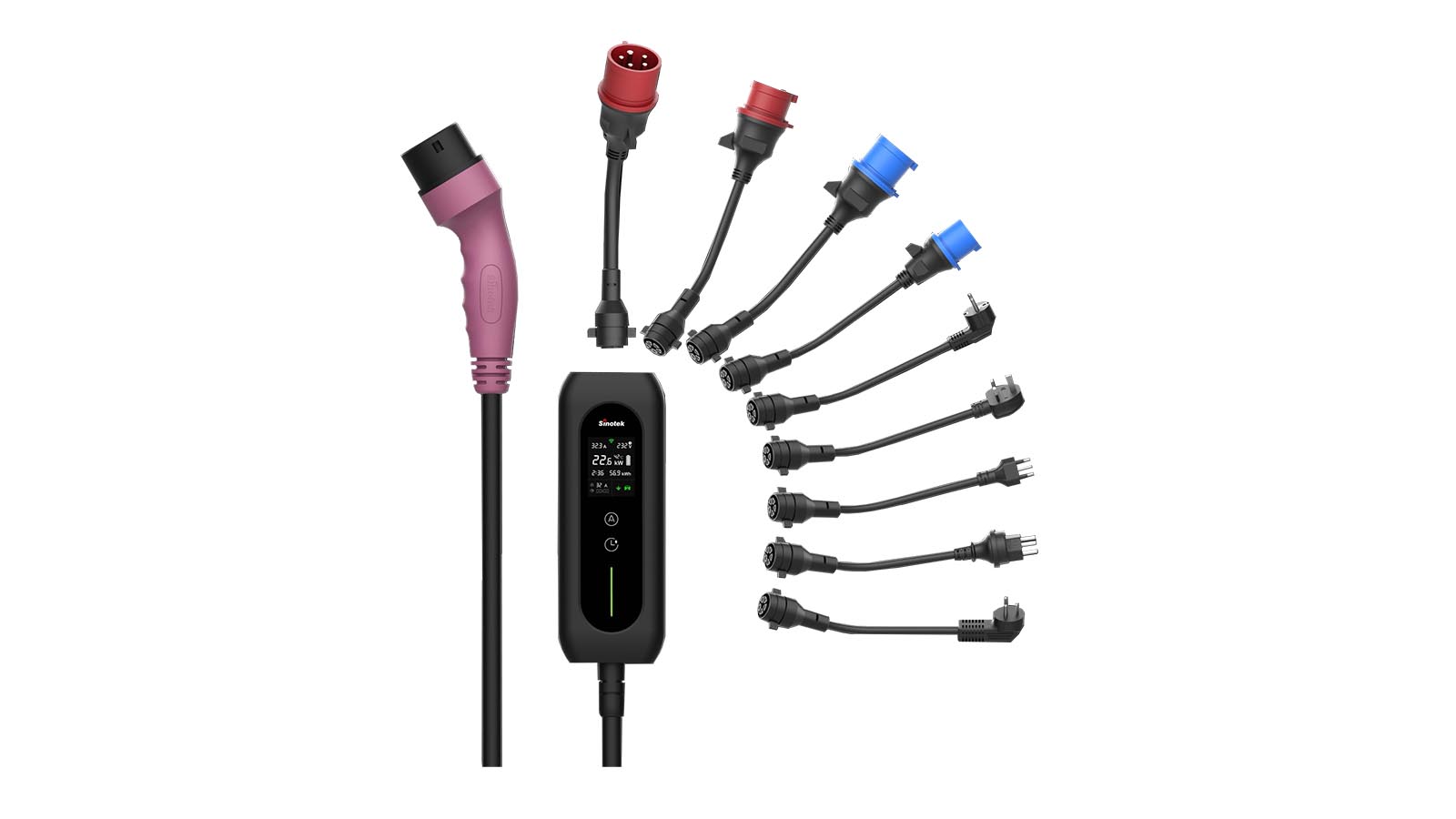
Portable EV charger with Type 2 plug
Company: Shenzhen Sinotek Technology Co. Ltd
A portable EV charger with an IP65-rated Type 2 plug, Shenzhen Sinotek’s model M2-22M is Wi-Fi-enabled and Tuya-compatible. It has 2.3, 3, 3.68, 7.4, 11 or 22kW power output, up to 32A rated current and 110 to 230VAC rated voltage at 50Hz. This three-phase unit, with an IP6 control box and IP54 vehicle plug, has -35 to 50 C operating temperature and over 10,000-cycle mechanical life span. It meets ETL and RoHS standards.
MOQ: 100 units
Lead time: 30 days
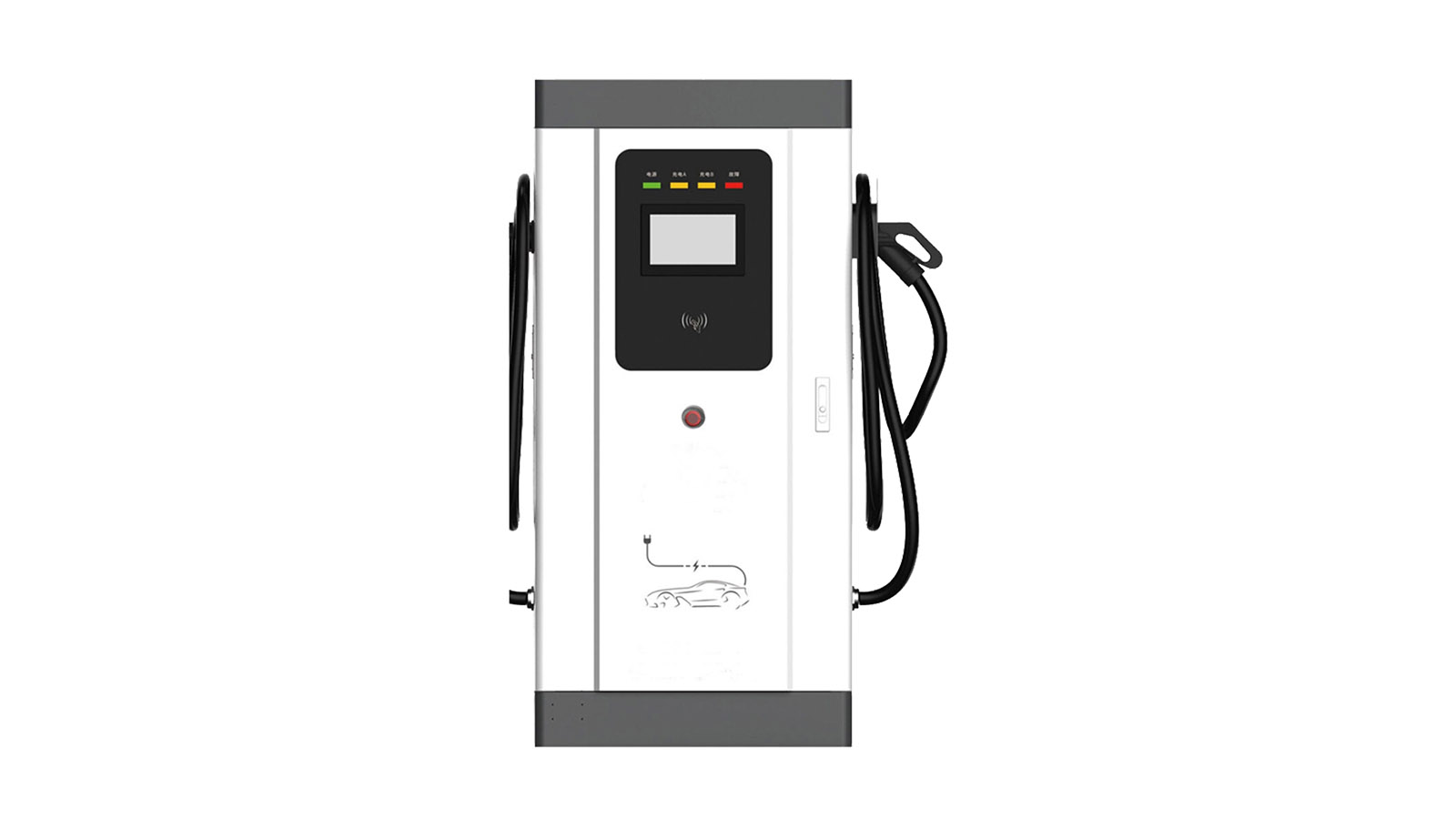
EV charging station with 240kW maximum output power
Company: Dongguan Tonstep Electronics Technology Co. Ltd
The DC-240kW from Dongguan Tonstep is an EV charging station with 380VAC, 50/60Hz input, 200 to 1,000VDC output voltage range, 240kW maximum output power and over/undervoltage, overload, short-circuit, leakage and surge protection. This IP54-rated unit has an operating temperature of -20 to 50 C.
MOQ: 10 units
Lead time: 25 days

