




Table of Contents
Top 10 Wholesale Business Examples
How to Choose the Right Wholesaler for Your Business
What Is a Wholesale Business?
A wholesale business is an integral component of the supply chain, serving as a vital link between manufacturers and retailers. This type of business model involves purchasing goods in bulk from producers and selling them to other businesses, rather than directly to consumers. By buying in large quantities, wholesalers benefit from reduced costs per unit, allowing them to offer competitive prices to their clients, which are typically retailers or other distributors.
By buying large volumes, wholesalers can negotiate better rates from suppliers. They also manage important logistics like transportation, warehousing, inventory management and distribution for their clients. Their storage and distribution infrastructure ensures a steady supply of goods into the marketplace. Some wholesalers own the merchandise they distribute while others like brokers and agents facilitate sales without taking ownership.
There are several types of wholesale companies serving industries like electronics, fashion, food, etc. Large retailers with extensive distribution networks may work directly with manufacturers, but smaller businesses rely on wholesalers for sourcing, stocking inventory and ensuring timely availability of products. Overall, wholesale trade is a vital component of the global supply chain, balancing supply and demand while smoothing the flow of goods between producers and end consumers.
Top 10 Wholesale Business Examples
The wholesale business sector is a vital component of the global economy, serving as the bridge between manufacturers and retailers. With the rise of e-commerce and globalization, wholesale platforms have become more accessible and efficient, providing businesses with a diverse range of products and services. Here are ten popular examples of wholesaler businesses:
- Food Wholesalers: These businesses source food products like produce, meat, dairy, and packaged goods from farmers and food manufacturers. They then distribute these goods to grocery stores, restaurants, educational institutions, hospitals, and other food service providers. Food wholesalers manage complex logistics involving refrigeration, storage, and timely delivery of perishable goods.
- Pharmaceutical Wholesalers: This specialized sector purchases prescription drugs, over-the-counter medications, and medical supplies from pharmaceutical companies. They then distribute these products to pharmacies, hospitals, clinics, and other healthcare facilities, ensuring a consistent supply of essential medicines. Strict regulations and inventory management are critical in this field.
- Furniture Wholesalers: Connecting furniture manufacturers with retailers, these wholesalers acquire furniture like sofas, beds, tables, chairs, and other furnishings. They supply furniture stores, interior designers, hotels, and office supply businesses, often specializing in specific styles or materials.
- Automotive Parts Wholesalers: Essential to the automotive repair industry, these wholesalers source parts directly from manufacturers and distribute them to service stations, auto repair shops, and car dealerships. They manage a vast inventory of parts for various makes and models of vehicles.
- Book Wholesalers: Acting as intermediaries between publishers and booksellers, these wholesalers purchase books in large quantities and distribute them to bookstores, libraries, schools, and online retailers. They play a key role in ensuring books reach a wide audience.
- Clothing Wholesalers: Keeping retailers stocked with the latest fashions, clothing wholesalers buy large quantities of apparel from manufacturers. They supply department stores, boutiques, online retailers, and other clothing vendors, often specializing in specific types of clothing or demographics.
- Building Materials Wholesalers: Critical to the construction industry, these wholesalers source materials like lumber, drywall, insulation, plumbing supplies, electrical components, and tools from manufacturers. They supply these materials to contractors, builders, hardware stores, and other businesses involved in construction projects.
- Jewelry Wholesalers: Bridging the gap between jewelry designers and retailers, these wholesalers procure jewelry like rings, necklaces, earrings, bracelets, and watches in bulk. They then distribute these items to jewelry stores, boutiques, and other retailers, often specializing in particular types of jewelry or precious metals.
- Electronics Wholesalers: Supplying the high demand for consumer electronics, these wholesalers obtain products like televisions, stereos, computers, smartphones, and other electronic devices from manufacturers. They then distribute these products to electronics retailers, online marketplaces, and other businesses.
- Office Supply Wholesalers: Providing essential materials for businesses, these wholesalers acquire office products like paper, pens, stationery, furniture, computer peripherals, and other supplies. They sell these products to businesses, schools, government agencies, and other organizations, often offering a wide range of products to meet diverse needs.
Wholesale Business Sourcing Platforms
Global Sources
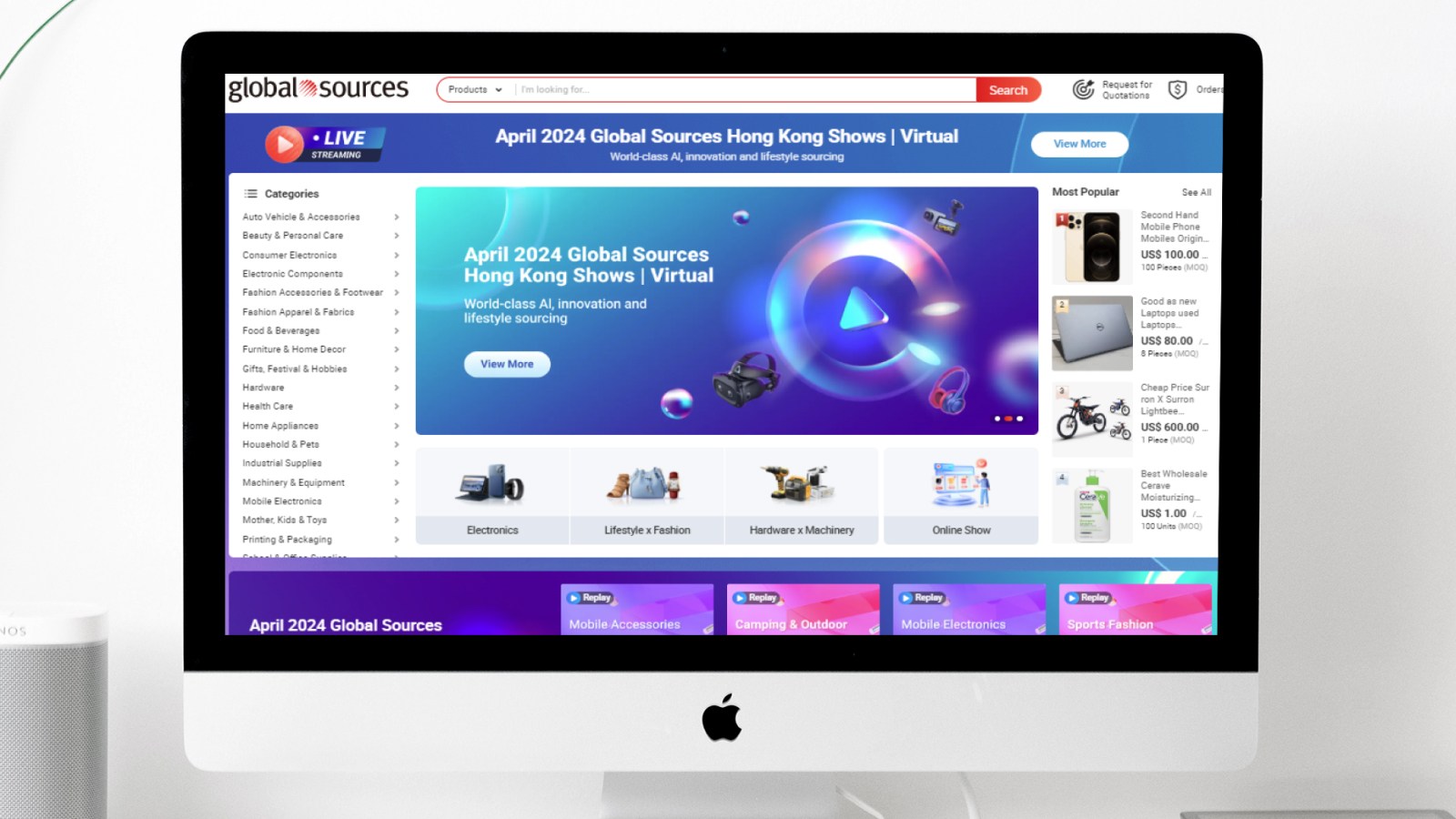
Founded: 1970
Specialty: Electronics, Fashion, and Lifestyle Products
Design Philosophy: Emphasizing quality and innovation, Global Sources connects buyers with verified suppliers, ensuring trust and reliability in every transaction.
Target Market: Primarily focused on North America and Europe, catering to medium to large-scale businesses.
Global Reach: Extensive, with a strong presence in Asia and partnerships worldwide.
Recognition: Known for its comprehensive trade shows and online marketplace.
Key Highlights: Global Sources is renowned for its B2B trade shows in Hong Kong, which attract international buyers and sellers, fostering global trade relationships.
Alibaba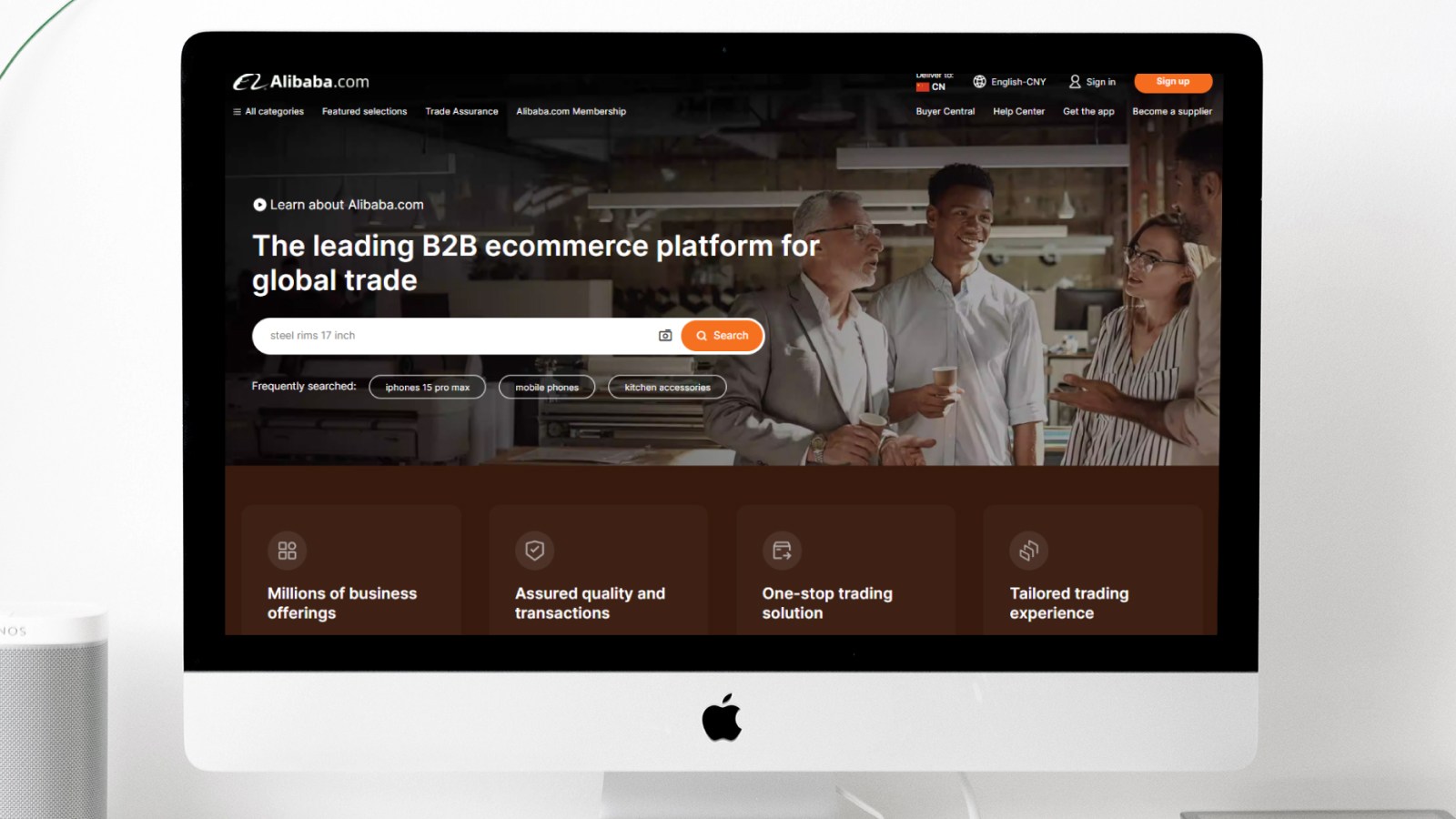
Founded: 1999
Specialty: Diverse product categories ranging from electronics to apparel.
Design Philosophy: To make it easy to do business anywhere, Alibaba provides a platform for small and medium enterprises to reach a global audience.
Target Market: Small to medium-sized enterprises worldwide.
Global Reach: Massive, with operations in over 190 countries and regions.
Recognition: As one of the largest e-commerce companies globally, Alibaba is synonymous with online wholesale trade.
Key Highlights: Alibaba's innovative approach to e-commerce and logistics has transformed global trade, offering services like AliExpress and Taobao.
Made-in-China
Founded: 1998
Specialty: Manufacturing and industrial products.
Design Philosophy: Focused on transparency and efficiency, Made-in-China provides a streamlined platform for sourcing Chinese products.
Target Market: Global, with a focus on North America, Europe, and Asia.
Global Reach: Strong, with numerous verified suppliers across various industries.
Recognition: A trusted source for businesses looking to import Chinese goods.
Key Highlights: Made-in-China is known for its rigorous supplier verification process, ensuring quality and reliability.
IndiaMART
Founded: 1996
Specialty: Industrial and consumer products.
Design Philosophy: To simplify the buying process by connecting buyers with suppliers through a user-friendly platform.
Target Market: Primarily Indian SMEs, with growing international outreach.
Global Reach: Expanding, with increasing international partnerships.
Recognition: India’s largest online B2B marketplace.
Key Highlights: IndiaMART has been instrumental in digitizing Indian SMEs, providing them with a platform to reach a wider audience.
ThomasNet
Founded: 1898
Specialty: Industrial products and services.
Design Philosophy: To provide comprehensive sourcing solutions tailored to the industrial sector.
Target Market: North American businesses, particularly in manufacturing and engineering.
Global Reach: Primarily North American, with a focus on local sourcing.
Recognition: Known for its extensive directory and sourcing capabilities.
Key Highlights: ThomasNet has evolved from a print directory to a leading online platform, supporting industrial procurement.
DHgate
Founded: 2004
Specialty: Consumer electronics and fashion.
Design Philosophy: To empower small businesses by providing access to quality products at competitive prices.
Target Market: Global, with a focus on small businesses and individual entrepreneurs.
Global Reach: Extensive, with a strong online presence.
Recognition: A leading cross-border e-commerce platform.
Key Highlights: DHgate offers a wide range of products, with a strong emphasis on customer service and buyer protection.
Wholesale Central
Founded: 1996
Specialty: General merchandise.
Design Philosophy: To connect wholesalers and buyers through a straightforward, no-frills platform.
Target Market: Primarily North American small businesses.
Global Reach: Limited, with a focus on the US market.
Recognition: Known for its simplicity and ease of use.
Key Highlights: Wholesale Central is a go-to resource for businesses seeking wholesale products in the US.
EC21
Founded: 1997
Specialty: Industrial and consumer goods.
Design Philosophy: To facilitate global trade by providing a comprehensive online marketplace.
Target Market: Global, with a focus on Asia, Europe, and North America.
Global Reach: Strong, with a diverse range of suppliers and products.
Recognition: A leading global B2B marketplace.
Key Highlights: EC21 offers a robust platform for international trade, with a focus on quality and reliability.
Worldwide Brands
Founded: 1999
Specialty: Certified wholesale suppliers.
Design Philosophy: To provide a curated directory of verified suppliers, ensuring quality and authenticity.
Target Market: Small to medium-sized online retailers.
Global Reach: Extensive, with a focus on the US and European markets.
Recognition: Known for its rigorous supplier verification process.
Key Highlights: Worldwide Brands offers a valuable resource for online retailers seeking reliable wholesale partners.
Tundra
Founded: 2017
Specialty: Home and lifestyle products.
Design Philosophy: To simplify wholesale purchasing by offering a direct connection between brands and retailers.
Target Market: North American retailers and boutiques.
Global Reach: Growing, with a focus on the North American market.
Recognition: A modern approach to wholesale trade, emphasizing simplicity and efficiency.
Key Highlights: Tundra provides a seamless wholesale experience, with no transaction fees and direct shipping options.
6 Types of Wholesalers
In the intricate web of supply chain management, wholesalers play a pivotal role by acting as intermediaries between manufacturers and retailers. They help in the efficient distribution of goods, ensuring that products reach the market in a timely and cost-effective manner. Understanding the different types of wholesalers is crucial for businesses looking to optimize their supply chain strategies and enhance their market reach. In this article, we will explore the six main types of wholesalers and the unique functions they serve in the distribution process.
Merchant Wholesalers: The Backbone of Distribution
Merchant wholesalers are perhaps the most common type of wholesaler in the supply chain. These entities purchase goods in bulk from manufacturers and sell them to retailers or other businesses at a profit. They take title to the goods, meaning they own the products they sell, which allows them to set their own prices and terms of sale. Merchant wholesalers often provide additional services such as storage, transportation, and inventory management, making them a comprehensive solution for businesses seeking to streamline their operations.
Full-Service Wholesalers: Offering Comprehensive Solutions
Full-service wholesalers offer a wide range of services beyond simply buying and selling products. They provide extensive support to their clients, including marketing assistance, product information, financing options, and technical support. These wholesalers are invaluable to retailers who require a partner capable of handling various aspects of the supply chain. By offering a holistic approach, full-service wholesalers help businesses reduce operational complexities and focus on their core competencies.
Limited-Service Wholesalers: Specialized and Efficient
Limited-service wholesalers, as the name suggests, offer a narrower range of services compared to their full-service counterparts. They specialize in specific areas of the supply chain, such as cash-and-carry operations, truck distribution, or drop shipping. These wholesalers are ideal for businesses that do not require comprehensive support but instead need a specialized service to meet their unique distribution needs. Limited-service wholesalers often provide cost-effective solutions by focusing on efficiency and specialization.
Brokers and Agents: Facilitating Transactions
Brokers and agents differ from traditional wholesalers in that they do not take ownership of the products they sell. Instead, they act as intermediaries, facilitating transactions between buyers and sellers. Brokers and agents earn a commission for their services, which is typically a percentage of the sale price. They are particularly valuable in industries where market knowledge and negotiation skills are crucial, such as real estate, commodities, and insurance. By leveraging their expertise, brokers and agents help businesses navigate complex markets and secure favorable deals.
Drop Shippers: Streamlining the Supply Chain
Drop shippers are a unique type of wholesaler that never physically handle the products they sell. Instead, they transfer customer orders and shipment details to manufacturers or other wholesalers, who then ship the products directly to the customer. This model allows drop shippers to operate with minimal overhead and inventory costs. Drop shipping is especially popular in e-commerce, where businesses can offer a wide range of products without the need to maintain a physical inventory. This approach provides flexibility and scalability, making it an attractive option for online retailers.
Rack Jobbers: Managing Retail Space
Rack jobbers specialize in servicing retail stores by managing the inventory and display of products on behalf of manufacturers. They are responsible for stocking shelves, setting up displays, and ensuring that products are presented effectively to consumers. Rack jobbers often work with perishable or fast-moving consumer goods, such as snacks, beverages, and magazines. By taking charge of the merchandising process, rack jobbers help manufacturers maximize their product visibility and sales within retail environments.

How to Choose the Right Wholesaler for Your Business
Understanding Your Business Needs
Before embarking on the journey to find the right wholesaler, it's essential to have a clear understanding of your business needs. What are the specific products you require, and what is the volume of inventory you need to maintain? Are you looking for niche products or more widely available items? Understanding these aspects will help you narrow down potential wholesalers that align with your business objectives. Additionally, consider your budget constraints and the level of flexibility you need in terms of order quantities and delivery schedules.
Researching Potential Wholesalers
Once you have a clear picture of your business needs, the next step is to research potential wholesalers. Start by looking at industry directories, online marketplaces, and trade shows specific to your industry. Networking with other business owners can also provide valuable insights and recommendations. During this research phase, compile a list of potential wholesalers and gather information on their product offerings, reputation, and customer reviews. It's crucial to focus on finding wholesalers who have a track record of reliability and quality.
Evaluating Wholesaler Reliability
Reliability is a critical factor when choosing a wholesaler. A reliable wholesaler ensures that you receive your products on time and in good condition. To assess reliability, look for wholesalers with a strong reputation and positive feedback from other businesses. Check if they have a history of meeting delivery deadlines and maintaining consistent product quality. Additionally, consider their financial stability, as this can impact their ability to fulfill orders consistently. Request references and contact existing clients to get firsthand feedback on the wholesaler’s reliability.
Analyzing Product Quality
The quality of products you offer can significantly impact your business's reputation and customer satisfaction. Therefore, it's vital to evaluate the quality of products provided by potential wholesalers. Request samples to assess the materials, craftsmanship, and overall quality. Compare these samples to industry standards and your specific requirements. Ensure that the wholesaler adheres to any necessary certifications or quality standards relevant to your industry. High-quality products can lead to repeat business and positive word-of-mouth referrals.
Considering Pricing and Terms
Price is a major consideration when selecting a wholesaler, but it should not be the sole determining factor. Compare pricing structures among different wholesalers to ensure you are getting competitive rates. Pay attention to any hidden fees, such as shipping costs or minimum order requirements. It's also important to understand the payment terms offered by the wholesaler. Some may require upfront payments, while others might offer credit terms. Choose a pricing and payment structure that aligns with your cash flow and financial planning.
Assessing Customer Service and Support
Strong customer service can make a significant difference in your relationship with a wholesaler. Evaluate the level of support offered by potential wholesalers. Are they responsive to inquiries and willing to provide assistance when needed? Good communication and a supportive partnership can help resolve issues quickly and efficiently. Look for wholesalers who are proactive in keeping you informed about stock availability, order status, and any changes in the industry that might affect your business.
Evaluating Logistics and Delivery Capabilities
Efficient logistics and reliable delivery are essential for maintaining your supply chain. Assess the wholesaler's delivery capabilities, including their shipping methods, lead times, and geographic coverage. Consider how quickly they can process and ship orders, and whether they offer tracking information. A wholesaler with robust logistics capabilities can help you minimize stockouts and ensure timely delivery to your customers. Additionally, inquire about their policies for handling damaged or incorrect shipments.
Building a Long-term Relationship
Choosing the right wholesaler is not just about meeting immediate needs but also about building a long-term partnership. Look for wholesalers who are interested in growing with your business and are open to adapting to your evolving needs. A strong partnership can lead to better negotiation terms, exclusive deals, and shared market insights. Regularly evaluate the performance of your wholesaler and maintain open communication to address any challenges or changes in your business environment.
Making the Final Decision
After thorough research and evaluation, it's time to make your final decision. Weigh the pros and cons of each potential wholesaler based on the criteria discussed. Consider conducting a trial order with your top choices to see how they perform in a real-world scenario. This can provide valuable insights into their reliability, product quality, and customer service. Once you've gathered all the necessary information, choose the wholesaler that best aligns with your business goals and values.
In conclusion, selecting the right wholesaler is a critical decision that can impact your business's success. By understanding your needs, researching thoroughly, and evaluating potential partners based on key criteria, you can establish a strong and beneficial relationship with a wholesaler that supports your business growth.

