




Table of contents
11 Best Wholesale Marketplaces in 2025
Why Sell on a Wholesale Marketplace
Factors to Consider while Choosing the Right Marketplace
In today's competitive global economy, wholesale marketplaces are essential for businesses seeking profitability and growth. These platforms provide brands with enhanced visibility, attract new customers, and significantly increase sales potential. Finding the right trusted wholesale marketplace can be challenging, but this comprehensive guide will help you identify the ideal B2B wholesale marketplace for your business needs. We'll examine key factors to consider during your selection process and provide detailed insights into the leading platforms available in 2025.
11 Best Wholesale Marketplaces in 2025
After thorough research and analysis, we've identified the most reliable wholesale marketplace options currently available. For
transparency, we've included both advantages and disadvantages of each B2B wholesale marketplace.
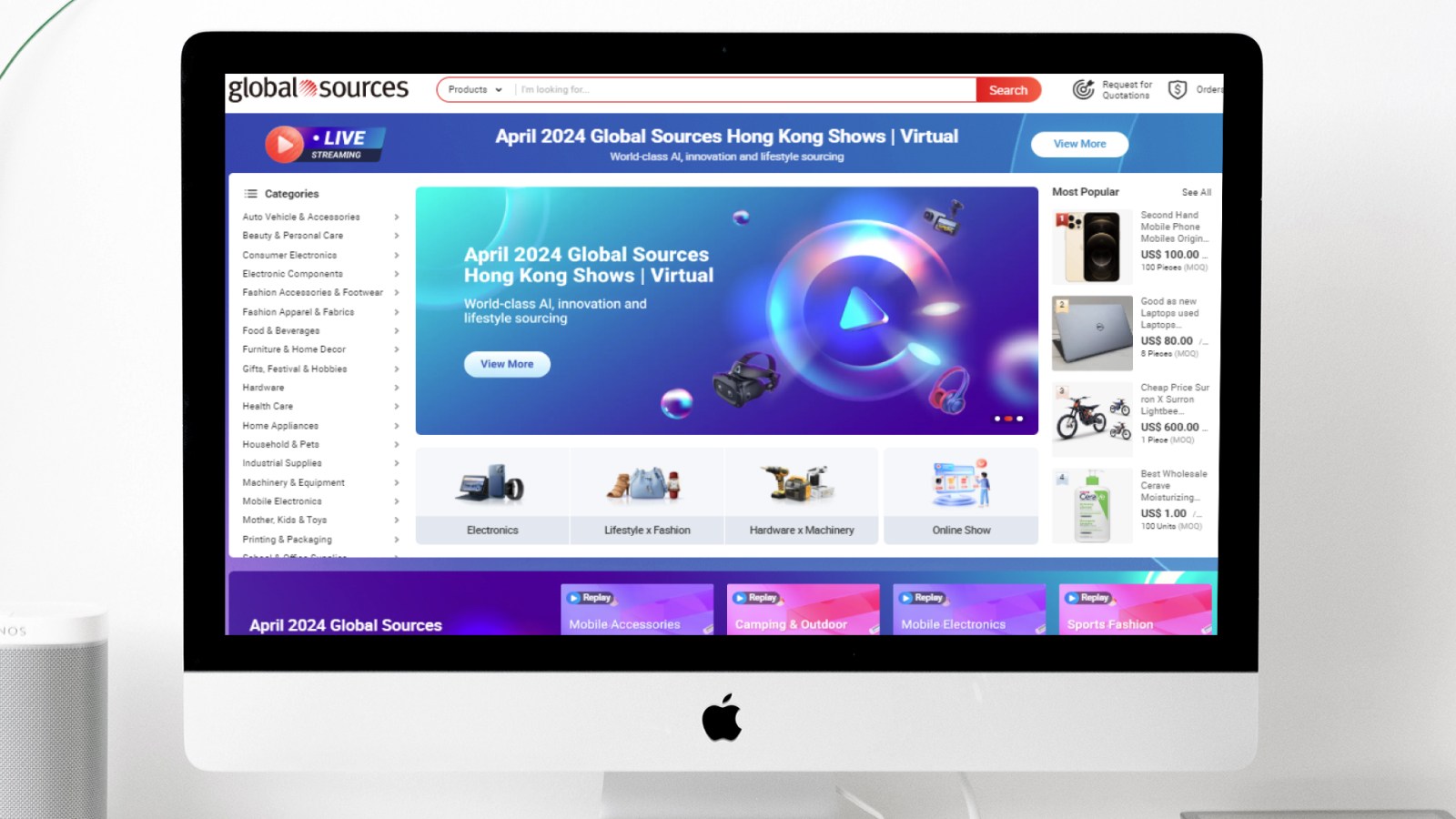
1. Global Sources
Global Sources, a Hong Kong-based B2B wholesale marketplace established in 1971, connects buyers and suppliers through multiple
channels including online marketplaces, trade shows, and virtual product showcases.
The company organizes prestigious sourcing fairs in Hong Kong annually to expand its network and increase supplier visibility. Most
notably, it hosts the world's largest electronic product sourcing fair, creating vital connections between Southeast Asian and Chinese markets.
Pros:
- Organizes international trade fairs
- Serves as a gateway to Asian markets
- Extensive network of Asian suppliers
- Provides valuable sourcing resources
Cons:
- Product quality verification recommended through inspection
- Suppliers typically require high minimum order quantities (MOQs)
- Potential delays with international shipments
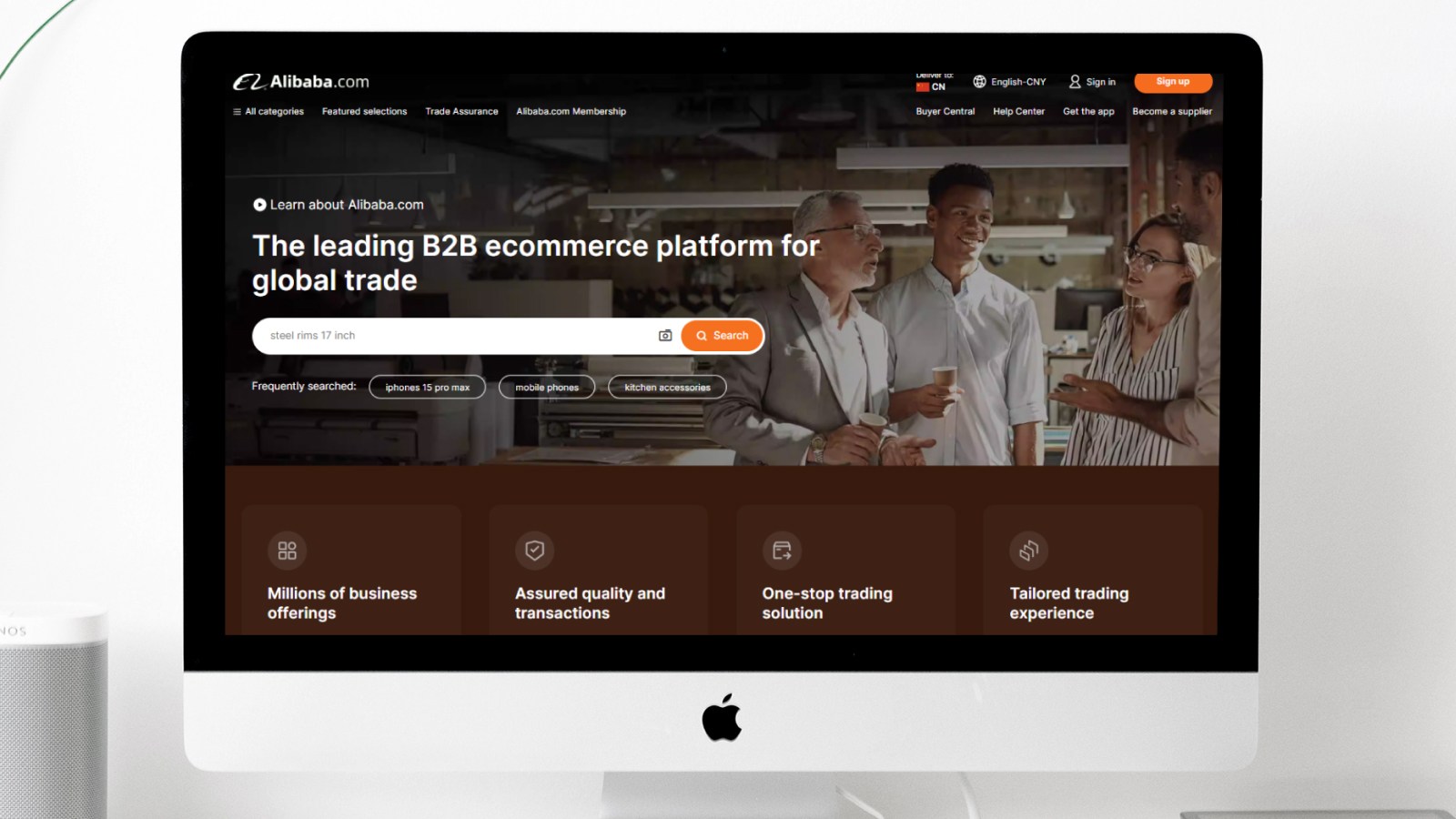
2. Alibaba
Alibaba stands as the leading wholesale marketplace globally, with over 40 million active buyers. It has become an essential platform for businesses of all sizes, effectively bridging wholesale vendors and suppliers to maximize visibility and profitability.
Pros:
- Streamlined setup process with minimal documentation requirements
- Comprehensive business management tools
- Access to an extensive international customer base.
Cons:
- Challenges in maintaining long-term supplier relationships
- Potential for post-quote price increases from suppliers
- Higher supplier fees compared to some alternatives
- Risk of receiving incorrect or substandard merchandise
3. Wholesale2B
Wholesale2B is a digital platform connecting dropshippers, wholesalers, and manufacturers with retailers. Its popularity stems from user-friendly features, responsive customer service, competitive fees, and intuitive tools. The platform effectively streamlines dropshipping operations for all parties involved.
Pros:
- User-friendly interface
- Responsive customer support
- Flexible payment options
- Low fees
Cons:
- Increasing competition among sellers
- Lack of real-time inventory visibility
- Limited shipping tracking capabilities
- More restrictive product selection compared to larger marketplaces
4. Grainger
Operating in 157 countries, Grainger is an international B2B marketplace with a strong presence in the American market. Known for
offering a diverse range of factory-manufactured products, it enables small production facilities to export globally. The platform's growing
customer base creates significant growth opportunities for businesses.
Pros:
- User-friendly interface
- Competitive pricing
- Strong industry reputation
- Expanding customer base offering growth potential
Cons:
- Primary focus on the industrial sector
- Limited product customization options
- Multiple fee types (listing, transaction, and subscription)
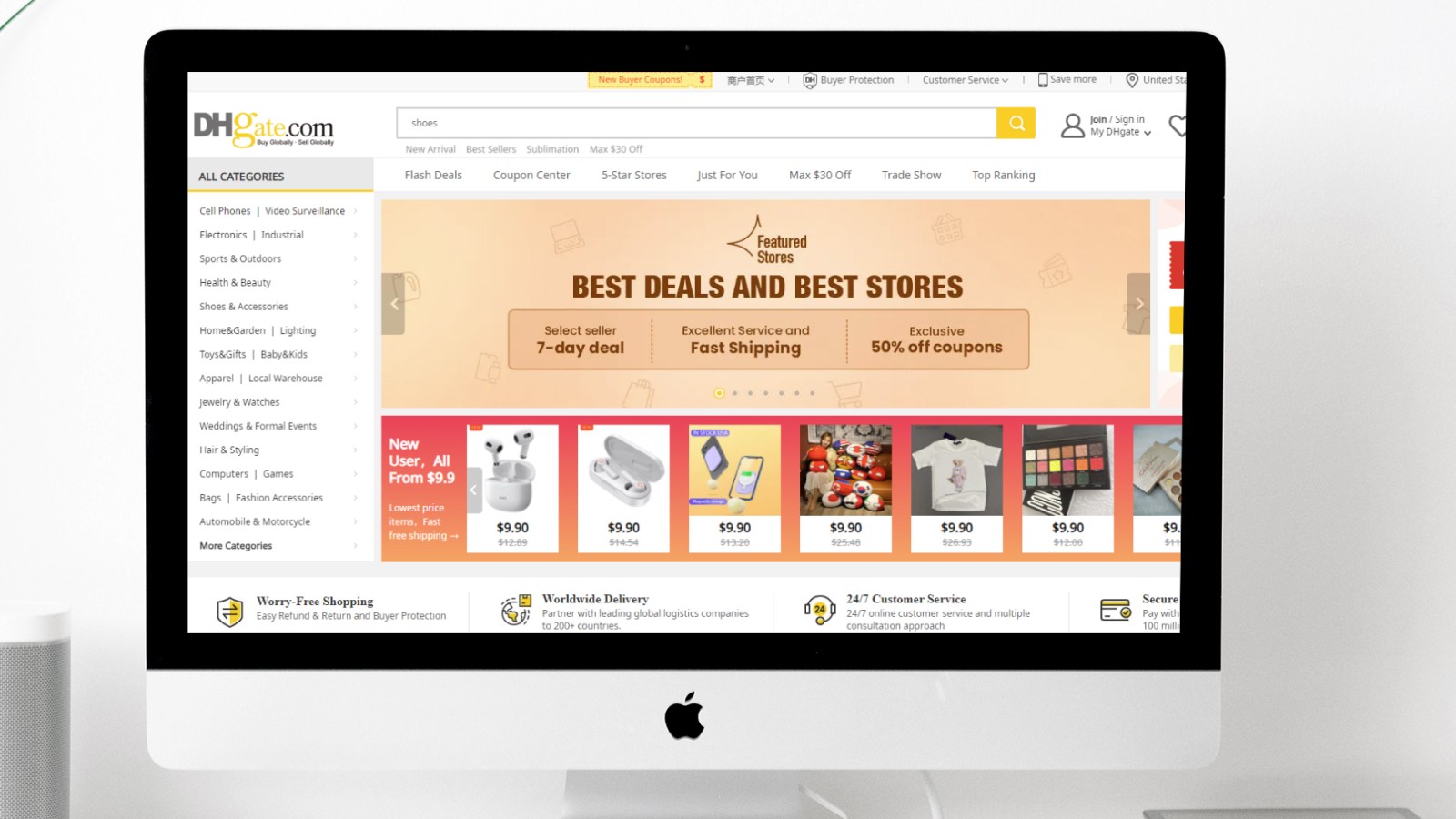
5. DHgate
DHgate, a prominent Chinese wholesale marketplace with global recognition, offers retailers access to diverse product categories ranging from electronics to fashion and home décor.
Pros:
- Extensive product selection
- Dropshipping-friendly policies
- Legitimate and secure marketplace
- Direct supplier-buyer connections
- Competitive pricing structure
Cons:
- Customer service limitations
- Extended shipping times compared to competitors
- Potential product quality inconsistencies
- Occasional transit issues with packages
6. eBay
eBay functions as both a marketplace and auction platform facilitating transactions between sellers and third-party buyers. Trusted by companies, government entities, and individuals, eBay provides a secure environment for legitimate goods trading.
Pros:
- Established platform with global reach
- Bulk purchase price negotiation options
- Direct transactions without intermediaries
- Secure payment processing
- Simplified registration process
Cons:
- Various fees and commission structures
- Limited business management tools compared to specialized wholesale platforms
- Significant product quality variations
- Competitive wholesale environment due to retail sales focus
7. SaleHoo
This New Zealand-based company connects sellers with millions of wholesale and dropshipping products from verified suppliers. With relationships with over 8,000 trusted suppliers, SaleHoo was one of the first online platforms offering international wholesale contacts. Additionally, it provides valuable tools and educational resources to help businesses launch and grow successful e-commerce operations.
Pros:
- Access to vetted, reliable suppliers
- Comprehensive research tools
- Diverse product selection
- Direct supplier communication capabilities
Cons:
- Membership fee required for platform access
- Competitive environment for popular products
- Primary focus on dropshipping rather than wholesale
8. Made-in-China
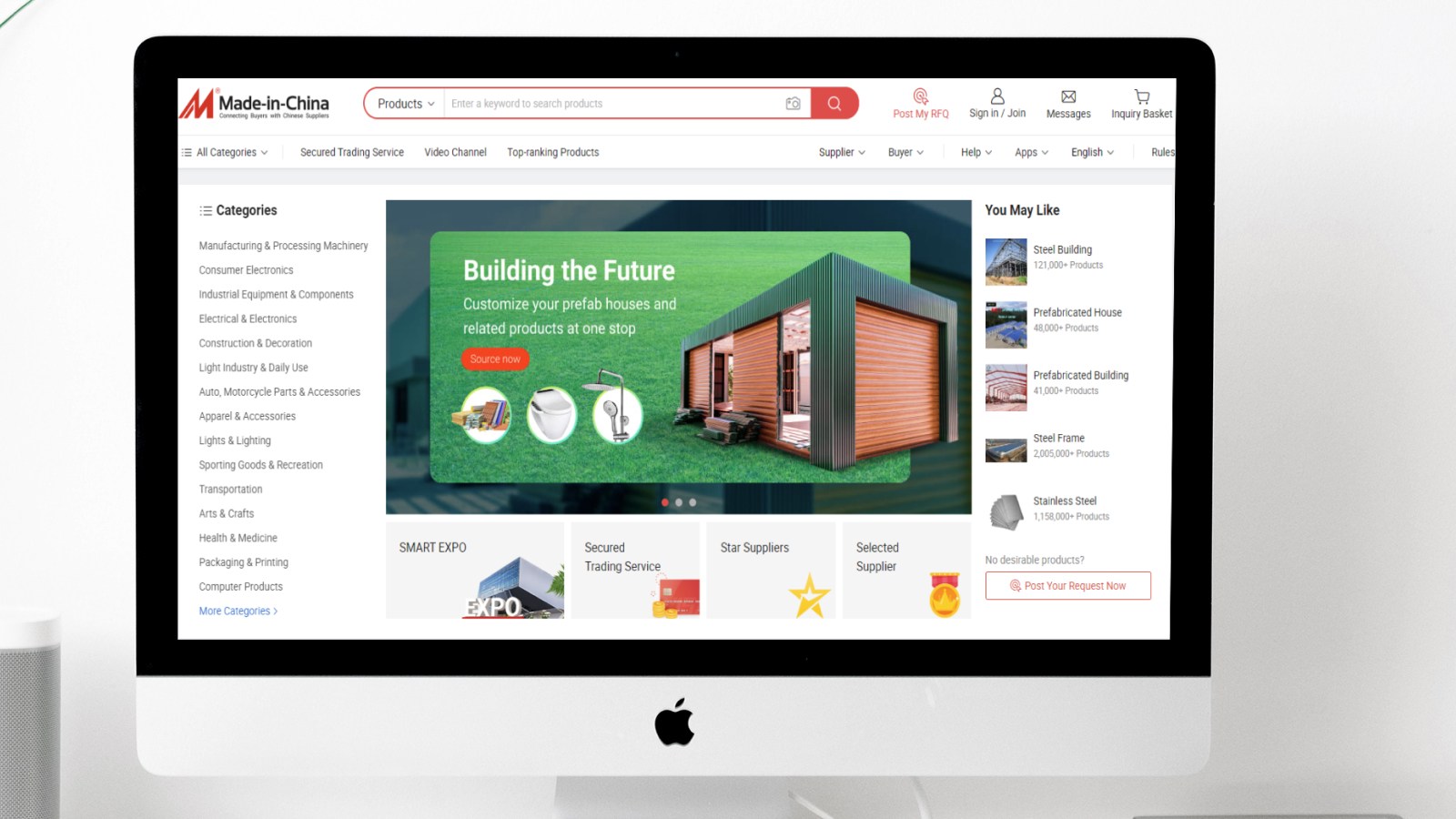
Launched in 1998, Made-in-China is a leading Chinese e-commerce platform connecting exporters and manufacturers with global buyers. The
platform offers high-quality products at competitive per-unit costs across more than 3,600 categories. Buyers can easily search for products and receive direct quotations from suppliers.
Pros:
- Accommodates customization requirements
- Verified exporter network
- High-quality merchandise at competitive prices
Cons:
- Potential language barriers
- Possible quality control challenges
9. Mable
Mable is an emerging B2B wholesale marketplace specializing in grocery, convenience, and food service sectors. It enables businesses of all sizes to source necessary products and scale operations effectively. The platform is gaining popularity for its ability to address technical challenges quickly while ensuring data privacy and security. Mable equips sellers with essential tools and resources to secure optimal deals and streamline procurement processes.
Pros:
- Data-driven insights for informed decision-making
- Intuitive user experience
- Competitive commission and fee structure
- Mobile application availability
Cons:
- Limited to the grocery industry
- Restricted customer service options
- Limited payment method selection
10. TradeWheel.com
TradeWheel is a leading B2B wholesale marketplace particularly popular among U.S. buyers, offering thousands of product options from premier brands and manufacturers. Its expanding customer base creates opportunities for new businesses and increased profitability. The platform also provides buying leads from the U.S., Europe, and global markets.
Pros:
- Efficient product listing process
- Access to legitimate sellers and buyers
- Accommodating environment for new businesses
Cons:
- Relatively higher fee structure
- Potential language barriers due to global participation
- High supplier competition
11. OrderChamp
This Amsterdam-based B2B wholesale marketplace connects retailers and brands throughout Europe. OrderChamp serves 150,000 retailers seeking
to make strategic purchases. The platform offers advanced tools that facilitate product sourcing while helping users manage sales and maintain organizational efficiency.
Pros:
- Reduced shipping costs for members
- Access to extensive customer base
- Multiple payment options
- Streamlined return processes
Cons:
- Highly competitive environment
- Limited product range
- Restricted customer support services
Why Sell on a Wholesale Marketplace?
Understanding the benefits of B2B wholesale marketplaces is essential for suppliers, distributors, and manufacturers considering these
platforms:
- Access to a broad customer base resulting in increased bulk order potential
- Specialized tools for various business operations including order, shipping, and inventory management, accelerating fulfillment and reducing sales costs
- Diversification that reduces dependency on individual customers
Factors to Consider When Choosing the Right Marketplace
Selecting the appropriate B2B wholesale marketplace requires careful consideration of several key factors:
Reputation
In the digital marketplace, reputation is paramount. Look beyond impressive statistics and evaluate the marketplace's standing regarding
transaction security, payment processing, and customer protection. A strong reputation ensures smooth transactions and minimizes fraud risks. Monitor platform growth trends, favoring those demonstrating consistent expansion.
Fees
Financial considerations are fundamental to business success. Different marketplaces employ varied fee structures—some charge sales percentages while others require monthly subscriptions. Conduct thorough research to identify the model best aligned with your budget constraints.
Large User Base
Profitability in online commerce depends on customer reach. Select marketplaces with substantial potential customer populations to maximize
sales opportunities. Even during slower periods, access to a large user base maintains consistent sales potential.
Niche Market
Specialized focus often yields superior results. Identify B2B wholesale marketplaces that specialize in your product categories. For example, food-related businesses should target established food-niche marketplaces. This strategy provides direct access to customers already interested in your offerings, significantly enhancing sales conversion rates.
FAQs
What is a B2B Wholesale marketplace?
A B2B wholesale marketplace is an online platform enabling businesses to purchase products from multiple manufacturers and wholesalers. Buyers typically include brand owners operating retail stores that sell these products to end consumers.
Which market is best for wholesale?
The optimal wholesale marketplace depends on multiple factors including product type, budget, location, and target audience. You might consider developing your own marketplace if you identify an underserved market segment. Currently, leading wholesale marketplaces include Global Sources, Trade.com, and SaleHoo.Some businesses find success with a single marketplace, while others benefit from utilizing multiple platforms simultaneously.
How do I create my own marketplace?
Begin by identifying a specific problem and defining your niche and target audience. Establish a budget and select an appropriate business model (B2B, C2C, or B2C). Develop your platform and implement strategies to attract users through seller acquisition. To build trust, ensure reliable customer support and continuously expand your product offerings.
Is B2B profitable?
Yes, B2B commerce can be highly profitable for many businesses. It provides opportunities to sell products and services at premium prices to other businesses, often with larger order volumes and more predictable buying patterns than consumer markets.

