Download App
Better Online and Trade Show Sourcing Experiences.Scan the QR code to download.
Learn More
Hot Topics
A company called Light wants to give photographers a camera capable of DSLR quality in a pocket-sized frame by using several lenses and sensors at once.
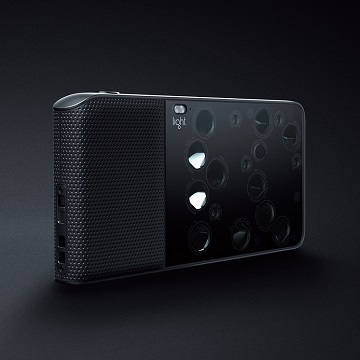
The 16 lenses gives the L16's back surface a spider-like quality, but they enable the camera to take extremely high-quality images. Image from Light
Last month, a camera called the Light L16 got some press coverage because its unique design, which includes 16 lenses, meant to give the small point-and-shoot the kind of image quality consumers would expect in a DSLR. By the end of the month, Wired had a feature story on the promise of a camera the reporter could not use because software was not there yet. There is no denying, though, that the camera is unique and could impact how people think of smaller cameras and possibly even smartphone cameras years down the line. For now, though, the $1,300 price puts the product impractical for most consumers. Once the camera is released publicly next year, it will cost $1,700.
When the L16 takes a photo, it is only using up to 10 sensors at once. Each of the lenses has an optical zoom of 35, 75 or 150mm. The camera captures four 13MP images and stitches them together into a 52MP image. The depth of field in the photos can also be adjusted after the shot is taken thanks to the multiple lenses. However, if the photographer wants to shoot an image at a zoom different from what is offered by the lenses, the image is cropped. The people at Light decided this was a better option than losing image detail with digital zoom, and it could still result in a megapixel count that is large by current standards. To shoot a photograph at 50mm on this camera, then, produces a 40MP image.
Given the price and the limitations of the technology, this is not a complete replacement for a DSLR. However, this technology could be practical for those who need high-quality images from a highly portable camera. It is also not impractical to think that the price on this kind of camera could drop quickly. Light CEO Dave Grannan said each sensor is about $3 each, according to Wired. That means it is everything else going into the camera, including the research and development costs, that has resulted in such a high starting price. Getting the software right on such a device must be tricky, but the camera's hardware is ripe for copying.
More Sourcing News
Read Also

关注 “环球资源外贸” 官方微信,获取实时外贸资讯
iOS & Android
iOS & Android(Mainland China)
Copyright © 2026 Publishers Representatives Limited. All rights reserved.