




Table of Contents
The Y2K Revival: Understanding the Return of Early 2000s Style
2000s Fashion Trends That Are Making a Comeback in 2026
Sourcing and Production Considerations for Y2K Fashion
Marketing Y2K Fashion Across Channels
Pricing Strategies for Y2K Pieces
Inventory Management for Trend-Driven Fashion
Size Inclusivity in Y2K Fashion
How to Style Y2K Trends for Modern Wear
Sustainability and the Y2K Revival
The fashion cycle never stops turning, and what once defined the wardrobes of millennials is now capturing the attention of Gen Z. 2000s fashion trends are experiencing a powerful revival, transforming runways, retail floors, and street style alike. From low-rise jeans to butterfly clips, the early 2000s aesthetic has returned with fresh interpretations that blend nostalgia with modern sensibility, creating significant opportunities across the fashion industry.
The Y2K Revival: Understanding the Return of Early 2000s Style
The resurgence of early 2000s fashion trends isn't random—it represents a calculated market shift driven by consumer demand and cultural nostalgia. This era represented optimism, technological advancement, and bold experimentation, qualities that resonate with today's fashion landscape.
Social media platforms, particularly TikTok and Instagram, have accelerated this revival, with Y2K-related hashtags generating billions of views. Younger generations discover archived looks from celebrities like Britney Spears, Paris Hilton, and Christina Aguilera, reimagining these styles for contemporary wear. Vintage shops and online resale platforms report increased demand for authentic Y2K pieces, while major brands and suppliers rush to produce modern versions of these iconic looks.
Understanding this trend's staying power is essential for inventory planning and wardrobe building. Market research indicates that Y2K fashion appeals across multiple demographics, from Gen Z seeking novelty to millennials embracing nostalgia. This broad appeal creates opportunities to capture diverse segments and maximize value across different price points, from budget-friendly options to investment luxury items.
2000s Fashion Trends That Are Making a Comeback in 2026
#1 Low-Rise Jeans: The Controversial Comeback
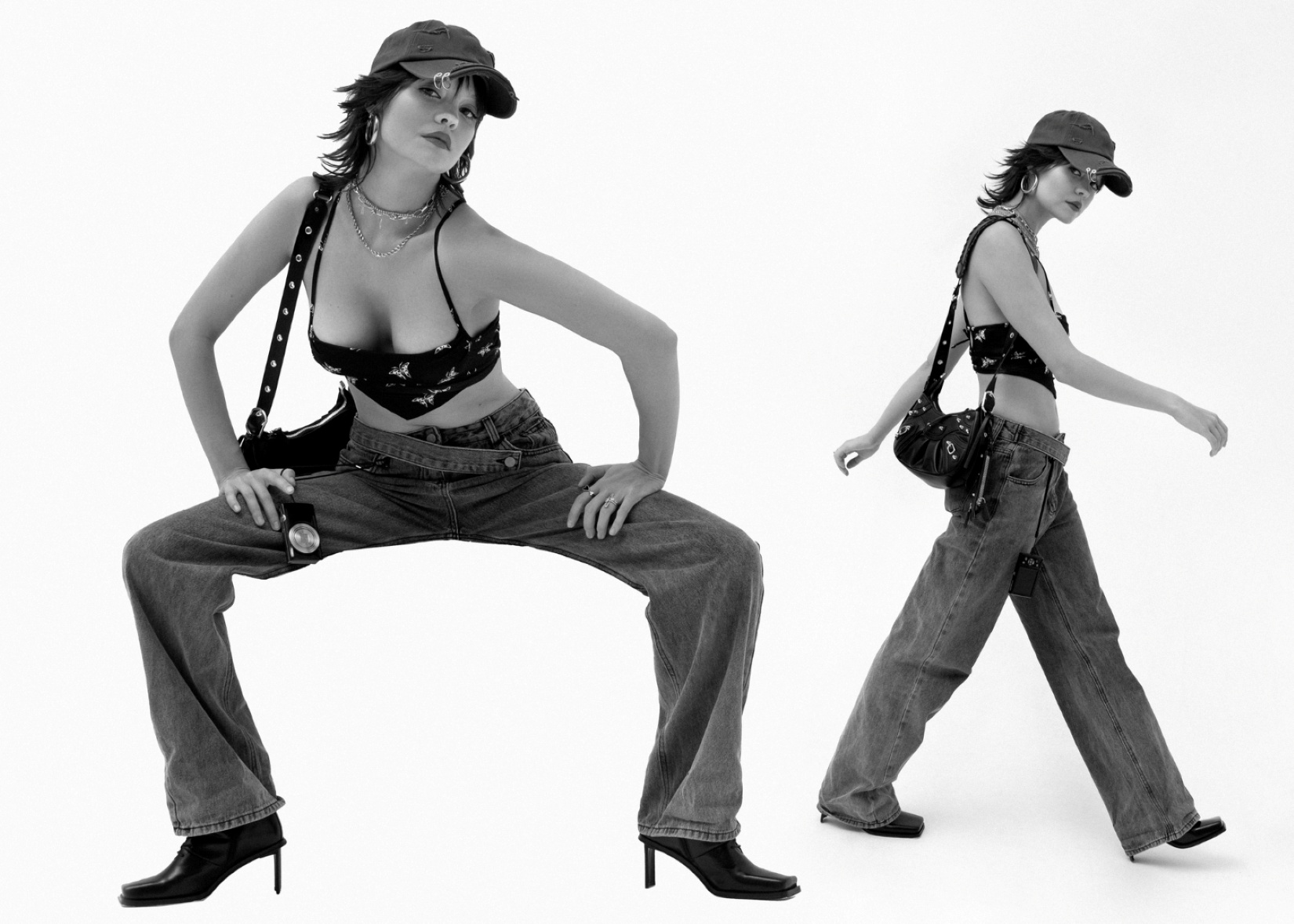
Perhaps no item symbolizes fashion trends in the 2000s more than low-rise jeans. Once abandoned for high-waisted alternatives, these hip-hugging denim pieces have returned to store racks, wholesale catalogs, and influencer feeds.
The 2026 interpretation differs from the original. Today's low-rise styles sit slightly higher than their predecessors, offering more comfort and versatility. Designers recognize that modern wearers want the aesthetic without sacrificing practicality. Brands like Miu Miu and Blumarine led this revival, followed by fast-fashion labels making the trend accessible to wider audiences.
Denim suppliers and manufacturers report strong reorder rates for low-rise styles across multiple price tiers. Offering various rises—from ultra-low to mid-low—allows testing of preferences and maximizes sell-through rates. Private label and OEM options enable customization of fits for specific target markets.
Styling these jeans has evolved beyond the original crop-top pairings. Layer them with oversized blazers, vintage band tees, or structured corsets to create balance and adapt the trend to different comfort levels and occasions.
#2 Velour Tracksuits: From Juicy Couture to Luxury Labels

The velour tracksuit defined casual luxury in the early 2000s. Juicy Couture made these matching sets synonymous with celebrity off-duty style. Now, this comfortable yet polished look has reclaimed its position in fashion consciousness, creating opportunities across multiple market segments.
Luxury brands have embraced the tracksuit trend with elevated materials and refined silhouettes. Versace, Fendi, and Balenciaga offer their interpretations, using premium fabrics and sophisticated color palettes. Meanwhile, mid-market and budget labels provide accessible alternatives that capture the aesthetic at various price points.
Velour tracksuits offer strong profit margins and high perceived value. Sets that can be sold separately increase average transaction values and provide styling flexibility. Custom embroidery and branding options through OEM partnerships allow creation of exclusive offerings that differentiate from competitors while giving wearers personalized pieces.
Contemporary styling emphasizes mixing textures and proportions. A velour hoodie might pair with tailored trousers, or velour pants could complement a silk camisole and statement jewelry, maximizing versatility and cost-per-wear value.
#3 Cargo Pants and Utility Details
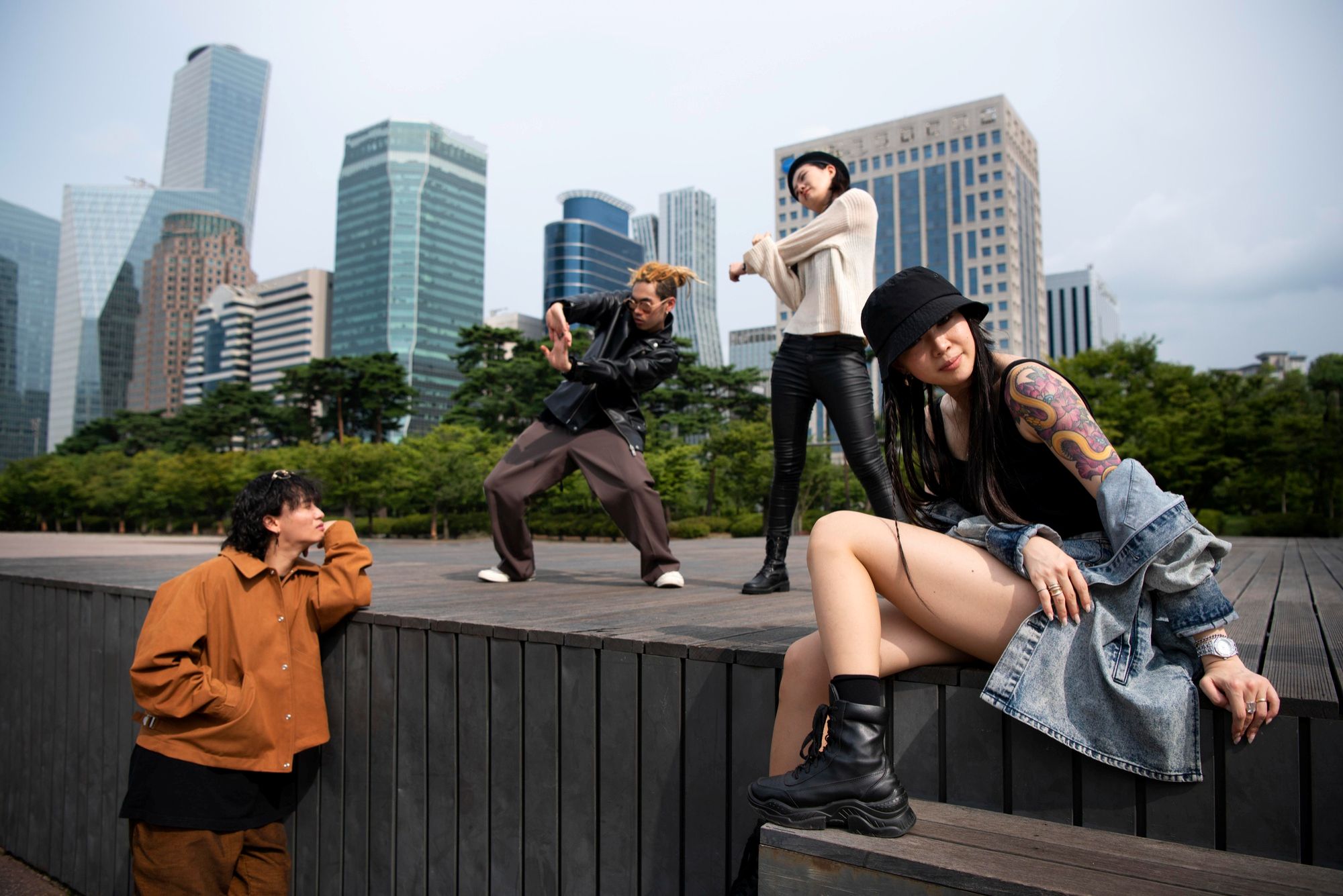
Functional fashion dominated the 2000s, with cargo pants leading the charge. These multi-pocketed trousers offered practicality wrapped in rebellious style. The 2026 version maintains the utilitarian spirit while incorporating modern tailoring techniques, appealing to those seeking both style and function.
Today's cargo pants feature streamlined silhouettes that flatter various body types. Designers have refined pocket placement and reduced bulk, creating cleaner lines. Colors have expanded beyond khaki and olive to include pastels, metallics, and bold prints.
Cargo pants demonstrate strong performance across gender categories, making them valuable for diverse market positioning. Bulk purchasing options and customizable features like adjustable waistbands or convertible lengths add value. The trend's longevity—already sustaining momentum for several seasons—suggests continued profitability and wardrobe relevance.
The versatility of cargo pants appeals to value-conscious decisions. They transition seamlessly from casual daytime looks with sneakers and fitted tops to evening ensembles when paired with heels and structured blazers, offering multiple styling options from a single purchase.
#4 Tiny Sunglasses: The Minimalist Eyewear Trend
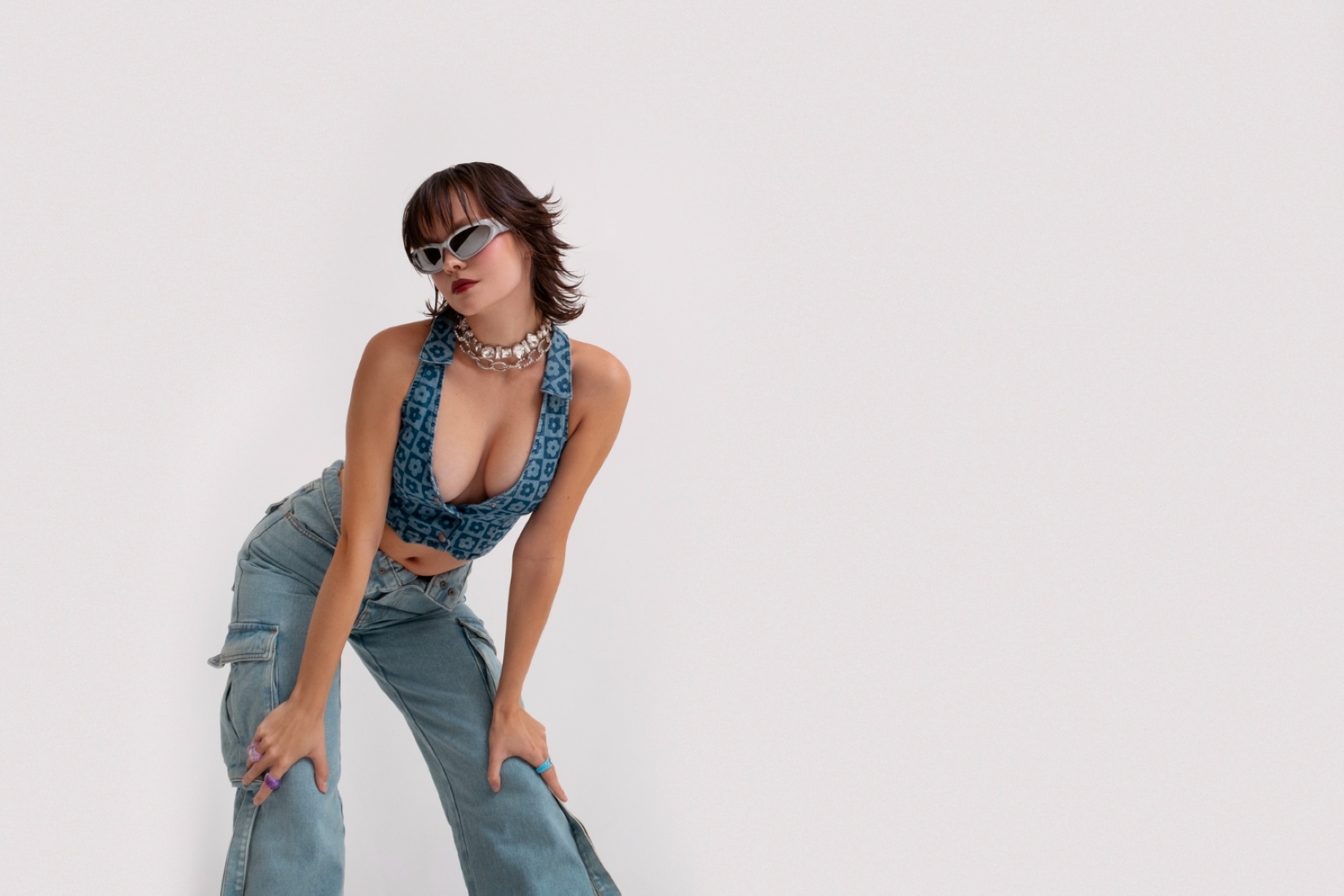
Oversized sunglasses eventually gave way to their polar opposite in the late 1990s and early 2000s. Tiny, narrow frames became the signature accessory, worn by everyone from The Matrix characters to pop stars. This eyewear trend has returned with enthusiasm, creating opportunities in the accessories market.
Brands like Roberi & Fraud and Le Specs produce modern versions that reference the original aesthetic while incorporating current design elements. The frames come in various shapes—oval, rectangular, and geometric—allowing selection of styles that complement different face shapes.
Sunglasses offer excellent margins and low inventory costs relative to apparel. The compact size reduces storage requirements and shipping expenses. Variety packs or mixed assortments help test which styles resonate best. ODM partnerships enable private label collections with minimal investment, while the accessible price points make these pieces attractive impulse additions.
These small sunglasses add edge to any outfit. They work particularly well with the current preference for statement-making accessories that don't overwhelm minimalist clothing, making them valuable for creating cohesive collections or personal style statements.
#5 Butterfly Clips and Hair Accessories
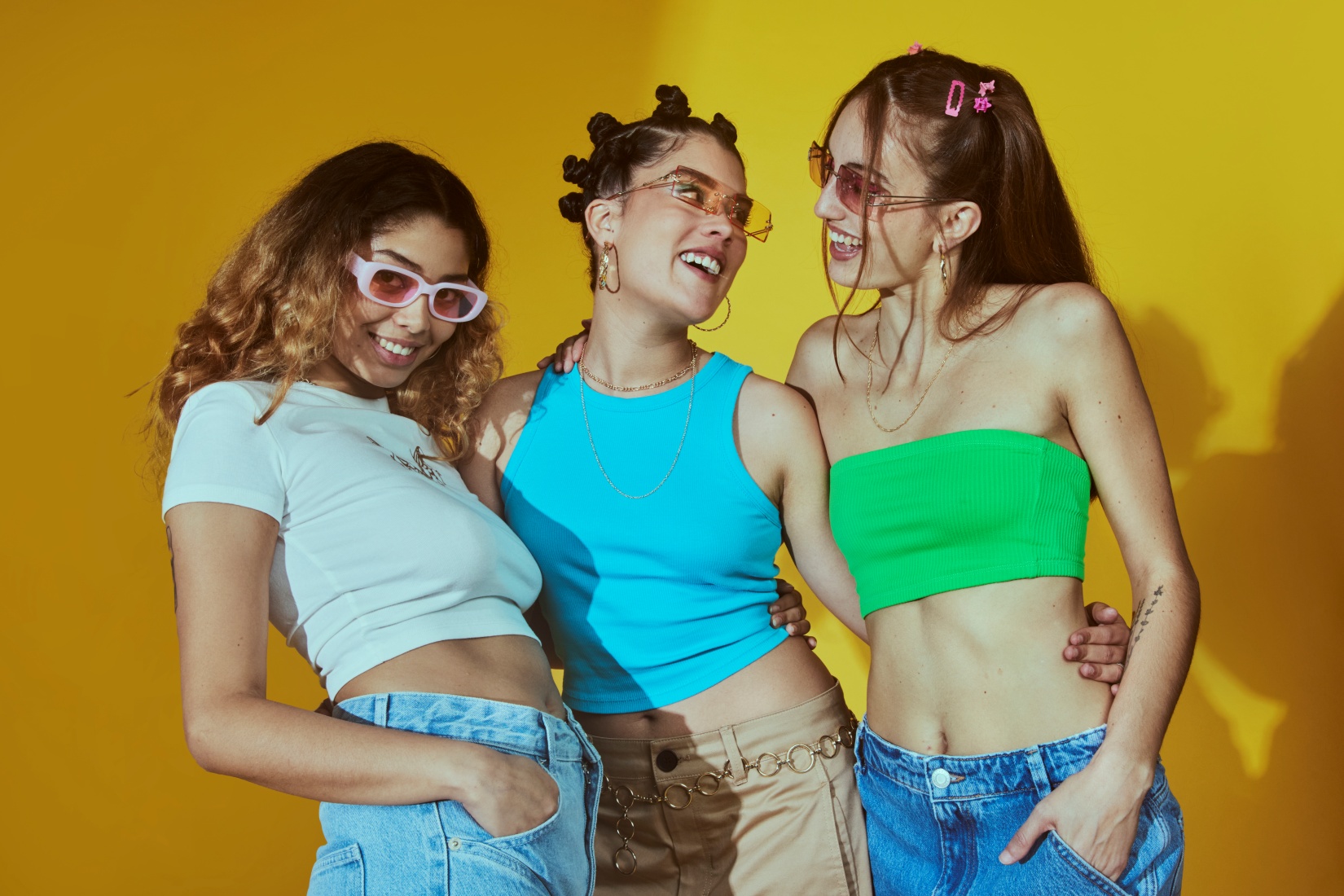
Hair accessories reached peak creativity during the fashion trends of the 2000s. Butterfly clips, claw clips, and decorative bobby pins adorned hairstyles ranging from space buns to sleek ponytails. The return of these accessories reflects a broader movement toward playful, expressive styling.
Hair clips now feature upgraded materials like resin, metal, and semi-precious stones. Designers create pieces that function as jewelry for hair, elevating simple hairstyles into fashion statements.
Hair accessories represent low-risk, high-margin inventory with minimal size and fit concerns. They appeal to impulse decisions and make excellent add-on items. Bulk purchasing reduces per-unit costs significantly, while customization options allow creation of branded collections. The accessories category also benefits from gift-giving occasions, driving consistent year-round demand.
These accessories offer quick styling solutions for various hair types and lengths at affordable prices. They also provide relief from heat styling, aligning with the growing emphasis on hair health and natural textures.
#6 Denim-on-Denim: The Canadian Tuxedo Returns
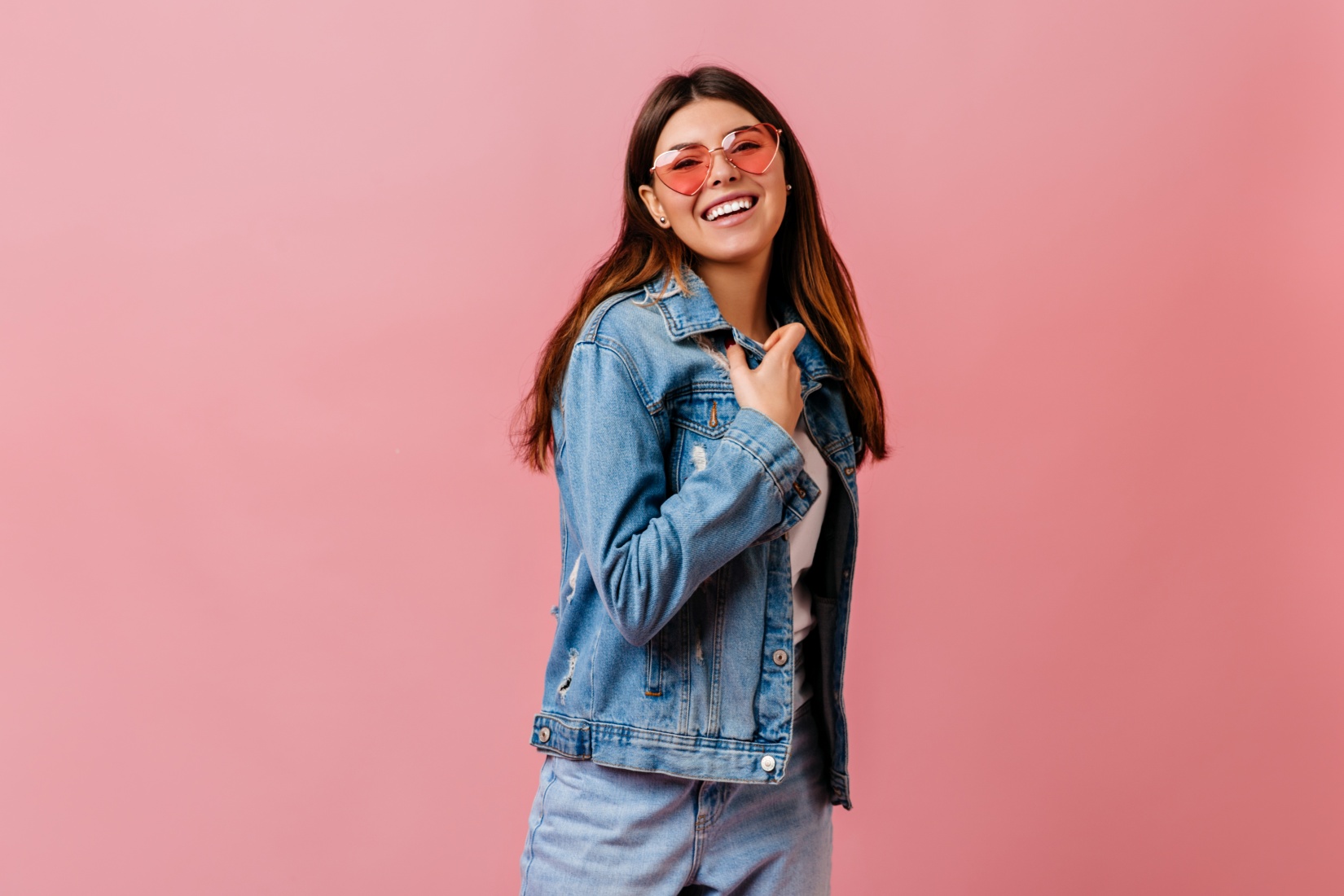
Wearing denim head-to-toe was a defining characteristic of early 2000s style. This look, sometimes called the "Canadian tuxedo," appeared everywhere from red carpets to music videos. The 2026 approach emphasizes contrast and intentionality, creating selling opportunities across denim categories.
Mixing different washes—pairing light denim with dark, or adding colored denim to traditional blue—creates visual interest. Incorporating various denim weights and textures prevents the outfit from appearing flat.
The denim-on-denim trend encourages multiple-item purchases, increasing overall value. Curated sets or complementary pairings through visual merchandising and online recommendations facilitate this styling approach. Sourcing coordinating pieces in various washes supports this trend. Denim's durability and timeless appeal also minimize markdown risk and extend wardrobe longevity.
Break up the denim with accessories, belts, or layered jewelry. Adding a third fabric, like a leather jacket or silk scarf, introduces additional dimension. The key lies in making the choice appear deliberate rather than accidental.
#7 Rhinestones and Embellishments

Sparkle defined Y2K fashion. Rhinestones adorned everything from jeans to handbags, creating looks that caught light and attention. This maximalist approach to embellishment has returned with renewed vigor, offering premium positioning opportunities.
Current designers incorporate rhinestones more strategically than their 2000s counterparts. Rather than covering entire garments, they use crystals to highlight specific areas—necklines, cuffs, or seams. This restraint allows the embellishments to enhance rather than overwhelm.
Embellished items command higher price points and stronger perceived value. These pieces can elevate brand positioning and improve profit margins. Quality evaluation is essential, as poor rhinestone application leads to dissatisfaction and returns. Custom embellishment services through OEM partners allow creation of exclusive designs that differentiate offerings and provide unique wardrobe pieces.
The trend extends beyond clothing to accessories and beauty. Rhinestone-studded sunglasses, phone cases, and even nail art reference the era's love of glamour, offering multiple entry points at various price levels.
#8 Platform Shoes and Chunky Footwear
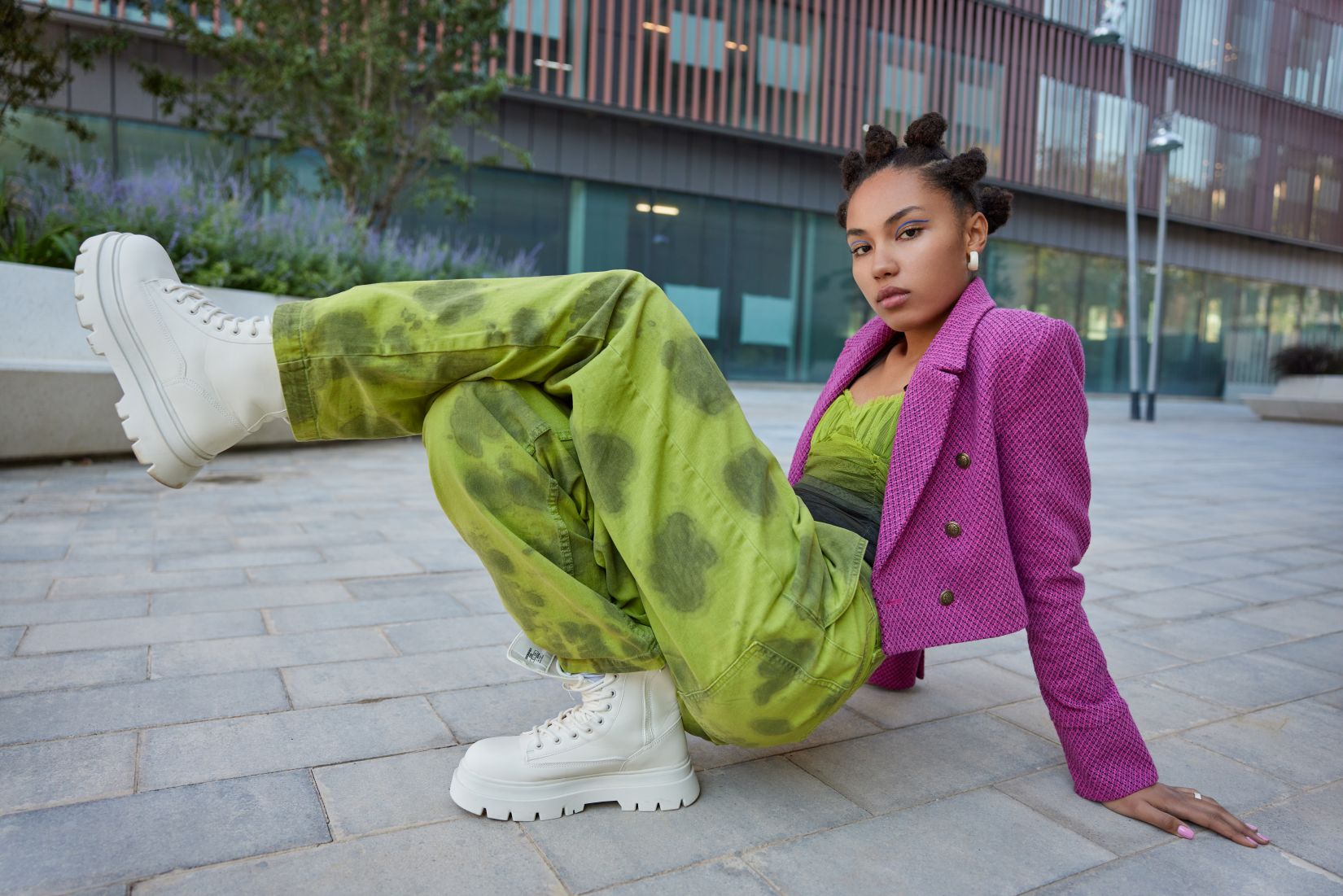
Footwear in the 2000s favored height and presence. Platform sandals, chunky sneakers, and thick-soled boots dominated shoe collections. These styles have returned, offering both aesthetic appeal and practical benefits while creating robust demand across footwear categories.
Modern platform shoes incorporate improved comfort technology. Brands recognize that wearers want the look without sacrificing wearability. Memory foam insoles, arch support, and lighter materials make today's platforms more accessible for extended wear.
Footwear represents significant investment but offers strong margins and loyalty. The chunky sneaker trend, popularized by brands like Buffalo London in the 1990s and early 2000s, has exploded across price tiers. Stocking multiple heel heights and platform thicknesses accommodates varying comfort preferences. Bulk orders often include favorable payment terms and exclusive colorways.
These shoes pair well with both feminine dresses and casual streetwear, demonstrating versatility that justifies the investment. The added height provides confidence and presence while the chunky construction offers stability and comfort.
#9 Baby Tees and Fitted Tops
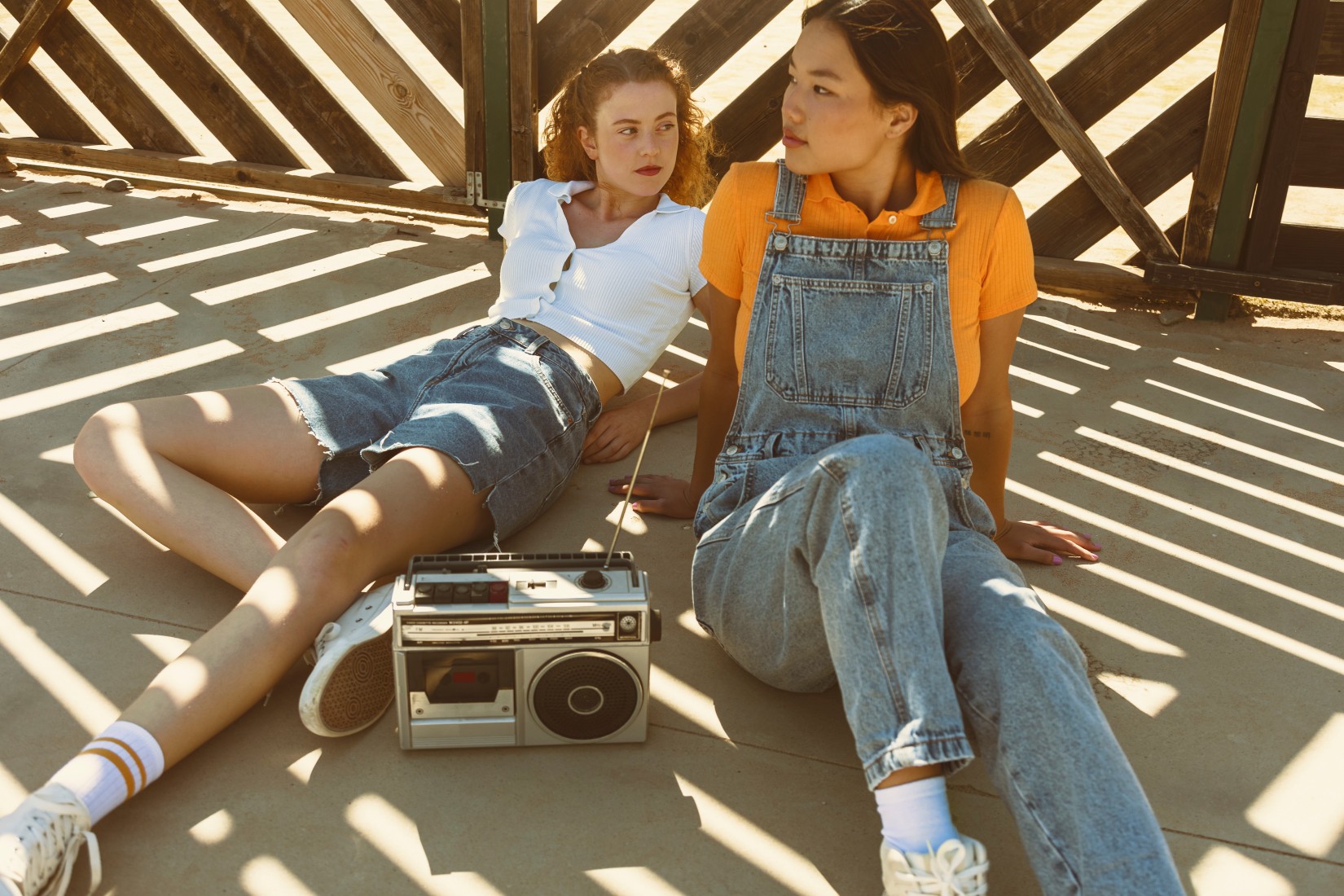
Tight, cropped t-shirts with playful graphics or simple text became uniform for young people in the early 2000s. These baby tees have returned as foundational wardrobe pieces for the Y2K revival.
Contemporary versions maintain the fitted silhouette while offering more size inclusivity. Production now includes extended size ranges and uses stretchier, more forgiving fabrics. Graphics range from nostalgic references to modern statements, allowing expression of personality through clothing.
Baby tees represent accessible entry points into the Y2K trend. Their low price points encourage multiple purchases and experimentation with different graphics and colors. The simple construction keeps production costs manageable while the nostalgic appeal drives consistent demand. Custom printing options enable quick response to trending graphics and personalization.
Layering has become the preferred styling method. Baby tees appear under slip dresses, oversized shirts, or sheer tops. This layering adds depth to outfits while making the trend more wearable for those who prefer more coverage.
#10 Metallic Fabrics and Futuristic Textures
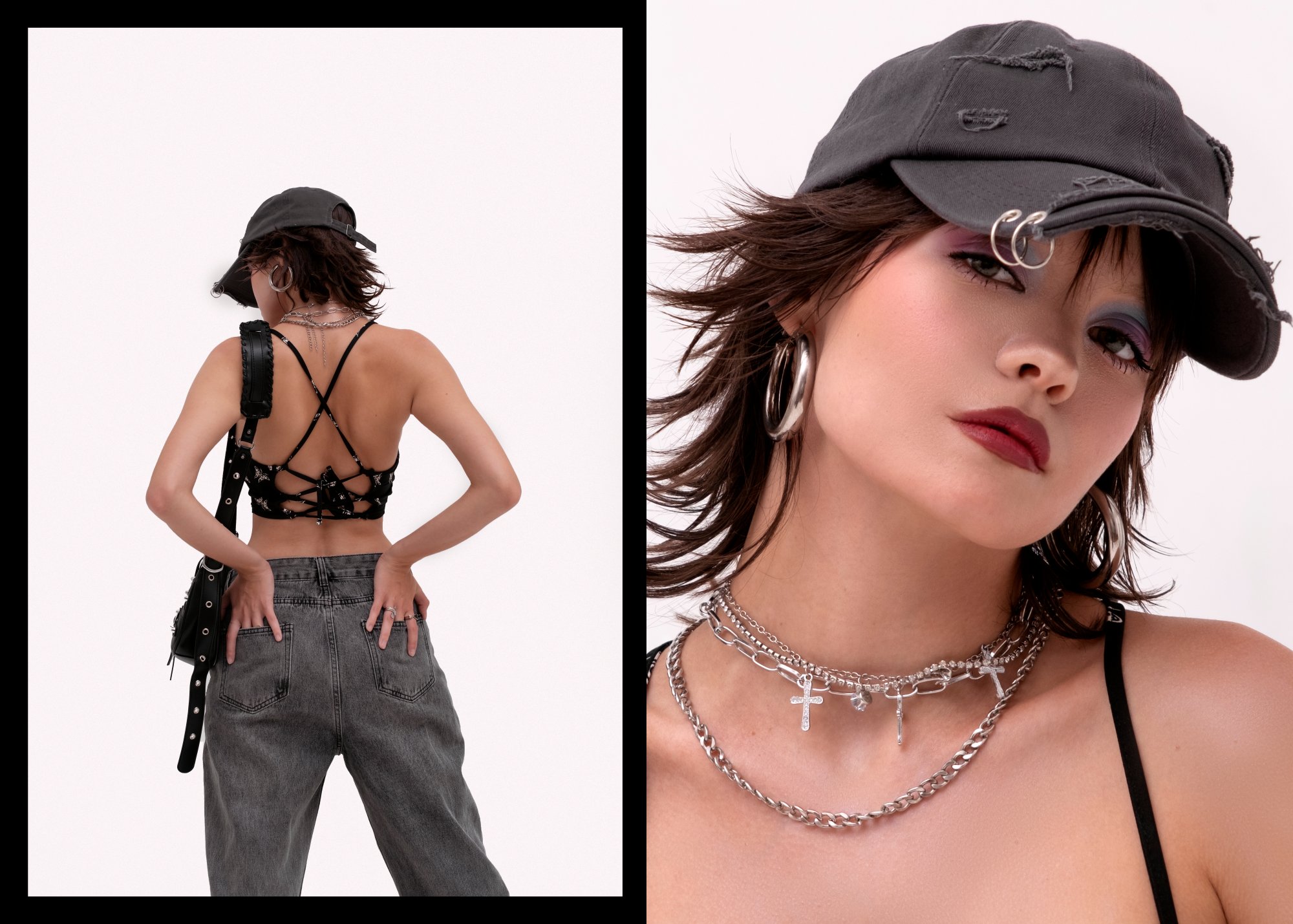
The turn of the millennium brought fascination with technology and the future. This manifested in fashion through metallic fabrics, holographic materials, and space-age silhouettes.
Designers in 2026 reference this futuristic aesthetic through innovative fabric choices. Metallic pleats, iridescent coatings, and reflective materials appear in both high fashion and accessible brands. These fabrics photograph beautifully, making them popular for social media content and marketing materials.
Metallic pieces offer differentiation in crowded markets. The eye-catching nature of these fabrics attracts attention both in physical displays and online listings. While production costs run higher than standard textiles, the premium pricing and strong visual impact justify the investment. Sourcing options range from full metallic garments to pieces with metallic accents, allowing various price point strategies.
Incorporating metallics requires balance. Pairing these statement pieces with neutral basics prevents overwhelming the eye. A metallic skirt might pair with a simple black turtleneck, or holographic pants could complement a white tank top.
#11 Baguette Bags and Mini Handbags
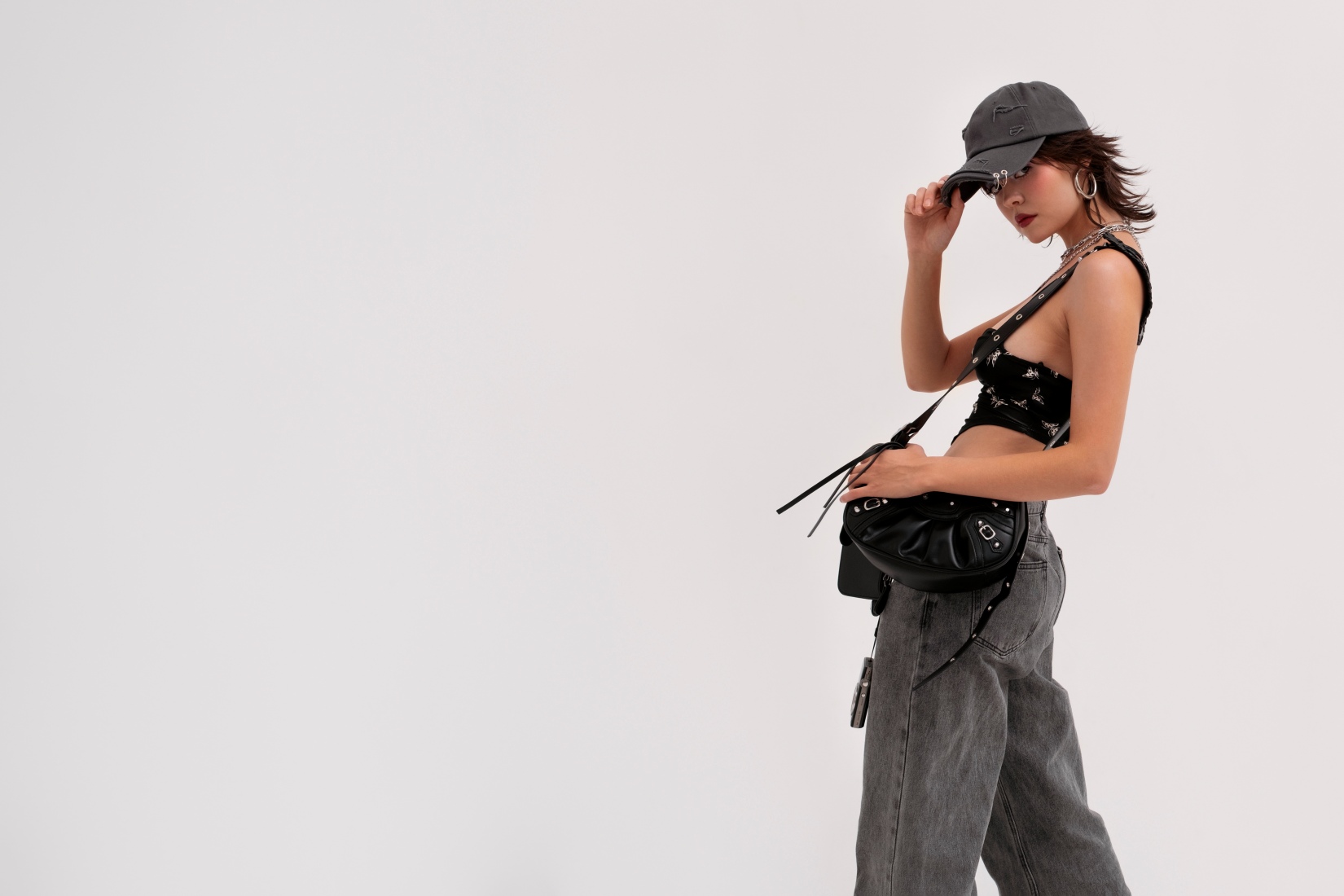
Fendi's Baguette bag defined luxury accessories in the late 1990s and early 2000s. This compact, shoulder-worn style influenced countless designs and established the mini bag trend.
The return of small handbags reflects changing priorities. These bags encourage mindful consumption—carrying only essentials rather than accumulating unnecessary items. They also complement the current preference for streamlined, uncluttered aesthetics.
Mini bags offer excellent margins relative to their material costs. The reduced leather or fabric requirements lower production expenses while the designer appeal maintains premium pricing. Various materials—from classic leather to contemporary nylon and sustainable alternatives—allow positioning across multiple price tiers. The compact size also reduces shipping costs and storage space requirements.
Designers offer baguette bags in various materials and price points. The size limitation has inspired creative solutions, with some bags featuring hidden compartments or expandable sections that add functional value.
#12 Matching Sets and Coordinated Outfits
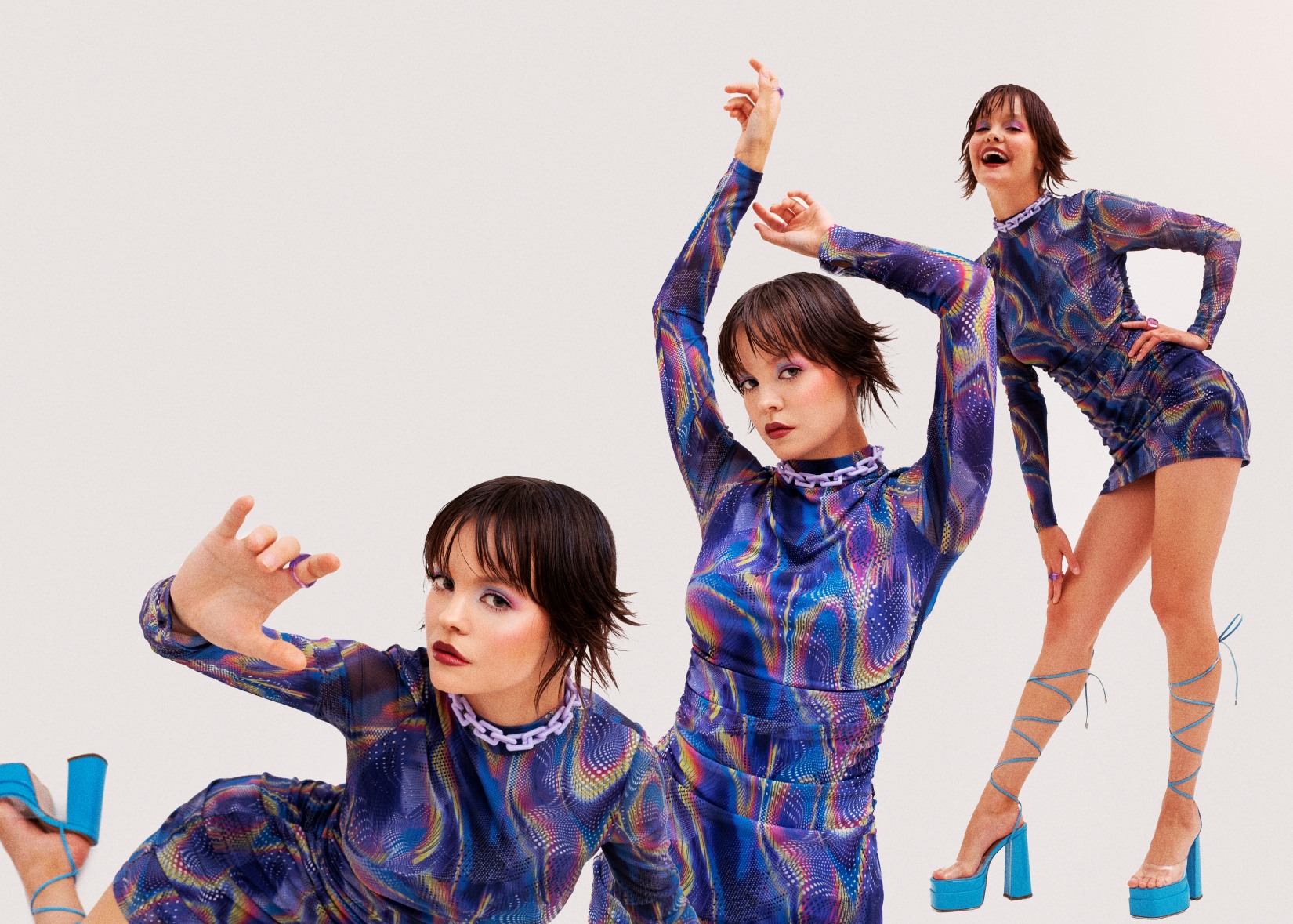
Coordination characterized 2000s fashion trends, with matching sets appearing in various forms—from tracksuits to denim ensembles to printed co-ords.
Today's matching sets emphasize ease and polish. They offer instant outfit solutions that appear thoughtfully composed with minimal effort. This appeals to those seeking efficiency without sacrificing style.
Matching sets drive higher average order values compared to single-item purchases. Offering pieces separately provides flexibility while suggesting the coordinated look encourages complete set purchases. The range of available sets—knit coordinates, linen suits, printed sets, and athletic-inspired combinations—ensures options for multiple occasions and seasons. Sets also simplify inventory management and merchandising decisions.
The variety ensures that matching sets work for multiple occasions, from professional settings to weekend activities, maximizing versatility and wear frequency.
#13 Skinny Scarves and Neck Accessories

Thin scarves tied around the neck added a finishing touch to many early 2000s outfits. This accessory, often in silk or satin, provided color and texture without bulk.
The skinny scarf has returned as a versatile styling tool. Wearers tie them around necks, thread them through belt loops, wrap them around bag handles, or use them as hair accessories. This multifunctionality increases value in modern wardrobes and merchandising strategies.
Scarves offer high margins with low production costs. The minimal fabric requirements and simple construction keep expenses manageable while the luxury associations support premium pricing. Patterns range from classic prints to bold graphics, allowing seasonal updates without major inventory overhauls. Vintage sourcing provides authentic pieces with built-in storytelling value.
Some fashion enthusiasts collect vintage scarves from the actual 2000s era, while others purchase contemporary versions from both luxury and affordable brands, creating opportunities across market segments.
#14 Patchwork and Mixed Prints
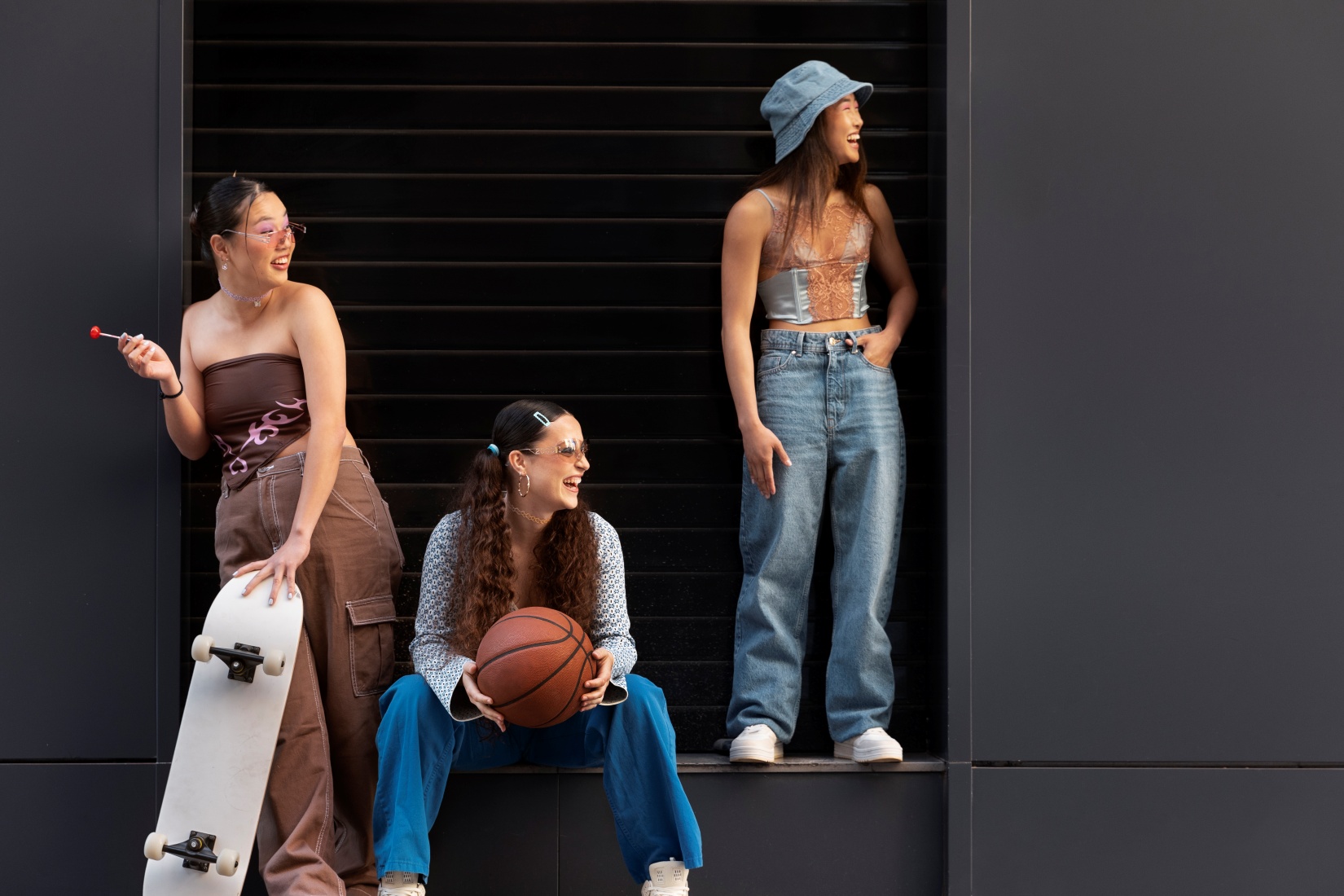
The early 2000s embraced eclectic combinations. Patchwork denim, mixed prints, and clashing patterns appeared frequently, reflecting the era's experimental spirit.
This trend has evolved to include more sophisticated mixing techniques. Designers consider color theory and scale when combining patterns, creating harmonious looks despite the variety. The result feels intentional rather than chaotic.
Patchwork and mixed prints offer creative differentiation. These pieces stand out in crowded markets and photograph well for online platforms. The unique nature of patchwork can justify higher price points while creating perceived exclusivity. Production considerations include managing multiple fabric types and ensuring quality construction across pattern transitions.
Experimentation with this trend can start with prints in similar color families or mixing different scales of the same pattern to build confidence. The goal is expressing individuality while maintaining visual coherence.
Sourcing and Production Considerations for Y2K Fashion
The revival of early 2000s fashion trends presents unique sourcing opportunities. Many suppliers now specialize in Y2K-inspired pieces, offering everything from authentic vintage deadstock to modern reproductions.
OEM and ODM partnerships enable customization of classic Y2K silhouettes with modern improvements—better sizing, sustainable materials, or enhanced durability. Minimum order quantities have become more flexible as suppliers recognize the trend's broad appeal. Private label options allow brand differentiation while capitalizing on established trend momentum.
Quality control remains essential. The original 2000s pieces often featured construction shortcuts that modern standards don't accept. Ensuring proper rhinestone application, durable velour that withstands washing, and platform shoes with adequate support protects reputation and reduces returns.
Sustainable sourcing has become increasingly important. Vintage and deadstock sourcing reduces environmental impact while providing authentic pieces. For new production, eco-friendly alternatives to traditional materials—recycled polyester for velour, water-based adhesives for rhinestones, and responsibly sourced leather for accessories—align with growing environmental consciousness.
Marketing Y2K Fashion Across Channels
Successfully marketing fashion trends in the 2000s requires understanding where audiences discover and engage with these trends. Social media platforms, particularly TikTok and Instagram, drive awareness and desire. Content showcasing styling versatility, behind-the-scenes production, or nostalgic references performs well.
User-generated content amplifies reach. Encouraging customers to share their Y2K looks creates authentic marketing while building community. Hashtag campaigns tied to specific trends or products increase discoverability.
Email marketing can segment audiences by age group—targeting millennials with nostalgia-driven messaging while appealing to Gen Z with fresh, modern interpretations. Product bundling suggestions that create complete Y2K looks increase transaction values.
Physical displays benefit from era-appropriate aesthetics. Incorporating early 2000s design elements—iridescent materials, bold graphics, and tech-inspired details—creates immersive shopping experiences that resonate with the trend's essence.
Pricing Strategies for Y2K Pieces
The fashion trends of the 2000s span multiple price tiers, from accessible fast fashion to luxury interpretations. Understanding positioning helps maximize profitability and market penetration.
Entry-level pieces like baby tees, hair accessories, and skinny scarves work well at lower price points. These items introduce customers to the trend with minimal financial commitment while offering strong margins due to low production costs.
Mid-tier items including cargo pants, velour sets, and platform shoes represent the trend's core. These pieces balance quality with accessibility, appealing to the broadest audience. Competitive pricing in this segment drives volume while maintaining healthy margins.
Premium positioning works for embellished items, designer collaborations, and limited editions. The unique nature of heavily rhinestoned pieces or exclusive colorways justifies higher prices. Authentic vintage pieces from recognized brands can command significant premiums due to scarcity and authenticity.
Bundle pricing encourages multiple purchases. Offering slight discounts on matching sets, coordinated denim pieces, or accessory collections increases average order values while providing perceived savings.
Inventory Management for Trend-Driven Fashion
Managing inventory for early 2000s fashion trends requires balancing enthusiasm with caution. While the trend shows staying power, fashion's cyclical nature demands strategic planning.
Start with core items that demonstrate broad appeal—basic cargo pants, simple platform sneakers, or classic baby tees. These foundational pieces minimize risk while establishing trend presence. Monitor sell-through rates closely to identify which specific styles resonate most.
Test trend-forward items in smaller quantities. Heavily embellished pieces, extreme low-rise jeans, or bold patchwork designs appeal to fashion-forward segments but may have narrower markets. Limited initial orders allow gauging demand without excess inventory risk.
Reorder strategies should account for production lead times. Fast-moving items need quick replenishment capabilities, whether through domestic production, air shipping, or maintaining strategic stock levels. Slower-moving specialty items may warrant single production runs to maintain exclusivity and prevent markdowns.
Seasonal considerations affect different Y2K categories uniquely. Velour tracksuits peak in fall and winter, while mini bags and tiny sunglasses drive summer sales. Platform sandals and metallic fabrics align with spring and festival seasons. Planning inventory flow around these patterns optimizes cash flow and storage capacity.
Size Inclusivity in Y2K Fashion
Original 2000s fashion trends often featured limited sizing that excluded many body types. Modern interpretations must address this gap to maximize market potential and align with contemporary values.
Extended size ranges have become standard expectations. Producing baby tees, cargo pants, and velour sets in comprehensive size runs opens previously untapped markets. The incremental production costs are minimal compared to the revenue opportunities.
Fit modifications improve wearability across body types. Low-rise jeans with slight stretch accommodate more figures comfortably. Platform shoes with wider toe boxes and adjustable straps increase accessibility. These adaptations maintain the Y2K aesthetic while improving functionality.
Marketing should showcase diverse body types wearing Y2K trends. Representation in product photography, social content, and advertising builds trust and demonstrates that these trends work for everyone. This inclusive approach expands customer bases while building brand loyalty.
How to Style Y2K Trends for Modern Wear
Successfully incorporating fashion trends of the 2000s in 2026 requires thoughtful adaptation. The key lies in selection and styling rather than exact replication.
Choose one or two Y2K elements per outfit rather than committing fully to the era. Pair low-rise jeans with a contemporary blazer, or wear a baby tee with modern wide-leg trousers. This mixing prevents costumey appearances while honoring the nostalgic references.
Consider quality and fit carefully. Modern bodies and lifestyles differ from two decades ago. Select pieces that flatter individual shapes and support daily activities. Tailoring can help vintage finds work better for contemporary wear, adding value through customization services.
Balance trends with timeless pieces. A classic trench coat can ground a metallic skirt, while simple leather boots can anchor patchwork jeans. This approach creates outfits that feel current rather than dated.
Accessorizing makes the difference between costume and fashion. Modern bags, contemporary jewelry, or current shoe styles can update Y2K clothing pieces. Conversely, Y2K accessories like tiny sunglasses or butterfly clips can add nostalgic touches to otherwise modern outfits.
Sustainability and the Y2K Revival
The return of 2000s fashion presents opportunities for sustainable practices. Shopping vintage and secondhand allows participation in trends while reducing environmental impact.
Thrift stores, consignment shops, and online resale platforms offer authentic pieces from the era. These items often feature better construction than fast-fashion reproductions, providing longer-lasting additions to inventory or personal wardrobes. Establishing relationships with vintage suppliers creates consistent sourcing channels for authentic Y2K pieces.
Upcycling and customization extend garment lifecycles. Adding rhinestones to existing denim, cropping oversized tees into baby tees, or dyeing cargo pants in trending colors transforms deadstock or returned items into desirable products. These practices reduce waste while creating unique offerings.
Transparent communication about sustainability efforts resonates with conscious consumers. Highlighting vintage sourcing, eco-friendly materials, or ethical production practices differentiates brands in competitive markets. Certifications and third-party verification add credibility to sustainability claims.
Repair and alteration services extend product lifecycles. Offering rhinestone reapplication, hem adjustments for low-rise jeans, or platform shoe resoling builds customer relationships while supporting circular fashion principles.
The Future of Y2K Fashion
The revival of fashion trends of the 2000s shows no signs of slowing. As we move through 2026, expect continued evolution and reinterpretation of these iconic looks.
Emerging designers bring fresh perspectives to Y2K aesthetics, combining them with other influences and contemporary concerns. Technology integration, sustainable materials, and inclusive sizing will shape how these trends develop. Staying informed about these evolutions helps maintain relevance and competitiveness.
Adjacent trends will emerge from the Y2K revival. As certain elements become mainstream, fashion-forward segments will seek the next nostalgic era or push Y2K aesthetics in unexpected directions. Monitoring street style, runway shows, and social media signals helps anticipate these shifts.
The cyclical nature of fashion guarantees that today's trends will eventually give way to new revivals. However, the current enthusiasm for 2000s style demonstrates how powerful nostalgia can be when combined with modern innovation and accessibility.
Investment in Y2K inventory should account for this lifecycle. While the trend maintains strength now, planning exit strategies for slower-moving items protects profitability. Markdown calendars, outlet channels, or donation programs prevent excess inventory from becoming financial burdens.
Conclusion
2000s fashion trends have proven their staying power by adapting to contemporary values while maintaining their distinctive character. Whether embracing the full Y2K aesthetic or incorporating select elements, these trends offer endless opportunities for creative expression and commercial success. The key is making them work for specific markets, body types, and preferences—exactly what fashion should always do. Understanding the balance between nostalgia and innovation, accessibility and exclusivity, and trend and timelessness positions any approach to Y2K fashion for success in 2026 and beyond.

