




The early 2000s have returned to dominate contemporary fashion with remarkable intensity. 2000s fashion trends for women now fill retail racks, influence runway shows, and drive social media conversations across platforms. Retailers who understand these nostalgic styles can tap into a powerful consumer base spanning millennials who lived through the era and Gen Z shoppers discovering it anew.
This resurgence extends beyond simple nostalgia. The revival reflects evolving attitudes toward self-expression, body positivity debates, and the cyclical nature of style. Stocking authentic 2000s women's fashion trends requires retailers to balance period accuracy with modern sensibilities and diverse customer needs.
#1 Low-Rise Jeans: The Polarizing Staple
The Return of Hip-Hugging Denim
Low-rise jeans defined early millennium style, sitting several inches below the natural waistline. These controversial bottoms have re-emerged despite ongoing debates about comfort and body inclusivity. Retailers stock various rises—from ultra-low to mid-low—allowing customers to choose their comfort level while participating in the trend.
Styling Options for Modern Consumers
Today's 2000s fashion trends women embrace include pairing low-rise denim with cropped tops, baby tees, or longer tunics for coverage. Retailers benefit from offering styling guidance that acknowledges different body types and personal preferences. Bootcut, flare, and straight-leg silhouettes in low-rise cuts appeal to various aesthetic preferences.
Wholesale Considerations
Bulk buyers should source multiple rise options within the low-rise category. Custom sizing and OEM partnerships help retailers serve broader customer bases. Denim weights, stretch percentages, and wash variations create diverse inventory that addresses different market segments.

#2 Velour Tracksuits: Luxury Loungewear Returns
From Juicy Couture to Contemporary Brands
Velour tracksuits epitomized 2000s casual luxury. The matching hoodie-and-pants combinations in jewel tones and pastels have returned with updated fits and sustainable fabric options. Retailers find strong demand for both authentic vintage pieces and modern reproductions.
Material and Quality Variations
Contemporary versions incorporate cotton-polyester blends, organic materials, and improved construction. Wholesale buyers can source tracksuits at multiple price points—from budget-friendly options to premium collections. Embellishments like rhinestone details, embroidered logos, and contrasting piping add authenticity.
Market Positioning Strategies
2000s fashion trends for women in the athleisure category bridge comfort and style. Retailers position velour sets as versatile pieces for travel, casual outings, or home wear. Offering separates alongside complete sets increases average transaction values and provides flexibility for different body proportions.
#3 Baby Tees and Fitted Tops
The Cropped Silhouette Revolution
Tiny, fitted t-shirts with cropped hemlines became iconic during the 2000s. These tops featured graphic prints, brand logos, rhinestone embellishments, and playful slogans. The current revival includes both vintage-inspired designs and contemporary interpretations with inclusive sizing.
Fabric Technology and Fit
Modern baby tees incorporate stretch fabrics that accommodate various body types while maintaining the fitted aesthetic. Retailers stock ribbed cotton, jersey blends, and seamless constructions. Length variations—from ultra-cropped to just-above-waist—address different comfort levels and styling preferences.
Graphic Design Trends
Popular prints include butterfly motifs, tribal patterns, Chinese characters, and Y2K-era brand logos. Custom printing services allow retailers to create exclusive designs that reference 2000s women's fashion trends while avoiding trademark issues. Wholesale buyers benefit from ODM partnerships that develop unique graphic collections.
#4 Cargo Pants: Utilitarian Chic
Pocket-Heavy Bottoms Reimagined
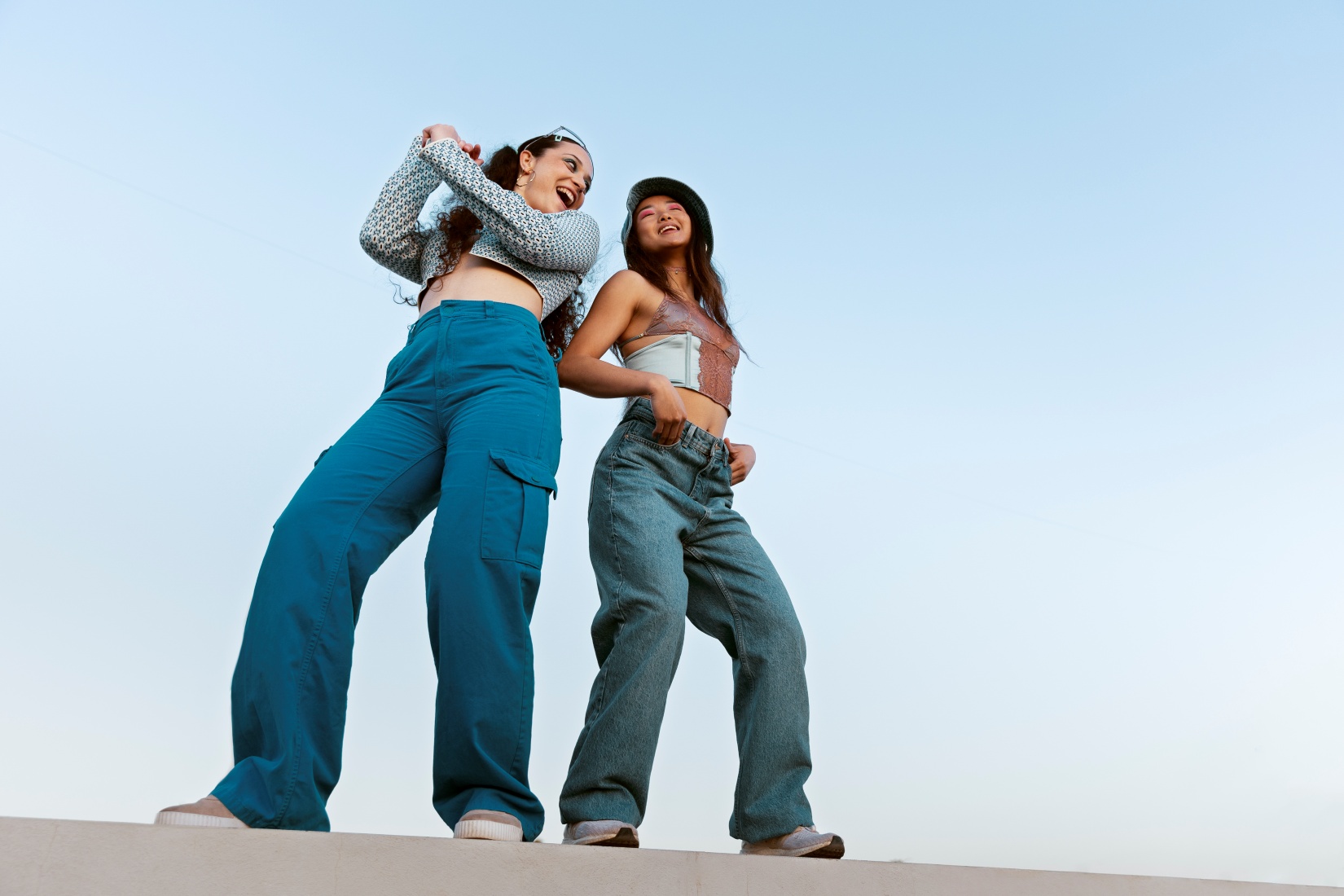
Cargo pants with multiple pockets, low rises, and relaxed fits dominated early 2000s streetwear. Contemporary versions include high-rise options, tapered legs, and refined silhouettes that maintain utilitarian details while offering improved proportions.
Fabric and Color Expansion
Original cargos featured khaki, olive, and black ripstop fabrics. Today's iterations include satin finishes, parachute materials, denim constructions, and bold colors. Retailers who stock diverse fabrications capture different style preferences—from authentic reproductions to fashion-forward interpretations.
Styling Versatility
2000s fashion trends women appreciate today include pairing cargos with fitted tops, chunky sneakers, and layered accessories. Retailers provide styling inspiration showing how these utilitarian pieces transition from casual to elevated looks. Wholesale inventory should include various leg widths and pocket configurations.
#5 Butterfly Motifs and Y2K Graphics
Symbolic Imagery of the Era
Butterflies, stars, hearts, and tribal designs appeared everywhere during the 2000s—on clothing, accessories, and even as temporary tattoos. This graphic language has returned across product categories, from printed tees to embroidered denim.
Application Techniques
Modern production methods include digital printing, puff printing, rhinestone application, and embroidery. Retailers source items with these embellishments or partner with customization services. Bulk buyers negotiate pricing for various application methods, balancing cost with quality expectations.
Product Category Integration
Butterfly and Y2K graphics extend beyond apparel into accessories, footwear, and jewelry. Retailers create cohesive collections that allow customers to build complete looks. 2000s fashion trends for women encompass this coordinated approach to nostalgic styling.
#6 Denim-on-Denim: The Canadian Tuxedo
Matching Denim Sets
Wearing denim tops with denim bottoms—often in matching washes—characterized 2000s casual style. The trend has returned with intentional matching and contrasting wash combinations. Retailers stock coordinated sets and provide guidance for mixing different denim shades.
Wash and Treatment Varieties
Acid wash, distressed finishes, whiskering, and stone washing define authentic 2000s women's fashion trends in denim. Contemporary versions add eco-friendly treatments and sustainable production methods. Wholesale buyers source from manufacturers offering various finishing techniques at competitive price points.
Styling Beyond Basics
Modern interpretations layer denim pieces with contrasting textures—leather, velour, or knitwear. Retailers demonstrate how to break up denim-on-denim with accessories, belts, and layering pieces. This approach makes the trend accessible to customers hesitant about full matching sets.
#7 Platform Shoes and Chunky Footwear
Elevated Silhouettes
Platform sandals, chunky sneakers, and thick-soled boots defined 2000s footwear. These height-boosting styles have returned across all footwear categories, from athletic shoes to formal heels. Retailers stock various platform heights to accommodate different comfort levels and styling needs.
Material and Construction Updates
Contemporary platforms incorporate improved cushioning, arch support, and lightweight materials. Wholesale buyers source from manufacturers who balance authentic aesthetics with modern comfort technology. Custom orders allow retailers to develop exclusive colorways and material combinations.
Seasonal Variations
2000s fashion trends for women in footwear adapt across seasons. Summer platforms feature clear straps and open toes, while winter versions include chunky boots with lug soles. Retailers maintain year-round platform inventory with seasonal material and style adjustments.

#8 Metallic Fabrics and Futuristic Textures
Space-Age Aesthetics
Silver, holographic, and iridescent fabrics reflected the millennium's futuristic optimism. These materials have returned in tops, skirts, outerwear, and accessories. Retailers find particular demand for metallic pieces as statement items within otherwise neutral wardrobes.
Fabric Sourcing and Quality
Metallic coatings, laminated fabrics, and holographic films vary significantly in quality and durability. Wholesale buyers evaluate fabric hand-feel, coating adhesion, and care requirements. Higher-quality metallics justify premium pricing while budget options serve trend-conscious shoppers.
Styling Integration
Modern consumers incorporate metallic pieces as accents rather than head-to-toe looks. Retailers provide styling suggestions that balance futuristic textures with contemporary basics. 2000s women's fashion trends in metallics work best when merchandised with complementary neutral pieces.
#9 Mini Skirts and Micro Lengths
The Shortest Hemlines
Ultra-short skirts in denim, pleated fabrics, and knits characterized 2000s femininity. The trend has returned with discussions about body autonomy, dress codes, and personal choice. Retailers stock various lengths within the "mini" category, acknowledging different comfort zones.
Fabric and Construction Varieties
Denim minis, pleated tennis skirts, and bodycon knit versions each appeal to different style preferences. Wholesale inventory includes multiple fabrications, waistband styles, and closure types. Custom manufacturing allows retailers to develop exclusive mini skirt collections with unique details.
Layering and Modesty Options
Contemporary styling includes layering mini skirts over pants, tights, or bike shorts. Retailers who acknowledge diverse modesty preferences and styling approaches serve broader customer bases. 2000s fashion trends for women today embrace individual interpretation rather than prescriptive rules.
#10 Rhinestones and Embellishments
Sparkle Everywhere
Rhinestone-encrusted everything defined 2000s glamour—from jeans pockets to graphic tees to accessories. This embellishment trend has returned with both subtle applications and maximalist designs. Retailers stock various embellishment levels to serve different aesthetic preferences.
Application Quality and Durability
Rhinestone application methods affect garment longevity and care requirements. Heat-set stones, glued applications, and sewn crystals each offer different durability levels. Wholesale buyers evaluate application quality and provide care instructions to reduce return rates.
Price Point Strategies
Rhinestone embellishments significantly impact production costs. Retailers develop tiered pricing strategies—basic rhinestone details at accessible prices and heavily embellished statement pieces at premium levels. 2000s women's fashion trends in embellishments span budget to luxury categories.
#11 Layered Accessories: Belts, Chains, and Jewelry
Maximalist Accessorizing
The 2000s embraced layered accessories—multiple necklaces, stacked bracelets, chain belts, and decorative hair clips. This maximalist approach has returned, offering retailers opportunities in high-margin accessory categories.
Material and Style Diversity
Chain belts in silver and gold tones, beaded jewelry, butterfly clips, and logo-heavy pieces reference authentic 2000s fashion trends for women. Wholesale buyers source accessories at various price points, from costume jewelry to semi-precious options. Custom accessory development through ODM partnerships creates exclusive collections.
Merchandising Strategies
Displaying accessories near apparel encourages add-on purchases. Retailers create curated sets that show how to layer multiple pieces. Educational content about achieving 2000s-inspired accessory looks drives engagement and sales.
#13 Branded Logos and Visible Branding
Logo Mania Returns
Prominent brand logos on clothing and accessories defined 2000s status dressing. Contemporary consumers embrace visible branding with both authentic vintage pieces and new designs referencing the era's aesthetic. Retailers balance licensed merchandise with inspired designs that avoid trademark issues.
Licensing and Legal Considerations
Wholesale buyers working with branded merchandise navigate licensing agreements and minimum order quantities. Alternatively, developing original branding with 2000s-inspired typography and placement creates exclusive inventory without licensing costs.
Consumer Attitudes Toward Branding
2000s women's fashion trends in branding reflect changing attitudes about consumption, authenticity, and irony. Some consumers seek genuine vintage pieces while others prefer contemporary interpretations. Retailers who stock both options serve diverse customer motivations.

#14 Handkerchief Tops and Asymmetrical Hemlines
Unconventional Constructions
Handkerchief hemlines, asymmetrical cuts, and unconventional necklines characterized 2000s experimental design. These distinctive silhouettes have returned in tops, dresses, and skirts. Retailers find these pieces appeal to fashion-forward customers seeking unique items.
Sizing and Fit Challenges
Asymmetrical designs present sizing complexities. Wholesale buyers request detailed measurements and fit information. Offering easy returns for these pieces reduces purchase hesitation. Custom sizing options through OEM partnerships improve fit satisfaction.
Styling Guidance
Unconventional silhouettes benefit from retailer-provided styling suggestions. 2000s fashion trends for women in asymmetrical designs pair well with simple bottoms and minimal accessories. Visual merchandising that demonstrates wearability increases conversion rates.
#15 Trucker Hats and Logo Caps
Casual Headwear Revival
Trucker hats with mesh backs and foam fronts became ubiquitous during the 2000s. These casual caps have returned with both vintage designs and contemporary graphics. Retailers stock various brim curves, crown heights, and closure styles.
Customization Opportunities
Custom embroidery and printing on trucker hats create exclusive inventory with minimal investment. Wholesale buyers partner with decoration services or source blank caps for in-house customization. 2000s women's fashion trends in headwear include both branded and graphic designs.
Market Segmentation
Different customer segments prefer various hat styles—from authentic reproductions to fashion-forward interpretations. Retailers develop diverse hat inventories that serve streetwear enthusiasts, festival-goers, and casual wear customers.
Sourcing Strategies for Retailers
Wholesale Partnerships
Successful retailers develop relationships with wholesalers specializing in 2000s fashion trends for women. Bulk buying reduces per-unit costs while ensuring adequate inventory for trending items. Negotiating payment terms and minimum orders optimizes cash flow.
OEM and ODM Opportunities
Original Equipment Manufacturer (OEM) partnerships allow retailers to produce existing designs with private labels. Original Design Manufacturer (ODM) relationships provide access to unique designs developed specifically for the retailer. Both approaches create competitive advantages in crowded markets.
Quality Control Considerations
2000s-inspired fashion spans quality levels from fast fashion to premium. Retailers define quality standards appropriate for their market positioning. Wholesale buyers request samples, evaluate construction methods, and establish inspection protocols before bulk orders.
Pricing Strategies for Y2K Fashion
Market Positioning
2000s women's fashion trends appear across all price tiers. Retailers identify their target customer's price sensitivity and quality expectations. Competitive analysis reveals pricing opportunities and gaps in local markets.
Cost Structure Analysis
Understanding landed costs—including product, shipping, duties, and handling—ensures profitable pricing. Wholesale buyers negotiate volume discounts and favorable shipping terms. Seasonal buying and pre-orders often yield better pricing than immediate inventory.
Promotional Approaches
Y2K fashion's trend-driven nature benefits from strategic promotions. New arrival marketing, bundle pricing, and limited-time offers create urgency. Retailers balance promotional activity with margin preservation.
Marketing Y2K Fashion to Target Demographics
Millennial Nostalgia
Millennials who lived through the 2000s respond to authentic references and quality reproductions. Marketing emphasizes genuine period details and improved fits. 2000s fashion trends for women appeal to this demographic through nostalgia and refined execution.
Gen Z Discovery
Younger consumers discover 2000s fashion through social media and cultural references. Marketing focuses on self-expression, individuality, and trend participation. Educational content about the era's cultural context enhances engagement.
Cross-Generational Appeal
Retailers who message both nostalgia and novelty capture broader audiences. Visual merchandising that shows diverse age groups wearing Y2K styles normalizes cross-generational participation in trends.
Sustainability Considerations in Y2K Fashion
Vintage and Secondhand Options
Authentic 2000s pieces from vintage sources offer sustainability benefits. Retailers who incorporate vintage inventory differentiate themselves while addressing environmental concerns. 2000s women's fashion trends in vintage command premium pricing due to scarcity and authenticity.
Sustainable Production Methods
Contemporary reproductions can incorporate eco-friendly materials and ethical production. Wholesale buyers increasingly request sustainability certifications and transparent supply chains. Marketing these attributes appeals to environmentally conscious consumers.
Longevity and Quality
Producing durable versions of trend-driven styles reduces environmental impact. Retailers who emphasize quality construction and timeless elements within Y2K aesthetics serve customers seeking lasting value.
Inventory Management for Trend-Driven Fashion
Demand Forecasting
Y2K fashion's popularity fluctuates based on social media trends and celebrity influence. Retailers monitor trend indicators and adjust inventory accordingly. Flexible wholesale relationships allow responsive ordering.
Size and Style Distribution
2000s fashion trends for women require careful size distribution planning. Body-conscious silhouettes may sell differently across sizes compared to relaxed fits. Historical sales data and market research inform optimal assortments.
Seasonal Planning
While some Y2K trends transcend seasons, others peak during specific periods. Retailers plan inventory arrivals to align with seasonal demand. Pre-season wholesale buying secures favorable pricing and product availability.
Visual Merchandising for 2000s Fashion
Era-Appropriate Displays
Store displays that reference 2000s aesthetics—metallics, bright colors, and bold graphics—create immersive shopping experiences. Retailers balance period references with contemporary design sensibilities.
Cross-Category Merchandising
2000s women's fashion trends benefit from showing complete looks. Displaying accessories near apparel, coordinating separates, and suggesting outfit combinations increases basket sizes and inspires customers.
Digital Presentation
Online retailers recreate Y2K aesthetics through website design, product photography, and styling. Lifestyle images showing pieces in context help customers envision wearing trends. User-generated content featuring customer styling builds community and authenticity.
Conclusion: Capitalizing on Y2K Fashion Revival
The resurgence of 2000s fashion trends for women represents significant opportunities for retailers who understand the nuances of this nostalgic yet contemporary movement. Success requires balancing authentic period references with modern expectations for fit, quality, and inclusivity.
Retailers who develop strong wholesale partnerships, offer diverse product assortments, and provide styling guidance position themselves as destinations for Y2K fashion. Whether through vintage sourcing, OEM partnerships, or ODM collaborations, multiple paths exist for building compelling inventory.
The cyclical nature of fashion ensures that trends evolve, but the current enthusiasm for 2000s aesthetics shows staying power across demographics and markets. Retailers who act now to establish themselves in this category can build lasting customer relationships and profitable business models around these enduring 2000s women's fashion trends.

