




Multilayer ceramic capacitors are a core component used in the electronics industry, valued for high capacitance, stability and reliability – and their compact size. They are found in most modern devices for their capability to store energy, filter noise, regulate voltage and decouple power supplies, ensuring the stable performance of semiconductors and other parts of an electronic circuit.
In China, MLCC suppliers continue to work on developing high-end types to get a bigger share of the domestic market. As reported by China Central Television (CCTV) News, more than 70 percent of global production of this component is used in China, but less than 10 percent of high-end models are domestically made.
To break the monopoly of foreign players and reduce dependence on their technology, tier-one Chinese companies are boosting their manufacturing capability for smaller packages. They can turn out 01005 MLCCs in large batches, with makers such as Eyang and Viiyong already presenting 008004 or 0.25x0.125mm units as well. The tiniest MLCC at present is from Japanese company Murata, released in 2024. It measures 0.16x0.08mm and is designed mainly for smartphones and wearable devices.
Viiyong invested $270 million in its high-end MLCC project, realizing an annual capacity of 600 billion units. It will continue to add to this until the allocation reaches $1.66 billion, aiming to reach an annual capacity of 1.5 trillion units by 2028 and become among the top three suppliers worldwide.
There are also efforts focusing on MLCC thermal stability at high temperatures. Eyang, for instance, has developed a series of high-capacitance units with a rated operating limit of up to 150 C. These passive components, designed for use in base stations, servers and PCs, are mainly available in sizes and capacitance ratings of 0201 and 2.2µF, 0402 and 10µF and 0603 and 22µF.
To benefit from demand in the automotive industry, many suppliers are introducing MLCCs compliant with AEC-Q200 standards. Interviewed manufacturer Dongguan Aillen Electronic Technology Co. Ltd has such a catalog in sizes ranging from 0201 to 2225. These MLCCs have high capacitance, frequency and stability and low ESR. In addition to vehicles, they can be used in general digital circuits, consumer electronics, telecom products and power supplies.
Multibillion market
Globally, the MLCC market is significant in size. Based on data from the China Electronic Components Industry Association (CECA), it was on the scale of $13.15 billion in 2023, dropping slightly by 6.9 percent over the previous year due to oversupply. In the following year, there was recovery, with the value hitting $14.47 billion and the trend continuing to $15.55 billion in 2025.
The high-end market is dominated by companies from Japan, South Korea and the Taiwan region. Based on revenue in 2024, the top 10 makers are Murata, Samsung EM, TDK, Taiyo Yuden, Yageo, Kyocera AVX, Vishay, Walsin, KEMET and Holy Stone.
On the China side, CECA said that MLCCs reached $5.69 billion in 2023 and $6.11 billion in 2024 and would likely go up to $6.52 billion by end-2025.
Most Chinese manufacturers allot between 30 and 80 percent of their output for overseas markets.
Many are found in Shenzhen, Dongguan, Chaozhou, Zhaoqing, Foshan, Wuxi and Suzhou. Murata has three R&D centers and seven factories in south and east China.
China’s mainstream MLCCs
Widely available in China are 0201, 0402, 0603, 0805 and 1210 entry-level and midrange MLCCs. These use COG or NPO, X7R or X5R and Y5Z or Z5U dielectric materials.
The typical specifications are a capacitance range of 0.1pF to several hundred µF, capacitance tolerance of ±0.1, ±0.25, ±0.5pF, ±1, ±2, ±5 or ±10 percent and operating temperature of -55 to 125 C.
Manufacturers ensure their MLCCs are UL-listed, CE-marked and RoHS-compliant. They use metal inputs, such as copper, silver and palladium, sourced domestically. BaTiO3 or barium titanate, the core material in ceramic powder, comes from foreign suppliers, including Sakai Chemical and Vibrantz, or local counterparts such as Sinocera and Xingrong Technologies.
Material costs were comparatively stable in the past year, keeping the prices of entry-level and midrange MLCCs unchanged. However, quotes for high-end units, especially automotive-grade types, rose due to high demand. This trend is expected to persist through 2026.
Here are MLCCs handpicked by our market analyst for representing current trends in MLCCs from verified suppliers from the Chinese mainland and Hong Kong SAR.
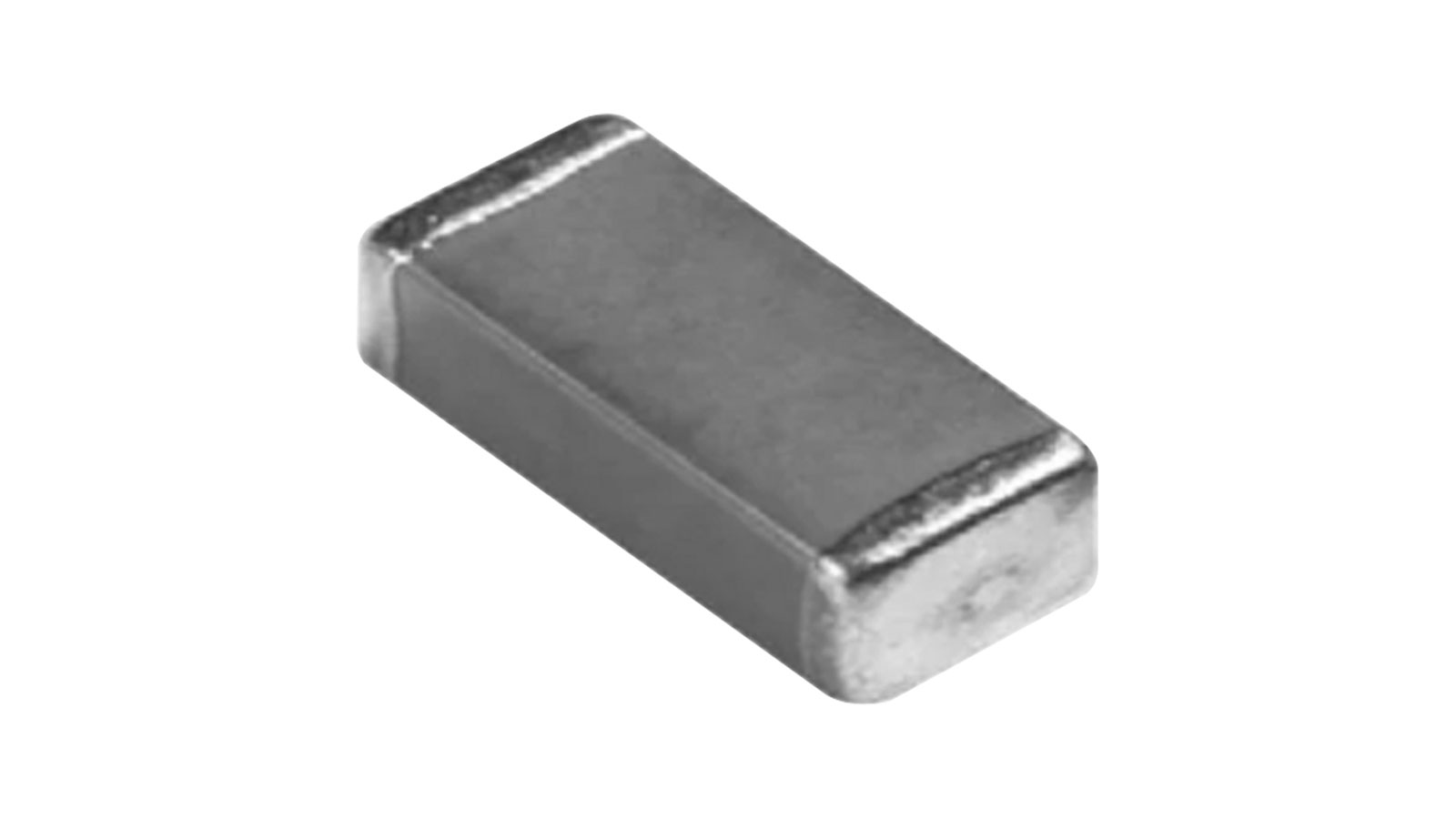
0402 MLCC, 0.1µF capacitance
Company: Beijing Jingbei Components Co. Ltd
Rated at 16VDC, the CC0402KRX7R7BB104 MLCC from Beijing Jingbei has 0.1µF capacitance and -55 to 125 C operating temperature. It comes in a 0402 package.
MOQ: Negotiable
Lead time: 5 days
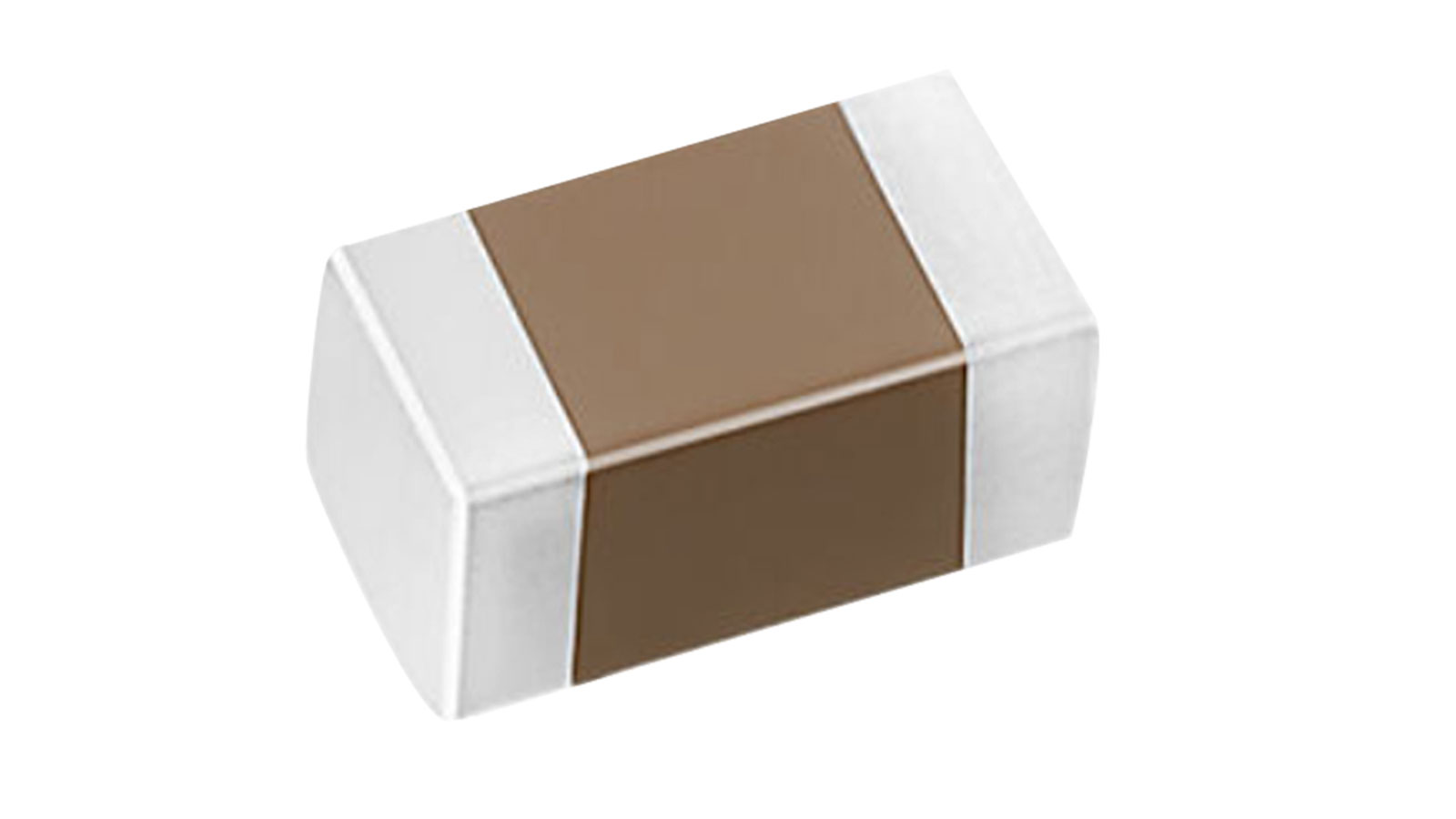
MLCC, 100pF to 47µF capacitance range
Company: Dongguan Aillen Electronic Technology Co. Ltd
From Dongguan Aillen, the model MLCC X7R-0402 has 6.3, 10, 16, 25, 50 or 100V rated voltage, 100pF to 47µF capacitance range, ±15 ppm/C temperature coefficient of capacitance and -55 to 125 C operating temperature.
MOQ: 4,000 units
Lead time: 7 days
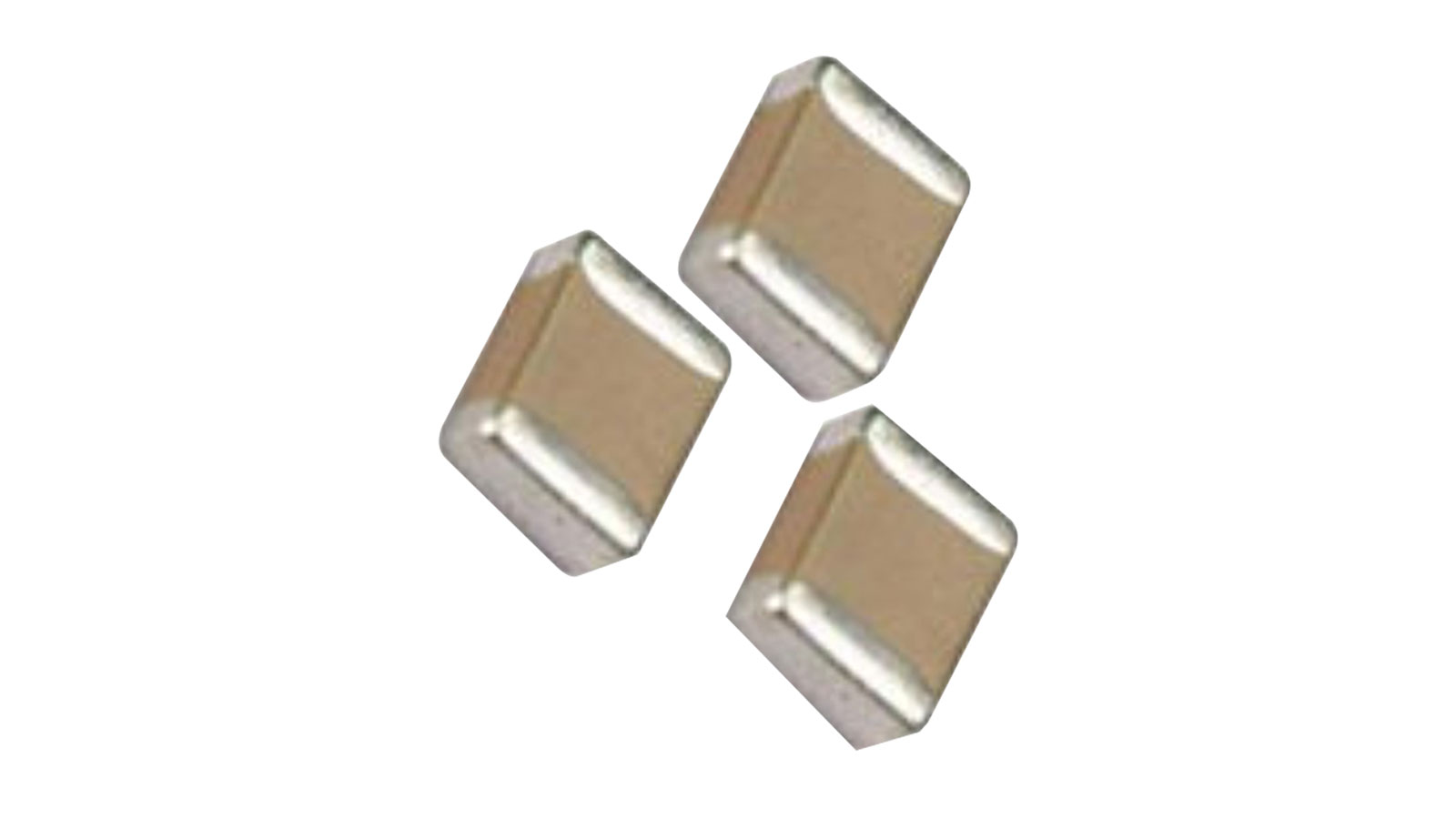
MLCC, 0R5 to 104 capacitance range
Company: Shenzhen Topmay Electronic Co. Ltd
The TMCC05.0603 33nF 50V from Shenzhen Topmay is a UL-listed MLCC with 25, 50, 63 or 100VDC rated voltage, 0R5 to 104 capacitance range, ±0.1 capacitance tolerance for B, ±0.25 for C and ±0.5pF for D, and 15 percent maximum dissipation factor at 20 C, 1MHz, 1VDC.
MOQ: 20,000 units
Lead time: 15 days
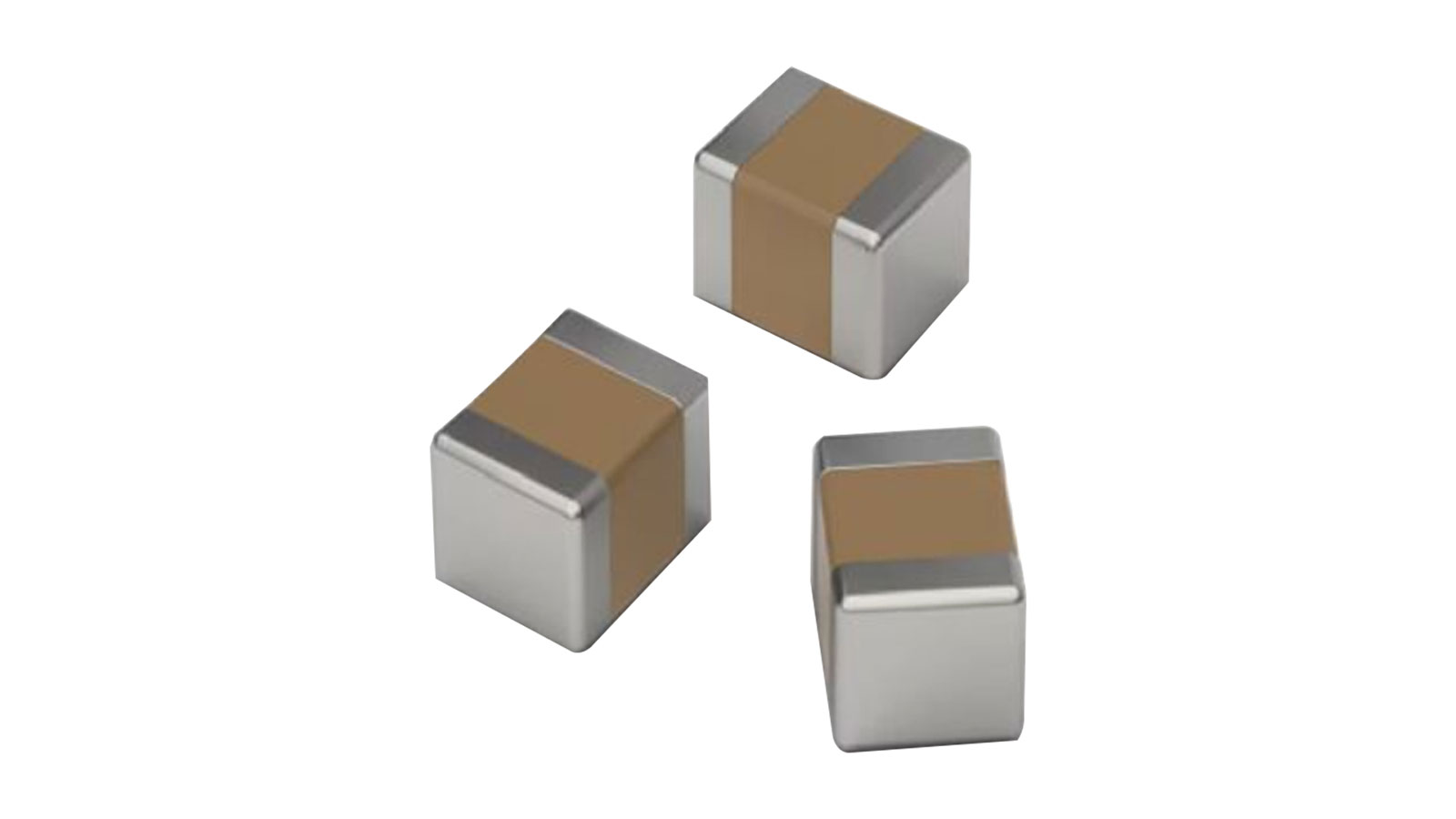
MLCC, 10pF to 470nF capacitance
Company: Yes International Co.
Available in 0603 and 0805 sizes and with an NPO or X7R dielectric, Yes’ MLCC, with model number 885012207086, has 10pF to 470nF capacitance range, ±30ppm/ C temperature coefficient at ±0.54 percent for NPO or ±15 percent for X7R, and -55 to 125 C operating temperature. The voltage range is 200V to 3kVDC.
MOQ: Negotiable
Lead time: 15 days

