




Table of Contents
1. Understanding the 2026 Online Fashion Landscape
2. Choosing Your Business Model
3. Selecting Your Selling Platform
5. Creating Compelling Product Photography
6. Writing Product Descriptions That Sell
7. Pricing for Profit and Competition
8. Marketing Your Online Clothing Store
9. Managing Shipping and Fulfillment
10. Legal and Financial Foundations
11. Scaling Your Clothing Business
12. Overcoming Common Challenges
13. Essential Tools and Resources
14. Future Trends Shaping Online Clothing Sales
16. Conclusion
The online clothing market continues to expand at an impressive rate, with global fashion e-commerce expected to reach new heights in 2026. Whether you're looking to sell clothes online from home as a side income or build a full-scale fashion empire, the opportunities have never been more accessible. This comprehensive guide walks you through every step of launching and growing a successful online clothing business, from choosing your model to scaling operations.
Understanding the 2026 Online Fashion Landscape
The way people shop for clothing has transformed dramatically. Mobile devices now account for over 70% of fashion purchases, and social media platforms have evolved into complete shopping ecosystems. Consumers expect instant gratification, personalized experiences, and transparency about where their clothes come from and how they're made.
Generation Z and younger millennials drive much of this change, prioritizing sustainability, authenticity, and brand values over traditional marketing messages. Virtual try-on technology has reduced return rates, while AI-powered recommendations help shoppers discover items they actually want. Understanding these shifts helps you position your business for success when you sell clothing online.
The barrier to entry has lowered significantly. You no longer need thousands of dollars in inventory or a physical storefront. Many successful sellers start from their homes, using smartphones for photography and free platforms to reach customers. The question isn't whether you can compete—it's how you'll differentiate yourself in a crowded marketplace.
1. Choosing Your Business Model
Before diving into platforms and products, decide which selling model aligns with your goals, budget, and lifestyle. Each approach offers distinct advantages and challenges.
Reselling and Thrift Flipping
Buying secondhand clothing and reselling it online remains one of the most accessible entry points. Thrift stores, estate sales, and clearance racks provide inventory at low costs. The key lies in developing an eye for quality pieces, understanding brand value, and knowing what your target audience wants.
Successful resellers often specialize in specific categories: vintage band tees, designer handbags, athletic wear, or plus-size fashion. This specialization builds expertise and attracts a loyal customer base. Tools like sold listing searches help identify which items command higher prices, turning thrifting into a data-driven operation.
Print-on-Demand and Dropshipping
Print-on-demand services let you sell clothes online without holding inventory. You create designs, upload them to platforms like Printful or Printify, and they handle production and shipping when orders arrive. This model works well for graphic tees, hoodies, and accessories featuring your original artwork or slogans.
Dropshipping extends this concept to existing clothing items. You partner with suppliers who ship directly to customers. While margins can be thinner, the lack of upfront inventory costs makes testing products and niches affordable. Success requires finding reliable suppliers, creating compelling product presentations, and providing excellent customer service despite not touching the products yourself.
Creating Your Own Brand
Designing and manufacturing your own clothing line offers the highest profit potential and brand control. Small-batch manufacturing has become more accessible through platforms connecting designers with factories. You can start with a capsule collection of 3-5 pieces, test market response, and expand based on feedback.
This approach demands more investment in product development, sampling, and initial inventory. However, it creates something truly unique that customers can't find elsewhere. Many successful brands begin with one signature item—a perfect-fit blazer, sustainable basics, or innovative activewear—then build from there.
Rental and Subscription Models
Circular fashion models appeal to environmentally conscious consumers. Clothing rental allows customers to wear high-quality pieces for special occasions without the full purchase price. Subscription boxes deliver curated selections monthly, creating recurring revenue and deeper customer relationships.
These models require more sophisticated logistics and inventory management but tap into growing consumer preferences for access over ownership. They work particularly well for occasion wear, maternity clothing, children's items, and trend-focused fashion.
2. Selecting Your Selling Platform
Where you sell clothes online from home significantly impacts your success. Most sellers benefit from a multi-channel approach, but understanding each platform's strengths helps you prioritize efforts.
Building Your Own Website
Creating an independent online store gives you complete control over branding, customer data, and profit margins. Platforms like Shopify, WooCommerce, and BigCommerce provide templates and tools that require no coding knowledge. You control the customer experience from first click to delivery confirmation.
The main challenge involves driving traffic. Unlike marketplaces with built-in audiences, your website requires active marketing through social media, content creation, paid advertising, or search engine optimization. This investment pays off as you build a owned audience and avoid marketplace fees eating into profits.
Your website serves as your brand home even if you sell elsewhere. Customers who discover you on Instagram or Poshmark often visit your website for the full product range and brand story. Professional photography, clear navigation, and mobile optimization are non-negotiable.
Established Marketplaces
Platforms like eBay, Etsy, and Amazon bring millions of ready-to-buy shoppers. eBay excels for vintage, collectible, and secondhand items. Etsy attracts customers seeking handmade, unique, and personalized clothing. Amazon reaches the broadest audience but involves intense competition and strict requirements.
Marketplace fees typically range from 5-15% per sale, plus payment processing costs. In exchange, you access sophisticated tools for listings, shipping, and customer communication. New sellers benefit from marketplace trust—customers feel comfortable buying from unknown sellers because the platform provides buyer protection.
Success on marketplaces requires understanding each platform's search algorithm. Keywords in titles and descriptions, competitive pricing, fast shipping, and positive reviews all influence visibility. Many sellers start on marketplaces to generate initial sales and reviews before expanding to their own websites.
Social Commerce Platforms
Instagram Shopping, TikTok Shop, and Facebook Marketplace have transformed social media into direct sales channels. Customers discover and purchase without leaving their favorite apps. This seamless experience particularly appeals to younger shoppers who spend hours daily on these platforms.
Social selling works best for visually appealing products and brands with engaging content strategies. You're not just listing items—you're building a community, sharing styling tips, and creating entertainment that happens to feature your products. Live shopping events let you showcase items in real-time, answer questions, and create urgency through limited-time offers.
Specialized Fashion Platforms
Depop, Poshmark, Vinted, and Mercari cater specifically to clothing resellers and independent fashion brands. These platforms attract fashion-focused audiences actively looking for unique pieces. Built-in social features let sellers follow each other, share listings, and build communities.
Each platform has distinct demographics and cultures. Depop skews younger with vintage and streetwear focus. Poshmark attracts professional women seeking contemporary brands at discounts. Understanding these nuances helps you choose platforms where your inventory naturally fits customer expectations.
3. Sourcing Quality Inventory
What you sell matters as much as where you sell it. Your inventory strategy depends on your chosen business model, but certain principles apply universally.
Thrifting with Strategy
Successful thrift flippers don't buy everything that looks nice. They research which brands, styles, and eras command premium prices. Vintage Levi's jeans, 90s sportswear, and designer pieces with authentication markers consistently sell well. Developing relationships with thrift store staff sometimes provides early access to new donations.
Check items carefully for damage, stains, and wear. Minor issues you can repair add value, but significant flaws reduce sellability unless priced accordingly. Understanding fabric quality helps identify well-made pieces that photograph beautifully and satisfy customers.
Seasonal timing matters. Buy winter coats in summer when thrift stores discount them, then list as cold weather approaches. This strategy requires storage space but maximizes profit margins.
Wholesale Partnerships
Buying wholesale from manufacturers or distributors provides consistent inventory at predictable costs. Minimum order quantities vary widely—some suppliers require thousands of dollars in initial orders, while others accommodate smaller businesses. Trade shows, online wholesale marketplaces like Faire or Alibaba, and direct manufacturer contact all provide sourcing options.
Verify supplier reliability before committing to large orders. Request samples to assess quality, communication responsiveness, and shipping times. Building relationships with suppliers often leads to better terms, exclusive items, and flexibility on minimums as your business grows.
Deadstock and Overstock
Many brands produce more inventory than they sell. This excess, called deadstock, gets sold to liquidators at steep discounts. Purchasing deadstock lets you offer new, branded items at competitive prices. Overstock platforms and direct brand partnerships provide access to these opportunities.
The challenge involves buying without seeing items in person and accepting whatever sizes and colors are available. However, the profit potential makes this worthwhile for sellers who can move inventory quickly.
Manufacturing Your Designs
Bringing your own designs to life starts with technical sketches or detailed descriptions. Platforms like Alibaba connect you with overseas manufacturers, while local production facilities offer smaller minimums and faster turnarounds. Sample development typically costs $50-200 per design, allowing you to test fit and quality before bulk production.
Minimum order quantities for custom manufacturing usually start at 50-100 pieces per style. This requires significant upfront investment but creates products you own completely. Working with a manufacturer experienced in small brands helps navigate technical specifications, fabric selection, and production timelines.
4. Creating Compelling Product Photography
Online shoppers can't touch or try on items, making photography your most powerful selling tool. Professional-looking images don't require expensive equipment—many successful sellers use smartphones and natural lighting.
Essential Photo Types
Every listing needs multiple angles. Front, back, side, and detail shots show the complete item. Flat lays work well for displaying patterns and colors accurately. On-body shots help customers visualize fit and styling, even if you use a mannequin or hanger rather than a live model.
Close-ups highlight fabric texture, buttons, zippers, and any unique details. If selling vintage or secondhand items, photograph any flaws honestly. Transparency builds trust and reduces return requests from disappointed customers.
Lighting and Background
Natural light from windows creates the most flattering, color-accurate images. Shoot during midday when light is brightest, using white walls or poster boards as reflectors to eliminate shadows. Overcast days provide soft, even lighting without harsh shadows.
Consistent backgrounds create a cohesive brand aesthetic. White, light gray, or neutral tones keep focus on the clothing. Some sellers use textured backgrounds like wood floors or brick walls for specific aesthetics, but consistency matters more than the specific choice.
Editing for Enhancement
Basic editing adjusts brightness, contrast, and color accuracy to match how items look in person. Free apps like Snapseed or Lightroom Mobile provide professional-level tools. Avoid heavy filters that misrepresent colors—disappointed customers leave negative reviews and return items.
Cropping to standard dimensions ensures images display properly across platforms. Most platforms recommend square images (1:1 ratio) or vertical formats (4:5 ratio) optimized for mobile viewing.
AI and Advanced Techniques
AI-powered tools now generate model photos from flat lay images, showing clothes on diverse body types without hiring models. Services like remove backgrounds automatically, saving hours of editing time. While these tools cost money, they scale your photography capabilities significantly.
360-degree photography and video clips provide even more detail. Short videos showing fabric drape, stretch, or movement help customers understand items better than static images alone. Platforms increasingly prioritize video content in search results, making it valuable for visibility.
5. Writing Product Descriptions That Sell
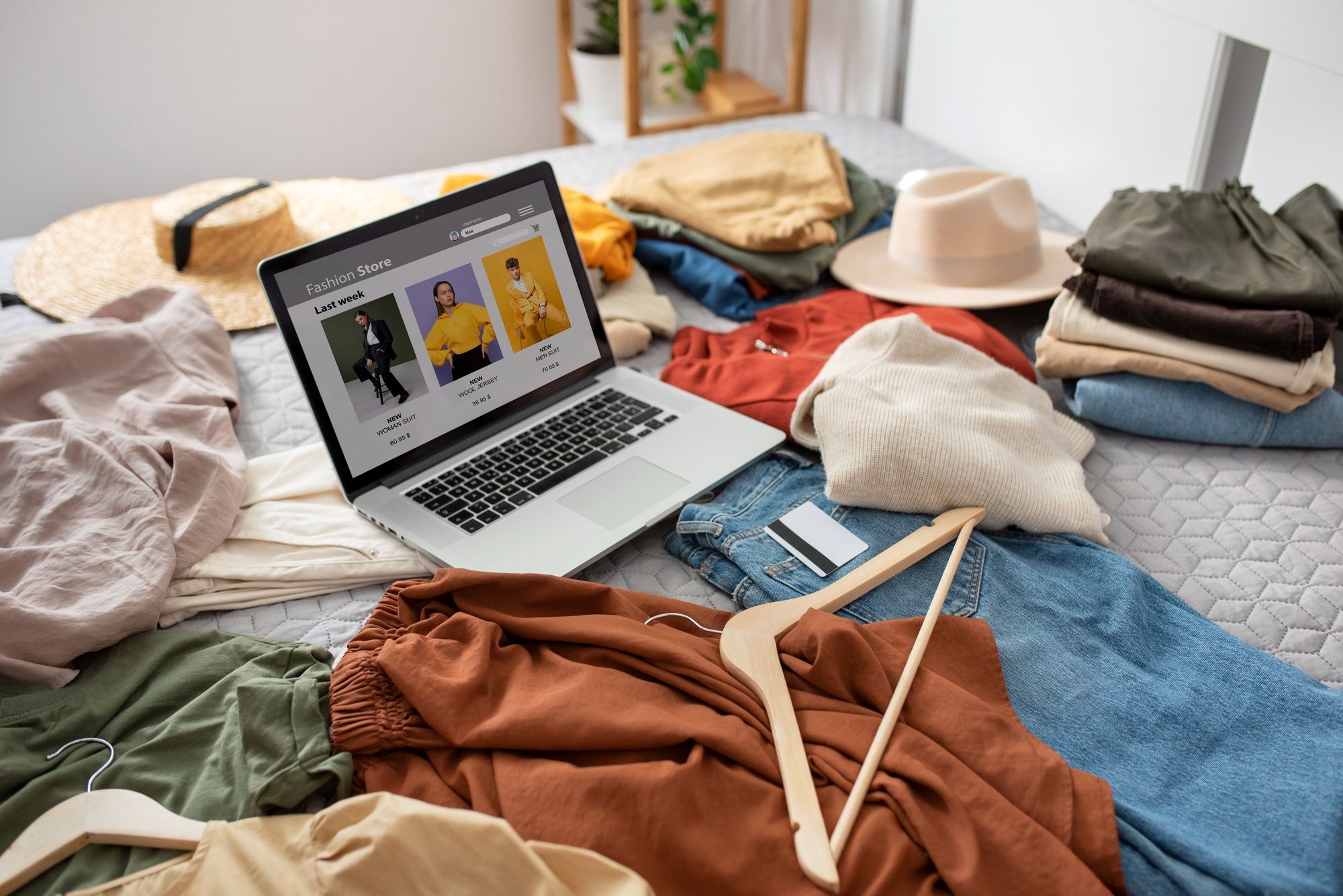
Descriptions complement your photography, answering questions and persuading browsers to become buyers. Effective descriptions balance information with persuasion, incorporating keywords naturally while maintaining readability.
Essential Information
Start with the basics: brand, size, material composition, and condition. Measurements matter more than size labels—bust, waist, hip, length, and inseam dimensions help customers determine fit. Include care instructions to set proper expectations.
Describe colors accurately using specific terms. "Burgundy" or "wine red" communicates better than "red." Mention how colors appear in different lighting if relevant. Describe fabric weight, stretch, and texture—"lightweight cotton," "structured denim," or "buttery soft modal."
Storytelling and Emotion
Beyond specifications, help customers imagine wearing the item. Where would they wear it? How does it make them feel? "This vintage leather jacket adds edge to any outfit, perfect for concert nights or weekend adventures" creates more desire than "brown leather jacket, size medium."
For vintage items, mention the era and any historical context. "Classic 1990s minimalism" or "1970s bohemian style" helps fashion-conscious buyers understand the piece's place in fashion history. Share any interesting backstory about how you sourced the item.
Keyword Integration
Include relevant search terms naturally throughout descriptions. If someone searches "how to sell clothes online," they might also search "black maxi dress" or "vintage Levi's 501." Use terms customers actually type rather than overly creative descriptions.
Front-load important keywords in titles and first sentences where search algorithms weight them most heavily. "Vintage Levi's 501 Jeans Black Denim High Waist Size 30" performs better than "Amazing Vintage Jeans You'll Love."
Avoid keyword stuffing that makes descriptions awkward to read. Write for humans first, search engines second. Natural, conversational language converts better than robotic, keyword-packed text.
Addressing Concerns
Anticipate questions and address them proactively. Mention if items run small or large. Explain any imperfections honestly. Clarify return policies and shipping timelines. Answering common questions in descriptions reduces back-and-forth messages and builds confidence.
Include styling suggestions to inspire customers. "Pair with white sneakers and a denim jacket for casual weekends" helps less confident shoppers visualize complete outfits. This service-oriented approach builds loyalty beyond single transactions.
6. Pricing for Profit and Competition
Pricing balances covering costs, remaining competitive, and maximizing profit. Underpricing leaves money on the table, while overpricing results in items sitting unsold.
Calculating Costs
Start by identifying all expenses. For resold items, include purchase price, cleaning or repair costs, and time spent sourcing. For manufactured goods, factor in production costs, shipping from suppliers, and any customization. Add platform fees, payment processing fees (typically 3%), shipping supplies, and marketing expenses.
Many sellers forget to value their time. If photographing, listing, and shipping an item takes an hour, factor in reasonable hourly compensation. This prevents working for less than minimum wage while thinking you're profitable.
Competitive Research
Search for similar items on your chosen platforms. Filter by "sold" listings to see actual sale prices rather than aspirational asking prices. Note the range—some items sell quickly at lower prices, while others command premiums for better condition, photos, or descriptions.
Position yourself within this range based on your item's condition, your photography quality, and your reputation. New sellers often price slightly below established competitors to generate initial sales and reviews. As your reputation grows, you can command higher prices.
Psychological Pricing
Prices ending in .99 or .95 still influence perception, making items feel less expensive than rounded numbers. However, luxury and premium items often use whole numbers to convey quality. A vintage designer bag priced at $300 suggests more value than $299.99.
Bundle pricing encourages larger purchases. "Buy 3, get 20% off" or "Free shipping on orders over $50" increases average order values. These strategies work particularly well for lower-priced items where customers might buy multiple pieces.
Dynamic Adjustments
Monitor your listings and adjust prices based on performance. Items with many views but no sales might be overpriced. Items that sell within hours could have commanded higher prices. Most platforms provide analytics showing view counts, favorites, and cart additions.
Seasonal adjustments keep inventory moving. Discount winter coats as spring approaches rather than storing them for months. Flash sales and limited-time discounts create urgency, though overusing this tactic trains customers to wait for sales.
7. Marketing Your Online Clothing Store
Great products and listings mean nothing if nobody sees them. Marketing drives traffic to your listings and builds the brand recognition that commands premium prices.
Social Media Content Strategy
Platforms like Instagram, TikTok, and Pinterest serve as both marketing channels and sales platforms. Post consistently—daily if possible—mixing product showcases with styling tips, behind-the-scenes content, and personality-driven posts that build connections.
Short-form video dominates attention in 2026. Create 15-60 second clips showing styling options, packaging orders, thrift hauls, or day-in-the-life content. You don't need perfect production—authenticity and consistency matter more than polish.
Use relevant hashtags to reach beyond your current followers. Mix popular tags like #vintagefashion with niche tags like #90sgrunge or #sustainablestyle. Research which hashtags your target customers follow and engage with posts using those tags.
Building an Email List
Email remains one of the highest-converting marketing channels. Offer incentives for signups: 10% off first orders, early access to new arrivals, or exclusive styling guides. Collect emails through your website, social media profiles, and package inserts.
Send regular newsletters featuring new items, styling inspiration, and personal updates. Automated sequences welcome new subscribers, recover abandoned carts, and re-engage customers who haven't purchased recently. Keep emails concise and mobile-friendly with clear calls to action.
Influencer and Affiliate Partnerships
Micro-influencers with 5,000-50,000 followers often provide better ROI than celebrities. Their audiences trust their recommendations and engage more actively. Offer free products in exchange for posts, or create affiliate programs where influencers earn commissions on sales they generate.
Look for influencers whose aesthetic aligns with your brand and whose followers match your target customer. A genuine partnership where the influencer actually likes your products creates more authentic content than transactional arrangements.
Content Marketing and SEO
Creating blog content, styling guides, or fashion tips attracts organic search traffic. Articles like "How to Style Vintage Band Tees" or "Sustainable Fashion on a Budget" rank for relevant searches and establish expertise. Include links to your products naturally within content.
Optimize your website and product pages for search engines. Use descriptive titles, meta descriptions, and alt text for images. Build backlinks by getting featured in fashion blogs, local news, or industry publications. SEO takes months to show results but provides compounding returns.
Paid Advertising
Once you understand what sells and have proven your business model, paid ads scale traffic quickly. Facebook and Instagram ads let you target specific demographics, interests, and behaviors. Start with small budgets testing different images, audiences, and messages.
Google Shopping ads display your products directly in search results when people look for items you sell. These high-intent shoppers convert well but require proper product feed setup and ongoing optimization. Many platforms offer tools to sync your inventory automatically.
8. Managing Shipping and Fulfillment
Efficient fulfillment keeps customers happy and protects your profit margins. Shipping costs and speed significantly influence purchase decisions and satisfaction.
Packaging Materials
Invest in quality packaging that protects items and reflects your brand. Poly mailers work well for most clothing, while boxes suit structured items like shoes or jackets. Tissue paper, thank-you cards, and branded stickers create memorable unboxing experiences that encourage social sharing.
Sustainable packaging appeals to environmentally conscious customers. Compostable mailers, recycled boxes, and minimal plastic demonstrate values alignment. Mention your eco-friendly packaging in listings and marketing materials.
Shipping Options and Pricing
Offer multiple shipping speeds to accommodate different needs and budgets. Standard shipping (3-5 business days) satisfies most customers, while expedited options serve those with urgent needs. Clearly communicate processing times—how long before you ship after receiving orders.
Calculate shipping costs accurately to avoid losing money. Most platforms integrate with shipping carriers, providing discounted rates and automatic label generation. Weigh items with packaging to determine accurate costs. Offering free shipping by building costs into product prices often increases conversion rates.
International Shipping Considerations
Selling internationally expands your market but adds complexity. Customs forms, duties, and longer delivery times require clear communication. Some sellers avoid international shipping initially, adding it after mastering domestic operations.
Services like Shopify's international tools or third-party solutions handle currency conversion, duties calculation, and localized checkout experiences. Start with nearby countries sharing your language before expanding globally.
Returns and Exchanges
Clear return policies balance customer satisfaction with protecting your business. Many clothing sellers offer 14-30 day returns for store credit or exchanges, with customers covering return shipping. This policy reduces risk for buyers while limiting your costs.
Describe items accurately and provide detailed measurements to minimize returns. When returns occur, inspect items promptly and process refunds or exchanges quickly. Professional handling of returns builds trust and encourages future purchases despite initial dissatisfaction.
Third-Party Fulfillment
As order volume grows, third-party logistics (3PL) providers can receive, store, pack, and ship inventory for you. This frees your time for sourcing and marketing but adds per-order costs. Most 3PLs become cost-effective once you ship 100+ orders monthly.
Evaluate 3PLs based on location (closer to customers reduces shipping times), pricing structure, technology integration, and minimum requirements. Some specialize in fashion and apparel, understanding specific needs like garment folding and branded packaging.
9. Legal and Financial Foundations
Operating legally and managing finances properly protects your business and maximizes profitability.
Business Structure
Most sellers start as sole proprietors—the simplest structure requiring no formal registration beyond local business licenses. You report income on personal tax returns and maintain complete control. However, personal assets remain vulnerable to business liabilities.
Forming an LLC (Limited Liability Company) separates personal and business assets, protecting your home and savings if someone sues your business. LLCs cost $50-500 to establish depending on your state, plus annual fees. The protection and professional credibility often justify these costs as your business grows.
Tax Obligations
Track all income and expenses meticulously. Accounting software like QuickBooks, Wave, or even spreadsheets organize financial records. Deductible expenses include inventory costs, shipping supplies, platform fees, marketing, home office space, and mileage for sourcing trips.
Sales tax requirements vary by state and platform. Many platforms collect and remit sales tax automatically, but understanding your obligations prevents surprises. Quarterly estimated tax payments help avoid penalties if you owe significant income tax.
Consider working with an accountant experienced in e-commerce, especially as income grows. Professional guidance ensures compliance and often identifies deductions you'd miss, paying for itself in tax savings.
Payment Processing
Platforms typically handle payment processing, but independent websites require choosing payment gateways. PayPal, Stripe, and Square offer similar services with fees around 2.9% plus $0.30 per transaction. Compare features like payout speed, international support, and integration ease.
Offer multiple payment methods to accommodate customer preferences. Credit cards remain most popular, but digital wallets like Apple Pay and Google Pay provide faster checkout. Some platforms now support buy-now-pay-later services like Afterpay or Klarna, which increase conversion rates for higher-priced items.
Protecting Your Brand
If building your own brand, consider trademark registration to protect your business name and logo. Federal trademarks cost around $250-350 per class and prevent others from using confusingly similar names. This investment becomes valuable as your brand gains recognition.
Copyright automatically protects original designs, photography, and written content. However, registration strengthens enforcement if someone copies your work. For unique, valuable designs, the $35-55 registration fee provides additional legal protection.
10. Scaling Your Clothing Business
Once you've established consistent sales and refined your processes, strategic growth multiplies your success.
Data-Driven Decision Making
Analytics reveal what's working and what isn't. Track which items sell fastest, which marketing channels drive the most traffic, and which customer segments spend the most. Most platforms provide built-in analytics, while Google Analytics offers deeper website insights.
Identify patterns in your best sellers. Do certain colors, styles, or price points perform better? Double down on what works rather than spreading efforts across underperforming categories. Test new products in small quantities before committing to large inventory investments.
Expanding Product Lines
Growth often comes from offering more to existing customers rather than constantly finding new ones. If you sell vintage tees successfully, add vintage jeans or jackets. If customers love your sustainable basics, introduce new colors or styles.
Survey your audience about what they want. Email subscribers and social media followers provide direct feedback. Their input guides expansion in directions that actually match demand rather than guessing.
Hiring and Delegation
Your time becomes the limiting factor as you grow. Identify tasks that don't require your specific expertise—packaging orders, responding to common questions, or editing photos. Virtual assistants, part-time local help, or specialized contractors handle these tasks, freeing you for high-value activities like sourcing and strategy.
Start with small projects to test working relationships before committing to ongoing arrangements. Clear communication about expectations, deadlines, and quality standards ensures smooth collaboration.
Building Customer Loyalty
Acquiring new customers costs significantly more than retaining existing ones. Implement loyalty programs rewarding repeat purchases with discounts, early access, or exclusive items. Personalized communication acknowledging purchase history makes customers feel valued.
Create VIP experiences for top customers: first looks at new inventory, special discounts, or input on future products. These engaged customers become brand ambassadors, referring friends and creating user-generated content.
Wholesale and B2B Opportunities
Once you've proven products sell well direct-to-consumer, boutiques and other retailers might carry your line. Wholesale typically means selling at 50% of retail price, but bulk orders and simplified fulfillment offset lower margins.
Trade shows, wholesale marketplaces like Faire, and direct outreach to boutiques open wholesale channels. Prepare line sheets showing products, wholesale prices, and minimum order quantities. Professional presentation and reliable fulfillment build relationships that generate ongoing orders.
12. Overcoming Common Challenges
Every seller faces obstacles. Anticipating and preparing for common issues helps you navigate them successfully.
Inventory Management
Balancing enough inventory to fulfill orders without tying up excessive capital requires careful planning. Inventory management software tracks stock levels, alerts you to low quantities, and prevents overselling across multiple platforms.
For resellers, inconsistent inventory makes this challenging. Document everything you list with photos and descriptions saved separately, so if items sell on one platform, you can immediately remove them from others.
Customer Service Excellence
Responding promptly and professionally to inquiries builds reputation and increases sales. Set expectations for response times and meet them consistently. Most questions involve sizing, shipping, or product details—comprehensive listings reduce inquiry volume.
Handle complaints with empathy and solutions-focused approaches. Offering partial refunds, replacements, or store credit often resolves issues while maintaining customer relationships. Remember that public responses to negative reviews demonstrate your professionalism to future customers.
Staying Current with Trends
Fashion moves quickly, and what sells today might not sell tomorrow. Follow fashion publications, social media trends, and influencer content to spot emerging styles early. However, balance trend-chasing with timeless pieces that sell consistently.
Your niche determines how trend-focused you need to be. Fast fashion resellers must stay current, while vintage sellers benefit from understanding which past eras are trending now. Classic, quality basics remain in demand regardless of seasonal trends.
Managing Competition
The low barrier to entry means constant new competition. Differentiation becomes essential—whether through unique products, superior photography, exceptional service, or compelling brand story. Find what makes you different and emphasize it consistently.
Rather than competing solely on price, compete on value. Customers pay more for better experiences, unique items, and brands they connect with emotionally. Building genuine relationships with your audience creates loyalty that transcends price comparisons.
Avoiding Burnout
Running an online clothing business from home blurs work-life boundaries. Set specific working hours and protect personal time. Batch similar tasks—photograph all new inventory at once, list items in groups, or dedicate specific days to shipping.
Automate repetitive tasks wherever possible. Scheduled social media posts, automated email sequences, and template responses to common questions save hours weekly. Remember that sustainable growth requires sustainable work habits.
Essential Tools and Resources
The right tools streamline operations and enhance professionalism.
E-commerce Platforms
Shopify offers the most comprehensive features with extensive app integrations, making it suitable for serious businesses. Pricing starts at $29 monthly. WooCommerce provides free, flexible WordPress integration but requires more technical knowledge. BigCommerce includes advanced features in base plans without requiring as many paid apps.
Design and Marketing Tools
Canva creates professional graphics, social media posts, and marketing materials with templates requiring no design experience. Free and paid plans available. Adobe Express offers similar capabilities with Adobe's design tools. Later or Buffer schedule social media posts across platforms, maintaining consistent presence without constant manual posting.
Inventory and Business Management
Inventory Source, TradeGecko (now Cin7), or Sellbrite sync inventory across multiple sales channels, preventing overselling. QuickBooks or Wave handle accounting and financial tracking. Trello or Asana organize tasks and projects as your operation grows.
Photography Enhancement
Lightroom Mobile provides professional photo editing on smartphones. Remove.bg eliminates backgrounds automatically. Photoroom combines background removal with templates for consistent product photography. These tools create professional results without expensive equipment or software.
Analytics and Optimization
Google Analytics tracks website traffic, user behavior, and conversion rates. Hotjar shows where visitors click and how they navigate your site. Facebook Pixel and TikTok Pixel track visitors for retargeting ads and measuring campaign effectiveness.
Automation and Integration
Zapier connects different apps and automates workflows—like adding new customers to email lists or creating tasks when orders arrive. These integrations eliminate manual data entry and reduce errors.
Future Trends Shaping Online Clothing Sales
Staying ahead of emerging trends positions your business for continued relevance and growth.
Artificial Intelligence Integration
AI tools now assist with everything from product descriptions to customer service chatbots. AI-powered size recommendations reduce returns by helping customers choose correct sizes. Trend forecasting algorithms identify emerging styles before they peak, giving early movers competitive advantages.
Generative AI creates product photos, marketing copy, and even design variations. While human creativity remains essential, AI handles repetitive tasks and provides starting points for further refinement.
Virtual and Augmented Reality
Virtual try-on technology lets customers see how clothes look on their bodies using smartphone cameras. Augmented reality apps place virtual clothing in real environments. These technologies reduce purchase hesitation and return rates while creating engaging shopping experiences.
As metaverse platforms grow, digital fashion for avatars creates entirely new markets. Some brands now sell both physical and digital versions of clothing, appealing to customers who want to dress their online personas.
Sustainability and Transparency
Consumers increasingly demand information about how clothes are made, who made them, and environmental impacts. Blockchain technology verifies supply chain claims, proving organic materials or ethical labor practices. Brands providing this transparency build trust and command premium prices.
Circular business models—rental, resale, repair services—continue growing. Positioning your business within sustainable fashion movements appeals to values-driven customers willing to pay more for alignment with their principles.
Hyper-Personalization
Advanced data analysis enables personalized product recommendations, customized marketing messages, and even made-to-order items tailored to individual measurements and preferences. Customers expect experiences that feel designed specifically for them rather than generic mass marketing.
Email marketing, website content, and product suggestions that adapt based on browsing history and purchase patterns create these personalized experiences. The technology becomes more accessible and affordable for small businesses each year.
Social Commerce Evolution
Social platforms continue integrating shopping features, making the line between content and commerce nearly invisible. Live shopping events, where hosts showcase and sell products in real-time, combine entertainment with instant purchasing. This format particularly resonates with younger audiences.
User-generated content becomes even more valuable as customers trust peer recommendations over brand messaging. Encouraging and showcasing customer photos, reviews, and styling ideas builds authentic marketing that converts browsers into buyers.
Taking Your First Steps
Starting an online clothing business might feel overwhelming, but breaking it into manageable steps makes the process achievable.
This Week
Choose your business model and niche. Research platforms where similar sellers succeed. If reselling, visit thrift stores and practice identifying quality pieces. If creating your own brand, sketch initial design ideas. Set up accounts on your chosen platforms.
This Month
Source your first inventory—whether thrifting 20-30 pieces, ordering samples from manufacturers, or setting up print-on-demand designs. Practice photography until you can create consistent, appealing images. Write detailed descriptions incorporating relevant keywords. List your first products and share them on social media.
First Quarter
Focus on learning and refining. Analyze which items sell quickly and why. Adjust pricing, photography, or descriptions based on results. Build your social media presence with consistent posting. Start collecting email addresses. Reinvest early profits into more inventory or better tools.
Long-Term Vision
As sales become consistent, develop systems and processes that allow scaling. Document your workflows so you can eventually delegate tasks. Expand to additional platforms or product categories strategically. Build the brand recognition that lets you command premium prices and attract loyal customers.
Conclusion
Learning how to sell clothes online opens doors to flexible, creative, and potentially lucrative opportunities. Whether you're looking to sell clothes online from home as a side project or build a full-time fashion business, the tools and platforms available in 2026 make success more accessible than ever.
The key lies in starting with a clear strategy, providing genuine value to customers, and continuously adapting based on results. Focus on what makes your offerings unique—whether that's your eye for vintage treasures, your sustainable manufacturing practices, or your ability to spot trends before they peak.
Success rarely happens overnight. Most thriving online clothing sellers spent months or years refining their approach, learning from mistakes, and building reputations. The sellers who persist through initial challenges, stay curious about improving, and genuinely care about serving their customers build sustainable businesses that provide both income and fulfillment.
The online fashion market continues expanding, with room for sellers who bring authenticity, quality, and service to their work. Your unique perspective, taste, and dedication create value that customers will pay for. The question isn't whether you can succeed at selling clothing online—it's when you'll take the first step toward making it happen.
Start small, learn constantly, and grow strategically. Your online clothing business awaits, and 2026 offers more opportunities than ever before to turn your fashion passion into profit.

