




The world's first electric car
In 1834, Thomas Davenport built an electric tricycle with a non-rechargeable battery that could only travel a short distance.
In 1839, Robert Anderson of Scotland successfully converted a four-wheeled carriage into the world's first electric vehicle powered by electricity, using batteries and an electric motor.
Editor's comment: At this time, technology was still in its early stages, and the electric motor had not been around for long.
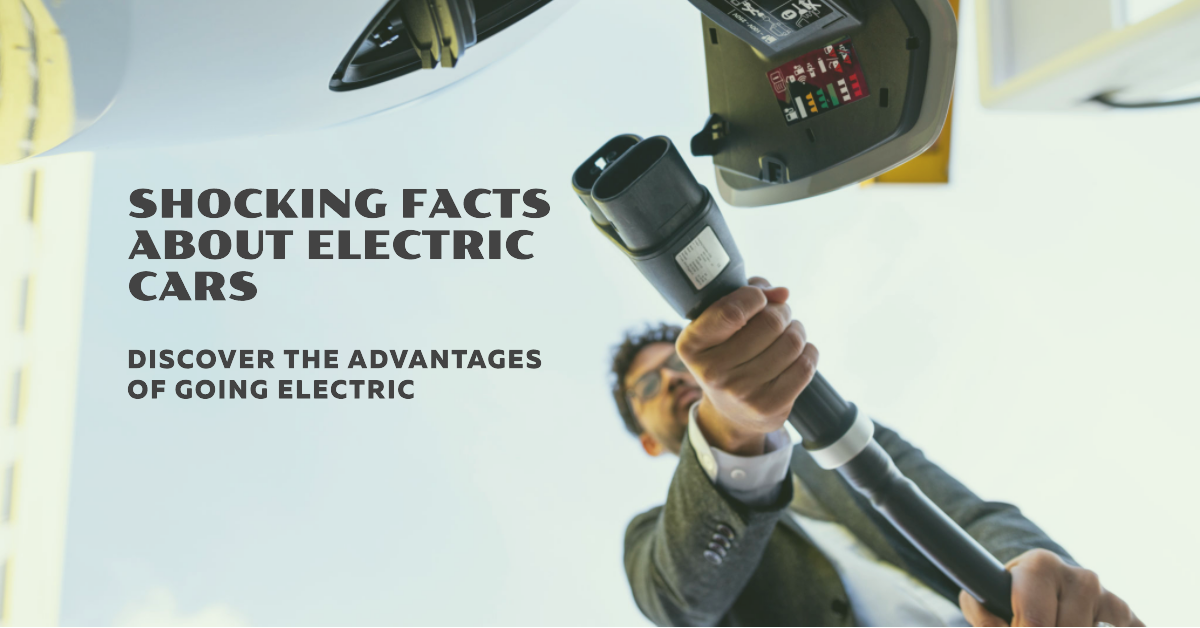
The world's first practical electric car powered by a single battery
In 1873, Robert Davidson of England invented an electric car powered by a single battery, which became the world's first practical electric car. However, for some reason, it was not internationally recognized.
In 1880, Edison made an electric car that could reach a speed of 20 miles per hour. However, it did not open up the market for electric cars.
Editor's guess: At that time, the reason why electric cars could not open up the market was due to the obstruction of oil tycoons and the imperfect battery and charging technology.
The world's first lead-acid battery-powered electric car
The world's first lead-acid battery-powered electric car was born in 1881. It was invented by French engineer Gustave Trouvé and was powered by a lead-acid battery.
Editor's comment: The term "lead-acid" is so ancient.
The world's first exhibition of electric cars
In 1882, Gustave Trouvé exhibited an electric tricycle that could be operated at the Paris International Electrical Exhibition.
Editor's comment: The oldest car show.
The world's first electric car to exceed 100 kilometers per hour
The world's first car to exceed 100 kilometers per hour was an electric car. It was designed by Belgian engineer Camille Jenatzy and was made of aluminum. The car was called "La Jamais Contente" and is now preserved in the Compagnie Nationale du Rhône Museum in France.
Development of Electric Cars
In the early 20th century, electric cars began to gain popularity as urban transportation. They were quiet and emissions-free, making them ideal for city driving. However, the invention of the electric starter motor for gasoline-powered cars in 1912 made gasoline cars more convenient to use and contributed to their continued dominance over electric cars.
During the mid-20th century, electric cars were largely forgotten as gasoline-powered cars became more advanced and affordable. However, in the 1970s, rising oil prices and concerns about air pollution led to renewed interest in electric cars as an alternative to gasoline-powered vehicles.
In the 1990s, several major automakers began to develop electric cars for mass production. General Motors introduced the EV1 in 1996, while Toyota introduced the RAV4 EV in 1997. However, these early electric cars were expensive and had limited ranges, which made them impractical for most consumers.
In recent years, advances in battery technology and improvements in charging infrastructure have made electric cars more practical and affordable than ever before. Today, there are dozens of electric car models available from major automakers such as Tesla, Nissan, and Chevrolet.
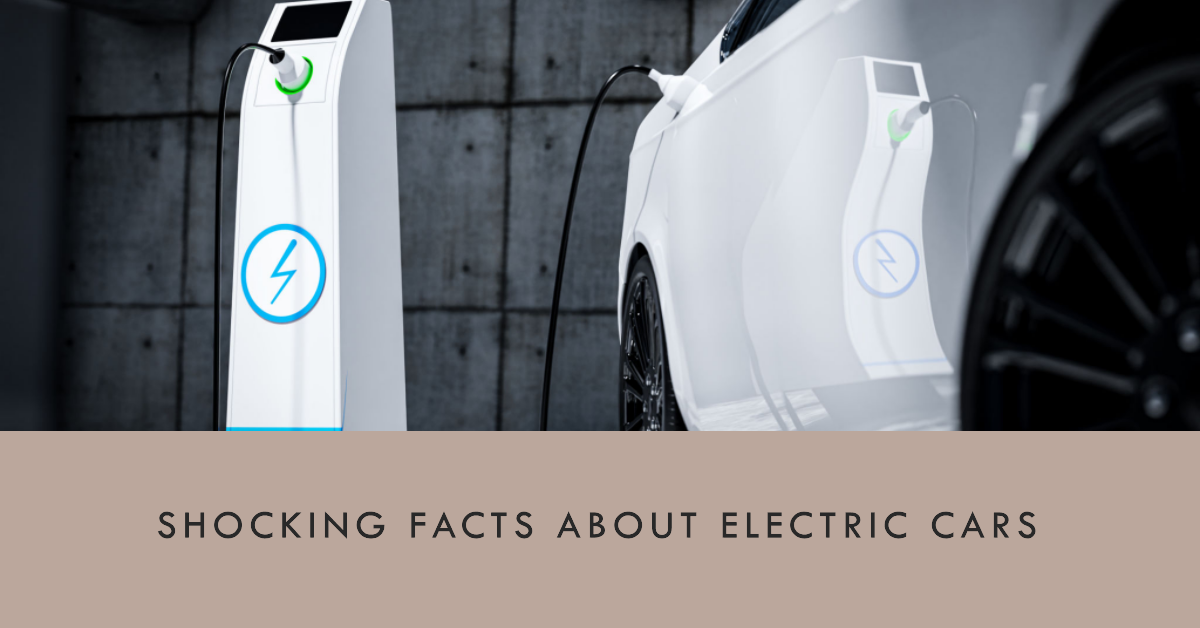
Interesting facts about electric cars:
The first speeding ticket ever issued was given to a driver of an electric car in 1899. Walter C. Bersey was driving his electric taxi in London when he was stopped by a police officer for driving at four miles per hour in a two-mile-per-hour zone.
The world's fastest electric car is the Rimac C_Two, which can reach speeds of up to 258 miles per hour.
The first hybrid car was built in 1899 by Ferdinand Porsche. The car was called the Lohner-Porsche Mixte Hybrid and was powered by both an internal combustion engine and an electric motor.
The first fully-electric car race took place in 1899 in France. The race was won by Belgian driver Camille Jenatzy, who drove his electric car at an average speed of 66 kilometers per hour.
The Tesla Model S has been named the safest car ever tested by the National Highway Traffic Safety Administration (NHTSA). The car received a perfect score in every category tested by the NHTSA.
The Chevrolet Bolt is the first mass-produced electric car with a range of over 200 miles on a single charge.
Electric cars are much cheaper to maintain than gasoline-powered cars because they have fewer moving parts and require less frequent oil changes.
Electric cars produce zero emissions, which makes them much better for the environment than gasoline-powered cars.
Electric cars are much quieter than gasoline-powered cars because they do not have an internal combustion engine.
Electric cars can be charged using renewable energy sources such as solar or wind power, making them even more environmentally friendly.
The UK produced the first electric car in 1884.
There are currently 10 million electric vehicles being used worldwide.
Tesla is the most famous electric car manufacturer.
An electric car can use up to 80% of its battery capacity.
Electric cars are typically 10-25% heavier than traditional cars.
Hybrid cars emit 90% less pollution than gasoline-powered cars.
In the UK, there are more electric car recharging stations than fuel stations.
China has the largest electric car market in the world.
50 Shocking Facts about Electric Cars
- Contrary to popular belief, electric cars are not a recent invention. The first electric vehicle was created by Thomas Davenport in 1835.
- In the early 20th century, electric cars were more popular than their gasoline counterparts due to their quiet operation and lack of exhaust fumes.
- Because early electric cars were easier to start and operate than gasoline cars, they were often marketed towards women who found them more convenient.
- The Rimac Nevera, an electric hypercar, holds the title of the world's fastest electric car with a top speed of 258 mph.
- Compared to gasoline cars, electric cars have fewer moving parts, making them more reliable and requiring less maintenance.
- One of the benefits of owning an electric car is the ability to charge it at home, eliminating the need for frequent trips to the gas station.
- As electric car adoption increases, the number of charging stations worldwide is growing rapidly, making long-distance travel more feasible.
- Electric cars use regenerative braking, which captures energy during deceleration and stores it in the battery, increasing overall efficiency.
- Norway has the highest percentage of electric cars on the road, with over 50% of new car sales being electric vehicles.
- China is currently the largest market for electric cars, with millions of EVs sold annually.
- Several automakers, including Tesla and Rivian, are developing electric pickup trucks to cater to the growing demand for sustainable alternatives in this segment.
- Wireless charging technology for electric cars is under development, which could make charging even more convenient in the future.
- The cost of batteries for electric cars has significantly decreased over the past decade, making EVs more affordable for consumers.
- Solid-state batteries are a promising technology that could offer increased energy density and longer range for electric cars in the future.
- By charging an electric car with electricity generated from renewable sources, owners can significantly reduce their carbon footprint.
- Unlike gasoline cars, electric cars produce no tailpipe emissions, making them a cleaner option for transportation.
- Some automakers use bio-based materials in their EVs, such as soy-based foam and recycled plastics, further reducing their environmental impact.
- Electric motors provide instant torque, giving EVs impressive acceleration capabilities.
- Due to their electric motors, EVs are generally quieter than gasoline cars, reducing noise pollution.
- The batteries used in electric cars can be recycled, with valuable materials like lithium and cobalt being recovered for reuse.
- Many electric cars come equipped with advanced autonomous driving features, making them more convenient and safer to drive.
- During power outages, some electric cars can be used as backup power sources for homes.
- Due to their lower maintenance requirements and the lower cost of electricity compared to gasoline, electric cars have lower operating costs over their lifetime.
- Many governments offer incentives, such as tax credits and rebates, to encourage the adoption of electric cars.
- By reducing tailpipe emissions, electric cars can contribute to improved air quality in urban areas.
- Electric buses are becoming more common in cities worldwide as a cleaner alternative to diesel buses.
- By planning charging stops and using available charging infrastructure, electric car drivers can avoid range anxiety during long trips.
- Formula E is a popular racing series that features all-electric race cars, showcasing the performance capabilities of EVs.
- Some electric cars, like Teslas, can receive over-the-air software updates, improving features and performance without needing to visit a service center.
- With their instant torque and responsive handling, electric cars can be enjoyable to drive.
- By using electricity instead of gasoline, electric cars can help reduce dependency on fossil fuels and contribute to energy independence.
- Advancements in charging technology have led to decreased charging times for electric cars, making them more convenient for daily use.
- Some EV models, like the Aptera, have integrated solar panels that can help charge the battery during daylight hours.
- Due to the placement of their batteries, electric cars have a lower center of gravity, which can improve handling and stability.
- By charging during off-peak hours and discharging energy back into the grid when needed, electric cars can help stabilize the power grid.
- Many celebrities have embraced electric cars, with notable figures such as Leonardo DiCaprio and Cameron Diaz driving EVs.
- Car-sharing services featuring electric vehicles are becoming more common in cities worldwide.
- Some electric car owners have customized their vehicles with unique features like LED lights and sound systems.
- Even when accounting for the emissions produced during electricity generation, electric cars generally have a smaller carbon footprint than gasoline cars.
- Some enthusiasts have converted gasoline cars into electric vehicles, repurposing older vehicles with electric drivetrains.
- By installing solar panels at home, electric car owners can charge their vehicles using clean, renewable energy.
- By reducing tailpipe emissions, electric cars can help combat climate change by reducing greenhouse gas emissions.
- Luxury automakers like Porsche and Audi are entering the electric car market with high-performance, luxury EVs.
- When considering manufacturing, operation, and disposal, electric cars can be more environmentally friendly than gasoline cars over their lifetime.
- By reducing dependency on oil, electric cars can help prevent oil spills and the environmental damage they cause.
- By reducing dependency on foreign oil, electric cars can contribute to improved national security for countries that rely on oil imports.
- The growth of the electric car industry has the potential to create jobs in manufacturing, research and development, and charging infrastructure.
- With their potential for autonomous driving and vehicle-to-vehicle communication, electric cars can help reduce traffic congestion in urban areas.
- By reducing the demand for oil extraction and refining, electric cars can help preserve natural habitats that are often disrupted by these activities.
- As battery prices decrease and charging infrastructure expands, electric cars are becoming more accessible to a wider range of consumers.
Shocking Facts about Electric Buses in China
China has been leading the way in the adoption of electric buses, and the scale of this transition is truly shocking. Here are some of the most surprising facts about electric buses in China:
China has the world's largest fleet of electric buses
As of 2021, China has the world's largest fleet of electric buses, with over 420,000 electric buses in operation. This is more than the rest of the world combined.
Electric buses make up the majority of public transportation in many Chinese cities
In many Chinese cities, electric buses have replaced traditional gasoline-powered buses as the primary mode of public transportation. For example, in Shenzhen, electric buses make up 100% of the city's public transportation fleet.
China's electric bus market is dominated by domestic manufacturers
The vast majority of electric buses in China are manufactured by domestic companies, such as BYD, Yutong, and Zhongtong. These companies have been able to dominate the market due to government subsidies and support.
Electric buses are cheaper to operate than traditional buses
While electric buses may have a higher upfront cost than traditional buses, they are typically cheaper to operate in the long run. This is because electricity is cheaper than gasoline, and electric buses require less maintenance than traditional buses.
Electric buses have helped to reduce air pollution in Chinese cities
One of the main reasons why China has been so aggressive in adopting electric buses is to reduce air pollution in its cities. Electric buses produce zero emissions, which means they do not contribute to air pollution.
China's electric bus market is expected to continue growing
Despite already having the world's largest fleet of electric buses, China's electric bus market is expected to continue growing in the coming years. This is due to government support and a growing demand for sustainable transportation options.
Electric buses are being used for more than just public transportation
Electric buses are not just being used for public transportation in China. They are also being used for other purposes, such as airport shuttles and tourist buses.
Electric buses can help reduce traffic congestion
Due to their quiet operation and smooth acceleration, electric buses can help reduce traffic congestion in urban areas. This is because they are less likely to cause traffic jams or accidents.
China's electric bus industry is driving innovation in battery technology
The rapid adoption of electric buses in China has helped to drive innovation in battery technology. Chinese companies are now developing new battery technologies that could revolutionize the electric vehicle industry.
Electric buses are just the beginning
While electric buses are an important step towards sustainable transportation, they are just the beginning. China is also investing heavily in other forms of electric transportation, such as electric cars and bikes, as it works towards a more sustainable future.
Lead-acid batteries
Do you have to use up the battery before recharging it?
Many people mistakenly believe that lead-acid batteries have a memory effect and must be fully discharged before recharging. In fact, this is not true. The typical lifespan of a maintenance-free lead-acid battery is about 500 charge-discharge cycles. If you fully discharge the battery before recharging it, this counts as one cycle of use and will shorten the battery's lifespan.
If you let the battery run out and forget to recharge it, this can lead to self-discharge, which is actually the worst thing for a lead-acid battery. Therefore, it is better to keep the battery at a certain level of charge to ensure its longevity.
Electric vehicle tires
What is the purpose of the black arrow on the tire?
If you look closely at the tires of your electric vehicle, you will notice a black arrow on them. This arrow indicates the direction in which the tire should be installed when replacing it. If you install the tire in the wrong direction, it can accelerate tire wear, increase braking distance, and cause accidents.
Tire repair liquid for electric vehicles
Can it really repair a flat tire?
If you get a flat tire while riding your electric vehicle, can you use tire repair liquid? Most electric vehicles today use tubeless tires, and the main purpose of tire repair liquid is to seal punctures in tubeless tires that are less than 1 cm in size. If the puncture is too large, the tire repair liquid may not work.
Motor power
Does a higher motor power mean a faster electric vehicle?
The speed of an electric vehicle depends more on the motor and controller than on motor power alone. The motor determines the upper limit of the vehicle's speed, while the controller determines how fast the vehicle can go. Therefore, the speed of an electric vehicle depends on the power of the controller as well.
Electric vehicle repair
Can it be fixed with just one button?
The one-key repair function on an electric vehicle is used when there is a problem with the electrical components, especially the controller. Pressing this button activates a backup controller and instructions, allowing you to restart the vehicle. However, this function does not work for other types of electric vehicle problems.
Electric Cars as Taxi
Electric cars are becoming increasingly popular as taxis, and this trend is expected to continue in the coming years. There are several reasons why electric cars are a good choice for taxis, and they can have a positive impact on the economy.
Here are some of the ways that electric cars as taxis can impact the economy:
Reduced fuel costs: Electric cars are much cheaper to operate than gasoline-powered cars, as they require less energy to travel the same distance. This means that taxi companies can save a significant amount of money on fuel costs by switching to electric cars.
Reduced maintenance costs: Electric cars have fewer moving parts than gasoline-powered cars, which means that they require less maintenance. This can save taxi companies money on repairs and maintenance costs over the life of the vehicle.
Increased demand for charging infrastructure: As more taxi companies adopt electric cars, there will be an increased demand for charging infrastructure. This can create new business opportunities for companies that specialize in charging infrastructure development and installation.
Reduced emissions: Electric cars produce zero emissions, which means that they do not contribute to air pollution. This can have a positive impact on public health, as well as on the environment.
Improved customer experience: Electric cars are generally quieter and smoother than gasoline-powered cars, which can make for a more comfortable ride for passengers. In addition, many electric cars have advanced features like Wi-Fi and USB charging ports, which can improve the customer experience.
Increased innovation: The adoption of electric cars as taxis is driving innovation in the automotive industry. This is leading to the development of new technologies and features that can benefit both taxi companies and consumers.
Overall, the adoption of electric cars as taxis can have a positive impact on the economy by reducing fuel and maintenance costs, creating new business opportunities, improving public health, and driving innovation in the automotive industry. As more taxi companies adopt electric cars, we can expect to see even more benefits in the years to come.
Reasons Why to Choose Electric Cars
Electric cars have become increasingly popular in recent years, and for good reason. They offer many advantages over traditional gasoline-powered vehicles, making them an attractive choice for many people. In this article, we will explore the top reasons why you should consider choosing an electric car.
Environmental Benefits
One of the most significant advantages of electric cars is their environmental benefits. Electric cars produce zero emissions, which means they do not emit any harmful pollutants into the air. This is particularly important in urban areas, where air pollution from vehicles can have a significant impact on public health.
In addition, electric cars are more energy-efficient than gasoline-powered cars. This means that they require less energy to travel the same distance, which reduces the overall amount of energy consumed and the associated environmental impact.
Cost Savings
Another reason to choose an electric car is the potential cost savings. While electric cars may have a higher upfront cost than gasoline-powered cars, they are typically cheaper to operate in the long run. This is because electricity is generally cheaper than gasoline, and electric cars require less maintenance than traditional cars.
In addition, many governments offer tax incentives and other financial incentives to encourage the purchase of electric cars. This can help offset the higher upfront cost and make electric cars more affordable for many people.
Convenience
Electric cars are also more convenient than traditional cars in many ways. For example, they do not require regular trips to the gas station, as they can be charged at home or at public charging stations. This can save time and make it easier to keep your car fully charged and ready to go.
In addition, electric cars are generally quieter and smoother than traditional cars, which can make for a more comfortable driving experience. They also have fewer moving parts than gasoline-powered cars, which means they require less maintenance and are less likely to break down.
Performance
Electric cars are often faster and more responsive than traditional cars. This is because electric motors can deliver instant torque, which means that they can accelerate more quickly than gasoline engines. In addition, electric cars have a lower center of gravity than traditional cars, which makes them more stable and easier to handle.
Innovation
Electric cars are at the forefront of automotive innovation, and they offer many features that are not available on traditional cars. For example, many electric cars come with advanced safety features like lane departure warning systems and automatic emergency braking. They also often come with advanced infotainment systems that allow drivers to access a wide range of entertainment and information while on the road.
Future-Proofing
Finally, choosing an electric car can be a way to future-proof your transportation needs. As governments around the world move towards reducing carbon emissions and promoting sustainable transportation, it is likely that gasoline-powered cars will become less common over time. By choosing an electric car now, you can ensure that you are prepared for this shift and that you will be able to continue driving a reliable and efficient vehicle for years to come.
In conclusion, there are many reasons why you should consider choosing an electric car over a traditional gasoline-powered car. From the environmental benefits to the cost savings and convenience, electric cars offer a wide range of advantages that make them an attractive choice for many people. If you are in the market for a new car, be sure to consider an electric vehicle as an option.
Frequently Asked Questions:
How will the economy be impacted by electric cars?
The widespread adoption of electric cars is expected to have a significant impact on the economy, both in the short and long term. Here are some of the ways that the economy is likely to be impacted by electric cars:
Job creation: The shift towards electric cars is expected to create new jobs in several industries, including manufacturing, battery production, and charging infrastructure development. While some jobs in the traditional automotive industry may be lost, new jobs are likely to be created in other areas.
Reduced dependence on oil: Electric cars do not require gasoline, which means that countries that rely on oil imports could see a reduction in their dependence on foreign oil. This could have a positive impact on the trade balance and reduce the risk of supply disruptions.
Increased demand for electricity: As more electric cars are adopted, the demand for electricity is likely to increase. This could create new opportunities for renewable energy sources, such as solar and wind power, as well as for energy storage technologies.
Changes in tax revenue: The shift towards electric cars could result in changes in tax revenue for governments. For example, governments that rely heavily on gasoline taxes may need to find new sources of revenue to make up for lost revenue from gasoline taxes.
Changes in the automotive industry: The shift towards electric cars is likely to have a significant impact on the traditional automotive industry. Companies that do not adapt to the changing market may struggle to remain profitable, while new companies that specialize in electric cars may emerge.
Does every electric motor have the same motor?
No, not all electric motors are the same. There are several different types of electric motors, each with its own unique characteristics and applications. Here are some of the most common types of electric motors:
DC motors: DC motors are the simplest type of electric motor and are commonly used in household appliances and small vehicles. They are relatively inexpensive and easy to control, but they are not as efficient as some other types of motors.
AC motors: AC motors are more efficient than DC motors and are commonly used in industrial applications. They are also used in some electric vehicles, such as the Tesla Model S.
Permanent magnet motors: Permanent magnet motors use magnets to create a magnetic field, which drives the motor. They are lightweight, efficient, and have a high power density, making them ideal for use in electric vehicles.
Induction motors: Induction motors use electromagnetic induction to create a magnetic field, which drives the motor. They are commonly used in industrial applications and are also used in some electric vehicles.
Each type of motor has its own advantages and disadvantages, and the choice of motor depends on the specific application.
Why are cooling systems necessary for EV battery packs? Cooling systems are necessary for EV battery packs because batteries generate heat during use, and if this heat is not dissipated, it can damage the battery and reduce its lifespan. In addition, high temperatures can cause safety issues, such as fires or explosions.
Cooling systems work by circulating a coolant through the battery pack, which absorbs heat and carries it away from the battery. There are several different types of cooling systems used in EVs, including air-cooled systems and liquid-cooled systems.
Air-cooled systems use fans to circulate air over the battery pack, while liquid-cooled systems use a coolant to absorb heat from the battery and carry it away. Liquid-cooled systems are generally more effective than air-cooled systems at dissipating heat, but they are also more complex and expensive.
Do EVs need maintenance?
Yes, EVs do require maintenance, although they generally require less maintenance than traditional gasoline-powered cars. Here are some of the maintenance tasks that may be required for an EV:
Tire rotation and replacement: Like all cars, EVs require regular tire rotation and replacement to ensure safe operation.
Brake maintenance: While EVs use regenerative braking to slow down and recharge the battery, they still have traditional brakes that require maintenance.
Battery maintenance: While EV batteries require less maintenance than traditional car batteries, they still require some maintenance to ensure optimal performance and lifespan.
Electrical system maintenance: EVs have complex electrical systems that may require maintenance over time.
Overall, EVs require less maintenance than traditional cars due to their simpler drivetrains and fewer moving parts. However, regular maintenance is still required to ensure safe and reliable operation.
Source the latest products from verified suppliers on our global sourcing platform, or install our app. Subscribe to our magazines for more in-depth insights and product discovery.

