Table of Contents
Sourcing Lighting Products on Globalsources.com
Lighting Market Analysis
As per a study conducted by MarketsandMarkets, the LED lighting segment alone is projected to witness significant growth, potentially reaching USD 54 billion by 2027, up from USD 34 billion in 2022. This trend is attributed to the declining prices of LED products and supportive government policies promoting sustainable energy consumption.
Furthermore, insights from Statista indicate that smart lighting is becoming increasingly popular, with the smart lighting market projected to grow at a CAGR of 20.5% between 2023 and 2030. This surge is largely due to the integration of IoT technology in lighting systems, allowing for greater energy efficiency and control.
In terms of regional markets, a report by McKinsey & Company highlights that the Asia-Pacific region is expected to dominate the lighting market share due to rapid urbanization and infrastructure development, especially in countries like China and India.
Additionally, according to the U.S. Department of Energy's Energy Information Administration (EIA), the residential lighting sector is anticipated to experience a substantial shift towards more energy-efficient lighting options, driven by consumer awareness and energy regulations.
Finally, an analysis from Frost & Sullivan suggests that environmental sustainability concerns are pushing the lighting industry towards more eco-friendly products, such as those with longer lifespans and lower carbon footprints. The report estimates that by 2025, up to 70% of all lighting sold will be LED-based, which supports energy conservation goals.

Top Lighting Trends 2025
As we usher in a new era of design, lighting continues to play an integral role in shaping our spaces. From chrome finishes to Wabi-Sabi-inspired fixtures, the top lighting trends of 2025 will bring a fresh perspective to home and commercial decor. This article will explore these upcoming trends and delve into what designers predict will illuminate our spaces in the not-so-distant future.
1. The Resurgence of Chrome and Silver
One of the major shifts we can anticipate is the comeback of chrome and silver finishes in lighting. These modern and fresh materials are set to edge out brass, matte black, and gold finishes which have dominated the industry in recent years.
The Retro Look
The renewed interest in chrome and silver can be attributed to the slightly retro, 1970s-inspired aesthetic these materials offer. They bring a unique charm to ultra-modern lighting fixtures, creating a blend of retro and contemporary design.
2. Wabi-Sabi-Inspired Fixtures
Another major trend anticipated for 2025 is the rise of Wabi-Sabi-inspired lighting fixtures. These fixtures, made with natural materials and featuring organic shapes and intriguing imperfections, celebrate the beauty of life's natural cycle.
The Beauty of Imperfection
Wabi-sabi is a traditional Japanese aesthetic that appreciates the beauty of imperfections and accepts the natural cycle of growth and decay. Lighting fixtures embracing this aesthetic may feature table lamps with teak and acacia wood bases, showcasing the natural curves and imperfections of these materials.
Sculptural Lighting
2025 will also see an increase in sculptural lighting featuring organic shapes. These dramatic pieces use natural elements like branches and antlers to create fixtures that double as art pieces. They serve as statement pieces and are sure to spark conversation in any setting.
3. High Polish Over Matte Finishes
In the coming years, we can expect high-polish fixtures to eclipse their matte counterparts. This trend aligns with the resurgence of chrome and silver and offers a fresh, glamorous touch to modern spaces.
Retro Glamour
High-polish finishes, reminiscent of the 1970s, can lend a touch of glamour to any space. Don’t shy away from integrating shiny black fixtures, high-polish silver, and gold into your decor for a touch of elegance and flair in 2025.
4. Vintage and Retro-Inspired Design
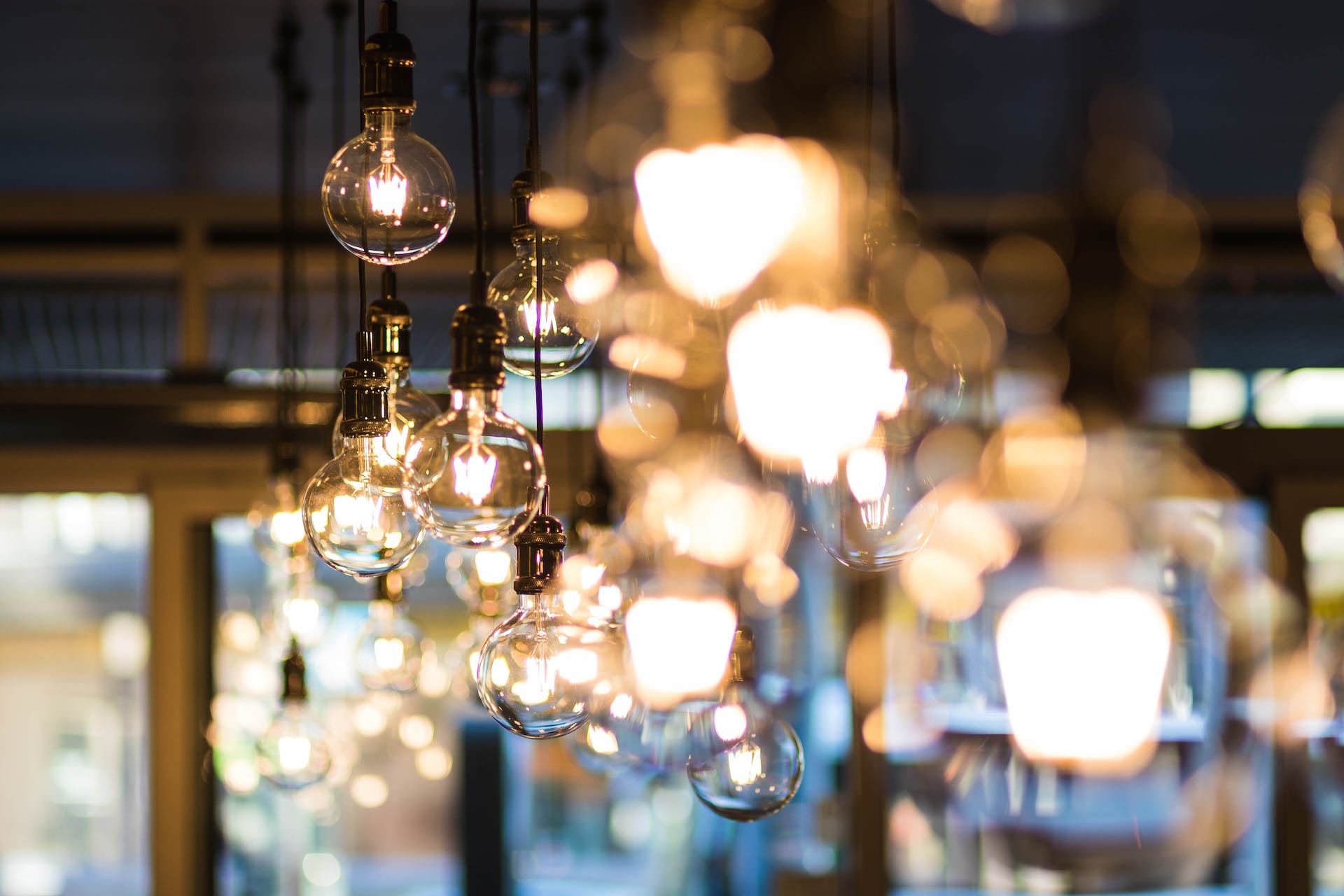
The love for vintage and retro-inspired lighting isn't fading anytime soon. This trend embraces everything from 1950s-inspired milk glass fixtures to industrial-looking Edison bulbs and vintage-inspired filament bulbs.
Timeless Spaces
In an attempt to revive nostalgia and create timeless spaces, designers are emphasizing lighting that appears to be retro while still offering modern functionality and safety standards. This trend ensures that the allure of the past continues to illuminate our future.
5. Natural Materials
The use of natural materials in lighting fixtures is another trend set to continue in the New Year. Designers are incorporating materials like rattan, twine, leather, and wood into their creations, adding texture and softening the look of traditional lighting hardware.
Texture and Visual Interest
Light fixtures incorporating natural materials not only add texture but also offer visual interest to spaces. Whether it's a rattan wall sconce or a leather-wrapped floor lamp, these fixtures are predicted to remain popular in 2025.
6. Bold, Sculptural Chandeliers
Last but certainly not least, bold, sculptural chandeliers are set to dominate lighting trends in 2025. These oversized fixtures, ideal for entryways and dining spaces, create a dramatic focal point.
A New Take on Tradition
If you envision traditional glass and metal candelabra-style pieces when you think of chandeliers, you'll be pleasantly surprised by the variety of shapes, styles, colors, and designs available. From unique, curved, abstract shapes to cascading tiers, these chandeliers cast light around the room in a dramatic fashion.
The top lighting trends of 2025 promise to bring us an exciting blend of the old and new, embracing natural materials, retro glamour, and bold innovations. As we look forward to these trends illuminating our spaces, it's clear that the future of lighting design is bright indeed.
Sourcing Lighting Products on Globalsources.com
Sourcing lighting products on Globalsources.com can be an excellent strategy for businesses looking to diversify their product offerings or find more competitive pricing. As a comprehensive B2B platform, Globalsources.com connects buyers with manufacturers and suppliers from around the globe, especially from Asia's vibrant manufacturing sectors. Here's a step-by-step guide on how to effectively source lighting products from the platform, organized with key focus areas.
Define Your Lighting Product Requirements
The first step in sourcing lighting on Globalsources.com is to clearly define your product requirements. This includes understanding the types of lighting you're interested in, such as LED, fluorescent, smart lighting, or outdoor fixtures. Consider the specifications like wattage, color temperature, lifespan, and energy efficiency standards. Having a clear set of criteria will help you to quickly identify suitable products and suppliers on the platform.
Utilize Advanced Search and Filtering
Globalsources.com offers detailed search and filtering tools that can help you refine your search based on your specific needs. You can filter search results by categories such as indoor lighting, outdoor lighting, commercial lighting, and so forth. Additionally, you can sort by certifications like CE, RoHS, or UL listing, which are important for ensuring product safety and compatibility with different markets.
Evaluate Supplier Credentials and Capabilities
Once you have a list of potential suppliers, it's essential to evaluate their credentials. Globalsources.com provides information about the supplier's business type, main products, production capability, and export history. Look for suppliers with substantial experience in manufacturing lighting products and with a strong export record. Check for verified suppliers who have undergone an authentication and verification process by independent third-party security service providers.
Request Samples and Verify Quality
Before placing large orders, request samples to verify the quality of the lighting products. This step allows you to assess the build quality, light output, and other critical features firsthand. It also allows you to test how well the supplier adheres to your specifications and to see if they provide reliable communication and timely delivery.
Negotiate Pricing and Payment Terms
After you've verified the quality of the samples, the next step is to negotiate pricing and payment terms. Pricing can often be flexible depending on order quantities, so it's worth discussing bulk discounts or tiered pricing structures. Additionally, payment terms are crucial for cash flow management; you may negotiate down payments, net terms, or letters of credit terms. Ensure that all negotiations are clear and agreed upon to avoid any misunderstandings.
Establish a Long-Term Relationship
Sourcing is not a one-time transaction but an ongoing process. Once you've found a supplier that meets your needs, work on building a strong, long-term relationship. This can lead to better pricing, priority production capacity, and more customized product offerings in the future. Regular communication, feedback sharing, and occasional visits (if possible) can fortify this business relationship.
Stay Updated on Market Trends
The lighting industry is continuously evolving with technological advancements and changing consumer preferences. Stay informed about market trends, such as the shift towards smart lighting systems or the increasing demand for energy-efficient products. By staying current, you can anticipate changes in consumer demand and adjust your sourcing strategy accordingly.
Ensure Compliance and Certification
Compliance with international standards and certifications is critical in the lighting industry. Ensure that the products you source meet the necessary safety and performance standards required in your market. Globalsources.com provides information on suppliers' certifications, but it's always good practice to request proof of compliance to ensure that all products are certified appropriately.
Plan for Logistics and Quality Control
Finally, plan for the logistics of getting your lighting products from the manufacturer to your business. This includes understanding shipping terms, lead times, and import/export regulations. Additionally, implement a quality control process either through the supplier or through third-party inspection services to ensure that the products shipped meet your quality standards.
By following these steps and utilizing Globalsources.com's resources effectively, you can source lighting products that meet your business's needs while ensuring quality and compliance. Remember to maintain clear communication with suppliers and stay informed about industry trends to make the most out of your sourcing efforts.