




Small electric vehicles are a unique category of personal transportation that falls between conventional bicycles and full-sized automobiles. They are two- to six-wheelers designed for short-distance urban commuting or specialized applications in locations like golf courses, resorts and industrial facilities. Their compact size makes them ideal for navigating congested city streets, while their electric drivetrains mean that they are environmentally friendly, with zero emissions and reduced noise pollution.
Types and their distinct features
With a diverse range of models available, catering to various needs, small EVs have emerged as a practical and sustainable solution for personal mobility, last-mile delivery and specialized transportation services. Here are some of the most common categories:
Electric quadricycles: These four-wheeled vehicles are designed for urban commuting and typically feature a semi-enclosed cabin or open-air seating. They offer greater stability and weather protection compared to two-wheeled alternatives.
Electric rickshaws or tuk-tuks: Originating in Asia, these three-wheeled EVs are a popular mode of transportation in densely populated cities. They provide an eco-friendly alternative to traditional gasoline- or natural-gas powered rickshaws.
Neighborhood electric vehicles: NEVs are low-speed and primarily used in gated communities, campuses and other controlled environments. They offer a convenient and emission-free way to navigate short distances.
Electric scooters and motorbikes: These two-wheeled EVs are agile and space-efficient, making them ideal for urban commuting and last-mile delivery services.
Personal mobility vehicles: Designed for individuals with mobility challenges, PMVs are compact EVs that provide easy access and maneuverability, enabling greater independence and freedom of movement.
Advantages over conventional vehicles
Small electric vehicles offer numerous advantages over traditional gasoline-powered vehicles to urban dwellers and environmentally conscious consumers. Here are some key benefits:
Eco-friendly: By operating on electric power, these vehicles produce no direct emissions, contributing to a cleaner and more sustainable environment.
Cost-effective: With lower acquisition costs and significantly reduced fuel and maintenance expenses, small EVs offer substantial long-term savings compared to conventional vehicles.
Compact and agile: Their diminutive size and maneuverability make these vehicles ideal for congested city streets, narrow alleys and tight parking spaces.
Reduced noise pollution: Electric motors operate quietly, minimizing noise pollution and contributing to a more pleasant living environment.
Accessibility: Many small EVs are designed with adjustable seating and easy access features for mobility-challenged people, including the elderly.
Versatility: From commuting to specialized applications like sightseeing tours, golf course transportation and last-mile delivery, small EVs are a versatile solution in various settings.
Small EVs vs electric cars
While both small electric vehicles and electric cars share the common trait of being powered by electric motors, there are significant differences in their specifications, performance and cost. Understanding these distinctions is crucial to making informed decisions based on your market’s specific needs and preferences.
| Aspect | Small EVs | Electric cars |
| Size and weight | Compact and lightweight | Larger and heavier |
| Seating capacity | 1 to 4 passengers | 4 to 7 passengers |
| Top speed | 40 to 72kph | 128 to 193kph |
| Range | 32 to 96km | 161 to 483km |
| Battery capacity | 4 to 12kWh | 20 to 100kWh |
| Charging time | 3 to 8 hours | 4 to 12 hours (Level 2) |
| Acquisition cost | $5,000 to $20,000 | $25,000 to $100,000+ |
| Operating cost | Low (electricity and maintenance) | Higher (electricity and maintenance) |
| Licensing requirements | May not require a driver's license | Requires a driver's license |
| Safety features | Basic | Advanced |
Small manned EVs prioritize affordability, maneuverability and short-range urban transportation, while electric cars offer longer ranges, higher speeds and more advanced features at a higher cost.
Small EVs on public roads
The regulations governing the use of small electric vehicles on public roads vary across jurisdictions. It is essential for buyers to familiarize themselves with the applicable national, state or more local laws and requirements in their market. Here are some general guidelines:
Vehicle classification: Depending on their specifications, such as top speed, weight and seating capacity, small EVs may be classified as low-speed vehicles, quadricycles or motorcycles, each with its own set of regulations.
Licensing and registration: In many jurisdictions, certain types of these EVs may require a valid driver's license, vehicle registration and insurance coverage to operate on public roads.
Safety equipment: Regulations may mandate the use of specific safety equipment, such as helmets, seatbelts, turn signals and lighting systems, for small EVs operating on public roads.
Speed limits and road access: These EVs may be subject to lower speed limits and restricted access to certain roads or highways, depending on their classification and local traffic laws.
Parking and infrastructure: Some cities and municipalities have implemented dedicated parking spaces, charging stations and infrastructure to accommodate the growing popularity of small EVs.
Importing small electric vehicles
As the demand for small electric vehicles continues to grow globally, businesses may consider importing these vehicles from other countries or regions. However, the process can be complex and subject to various regulations and requirements.
Import regulations: Each country has its own set of import regulations and restrictions on vehicles, including small EVs. It is essential to research and comply with the specific requirements of the destination country, such as import duties, taxes and documentation.
Vehicle certification: Many countries require imported vehicles to meet certain safety standards, which may involve obtaining certifications or approvals from relevant authorities.
Shipping and logistics: Arranging the safe and secure transportation from the country of origin to the destination can be a logistical challenge. Working with experienced shipping companies or importers can help streamline the process.
Battery and charging considerations: Importing small EVs may require additional considerations related to battery transportation regulations, as well as ensuring compatibility with local charging infrastructure and electrical systems.
Local registration and licensing: Once imported, small EVs may need to be registered and licensed according to the regulations of the destination country or region, which may involve additional paperwork and fees.
Warranty and service: Importing small EVs from another country may be impacted by the availability of warranty coverage and authorized service centers, which should be taken into account.
Here is a range of small EVs from verified suppliers on GlobalSources.com.
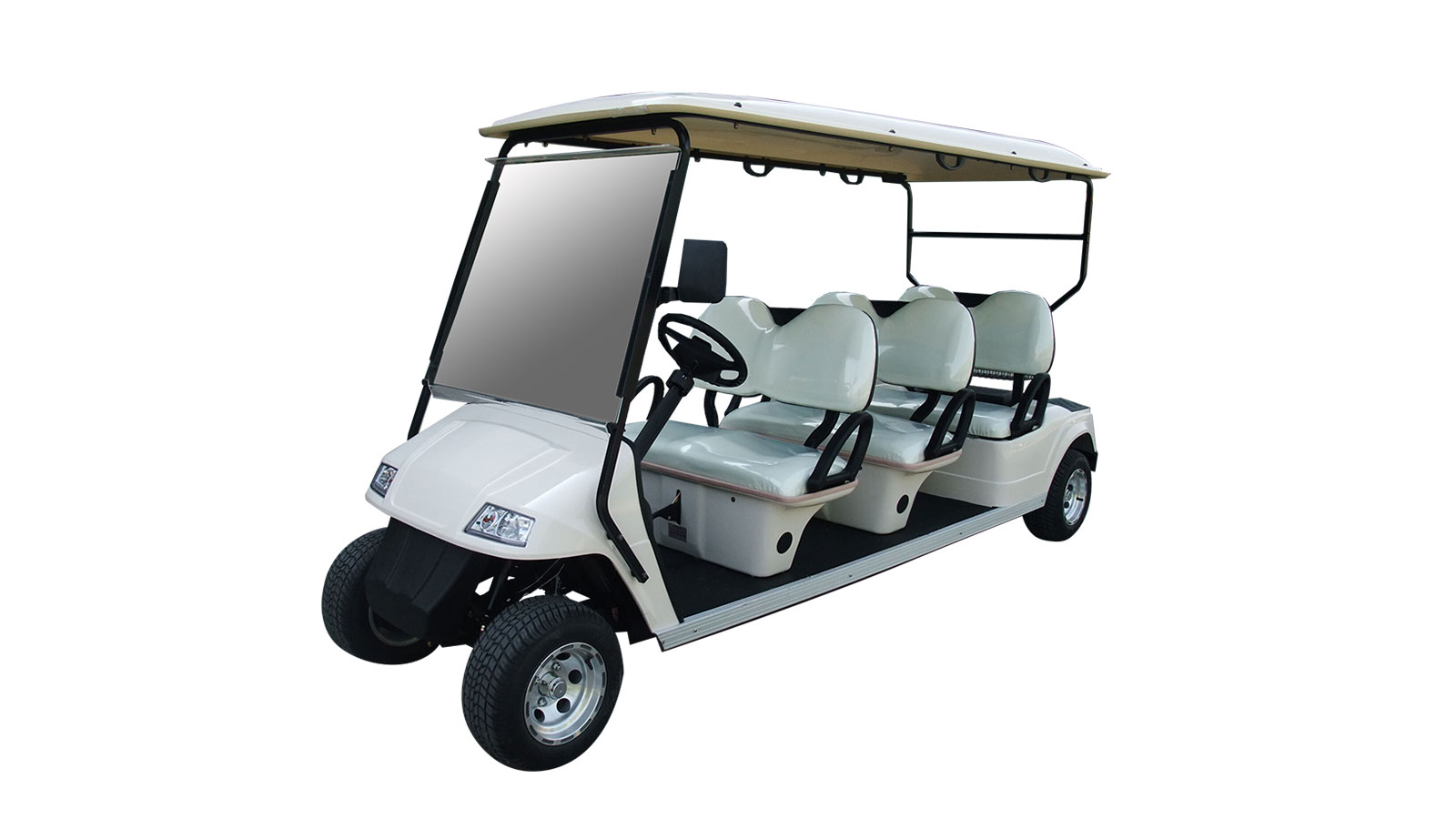
Tour electric vehicle, 530kg maximum load capacity
Company: Autotec International Corp.
Autotec markets the EG2068K03-ATC:99010002, a secondhand six-passenger tour electric vehicle with a 48V, 5kW AC motor, eight 3-EVF-200 batteries and a Zapi-branded Ace2 controller. This unit has 530kg maximum load capacity, 32kph maximum speed and 6m minimum turning radius. With a full load, it has a 90km range at 20kph on a flat road and 20 percent maximum climbing capacity.
This EV has a 3,200mm wheelbase, 120mm minimum ground clearance, 3,860x1,180x1,890mm overall dimensions and 700kg net weight.
MOQ: 1 unit
Lead time: 30 to 60 days
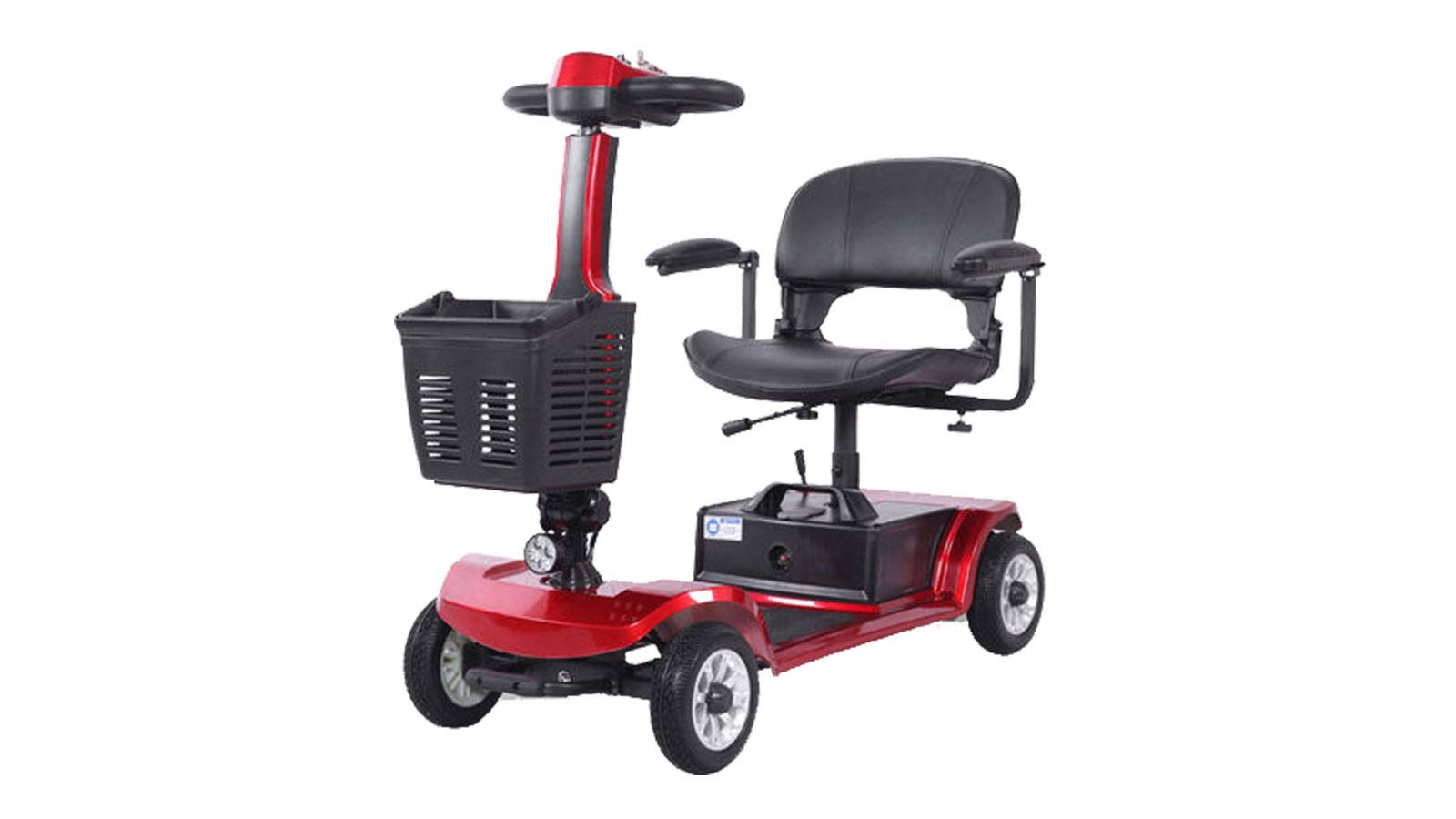
Electric mobility scooter, 6kph maximum speed
Company: Happy (Hangzhou) Technology Co. Ltd
The HP-S02 from Happy is a four-wheel electric mobility scooter for the physically challenged. It is equipped with a 24V, 250W motor, 24V, 12Ah battery, magnetic brake and 8in solid wheels. The maximum speed is 6kph, maximum range 18 to 22km or 30 to 35km with a bigger battery and turning radius 1,250mm. This unit, with 92mm ground clearance and 15-degree climbing angle, measures 1,080x500x900mm and weighs 40kg net or 45kg gross. Available colors are red, blue, green, silver, black and white.
MOQ: 10 units
Lead time: 15 to 20 days
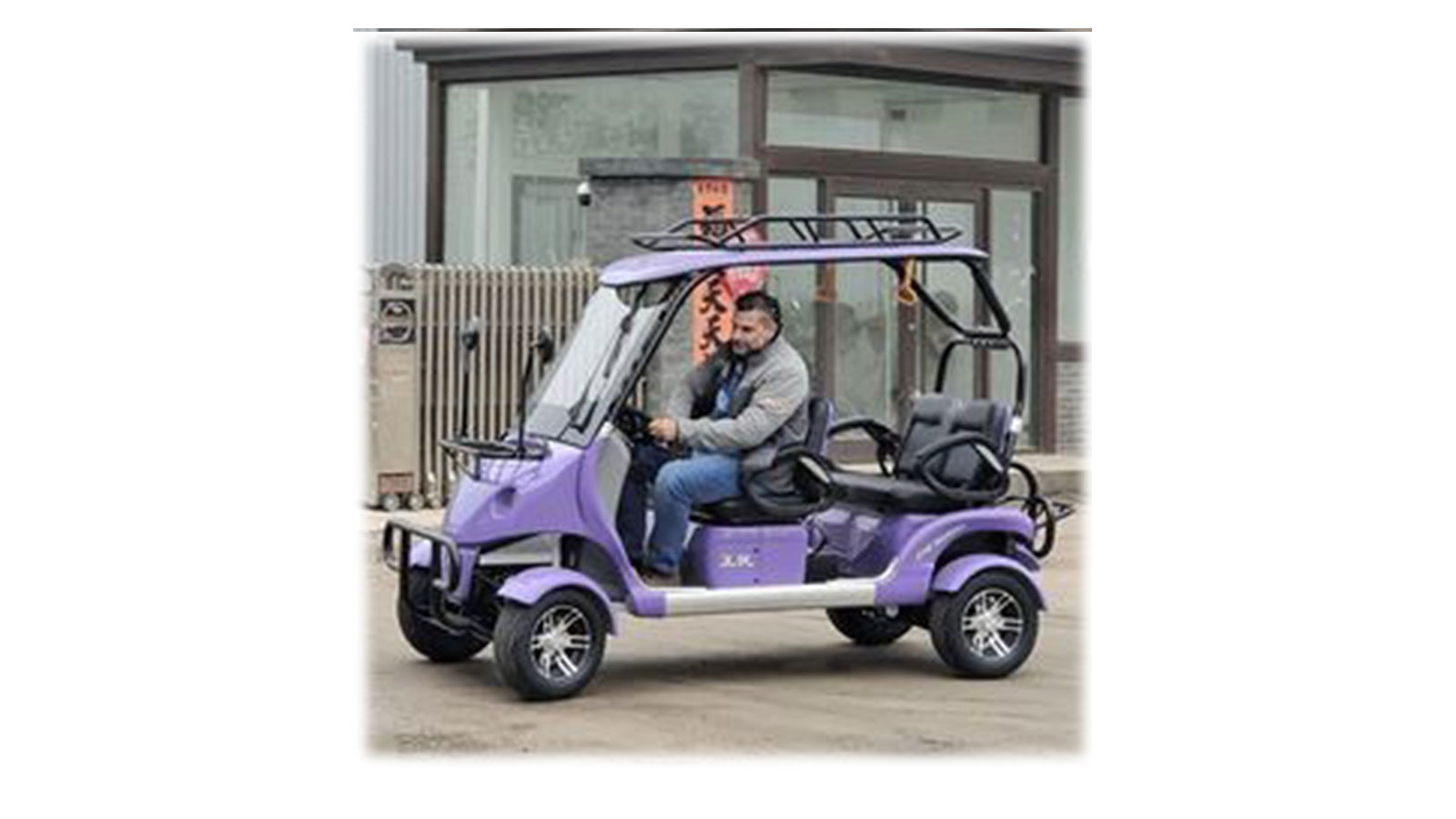
Small EV, 30-degree climbing angle
Company: Hebei Hanben Trading Co. Ltd
This small EV from Hebei Hanben is made of steel and ABS and has 350W motor, six-tube controller, hydraulic front fork, front and rear drum brakes, LED headlights and 14-250 tires. The maximum speed is 40kph and the climbing angle is 30 degrees. This unit, with an alarm remote control and key start, requires six to eight hours of charging.
MOQ: 50 units
Lead time: 5 to 7 days
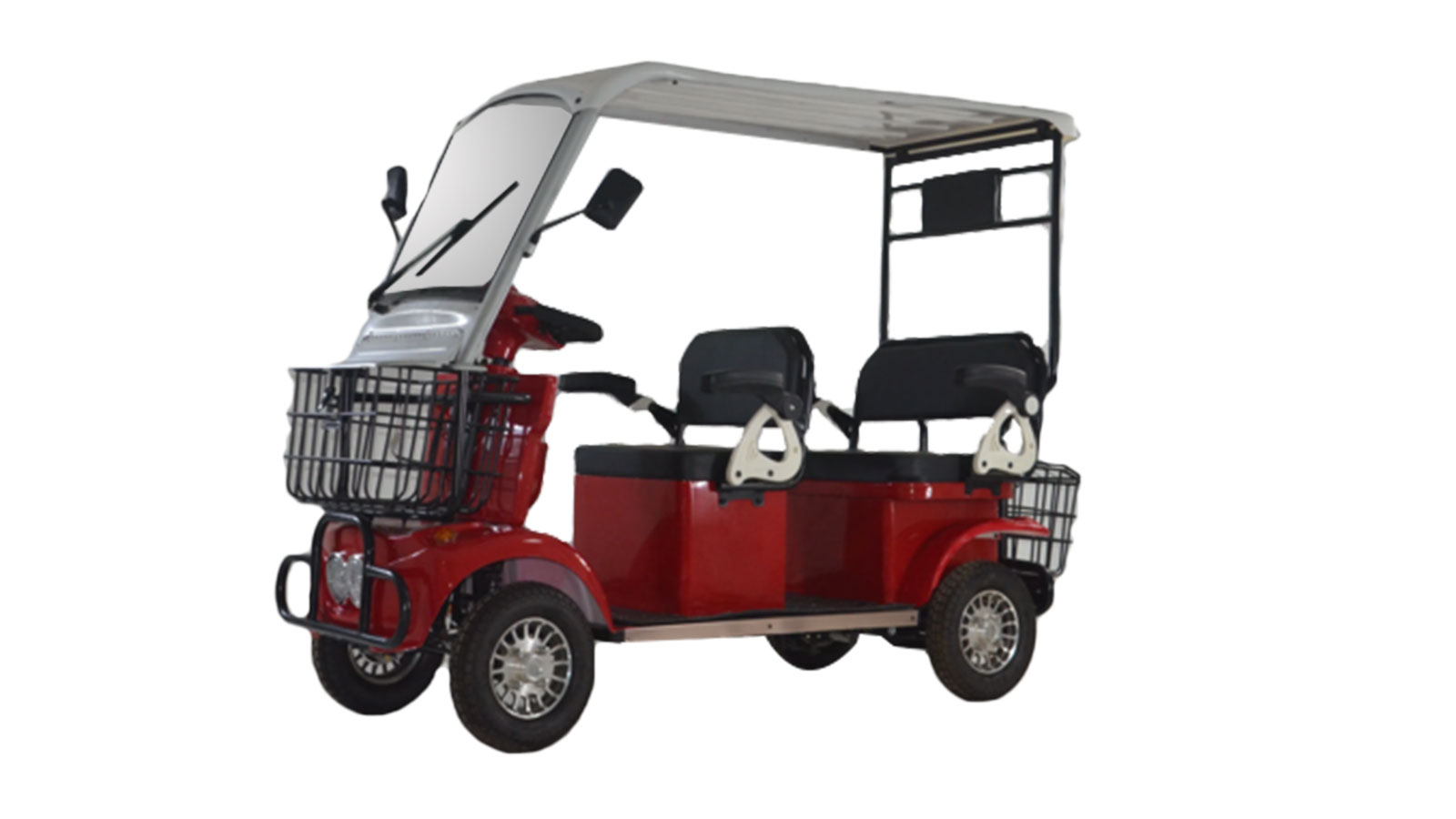
Electric scooter, 650W brushless motor
Company: Tianjin Congkaijiayue Internation Trading Co. Ltd
Tianjin Congkaijiayue exports this four-wheel electric scooter, which has a carbon steel frame, hydraulic front and spring rear shock absorbers, front and rear drum brakes and 3.50-8 vacuum tires. The TD0030001-1790 is equipped with a 650W brushless motor and a 48 or 60V, 20Ah lead-acid battery with eight to 10-hour charging time. It has 30 to 50kph maximum speed, 40 to 70km range and up to 300kg load. This unit has an LCD screen and LED headlights.
MOQ: 200 cartons
Lead time: 30 to 45 days
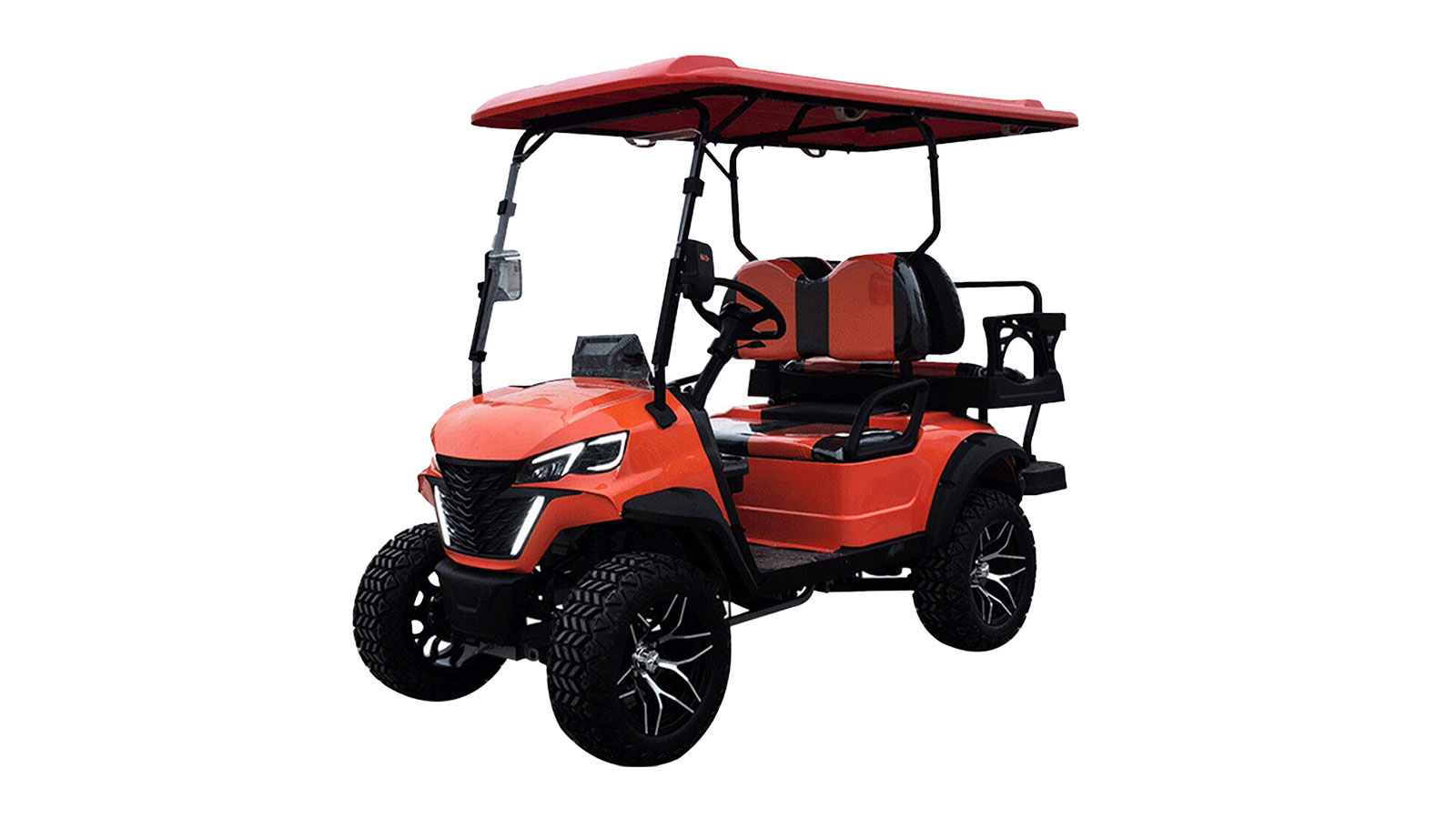
Electric golf cart, 12in off-road tires, aluminum alloy wheels
Company: Weihai Better Clean Energy Technology Co. Ltd
Weihai Better offers the BD06-4-1318, a four-seater electric golf cart that can also be used as a buggy based on its off-road design. This four-wheeler, with a 60V, 3,500W motor, is supplied without a battery but it can run on a lead-acid or lithium type. Its maximum speed is 30 to 50kph, climbing capacity 30 percent and range 80 to 100km. The unit has a bidirectional steering gear rack system with automatic gap compensation, front and rear disc brakes, 12in off-road tires with aluminum alloy wheels and an acrylic windshield.
MOQ: 1 unit
Lead time: 10 to 15 days
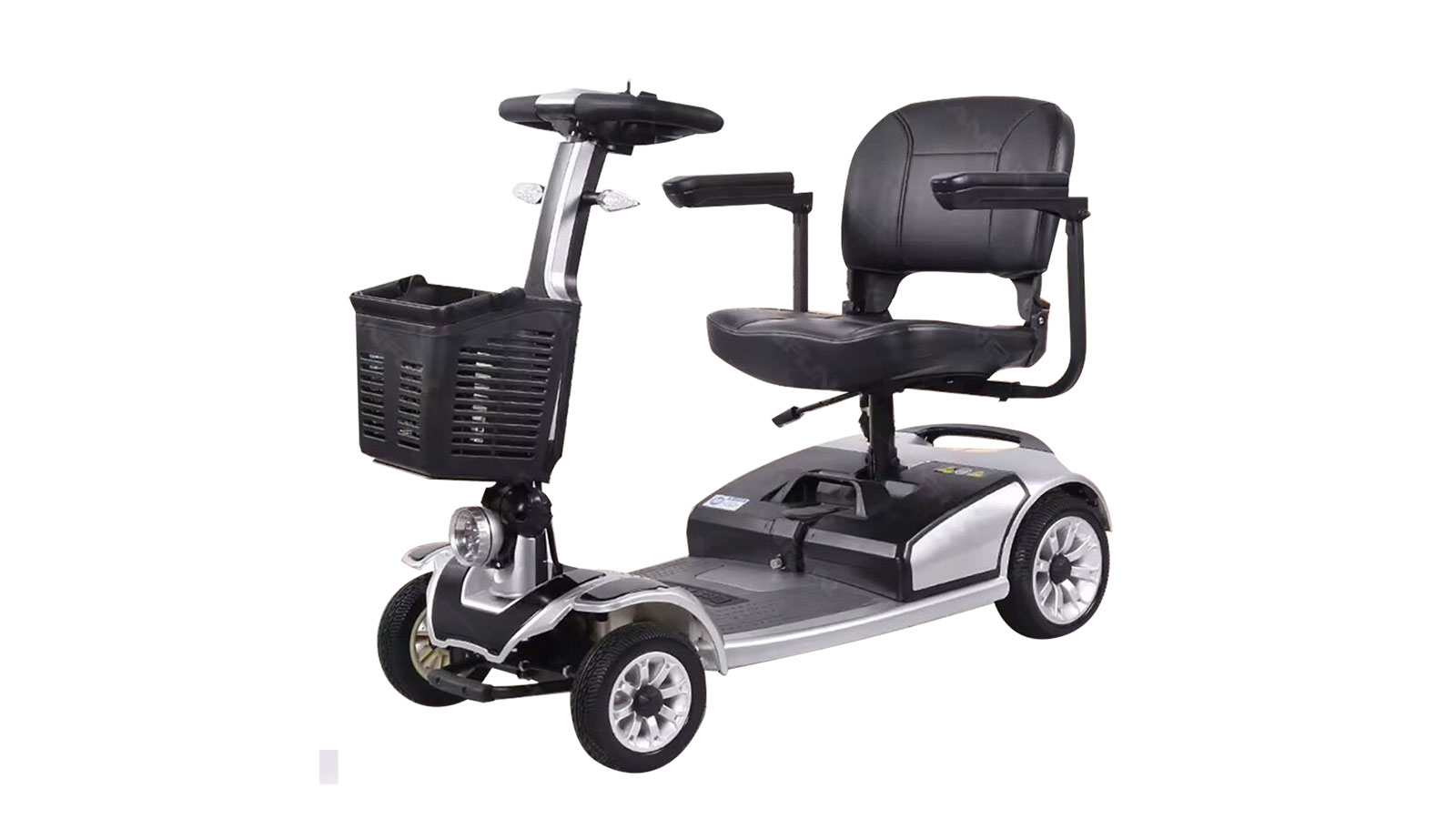
Electric mobility scooter, anti-slip solid tires
Company: Yichun Xinrui Electric Vehicle Ltd
The KP-410-2 from Yichun Xinrui is a four-wheel electric mobility scooter for the elderly and the physically challenged. It has a 200W differential brushed motor and a 12V, 20Ah removable battery. This CE-approved unit, with 120kg load capacity, has adjustable handlebar and seat, armrests that can be lifted, electromagnetic brake, and anti-slip and puncture-resistant solid tires. Its speed is 10kph, continuous range 25km and climbing angle 20 degrees.
MOQ: 30 units
Lead time: 25 to 35 days

