




What is Artificial Intelligence and What are AI Gadgets?
10 Examples of Everyday AI Gadgets
How AI is Transforming Modern Gadgets
The Future of AI in Everyday Gadgets
Explore the Future of AI+ at Global Sources Hong Kong Shows – Phase 2
Artificial Intelligence (AI) has evolved from a futuristic concept into an integral layer of our daily technological landscape. This article provides a comprehensive exploration of AI's role in everyday gadgets – from defining its core principles and highlighting prevalent AI-powered gadgets to analyzing its transformative impact and future trajectory. It explores how AI is reshaping devices into adaptive systems, offers practical frameworks for selecting suitable technology, and presents opportunities to engage with next-generation innovations at leading industry platforms.
What is Artificial Intelligence and What are AI Gadgets?
Artificial Intelligence (AI) is the branch of computer science focused on creating systems capable of performing tasks that typically require human intelligence, such as learning, reasoning, and adaptation. Through algorithms and machine learning models, AI enables computers and machines to perform tasks that range from executing narrow functions to operating autonomously, continually improving beyond their initial programming.
AI gadgets represent the tangible application of this technology in everyday life. By embedding AI into tools such as smartphones, smart speakers, wearables, and home automation systems, these devices gain the ability to learn from user behavior, respond contextually, and automate tasks. This integration seamlessly blends advanced computation with practical daily use, creating more intuitive and adaptive technological experiences.
10 Examples of Everyday AI Gadgets
Artificial intelligence has become deeply integrated into the devices that shape our daily routines, making them smarter, more responsive, and increasingly personalized. Below is a comprehensive look at the most common AI-powered gadgets across various aspects of modern life.
1. Smartphones & Personal Assistants
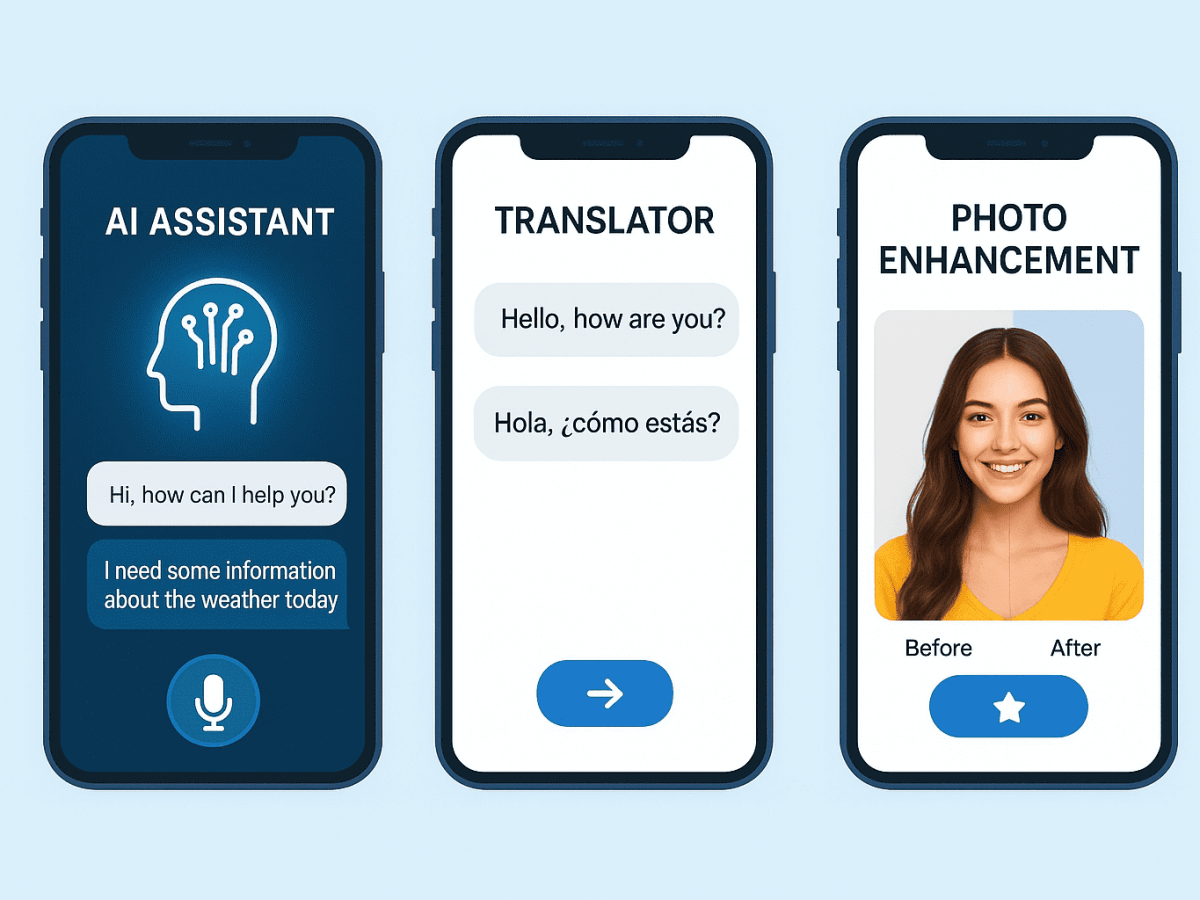
AI is central to the smartphone experience. Beyond voice assistants such as Siri and Google Assistant, AI powers predictive text, smart reply suggestions, real-time language translation, and computational photography features like night mode and portrait lighting. These devices continuously learn from user behavior to personalize app recommendations, optimize battery usage, and enhance accessibility.
2. Smart Home Ecosystems
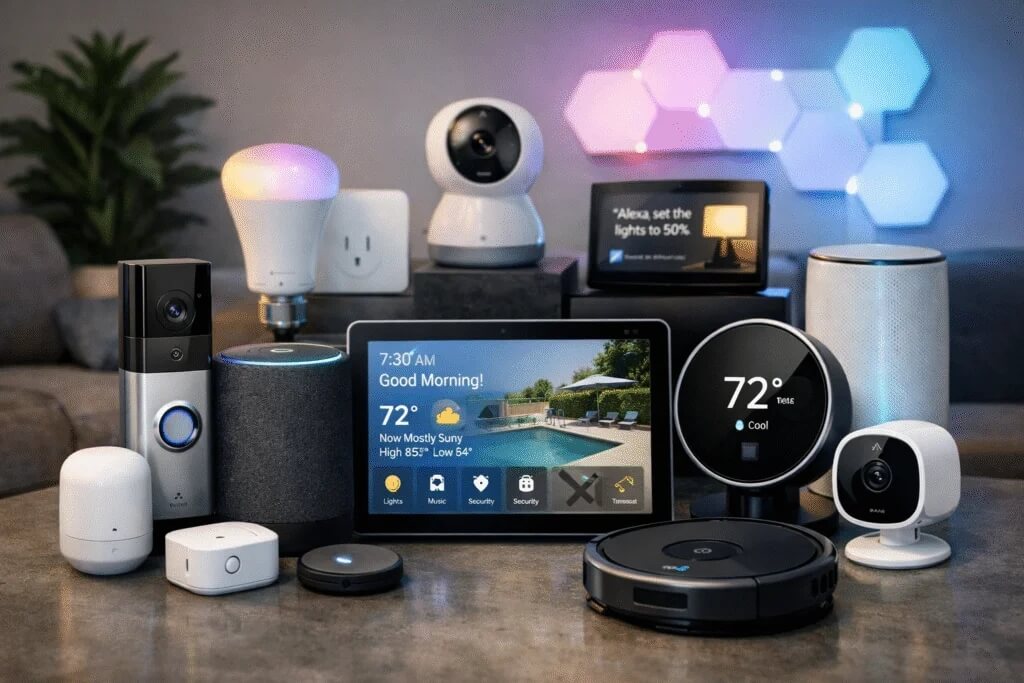
Voice-activated smart speakers and hubs, including Amazon Echo and Google Nest, serve as central controllers for connected homes. They integrate with AI-driven devices such as learning thermostats (e.g., Nest Thermostat), which adjust temperatures based on consumer habits; smart lighting systems that adapt to routines; and robot vacuums (e.g., Roomba) that autonomously map and clean spaces. Increasingly, these systems anticipate needs, such as turning on lights at sunset or ordering household supplies.
3. Wearable Health & Fitness Technology
Devices like the Apple Watch, Fitbit, and Oura Ring use sensors and AI to monitor heart rate, sleep patterns, activity levels, and blood oxygen saturation. Advanced models can perform electrocardiograms (ECGs), detect falls, and analyze stress through heart rate variability. AI interprets these trends to provide personalized health insights, workout recommendations, and early warnings for potential issues.

4. Home Security & Monitoring
AI-powered security gadgets include smart cameras (e.g., Arlo, Ring) and video doorbells with person, animal, and vehicle detection. These systems reduce false alerts and can distinguish between routine activity and unusual events. Some also offer facial recognition for familiar faces and integrate with alarms and smart locks to automate home security responses.
5. Entertainment & Content Systems
Streaming platforms such as Netflix and Spotify, and smart TVs employ AI to recommend movies, shows, and music based on viewing history and preferences. In gaming, consoles like the PlayStation 5 and Xbox Series X use AI for realistic graphics rendering, adaptive gameplay, and even non-player character (NPC) behavior that reacts dynamically to player choices.
6. Kitchen & Home Appliances
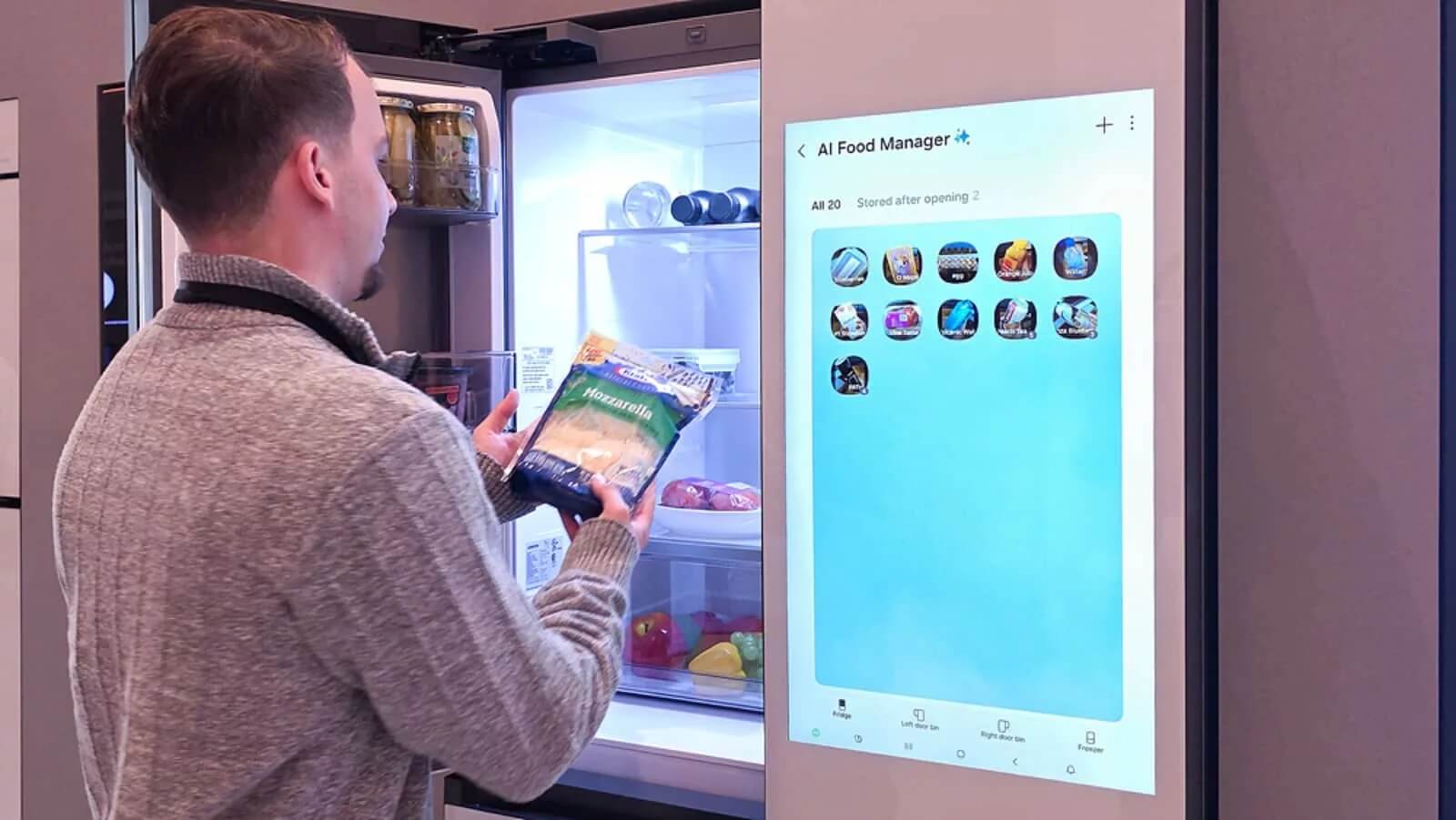
AI has entered the kitchen through smart refrigerators (e.g., Samsung Family Hub) that track food inventory and suggest recipes; ovens that recognize dishes and adjust cooking settings; and coffee makers that learn brew preferences. Laundry appliances with AI can auto-detect fabric types and soil levels, while robot mops such as the Braava Jet map floors and clean efficiently.
7. Navigation & Transportation Tech
AI is embedded in everyday navigation tools such as Google Maps and Waze, which analyze real-time traffic, predict arrival times, and suggest optimal routes. In vehicles, advanced driver-assistance systems (ADAS) offer adaptive cruise control, lane-keeping assistance, and autonomous parking. Emerging innovations include AI in electric scooters and bikes for improved battery and route management.

8. Productivity & Communication Tools
AI enhances daily work and communication through tools such as Grammarly for writing assistance, Zoom for background noise suppression and meeting transcription, and smart email platforms that prioritize messages and automate replies. Even text editors and note-taking apps now use AI for summarization, tone adjustment, and content generation.
9. Retail & Shopping Assistants
Ecommerce platforms employ AI in personalized shopping through recommendation engines, dynamic pricing, and chatbots for customer support. In physical retail, smart mirrors and virtual try-on tools use computer vision to enhance the shopping experience, while inventory robots track stock in real time.

10. Environmental & Sustainability Gadgets
AI is increasingly applied to energy management, including smart plugs and home energy monitors that optimize electricity usage. Solar panel controllers with AI maximize energy harvest, while air quality monitors provide actionable insights to improve indoor environmental health.
This widespread integration demonstrates how AI has moved beyond novelty to become a fundamental, seamless layer within gadgets relied upon daily. Each device is designed to learn, adapt, and simplify everyday tasks while proactively anticipating user needs, underscoring AI’s role as a transformative force in modern technology.
How AI is Transforming Modern Gadgets
Artificial intelligence is revolutionizing modern gadgets by transitioning them from programmed tools into adaptive systems capable of learning, predicting, and interacting with both users and environments.
- Enhanced Adaptability through Behavioral Learning
AI enables devices to evolve based on continuous user interaction, refining functionality to align with individual habits. Smart assistants in phones and home systems now adjust responses, suggestions, and automation routines by analyzing usage history. This creates a tailored experience that grows more intuitive over time without manual reprogramming.
- Proactive Functionality via Predictive Analytics
By processing historical and real-time data, AI empowers gadgets to anticipate user needs before explicit commands are given. Smart thermostats optimize energy consumption by learning household patterns, while health wearables analyze biometric trends to provide early wellness insights. These capabilities transform devices from reactive instruments into proactive partners.
- Intelligent Awareness with Sensor Fusion
Modern AI integrates multiple sensor inputs – such as visual, audio, and motion data – to interpret environmental contexts with high accuracy. Cameras with AI-enhanced vision differentiate between subjects and backgrounds for professional-grade photography, while IoT networks use sensor-driven data to coordinate actions across smart ecosystems, enhancing both safety and efficiency.
- Seamless Hardware-AI Synchronization
Manufacturers increasingly embed dedicated AI processors within gadgets to accelerate on-device intelligence, enabling faster voice recognition, real-time image analysis, and improved battery performance. The synergy between specialized hardware and adaptive software allows gadgets to execute complex tasks smoothly while maintaining user privacy through localized data processing.
The Future of AI in Everyday Gadgets
The evolution of AI in everyday gadgets will be shaped by three transformative directions: ambient predictive intelligence, convergence with emerging technologies, and ethical and systemic integration.

1. From Reactive to Ambient Predictive Intelligence
Future gadgets will progress from responding to commands toward anticipating needs through contextual awareness. Leveraging neuromorphic chips and on-device learning, they will enable environments that adapt intuitively – such as homes that adjust lighting and climate based on emotional cues or schedules, and vehicles that preemptively optimize routes and cabin settings.
2. Convergence with Augmented Reality and Hyper-Personalized Health
AI will deepen its synergy with augmented reality (AR), enabling devices such as smart glasses to overlay real-time translations, navigation cues, and contextual information onto the physical world. In healthcare, wearables will evolve from tracking to predicting health risks through continuous biomarker analysis, offering proactive wellness interventions and seamless integration with remote care systems.
3. Ethical Frameworks and Systemic Resilience
As AI becomes more embedded, addressing data privacy, algorithmic bias, and cybersecurity will be critical. The future will demand transparent AI governance, robust regulatory standards for interoperability, and ethical design principles to ensure user trust and equitable technological advancement amid rising autonomy.
Selecting the Best AI Gadgets
Yes, there are standout AI gadgets in the market, but “best” depends on how well they align with user needs – whether for productivity, wellness, automation, or creativity. Truly exceptional AI devices combine adaptive intelligence, meaningful functionality, and seamless integration into daily life, moving beyond automation to offer personalized and predictive support.
How to Choose the Right AI Gadget
Selecting an AI device that aligns with professional or personal objectives requires a structured approach. The following checklist provides a framework for evaluating functionality, intelligence, and long-term value:
- Define the Primary Goal
The selection process begins with identifying whether the priority is productivity enhancement, health monitoring, home automation, or creative assistance. This focus helps distinguish between specialized gadgets, such as AI notebooks for work or wellness wearables for lifestyle support. - Prioritize Adaptive Intelligence Over Basic Automation
Devices that learn from user behavior – such as smart glasses that customize information displays or wearables that adjust health insights based on activity patterns – offer greater value than those limited to preset commands. - Evaluate Privacy and Data Processing Methods
Preference should be given to gadgets that offer local data processing, encrypted storage, and clear privacy policies. This is particularly important for health, home, or voice-activated devices where sensitive information is involved. - Assess Ecosystem Compatibility
Effective AI devices integrate smoothly with existing tech environments, whether iOS/Android, smart home platforms, or productivity software. Compatibility ensures cohesive functionality rather than isolated performance. - Consider Design and Longevity
Ergonomic, durable designs suited to daily use are essential – from wearable comfort to discreet home placement. Products that support firmware updates and modular features extend usability as AI technology evolves. - Balance Cost with Sustained Value
Upfront pricing should be weighed against ongoing benefits such as energy savings, time efficiency, and adaptive features that reduce the need for frequent upgrades or additional devices.
As AI continues to redefine everyday gadgets and as professionals evaluate how best to integrate these technologies, industry events provide an essential platform to explore innovations firsthand. The Global Sources Hong Kong Shows – Phase 2 exemplifies this opportunity, offering direct engagement with next-generation AI devices and the suppliers driving their development.
Explore the Future of AI+ at Global Sources Hong Kong Shows – Phase 2
Join us at Global Sources Hong Kong Shows – Phase 2 on 18–21 April, 2026, will serve as the world’s premier sourcing platform in mobile electronics and AI applications. This elite event will showcase the latest innovations in AI-powered gadgets across multiple categories, offering industry professionals a unique opportunity to see, test, and source next-generation intelligent products.

In the AI+ Products Hall, attendees will experience firsthand how AI is transforming everyday devices into responsive, adaptive tools. Exhibits will include AI glasses with real-time translation, health-monitoring wearables, interactive AI pet technology, and smart home systems that learn and anticipate user behavior. From concept to commercialization, this showcase highlights products that bridge cutting-edge technology with practical, scalable solutions.
Why attend?
- Source intelligently: Connect with top suppliers in AI applications, smart home, lifestyle, and mobile electronics
- See live demos: Experience AI devices in action – from multimodal glasses to AI-enhanced health trackers.
- Network with industry leaders: Engage with innovators, developers, and decision-makers shaping the future of AI hardware.
- Stay ahead of the curve: Gain insights into market trends, product development, and implementation strategies.
Registration is required to access the exhibition. Secure your entry today to explore the full spectrum of AI+ innovations and build meaningful connections in a focused, business-oriented environment.
📍 Event: Global Sources Hong Kong Shows – Phase 2
📅 Date: 18–21 April, 2026
🎯 Focus: Mobile Electronics | Smart Home & Appliances | Lifestyle | Home & Kitchen | AI+ Products
Conclusion
As AI continues to advance, its integration into everyday gadgets marks a fundamental shift toward more intuitive, predictive, and personalized technology. From smartphones and smart homes to health wearables and autonomous systems, AI enhances functionality while raising important considerations around privacy, ethics, and sustainability.
For industry professionals and users, understanding current applications, emerging trends, and selection criteria is essential to navigating this intelligent ecosystem with clarity and foresight. The ongoing development of AI gadgets not only reflects technological advancement but also underscores the need for thoughtful integration that prioritizes human-centric design, ethical governance, and long-term value. In this way, AI’s trajectory in consumer and professional devices is not merely about innovation, but about shaping a responsible and resilient technological future.
Further Reading: Best AI Robot Dogs for Adults 2026: Complete Buying Guide & Reviews

