




Why People Need an AI Robot Dog?
Top 5 Realistic AI Pet Robot Dog for Adults 2026
How to Choose the Most Suitable AI Robot Dog?
Getting Started: First Steps with Your New AI Robot Dog
AI robot dogs combine emotional intelligence with advanced technology to provide meaningful companionship. This guide explores their evolution, key features, and top models to help you understand their value for emotional support, therapy, and interactive engagement.
Whether you're in the healthcare sector, a tech retailer, or a buyer looking for therapeutic solutions, this article offers essential insights into choosing the right AI companion for your needs.
What Is An AI Robot Dog?
An AI pet robot dog is an intelligent companion designed to mimic the behaviors and interactive qualities of a biological pet. Equipped with integrated sensors, voice recognition, and adaptive AI, it can respond to touch, follow commands, and simulate emotional expressions – providing a consistent, interactive companionship without the needs of a living animal.
Designed primarily for adults, these robots can serve multiple roles, including:
- Therapeutic support for seniors or individuals dealing with anxiety
- Low-maintenance companionship for busy professionals
- Engaging tech platforms for users interested in AI and robotics
1. The Evolution: From Simple Toys to AI Companions
Robotic pets began decades ago as basic electronic toys, such as Hasbro's Furby (1998) and Sony's first-generation Aibo (1999). These early products delivered pre-programmed reactions and entertainment, but they offered limited autonomy and no true AI-driven learning.
The landscape shifted in the 2010s, as improvements in robotics hardware and AI software enabled more capable behavior. For example, Boston Dynamics’ Spot (2015) demonstrated unprecedented mobility for industrial applications. Meanwhile, Sony's re-launched Aibo (2018) introduced cloud-based AI to support memory-like learning and adaptive interactions.
In the 2020s, emotionally responsive and conversational companions gained momentum. Examples include Tombot Jennie, designed with clinical input to support therapeutic use, and KEYi Tech’s Loona, which utilizes large language models to power more natural dialogue.
Today, AI robot dogs are increasingly viewed not as novelty devices but as specialized tools for companionship, therapy support, and applied research, shaped by generative AI, realistic biomimetic design, and more careful ethical consideration.
2. Features of An AI Robot Dog
- AI and machine learning: Supports learning, interaction patterns, and personality adaptation
- Sensors: LiDAR, cameras, and touch sensors for navigation and engagement
- Mobility systems: Servo motors for realistic movement
- Biomimetic design: Lifelike fur and natural motion behaviors
- Connectivity: Wi-Fi/Bluetooth for updates and control
- Battery management: Self-charging capabilities
3. Capabilities and Applications
- Emotional support: Helps reduce anxiety for seniors and people with dementia
- Interactive companionship: Conversation, games, and routine-based learning
- Home monitoring: Security patrols and smart home integration
- Education and research: STEM learning and robotics development
- Therapy assistance: PTSD support and rehabilitation-friendly interaction
- Accessible alternative: Supports pet-free homes, including environments where allergies or policies prevent traditional pets
Why People Need an AI Robot Dog?
1. Validated Emotional Support
AI robot dogs address a real need for companionship when traditional pets aren’t feasible. Clinical studies show they reduce stress markers like cortisol by up to 30% and lower PTSD symptoms by 45%, offering a non-pharmaceutical therapeutic aid for anxiety, loneliness, and certain cognitive-related conditions.
2. Unwavering Reliability
Unlike living companions, robot pets can provide consistent availability. They don’t tire, forget, or become unavailable – offering stable emotional presence24/7 during moments of isolation or anxiety.
3. Practical, Adaptive Bonding
AI companions enable customizable interaction with minimal upkeep. They can adapt to individual needs while removing physical-care responsibilities – such as walks, grooming, and allergy-related constraints –making meaningful companionship more sustainable in modern adult life.
Top 5 Realistic AI Robot Dog for Adults 2026
From emotional support to high-tech exploration, the ideal robotic companion depends on an organization's or user’s specific needs and operating environment. Here are five standout models, re-ranked for 2026 based on their capabilities, suitability for different users, and overall experience.
1. Sony Aibo ERS-1000
An autonomous companion with an evolving personality.
- Key Features
- Evolving AI personality: Learns from interactions via cloud AI to form unique habits and memories.
- Full-body expression: Conveys emotions through OLED eyes, moving ears, and tail.
- Proactive interaction: Recognizes faces, responds to voice, and can initiate play or take pictures.
- Self-sufficient: Automatically returns to its charging dock and gains new skills via updates.
- Modern design: Sleek, wipe-clean body for easy maintenance.
- Best For
- Tech enthusiasts
- Those seeking a long-term companion
- Seniors who enjoy smart interaction
- Seniors who enjoy smart interaction
- Price Range
- Approx. $2,900 plus an estimated $300/year cloud subscription (after the first 3 years).

2. Tombot Jennie
A clinically engineered therapeutic support device.
- Key Features
- Bio-realistic design: Lifelike fur and subtle, breathing-like movements co-developed with Jim Henson's Creature Shop.
- ComfortResponse system: Patented technology detects vocal stress and touch to respond with calming nuzzles or a simulated heartbeat.
- Clinically validated: studies (e.g., UCLA) indicate it can help reduce agitation and anxiety in people with dementia or PTSD.
- Medical device pathway: Actively pursuing FDA registration to support potential future insurance coverage.
- Stationary and safe: Non-mobile design emphasizes consistent, predictable, tactile comfort.
- Best For
- People with dementia, PTSD, or high anxiety
- Seniors in assisted living
- Anyone seeking a clinically-backed emotional support tool.
- Price Range
- ~$1,000 – $1,500.

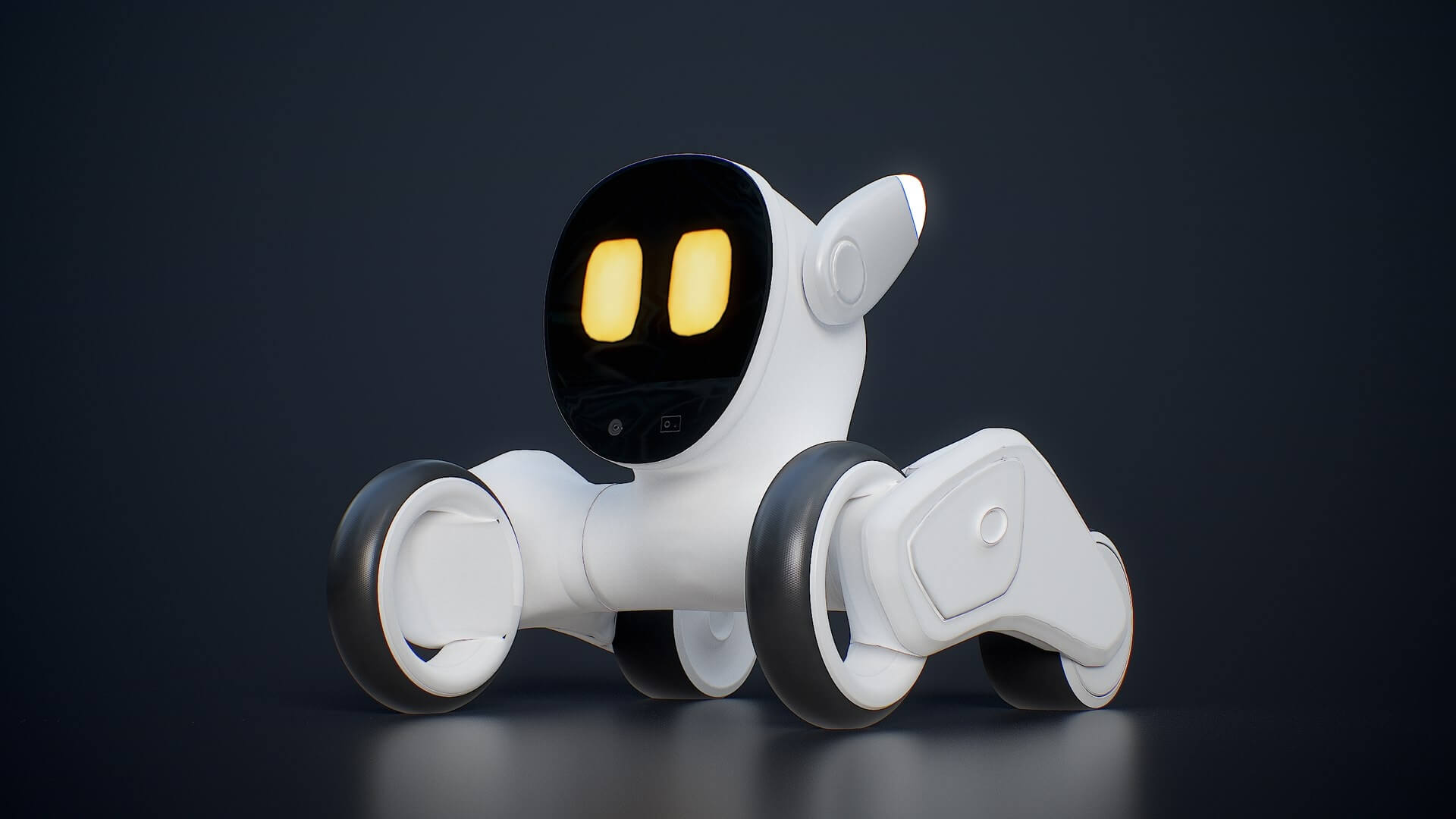
3. KEYi Tech Loona
A smart, conversational home companion.
- Key Features
- Conversational AI: Powered by an integrated LLM for natural, contextual dialogue and joke-telling.
- Expressive reactions: Displays over 1,000 emotions and responses through its high-resolution screen, voice, and movement.
- Smart perception and mobility: Uses a 3D ToF camera for face/object recognition, obstacle avoidance, and interactive games like fetch.
- Multifunctional support: Can also act as a mobile home monitor and smart home interface.
- Hybrid mobility: Wheel-leg system allows for quiet, efficient indoor navigation.
- Best For
- Tech-savvy users who want engaging conversation
- Individuals combating loneliness
- Families
- Price Range
- ~$500
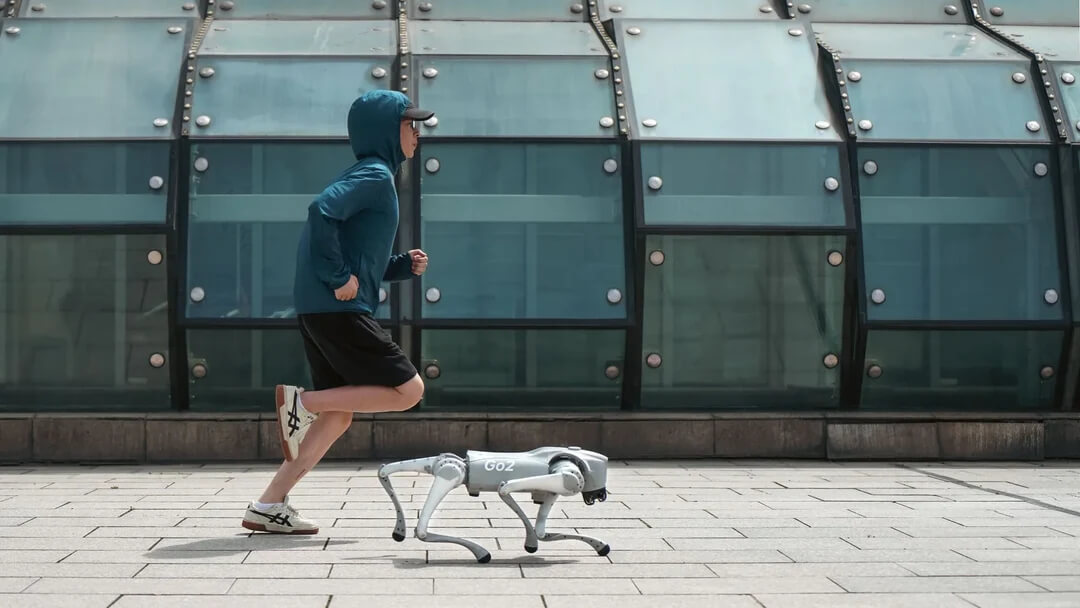
4. Unitree Go2
A high-performance, programmable robotics platform.
- Key Features
- Advanced mobility: Capable of running, jumping, climbing stairs, and navigating complex terrain.
- Autonomous navigation: Utilizes 4D LiDAR for 360° environmental mapping and obstacle avoidance.
- Developer-focused: Extensive SDK and API access for custom programming and hardware integration.
- Rugged and modular: Industrial-grade build with add-on options such as inspection cameras.
- Versatile control: Operable via voice, smartphone app, or professional-grade remote controller.
- Best For
- Robotics developers and researchers, and tech hobbyists
- Users needing a robust mobile platform for utility, inspection, or customization
- Price Range
- ~$2,500 – $3,000+ for the base model (varies by configuration)
5. Joy for All Companion Pets
A simple, tactile source of immediate comfort.
- Key Features
- Realistic tactile experience: Features soft, lifelike fur and a soothing, simulated "heartbeat."
- Simple interaction: Responds to touch and sound with calming barks, tail wags, and head turns. No Wi-Fi or apps required.
- Low hassles: Runs on standard batteries for weeks and is fully machine washable.
- Therapeutically adopted: Widely used in senior care for its proven ability to reduce anxiety and loneliness.
- Purposefully simple: Designed purely for comfort; no mobility or complex AI.
- Best For
- Seniors (especially those with dementia)
- Anyone seeking straightforward, no-fuss comfort
- Budget-conscious buyers or those wary of complex technology
- Price Range
- ~$140

How to Choose the Most Suitable AI Robot Dog?
Choosing the right AI companion means matching its core strengths to your personal needs, budget, and daily routine. Instead of focusing only on specs, start with what you want the robot to do for you.
To make it easier, here’s a quick comparison of how each top model serves a different primary purpose.
1. Quick Comparison: Find Your Match at a Glance
| Model | Primary Purpose | Best For | Price (US$) | Where to Buy Safely |
| Tombot Jennie | Therapeutic Support | People with dementia, PTSD, or high anxiety; clinical settings. | ~$1,000 – $1,500 | Official website only, or authorized assisted-living suppliers. |
| Sony Aibo | Evolving Companionship | Tech enthusiasts seeking a long-term, intelligent companion that "grows" with them. | ~$2,900 + $300/yr subscription* | Sony official store (best), Amazon (sold by Sony). Avoid third-party sellers. |
| KEYi Tech Loona | Interactive Engagement | Users wanting smart conversation and playful interaction; tech-savvy families. | ~$500 | Official website, Amazon (sold by KEYi Tech or shipped by Amazon). |
| Joy for All | Immediate Comfort | Seniors or anyone needing simple, tactile comfort without any technical complexity. | ~$140 | Amazon, Walmart, Target, official website, medical supply stores. |
| Unitree Go2 | Performance & Customization | Developers, hobbyists, and users who need a robust platform for tech projects or utility. | ~$1,600 – $3,000+ | Unitree Robotics official website only. |
2. How to Choose Your AI Robot Dog: Quick Guide
1. Define Your Main Purpose
- Therapeutic support (anxiety, dementia, or PTSD relief) – choose Tombot Jennie or Joy for All
- Smart companionship (evolving AI interaction) – choose Sony Aibo or Loona
- Tech development (programming and mobility) – choose Unitree Go2
2. Set Your Budget
- Under $200 – basic comfort only (Joy for All)
- $500–$1,500 – interactive or therapeutic models (Loona, Tombot Jennie)
- $1,600+ – premium companions or tech platforms (Sony Aibo, Unitree Go2)
3. Assess Technical Comfort
- Tech beginners – choose simple, low-setup models (Joy for All)
- Tech intermediate – choose app-controlled smart companions (Loona)
- Tech advanced – choose programmable platforms (Unitree Go2, Sony Aibo)
4. Consider Your Living Space
- Small spaces – choose compact or stationary models (Tombot Jennie, Joy for All)
- Larger homes – choose more mobile explorers (Loona, Sony Aibo)
- Indoor/outdoor use – choose rugged models (Unitree Go2)
5. Match to Your Lifestyle
- Seniors/simple comfort: Joy for All or Tombot Jennie
- Tech enthusiasts: Sony Aibo or Unitree Go2
- Families/engagement: Loona
Getting Started: First Steps with Your New AI Robot Dog
Discover the future of intelligent companionship at the AI+ Products Hall this October at the Global Sources Hong Kong Shows. This premier exhibition showcases the latest AI innovations across devices, wearables, personal care, and interactive AI pets. Experience live demos of smart robotic dogs, AI training collars, and next-generation pet technologies.
Join us on October 18–21 at Hong Kong Shows Phase 2 to connect with innovators, test cutting-edge products, and explore how AI is reshaping the future of companionship.
Spots are limited—secure your place today and step into the next era of AI-driven connection.
Conclusion
AI robot dogs are transforming companionship by offering more personalized, emotionally responsive support. As the technology advances, these devices will become increasingly integrated into everyday life.
We invite you to experience the latest innovations at the AI+ Products Hall at AsiaWorld-Expo on October 18–21. Witness firsthand how artificial intelligence is reshaping companionship and strengthening emotional connection.
Join us in Hong Kong to explore the future of AI companionship technology!
Further Reading: AI in Everyday Gadgets: A Complete Guide to Examples, Future & How to Choose 2026

