




Heat sinks or exchangers are widely used for passive cooling in consumer electronics, power, security, medical and communications products, as well as LEDs. They ensure the normal operation of devices and help prolong their operating life span.
As miniaturization continues to shrink electronic circuitry, the resulting heat in high-density component layouts has become an issue. This requires efficient cooling solutions that can be easily integrated with minimal impact on space and weight.
Copper is considered one of the best materials for heat sinks because of its high thermal conductivity. In addition, copper can be welded with strong joints and can maintain its mechanical properties under stress or during the welding process.
However, aluminum is the most used material today. It is the most abundant metal, offering a comparatively high thermal conductivity at a lower cost. This input is also ductile and can be anodized in various colors. For this reason, aluminum heat sinks have been in broad use in the military and aviation fields and have replaced their copper counterparts in the automotive industry.
Pitch for passive cooling
Compared to active cooling, passive methods offer energy efficiency, cost-effectiveness, reliability, low noise and minimal maintenance. Building on these advantages, researchers are exploring further solutions to deal with heat, especially in electronics applications.
One recent breakthrough is from the cooperation between the City University of Hong Kong and the Huazhong University of Science and Technology. The team developed a heat sink with “a small tank of salt solution confined by a porous membrane that only water molecules could pass through,” according to a Data Center Dynamics article by Peter Judge. “Water molecules leaving the tank produced a ‘desorptive’ cooling effect similar to that provided in evaporative cooling. When the electronic system is switched off, the solution reabsorbed water molecules, regenerating it for future use.”
In other words, this process produces a cooling effect, much like the sweating mechanism of humans and some animals. As tested, this heat sink “could provide cooling up to 75kW per sqm, for nearly seven hours (400 minutes), improving the performance of the electronics it cooled by nearly 33 percent.”
The team will continue to optimize this design, aiming for smaller sizes and higher ventilation for use in smart home devices, LED, batteries, solar panels and drones.
Largest market
China is the largest market for heat sinks, with a share of more than 45 percent according to Precision Reports.
Based on statistics gathered by SGPJ Report, a Chinese market research company, the country’s heat sink industry reached $2.77 billion in 2023, nearly doubling the value realized in 2018. It is expected to post double-digit growth in 2024 through 2025.
Many manufacturers have been boosting their output amid rising demand domestically and overseas. Dongguan Foxron Precision Metal Parts Co. Ltd, for instance, implemented a 5 percent production increase in 2023 and is looking to push this higher to 10 percent in the months ahead and 2025. The supplier exports over 80 percent of its products and plans to bolster this by 5 to 10 percent in the next 12 months.
There are hundreds of companies in this product category in China. They are located in Shenzhen, Dongguan, Zhongshan, Changzhou, Suzhou and Ningbo. New players are expected to flock to these areas for their comprehensive industry chain and convenient transportation system.
China-made heat sinks
Heat sinks from Chinese manufacturers are available in various types of metal, mainly copper, aluminum alloy, stainless steel and carbon steel sourced domestically.
These cooling devices come in custom sizes, shapes and colors, and can have a degreased, painted, powder-coated, plated or anodized finish. All comply with RoHS requirements.
The cost of copper fluctuated slightly in 2023, but that of the other materials was generally stable. In the months ahead, no major changes are expected in outlay across the board and heat sink prices will remain steady.
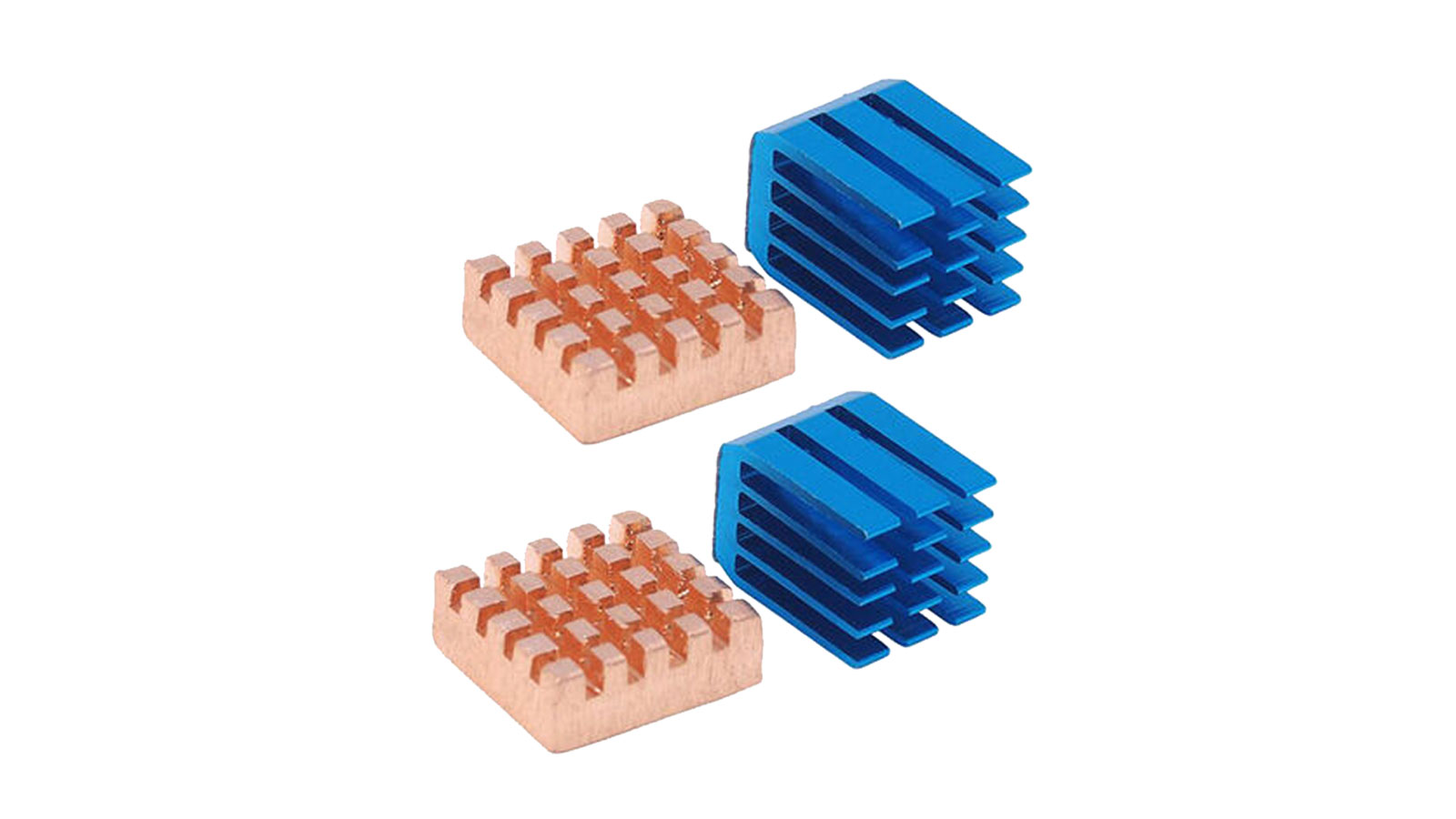
Metal heat sink options
Company: Dongguan Foxron Precision Metal Parts Co. Ltd
Model FR00175 from Dongguan Foxron is an RoHS-compliant aluminum alloy, stainless steel, carbon steel or brass heat sink with degreased, plated, painted, powder-coated or anodized finish.
MOQ: 100 pieces
Lead time: 5 days
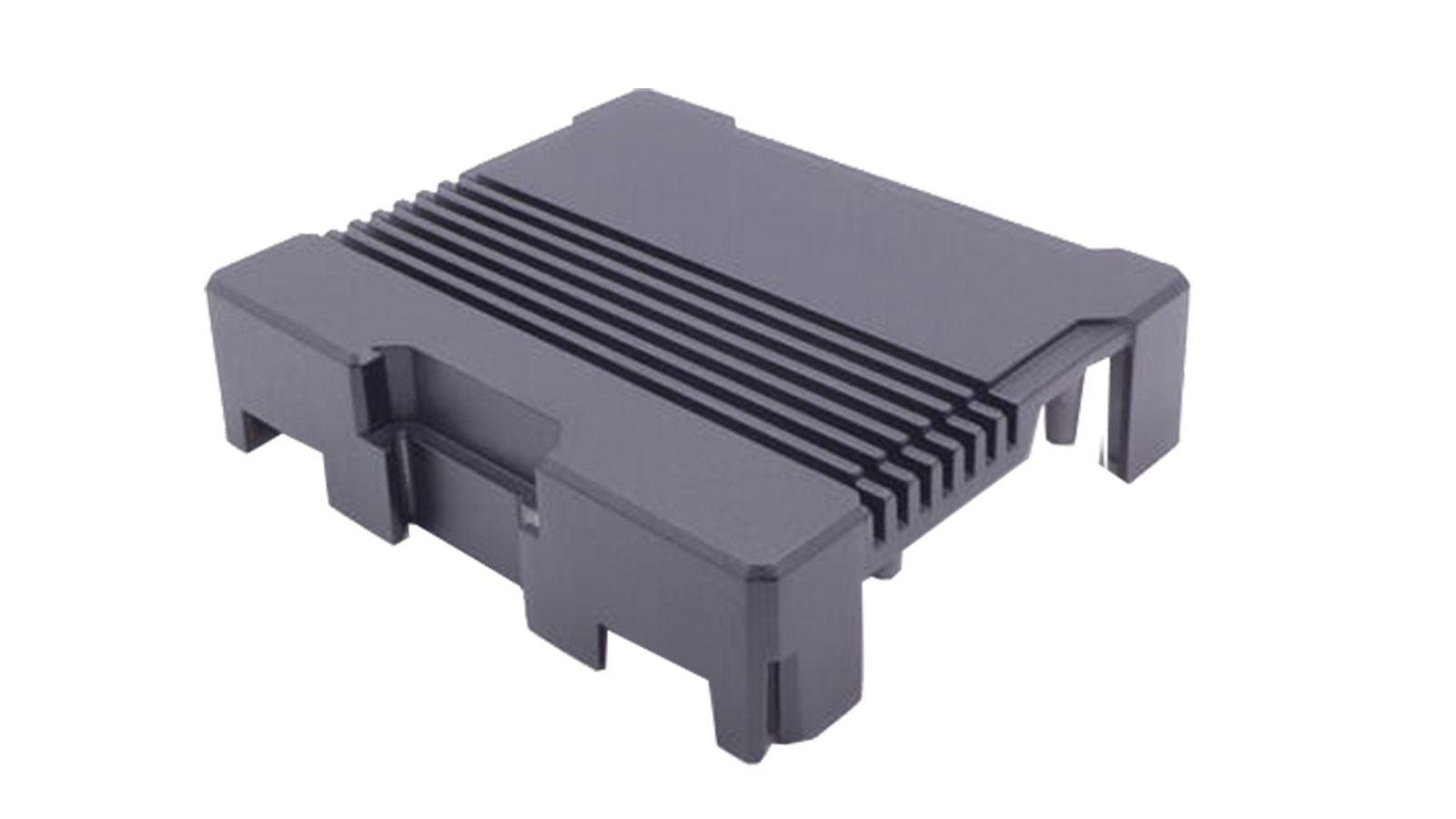
Heat sink, 0.01mm tolerance
Company: Dongguan Kinggold Industry Co. Ltd
Dongguan Kinggold markets the KGI10028 heat sink, which may be made of aluminum, steel, stainless steel, brass, copper, bronze, titanium or silicon steel with 0.01mm tolerance. This product has a brushed, polished, E-coat, anodized, powder-coated, plated, silk-screened or laser-engraved surface finish.
MOQ: Negotiable
Lead time: 10 days
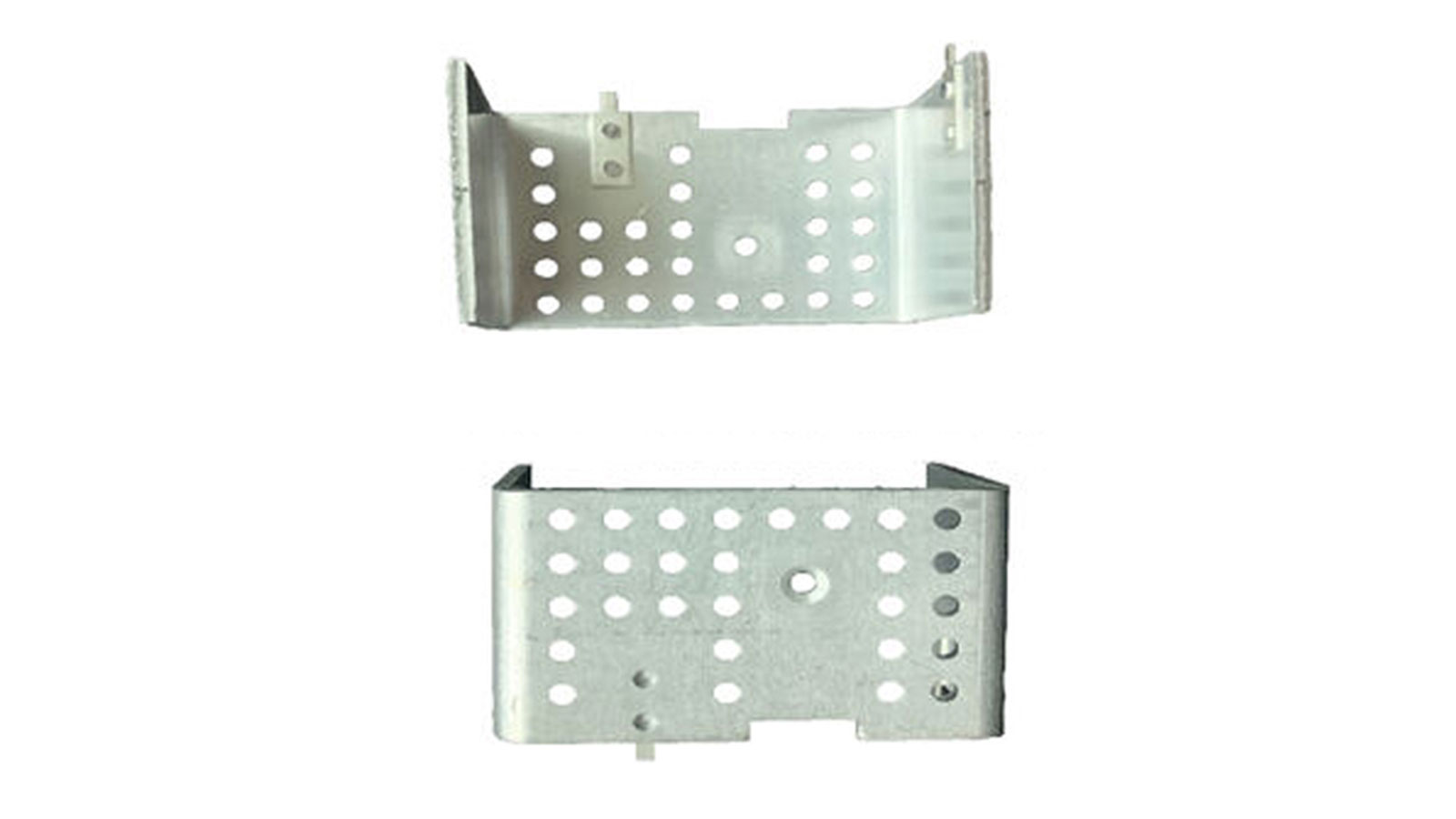
Aluminum heat sink
Company: HLC Metal Parts Ltd
This RoHS-compliant aluminum heat sink from HLC, the HLC-0413-1 H, can be made from a mold based on technical drawings or samples provided by buyers.
MOQ: 2,000 pieces
Lead time: 15 days
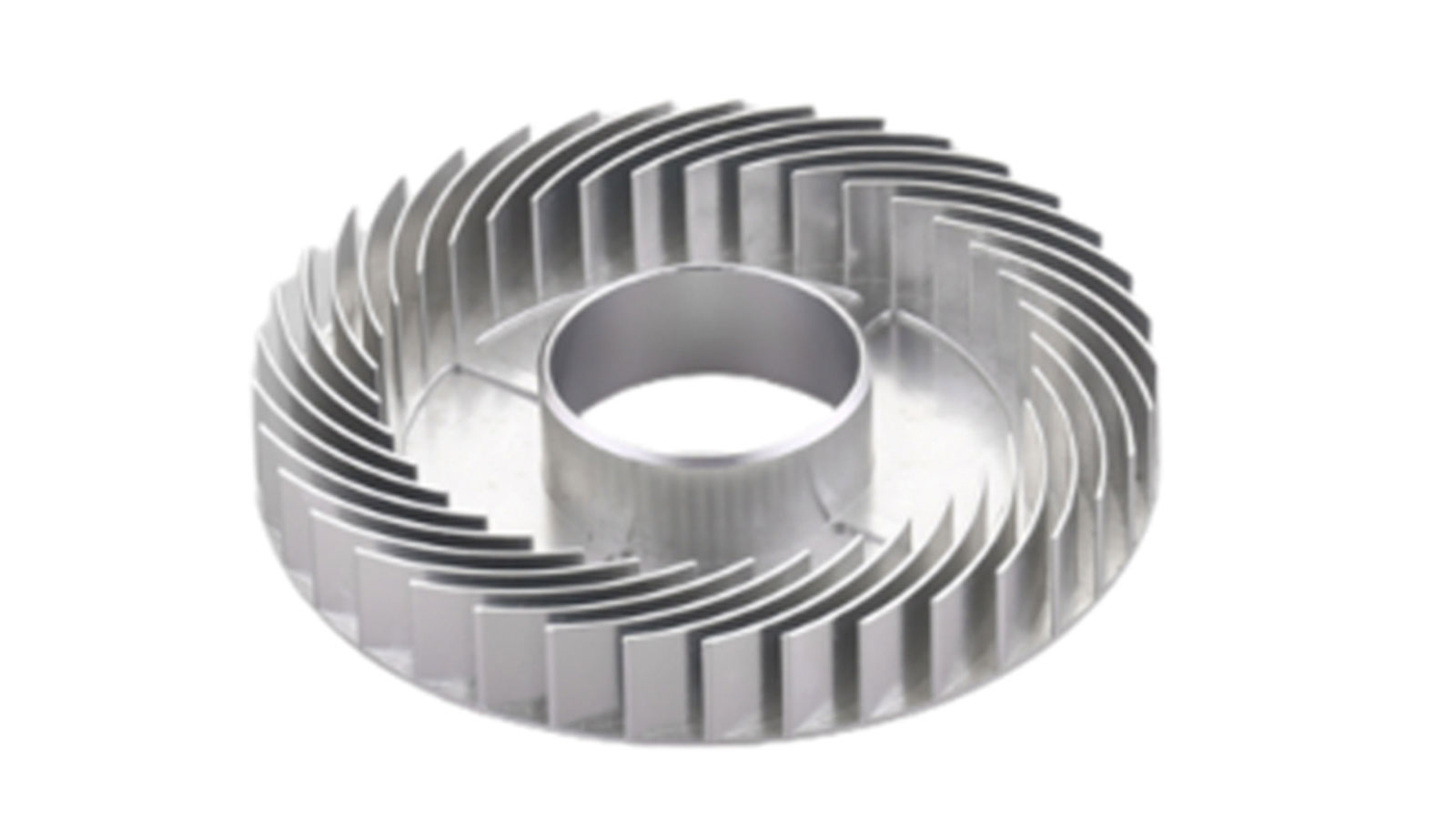
Heat sink, various finishes available
Company: Shenzhen Zhendong Precision Metal Co. Ltd
Made of aluminum, brass, bronze, copper, hardened or precious materials, stainless steel or steel alloy, Shenzhen Zhendong’s ZD-001 9990 heat sink can be manufactured using aluminum extrusion, broaching, drilling, etching, chemical machining, laser machining and milling techniques. Options for surface finish include polished, anodized, sandblasted, painted and powder-coated.
MOQ: 10 pieces
Lead time: 7 days

