




Automotive lighting provides visibility to the driver, signals other drivers on the road and enhances the overall aesthetics of the vehicle. It includes head, tail, brake, daytime running, turn signal, fog, reverse, hazard and auxiliary lights.
Types of automotive lights
Headlights are the primary source of illumination for vehicles, especially during low-light conditions or at night. They come in various designs, including halogen, xenon and LED. Halogen units are the most common and cost-effective option, providing a warm, yellowish beam. Xenon kinds, also known as high-intensity discharge (HID) headlights, produce a bright, bluish-white light. LED types are energy-efficient and offer a longer life span compared to halogen and xenon headlights.
Taillights and brake lights are essential for indicating the presence, position and actions of the vehicle to the drivers behind. Taillights emit a red color and are always on when the vehicle's headlights are on. Brake lights, meanwhile, glow with a stronger intensity when the driver applies the brakes. Both lights can use halogen, LED or OLED technology.
Daytime running lights (DRLs) are designed to increase the visibility of vehicles during daylight hours. They are located at the front of the vehicle
and emit a low-intensity white light. DRLs are required by law in many countries and can be integrated into the headlights or have a separate housing. LED technology is commonly used for DRLs due to its energy efficiency and longevity.
Turn signal lights, also known as indicator lights or blinkers, are used to point to the intended direction of the vehicle to other drivers. They are located at the front and rear of the vehicle and emit a flashing amber light. Turn signal lights can be halogen, LED or OLED types.
Fog lights emit a low, wide beam that is aimed toward the road surface to reduce glare and improve visibility in foggy or misty conditions. They are
typically mounted low on the front bumper or grille. Halogen and LED are the commonly used technologies for this type of light.
Reverse or backup lights are activated when the driver shifts the vehicle into reverse gear. They illuminate the area behind the vehicle, alerting other drivers and pedestrians of its movement. Reverse lights emit a bright white light and can be based on halogen, LED or OLED technology.
Hazard or warning lights, also called emergency flashers, are used to indicate that a vehicle is in a hazardous situation. They emit a simultaneous flashing of all turn signal lights on the vehicle and are activated in cases of breakdown, accidents or when the vehicle is stationary on a busy road. Hazard lights are typically designed using halogen or LED technology.
Auxiliary lights are additional lighting systems often added to vehicles for specific purposes. They can be used for off-road driving, camping or as work lights. These lights come in various forms, such as light bars, spotlights or floodlights. Auxiliary lights are usually based on LED technology due to its durability and energy efficiency.
There are additional lighting systems used in vehicles for specific purposes apart from the primary ones.
Interior lighting illuminates the interior of the vehicle, making it easier for occupants to see and access controls, instruments and other features. It
includes dome, map, footwell and ambient lights. LED technology is commonly used for them.
Underbody lighting is used to enhance the visual appeal of a vehicle. It consists of LED light strips or tubes installed under the chassis to illuminate the ground. This type of lighting is available in various colors and can be controlled to produce different effects.
Technologies used in automotive lights
The technology behind automotive lighting has evolved significantly over the years. Here are the primary light technologies used in automotive lighting:
Halogen lights are the traditional and most used technology in vehicles. They are relatively inexpensive, but they have a shorter life span and consume more energy compared to newer technologies.
Xenon or HID lights, with their bright, bluish-white beam, provide better visibility and have a longer life span compared to halogen types. However, they are more expensive and require a ballast to regulate the electrical current.
LED lights have become increasingly popular in automotive applications for their energy efficiency and longevity. They are compact and durable and offer a range of emitted colors. This type of lighting is more expensive but provides significant cost savings due to its low energy consumption and long service life.
OLED is a relatively new technology in automotive lighting. Such lights provide a uniform and high-quality light output and can be made into various shapes and sizes, allowing flexibility in design. However, they are currently more expensive and have a shorter life span than LED lights.
Difference between OEM and aftermarket automotive lights
When sourcing automotive lighting, buyers have the option to choose between OEM and aftermarket types.
OEM lights are produced by the vehicle manufacturer or a supplier approved by the carmaker. Designed to meet the specifications and quality standards set by the automotive manufacturer, they are usually more expensive but offer a precise fit, reliable performance and are covered by a warranty. OEM lights ensure proper integration with the on-board electrical system and the vehicle's original appearance.
Aftermarket lights are produced by third-party companies and are not affiliated with the vehicle manufacturer. They are usually more affordable than OEM options and come in a range of designs. However, their quality and performance can vary significantly. Buyers need to ensure they source from reputable suppliers to ensure safety, compatibility and longevity.
Automotive light covers
Automotive light covers are protective shields that are placed over the lights to safeguard them from damage and improve their aesthetic appeal. The materials used for manufacturing them include:
PC is a durable and lightweight material commonly used for automotive light covers. It offers high impact resistance and is less prone to cracking compared to glass. Such light covers are usually coated with a UV-resistant layer to prevent yellowing and maintain clarity over time.
Acrylic or PMMA is another popular option, being lightweight, transparent and impact-resistant. It can be easily molded into various shapes and is typically used for aftermarket lights because of its affordability.
Glass was once a common material for automotive light covers and provides excellent clarity and heat resistance. However, it is now less used as the material is more prone to cracking and shattering.
Sourcing automotive lights in bulk
When it comes to automotive lighting, there are various types of lights, technologies and additional systems to consider. Understanding the differences between OEM and aftermarket options is crucial for making informed buying decisions. By considering these factors, buyers can confidently source automotive lights in bulk.
Quality and certification: Look for lights that meet the required quality standards and are certified by reputable organizations. Quality is crucial to ensure the safety and durability of the lights.
Compatibility: Verify the compatibility of the automotive lights with the specific make and model of the vehicles to ensure a proper fit and easy installation. Different vehicles may have different wiring configurations and mounting requirements.
Warranty and support: Check if the automotive lights come with a warranty and what it covers. A warranty provides peace of mind and guarantees assistance or replacement if any issues arise. Consider the availability of technical support and aftersales service from the manufacturer or supplier as well.
Cost and value: Evaluate the cost as well as the value offered in terms of energy efficiency, service life and maintenance requirements. While it may be tempting to opt for the cheapest lights, it is essential to balance cost with overall quality and performance.
Supplier reputation: Pick a supplier with a track record of providing high-quality automotive lighting products. Read customer reviews, check certifications and inquire about manufacturing processes, including quality control measures. A reliable
supplier will ensure timely delivery and provide ongoing support.
Remember that safety should always be the top priority, as quality lighting ensures optimal visibility and enhances the overall driving experience.
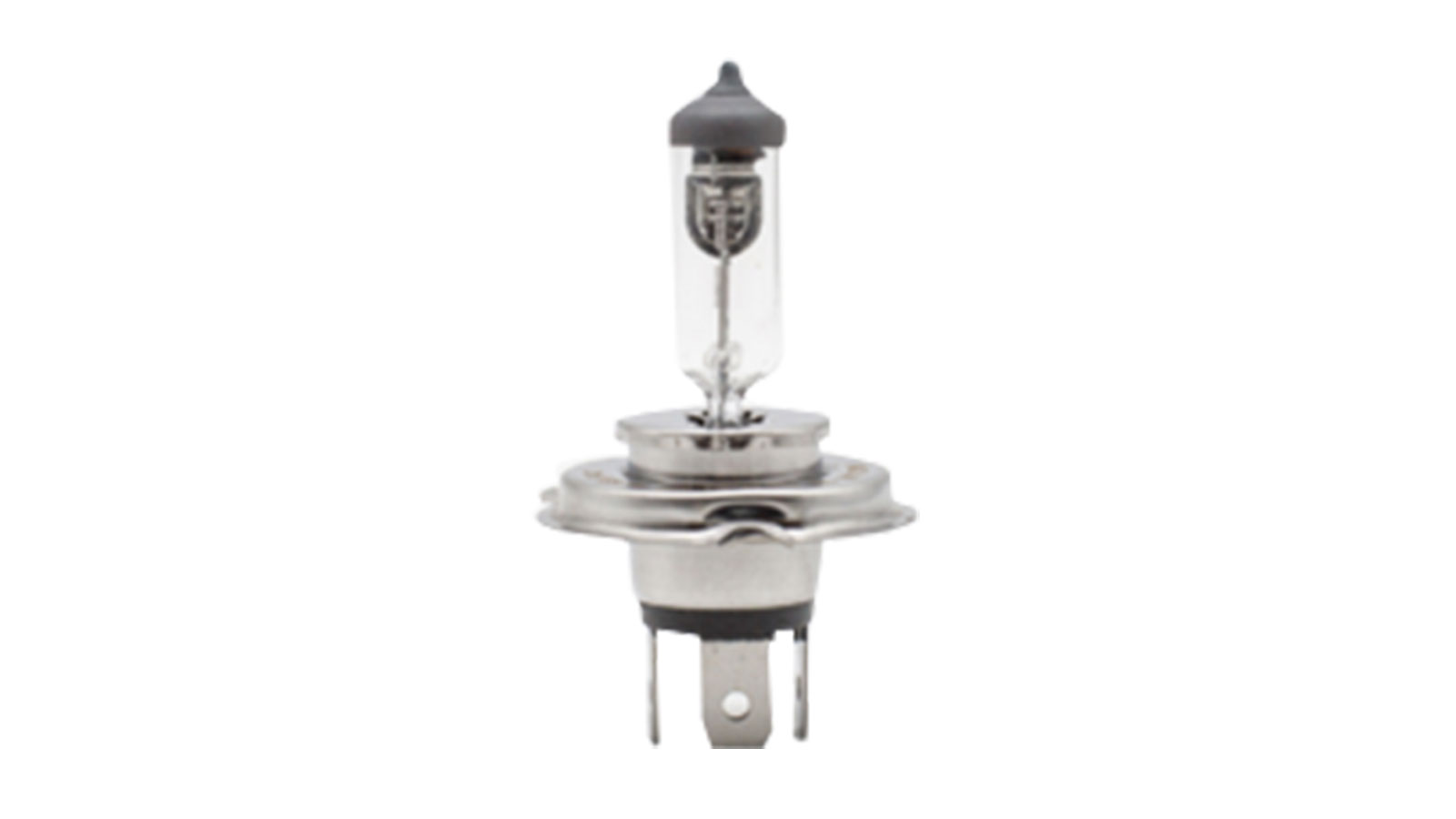
Halogen bulb
Company: AVIC Fujian Co. Ltd
AVIC offers the Halogen Bulb H4, which has a 12V, 100/90W or a 13.2V, 1,750/1,300-lumen rating. This light is available in various material combinations such as glass and iron, and quartz and stainless iron.
MOQ: 1,000 sets
Lead time: 25 to 30 days
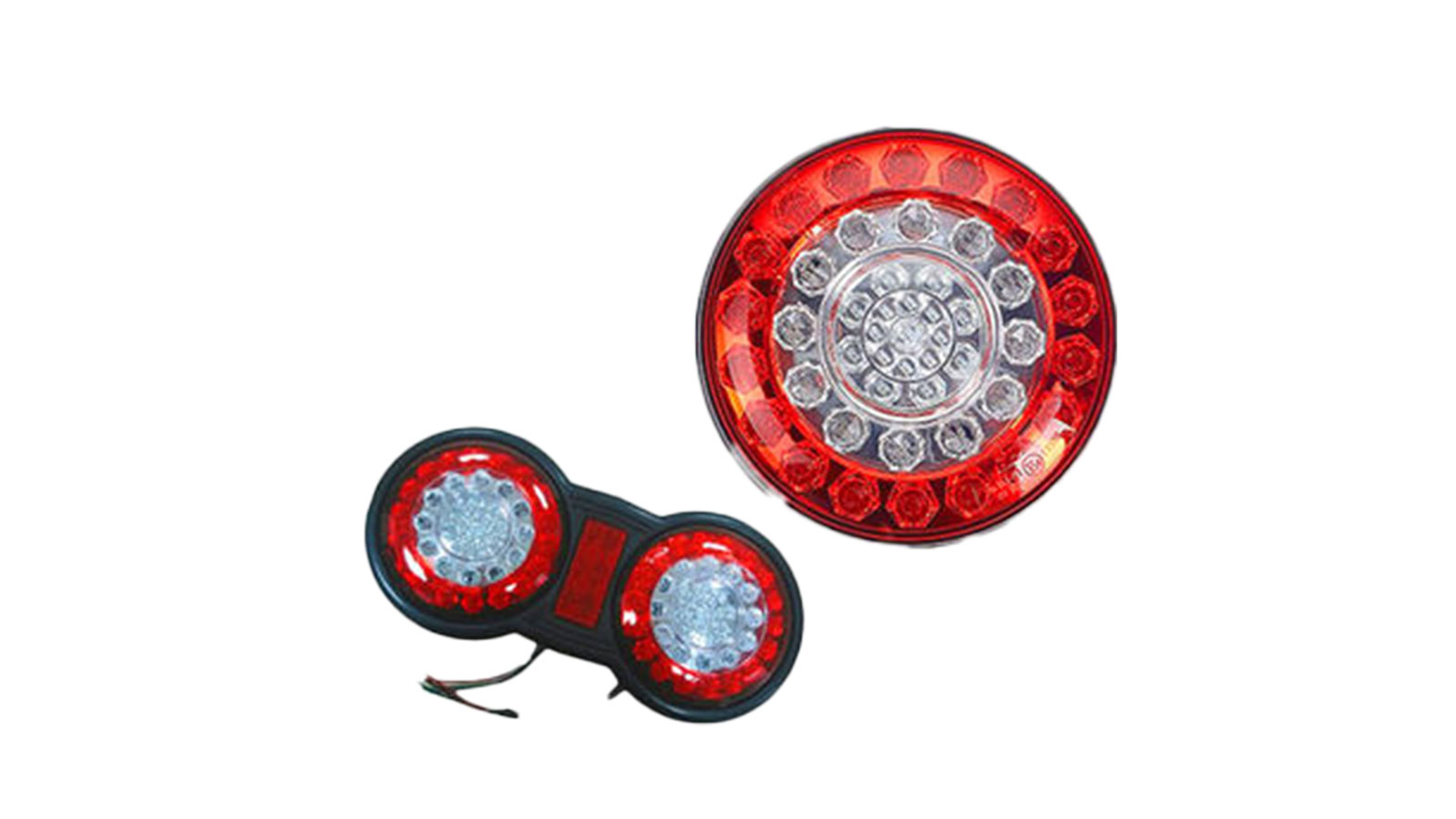
LED brake light
Company: K-Lite (Shanghai) Industrial Co. Ltd
K-Lite’s LT111-D is a brake light for trucks. It uses piranha LEDs and has a clear, red and yellow PMMA lens and ABS base. This IP67-rated product measures 123mm in diameter and has a 300mm-long cord. It has ECE, ADR and DOT approval and comes with a one-year warranty.
MOQ: 50 units
Lead time: 10 to 25 days
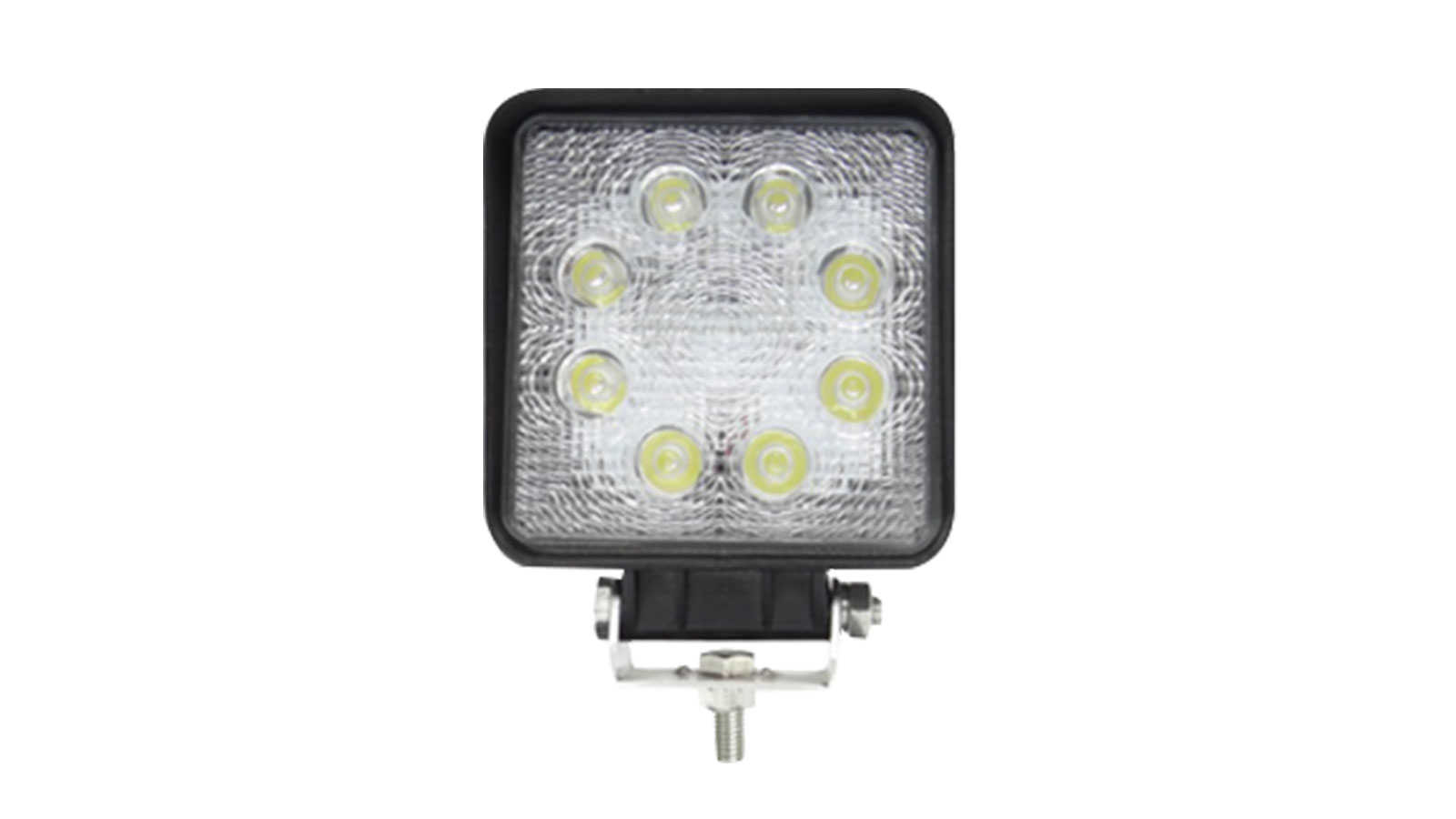
LED work light
Company: Ningbo Haishu Forcar Imp. & Exp. Co. Ltd
The HL91002 from Ningbo Haishu is an automotive work light with eight high-intensity LEDs from Epistar, 24W or 1,680-lumen total power and 6,000K color temperature. Its current draw is 1.8A at 12V or 0.9A at 24V. This IP67 unit, with a die-cast aluminum housing, PMMA lens and stainless steel mounting bracket, has 10 to 30VDC operating voltage and over 30,000-hour life span. Dimensions are 110x110x40mm.
MOQ: 100 boxes
Lead time: 15 to 30 days
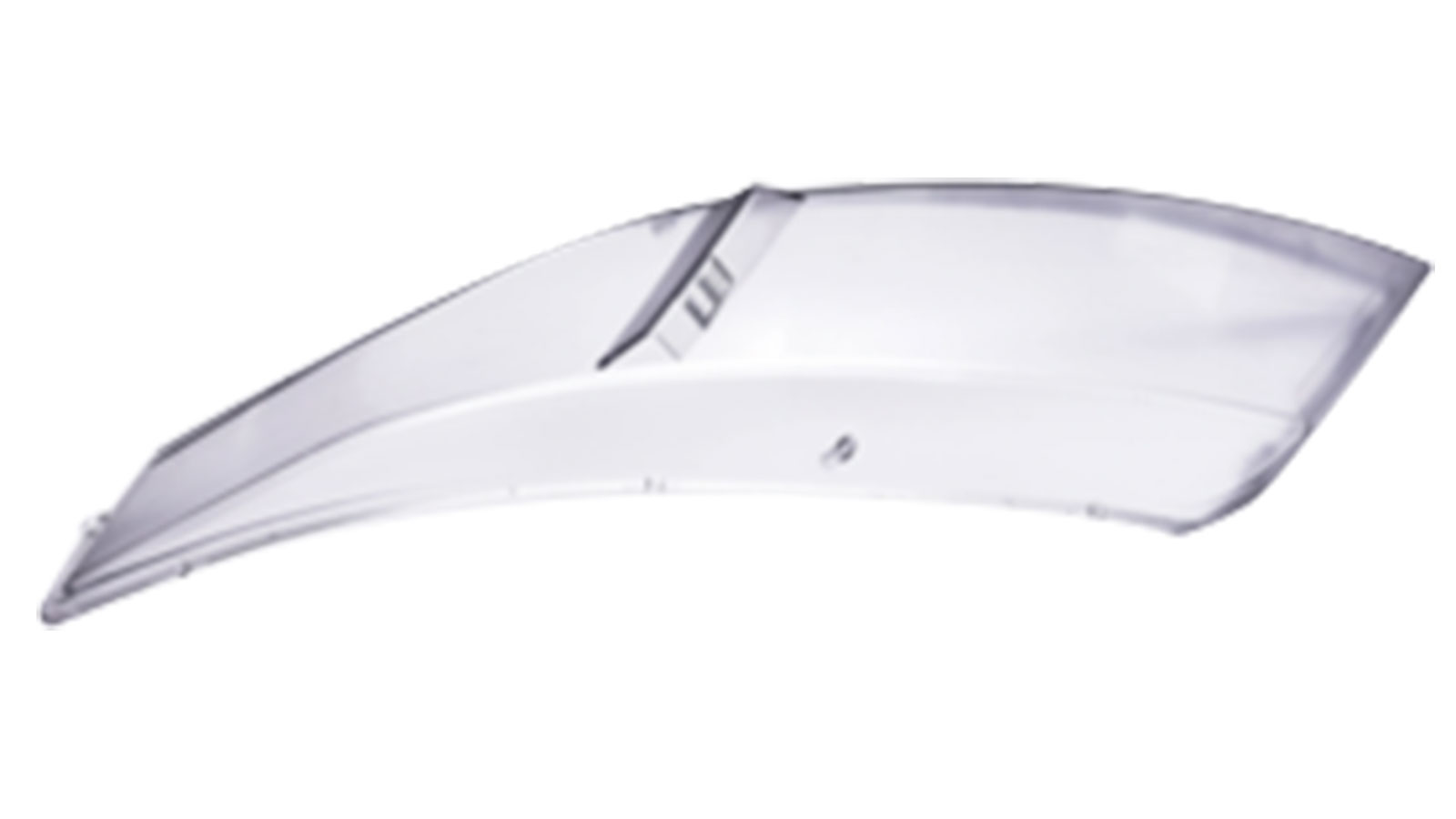
Plastic light cover
Company: Shanghai Everskill Material Co. Ltd
The PF-20210719-3209 from Shanghai Everskill is a plastic automotive light cover manufactured using double injection molding, overmolding and ultrasonic welding, with tolerance of ±0.05mm. The material options include PP, PE, ABS, PC, nylon, ASA, PVC and POM.
MOQ: 200 pieces
Lead time: 30 to 45 days
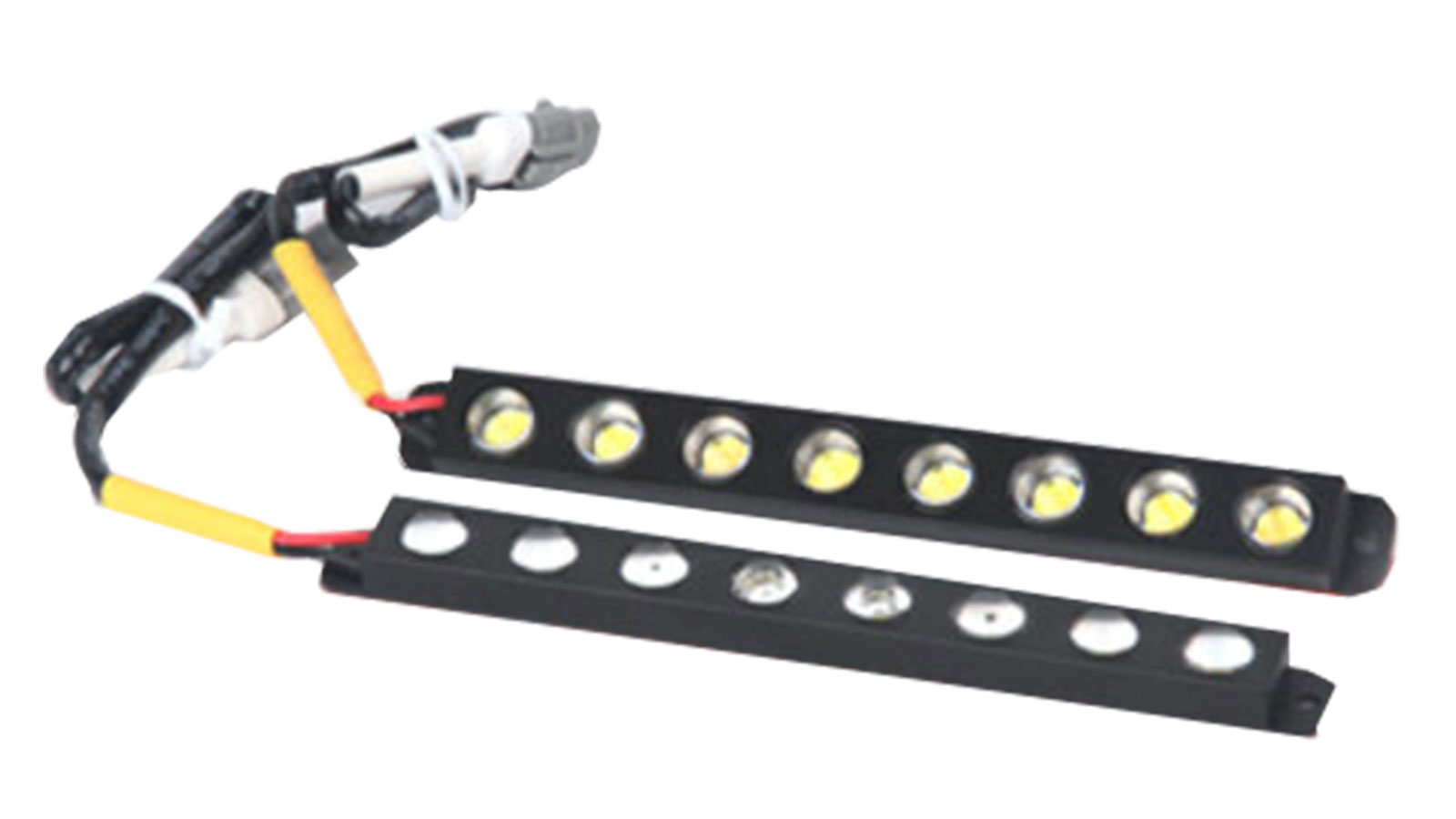
LED DRL
Company: Shenzhen ATR Industry Co. Ltd
Shenzhen ATR’s model 76394 is an LED DRL with 12x1W power and 6,000 to 7,000K color temperature. Its life span is 50,000 hours. This light has an IP68 rating.
MOQ: 200 sets
Lead time: 25 to 30 days
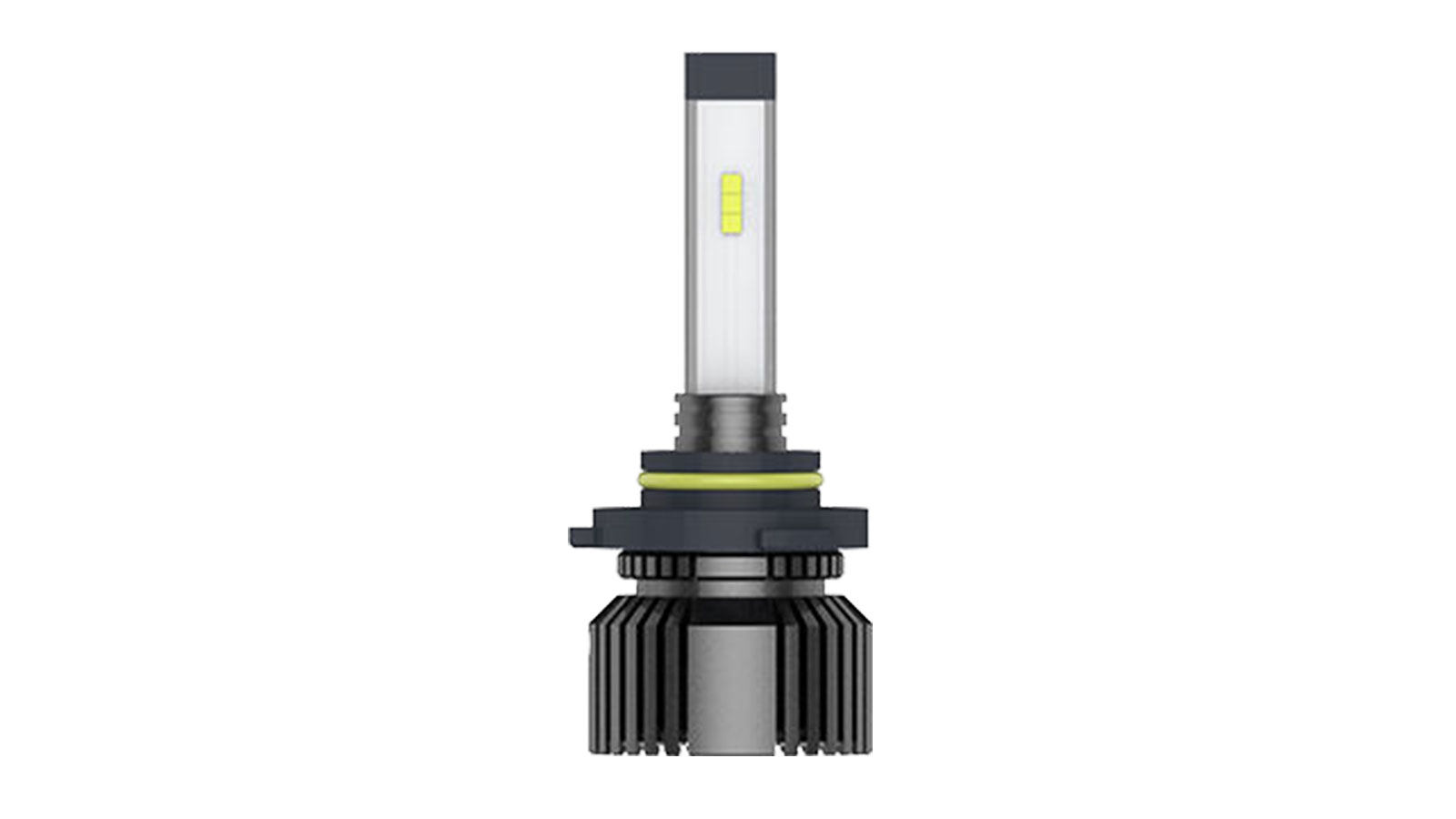
LED bulb for head, fog lights
Company: Shenzhen Sixunte Electronics Co. Ltd
Shenzhen Sixunte markets the FX-9005/HB3/H10, a 9005, HB3 or H10 car LED head or fog lamp bulb with a fan. This 9 to 12VDC, 60W unit has a white emitted color, 8,000-lumen luminous flux and 6,000K color temperature. The IP68-rated housing is made of 7075 aluminum. This bulb is CE-approved and comes with a one-year warranty.
MOQ: 100 sets
Lead time: 15 to 15 days

