
Networking interconnects devices, such as computers, servers, printers and other peripherals, facilitates the exchange of information. Managing the flow of data and ensuring the proper functioning of this network are routers, switches, hubs, modems and access points. However, there is a range of devices that play a crucial role in supporting and enhancing this system. They are the focus of this buyer's guide, as these auxiliary networking products can significantly impact the network performance, reliability and security of a network.
Auxiliary devices and their role in networking
Auxiliary devices are the supporting components that work in conjunction with the primary networking equipment to optimize the infrastructure's efficiency, reliability and security. They include network cables and cards, and other hardware.
Cables
Network cables are the physical connections that transmit data between devices. There are Ethernet or Cat 6, 7 or 8 and serial types. Ethernet cables are the most widely used for wired network connections. They come in various lengths and can support different data transfer speeds. Serial cables, such as RS-232 and RS-485, are for point-to-point connections, often in industrial or specialized applications.
Fiber-optic cables use light signals to transmit data, offering higher bandwidth and faster data transfer rates compared to traditional copper cables.
Connectors
Connectors serve as the interface between cables and ports. Like cables, they ensure reliable physical connections that facilitate seamless communication, data transfer and device interoperability. Keystone jacks are among them, providing standardized female connectors, particularly in LANs, and establishing the connection of different types of cables, including Ethernet, HDMI, coaxial and fiber optic, for flexible and organized network setups.
NICs
Network Interface Cards (NICs), meanwhile, are the hardware components that enable devices to connect to a network. Ethernet NICs are the most common, providing wired connectivity to a network, while wireless types or Wi-Fi adapters eliminate the need for physical cables. Dual-band network cards can operate on both the 2.4 and 5GHz frequency bands, offering improved performance and reliability in wireless networks.
Server racks
Providing an organized, efficient and secure environment for servers and networking equipment are server racks. They allow for the vertical stacking of equipment, maximizing space utilization in a data center and ensuring easier access, maintenance and management of servers.
These racks are designed to promote efficient cooling as well. They allow air to circulate around the servers, helping to dissipate heat generated by high-performance hardware. In addition, they usually come with built-in features for cable management, reducing clutter and ensuring that cables are organized and accessible. This also helps prevent overheating and facilitates easier troubleshooting. Many racks are also equipped with locking mechanisms and can be enclosed to protect sensitive equipment from unauthorized access and environmental hazards.
Server racks have the advantage of scalability as they can be easily expanded or modified to accommodate additional equipment when necessary. This is also because they adhere to standardized dimensions, making it easy to mix and match components from different manufacturers, ensuring compatibility and maximizing investment.
Other devices
In addition to cables, cards and racks, there are several other auxiliary devices that play a crucial role in networking.
They include power strips with surge protection and multiple outlets that can help safeguard equipment from power fluctuations and ensure the continuous operation of the network.
Rack-mounted devices, such as patch panels, cable management trays and cooling systems, are also in this category. They are designed to optimize the organization and management of networking equipment in server rooms or data centers.
Monitoring tools, such as network analyzers and packet sniffers, can help administrators identify and troubleshoot issues, ensuring the overall health and performance of the network.
Network-attached storage (NAS) devices allow multiple users to access and collaborate on files within the network.
These auxiliary devices work in harmony with the primary networking components, enhancing the network's functionality, efficiency and reliability.
Are two-way radios related to networking?
While two-way radios are not directly part of a traditional computer network, they can be considered a form of wireless communication that can be integrated into a broader network infrastructure.
Two-way radios, such as handhelds or business-grade radio systems, are often used in scenarios where immediate and reliable voice communication is required, such as in industrial settings, construction sites or emergency response operations.
In some cases, two-way radios can be integrated with other networking technologies, such as VoIP (Voice over IP) systems, to provide seamless communication across both wired and wireless environments. This integration can enhance the overall communication capabilities of a network, allowing for real-time voice collaboration and coordination among team members.
However, it's important to note that the integration of two-way radios with traditional networking technologies may require specialized equipment, software and expertise to ensure proper configuration and compatibility.
Sourcing auxiliary networking devices
When selecting auxiliary devices for networks, consider factors such as compatibility, data transfer speeds, power management and integration with the existing infrastructure. By choosing the right auxiliary devices, businesses can optimize their network's performance, improve productivity and reduce the risk of downtime or security breaches.
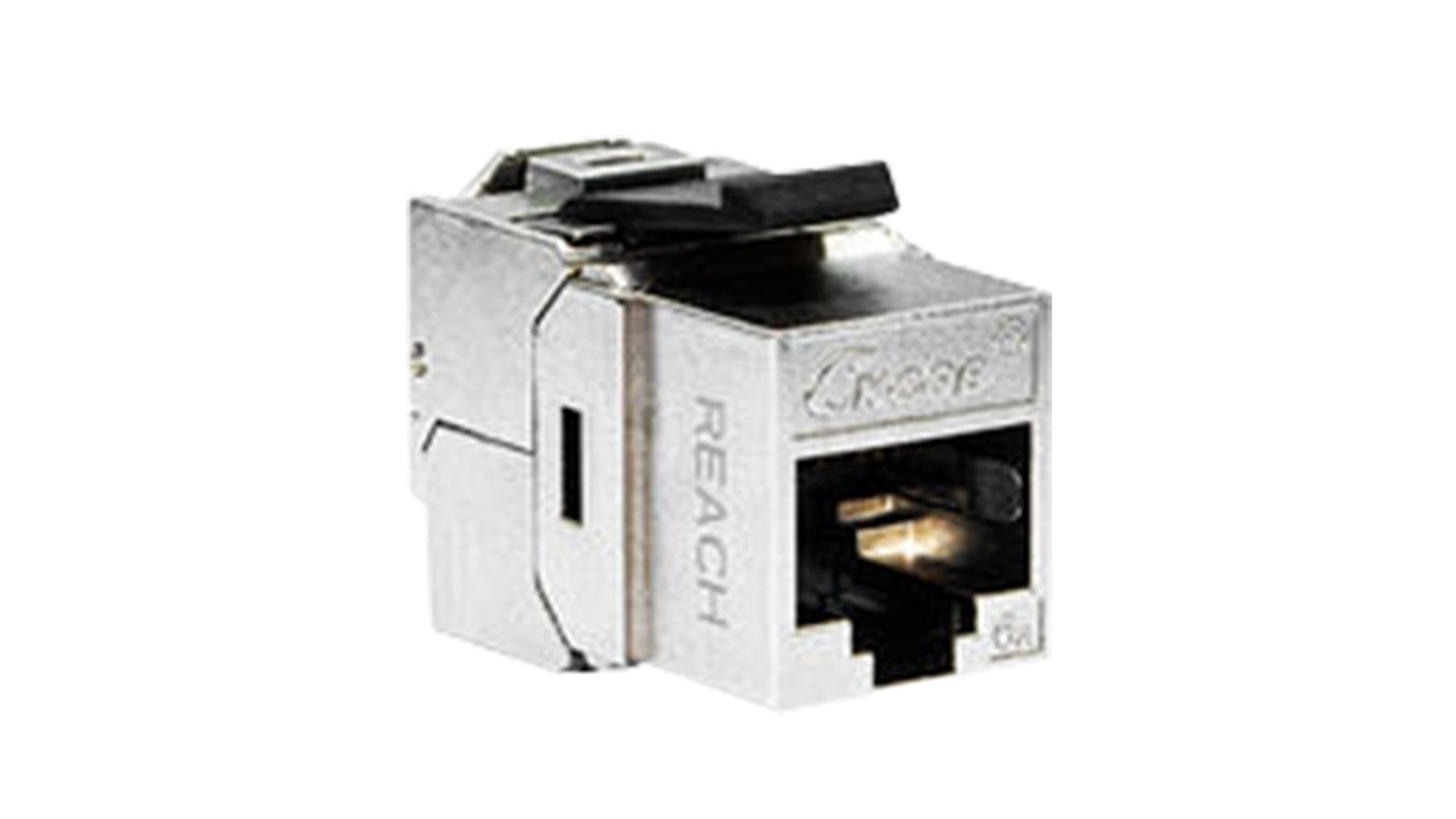
Cat 6A keystone jack
Company: Cobtel Precision Electronics Co. Ltd
Cobtel’s ShortBodyKeystoneJack is a modular connector for structured network cabling. This Cat 6A product, with a T568A- and T568B-compliant RJ-45 socket, measures 26.3mm in length, and has a patented push-button design for easy and tool-free opening and a shielded body that helps prevent EMI. It is compatible with 23 to 26AWG cables.
MOQ: On direct inquiry
Lead time: 5 to 15 days
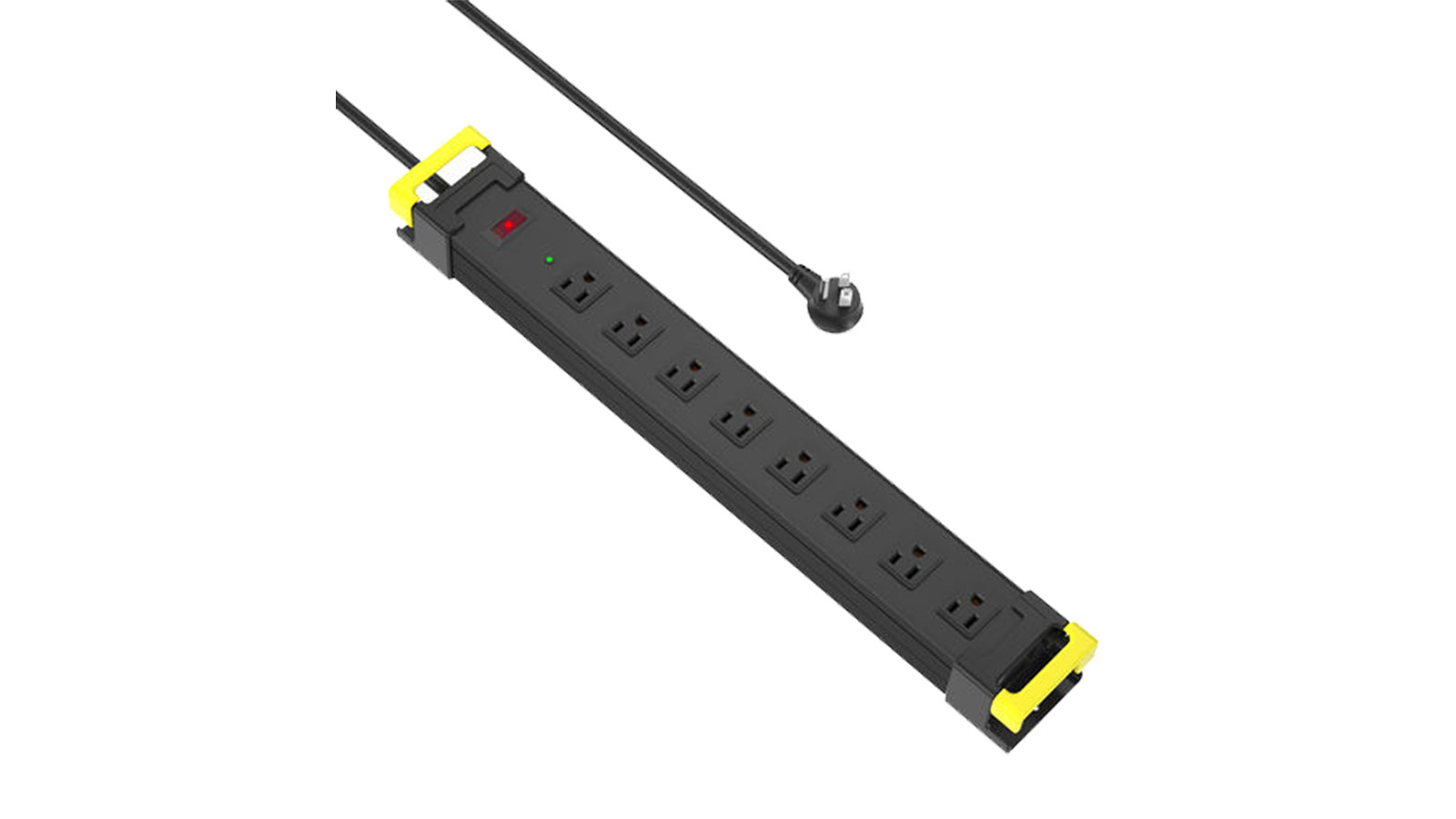
Power strip with surge protection
Company: Hangzhou Kaifan E-Commerce Co. Ltd
Hangzhou Kaifan markets the PDU-US0801C2-6B-hc, a power strip with eight AC outlets for US plugs and standard grounding. This 125V, 15A-rated product has an aluminum alloy housing, a buckle to keep cords organized and two keyhole mounting slots at the base for secure installation anywhere. It is UL-listed and FCC-approved, has a 12-month warranty and can be customized according to requirements.
MOQ: 500 units
Lead time: 35 to 45 days
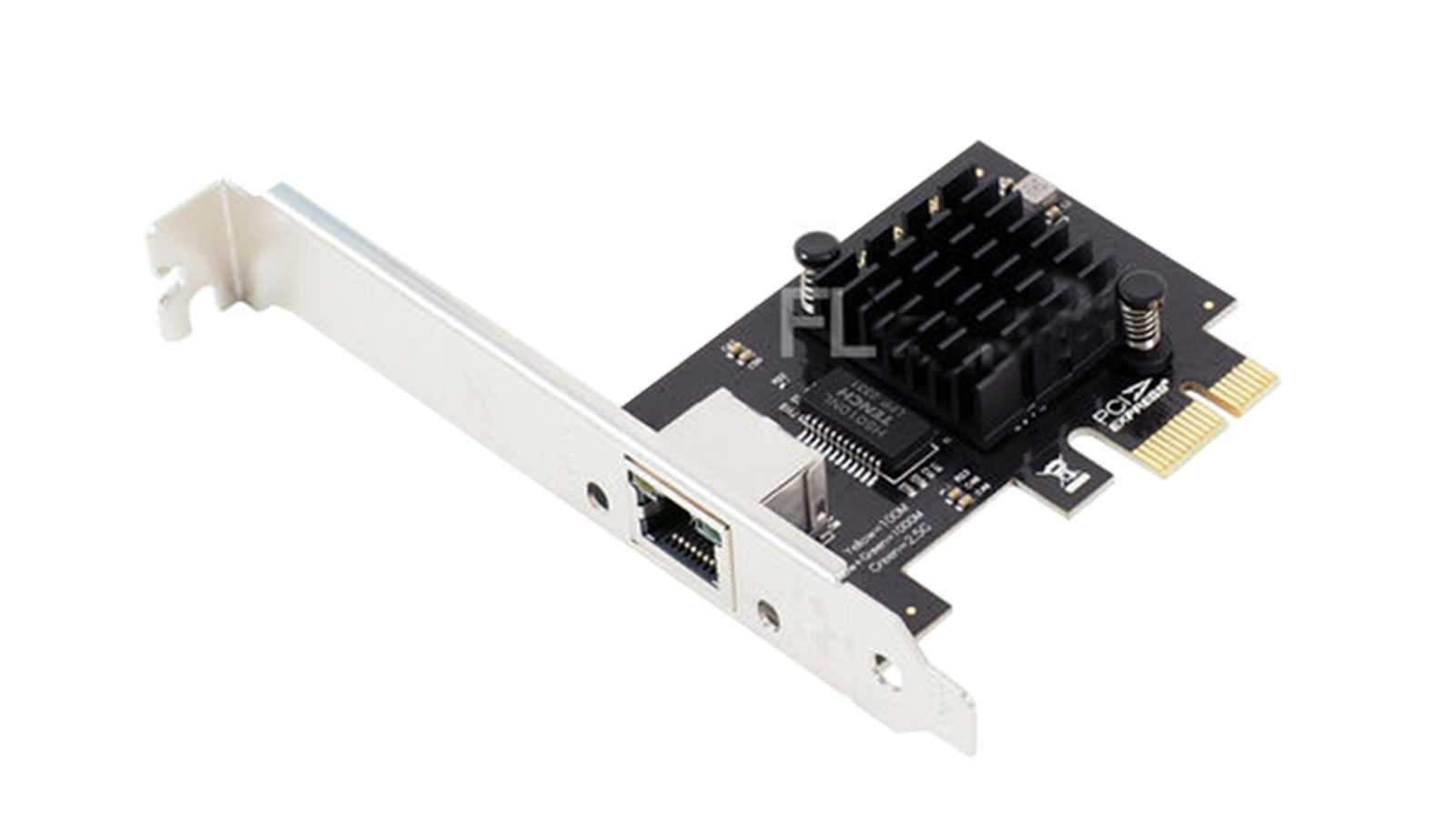
NIC with transceiver
Company: Shenzhen Kunyu Technology Co. Ltd
The NA8125-T1P from Shenzhen Kunyu is a 2.5G PCI-e-to-RJ-45 network card with an 802.3-compliant transceiver compatible with 10BASE-T, 100BASE-T, 1000BASE-T and 2.5GBASE-T. It supports pair swap, polarity and skew correction and has crossover and auto detection.
MOQ: 1 unit
Lead time: On direct inquiry
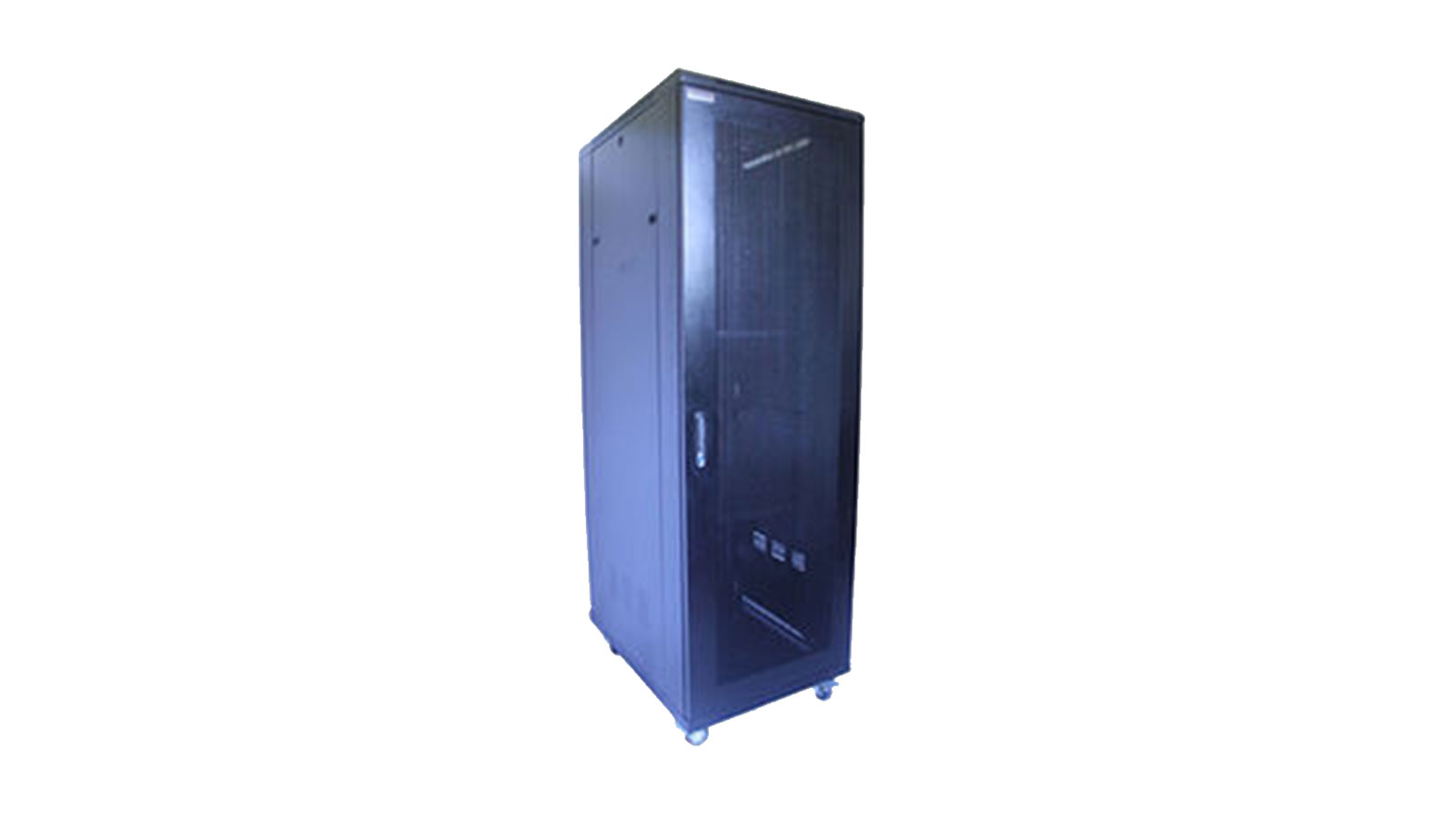
Server rack with 600 to 800kg load-bearing capacity
Company: WebiTelecomms Co. Ltd
A server rack, WebiTelecomms’ WB-NC-A1-2 has a front door with hexagonal perforations and a handle lock, and a double-mesh rear door with a swing handle rod lock. It is made of SPCC or electrogalvanized steel and has two or four top fans, removable side panels, swivel wheels and adjustable feet. This CE-approved product, with load-bearing capacity of 600 to 800kg, is available in 12U, 17U, 22U, 27U, 32U, 37U, 42U and 47U versions.
MOQ: 5 pieces
Lead time: 15 to 20 days
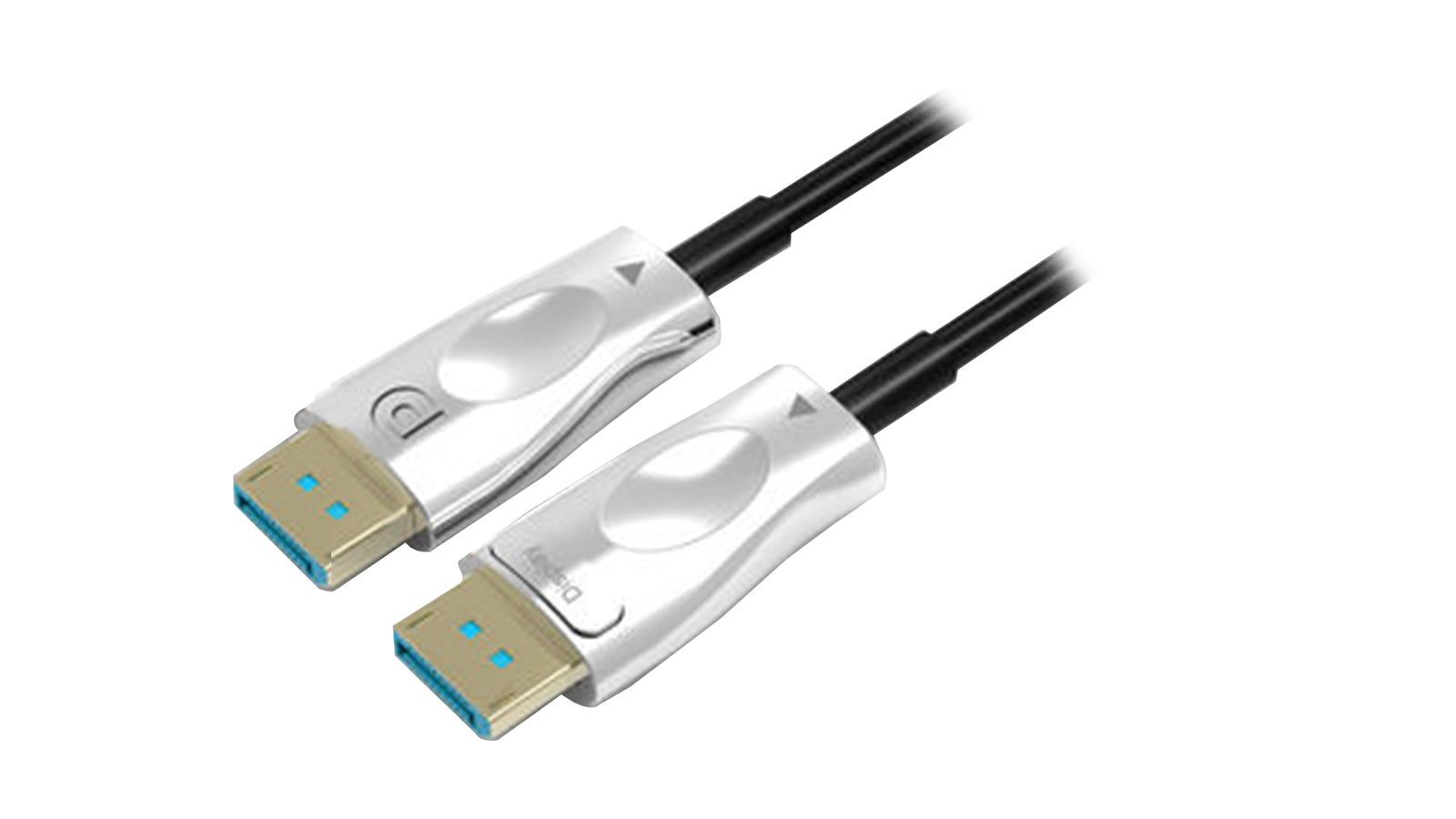
Hybrid cable
Company: Chibi Zhilixing Electronic Technology Co. Ltd
Chibi Zhilixing’s model DP1.4 AOC-25 is a DisplayPort 1.4 cable supporting 8K resolution at 60Hz, 4K at 165Hz or 144Hz HBR3 and 32.4Gbps bandwidth. It is a hybrid type, with four-core optical and seven-core copper conductors, and has a TPE jacket with aramid fiber for high tensile strength and anti-EMI. This CE-approved cable is 25 meters in length.
MOQ: 10 units
Lead time: 2 to 30 days
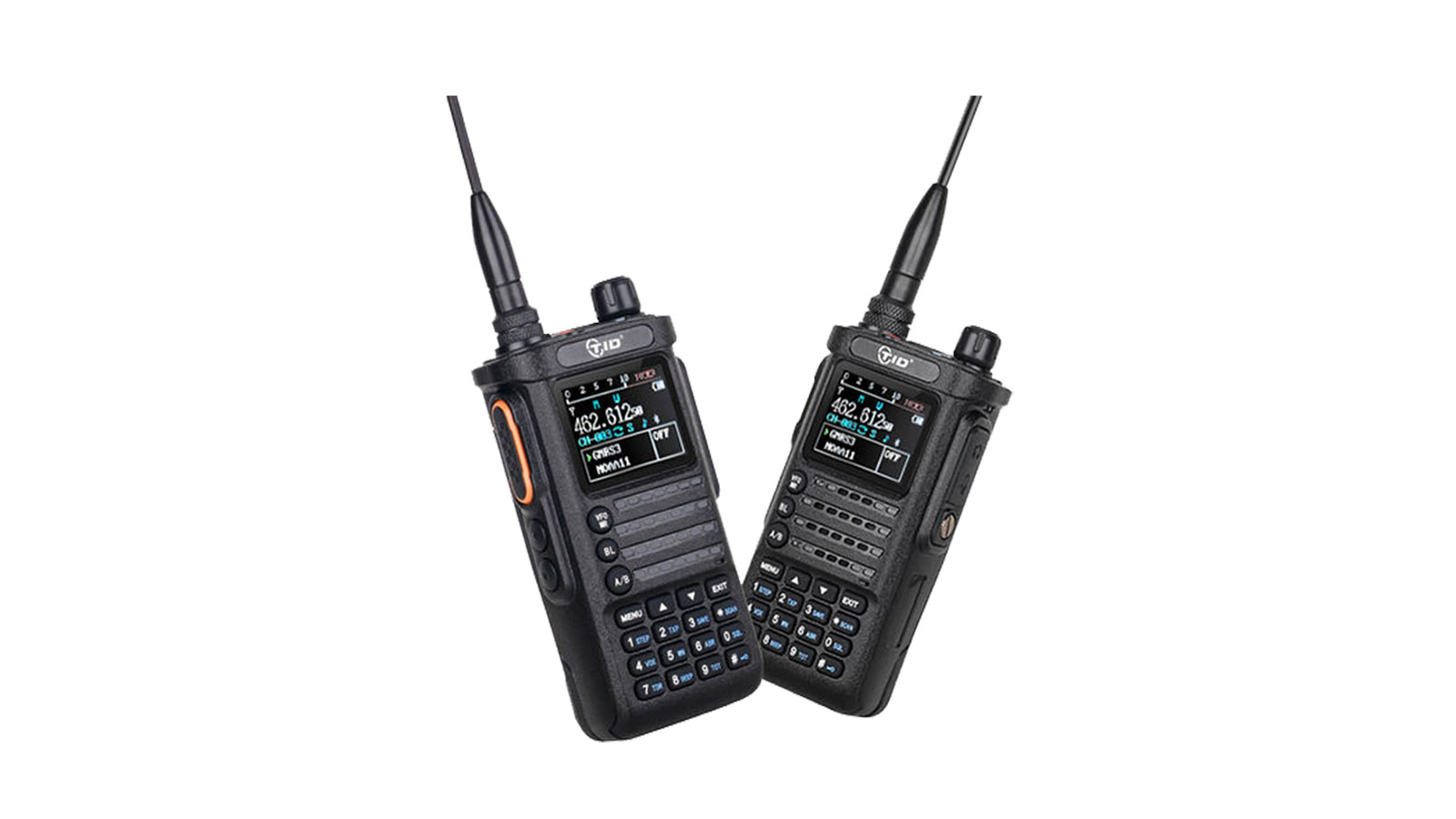
Two-way radio transceiver, 199-channel capacity
Company: Guangzhou TID Electronic Technology Co. Ltd
Guangzhou TID’s model TD-H8.-9615 is an analog two-way radio transceiver with a frequency range of 136 to 174MHz on VHF and 400 to 520MHz on UHF and 199-channel capacity. It has built-in VOX and Bluetooth features, includes a flashlight and runs on a 2,500mAh battery.
MOQ: 1 box
Lead time: 5 to 7 days

