




Li-ion batteries used in mobile electronic devices, hand and portable power tools and even electric vehicles (EVs) and energy storage systems (ESS) require specialized protection circuits to ensure their safe and reliable performance. This is because they are sensitive to overcharging and -discharging, short circuits and high temperatures, which can lead to battery degradation, swelling, thermal runaway or even explosions.
Protection circuit boards (PCB) or modules (PCM) provide basic safeguards, while battery management systems (BMS) offer more. The latter solution has the capability to monitor and balance cells, control battery pack temperature and give state of charge and battery health estimates.
With the fast development in consumer electronics, EV and ESS sectors, the BMS market continues to flourish. MarketsandMarkets has projected a CAGR of 19.3 percent from 2024 to 2029, with the Asia-Pacific region posting a higher CAGR during the forecast period. Asia-Pacific will have the biggest market share as early as 2024, owing to China’s key position in global automotive and electronics manufacturing.
BMS phenomenal growth
China’s BMS market, in fact, grew significantly in 2022, rising by 89 percent to $1.91 billion from the previous year, according to Huaon. It expanded further and reached $2.5 billion in 2023 and could hit $4.16 billion by 2027.
The country has to its advantage being the largest production base for PCBs as well, enabling Chinese battery PCB/PCM and BMS manufacturers to leverage a better price-performance ratio. In the entry-level and midrange segments, especially in smartphones and laptops, these companies are said to have replaced battery protection components made by foreign companies.
To get a broader share of the market, domestic suppliers will continue R&D work to be able to offer more midlevel and high-end products for EV and ESS applications.
Hangzhou Xieneng, a leading battery BMS company in China, has acquired more than 150 patents so far. Its recent release is a BMS for 5MWh energy storage systems. Shenzhen Changxiao, meanwhile, has introduced a BMS for lithium batteries used in outdoor energy storage systems, low-speed vehicles, electric bikes and automated guided vehicles. The company uses imported ICs.
Exliporc turns to Japan for MOS and ICs. It offers a series of BMS consisting of 3S to 32S units with a current rating ranging from 10 to 500A. These BMS are for lithium power and energy storage batteries of electric scooters and bikes, sightseeing vehicles, low-speed EVs, RVs, emergency UPS, solar street lights and home energy storage systems.
In addition to product initiatives, some homegrown companies will invest in expansion. Suzhou Mewyeah, for instance, started the construction of its new facility in March 2024. The project is worth $41.66 million and sits on a 20,010sqm area. When completed, the manufacturer will be able to turn out 1 million lithium batteries and 1 million BMS and autonomous driving products annually.
There are hundreds of suppliers of these battery components in China, some specializing in battery PCBs/PCMs and BMS and others also manufacturing batteries and finished products. They also include PCB and PCB assembly suppliers that can cater to this market. The top Chinese players including BYD, BMSer, CATL, Ligoo and Gotion.
Many factories are found in Shenzhen, Dongguan, Zhongshan, Suzhou, Kunshan, Changzhou and Ningbo. There are also companies operating in northern and central areas.
China-made battery protection components
Commonly available are battery protection components based on multilayer PCBs with 3mil minimum line width and spacing, 0.1mm minimum hole size and HASL, immersion gold or silver, OSP or ENIG surface treatment. Passive components and ICs used are in as small as 01005 packages.
Battery PCMs are usually for Li-ion and Li-polymer batteries with a nominal voltage of 2.75 to 4.3V and LiFePO4 batteries with 2 to 3.65V. BMS is mainly for high-capacity lithium battery packs.
There are no other general specifications for each product type as these protection components are subject to customization and made according to the batteries and packs in which they will be used.
For ICs, the sources include key international companies TI, Onsemi, STMicroelectronics, Renesas and Infineon as well as homegrown suppliers such as Silergy, Silan Microelectronics, CR Micro and SG Micro.
The cost of ICs increased by about 10 percent in the past 12 months and will likely keep rising but that of other inputs has remained stable, ensuring no adjustments in the prices of battery PCBs, PCMs and BMS.
Here is a selection of BMS from verified suppliers on GlobalSources.com.
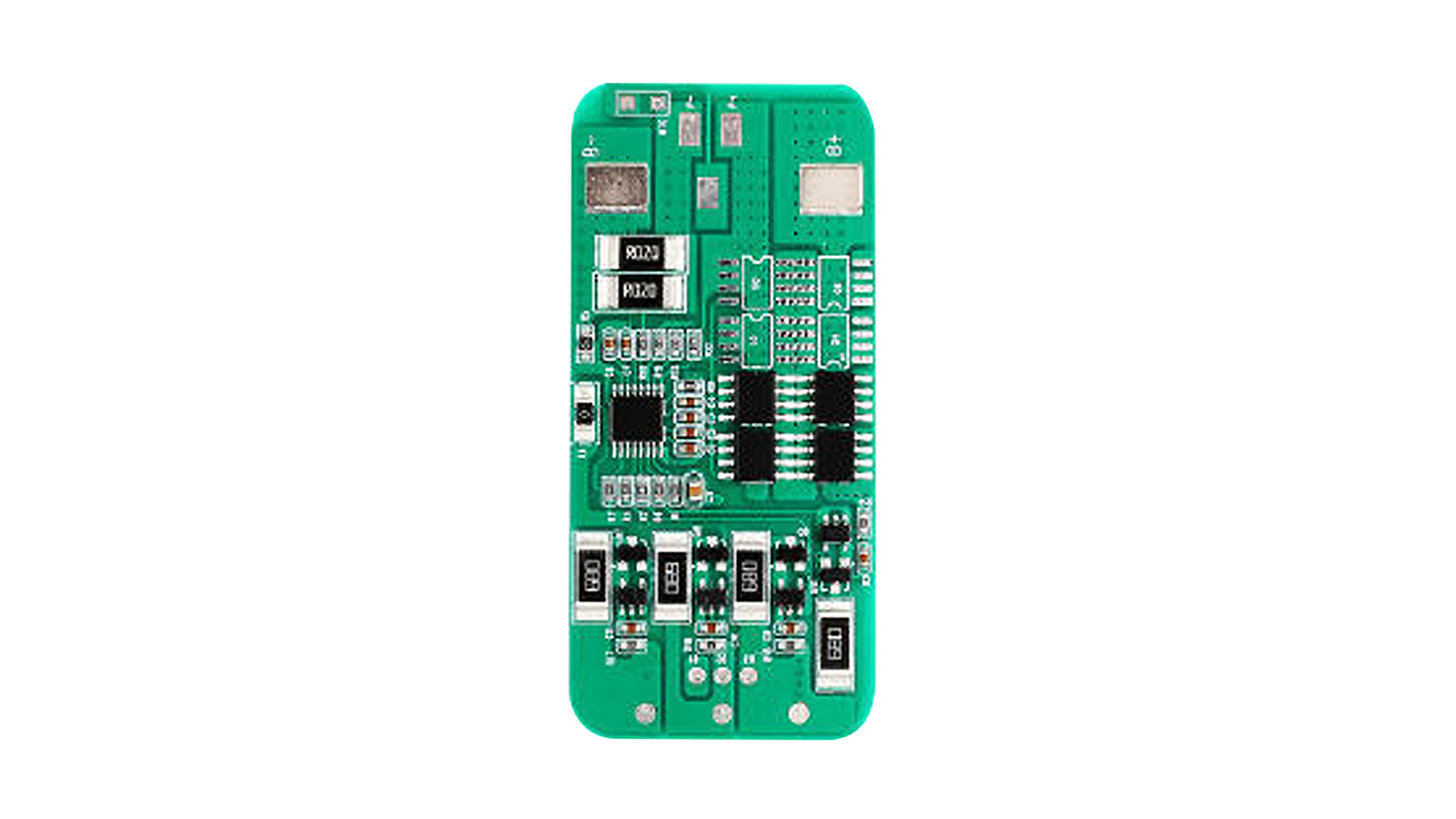
BMS for four-cell batteries
Company: Shenzhen BAK Technology Co. Ltd
The BAKTH-4S6P 4S6A-2 from Shenzhen BAK is a BMS for four-cell batteries. It has 16.8±0.1V input charge voltage and 6A maximum input charge and continuous discharge current. Per cell, the overcharge detection voltage is 4.35±0.025V.
MOQ: Negotiable
Lead time: 15 days
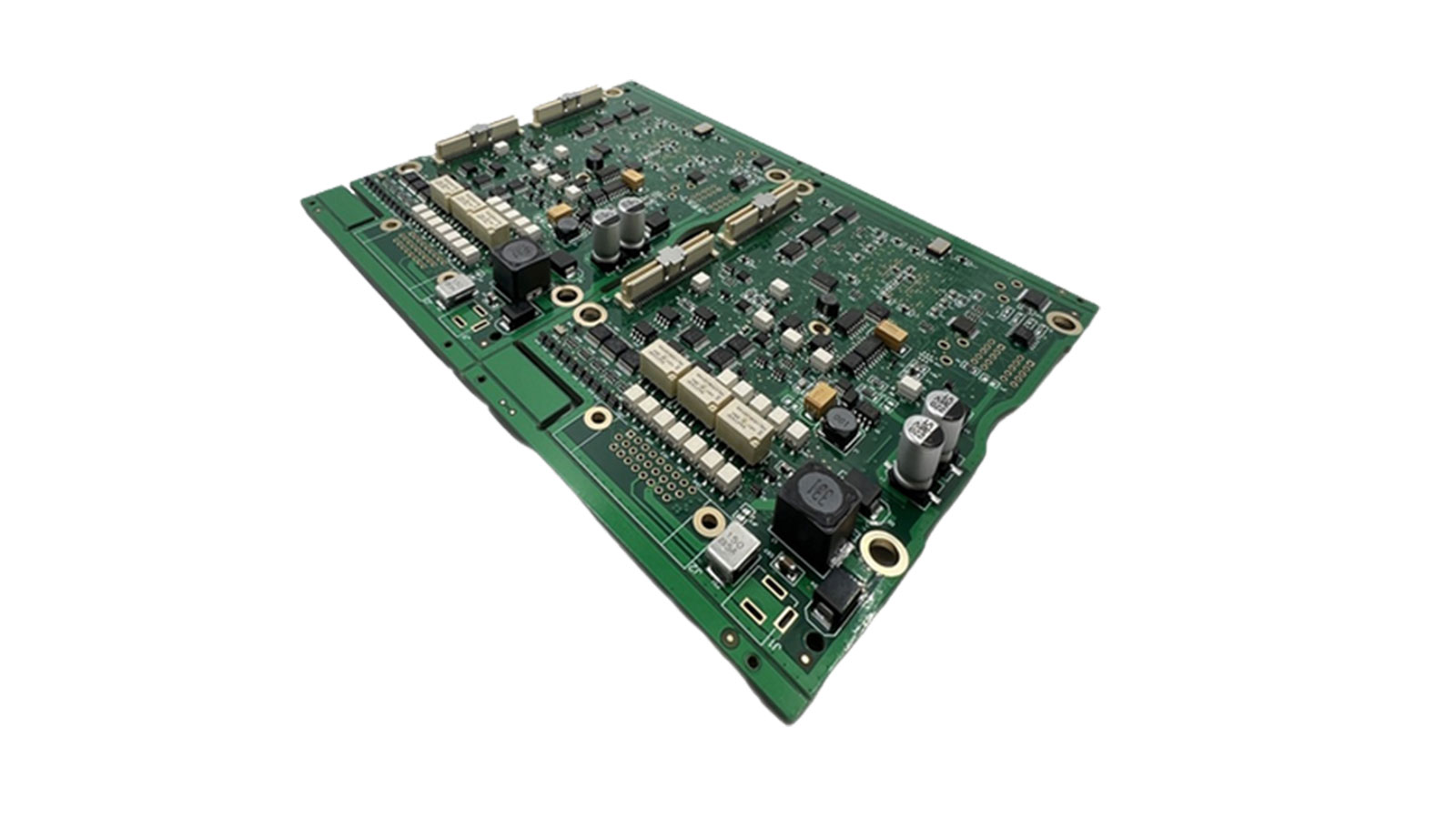
LiFePO4 BMS
Company: Shenzhen Landztop Technology Co. Ltd
Shenzhen Landztop’s PCBA-22-10-14-11 is a UL-listed and RoHS-compliant LiFePO4 BMS based on a PCB with ±0.05mm NTPHs and ±0.076mm hole tolerance. It integrates 0201 BGA and VFBGA components with 0.8mil pitch
MOQ: Negotiable
Lead time: 7 days
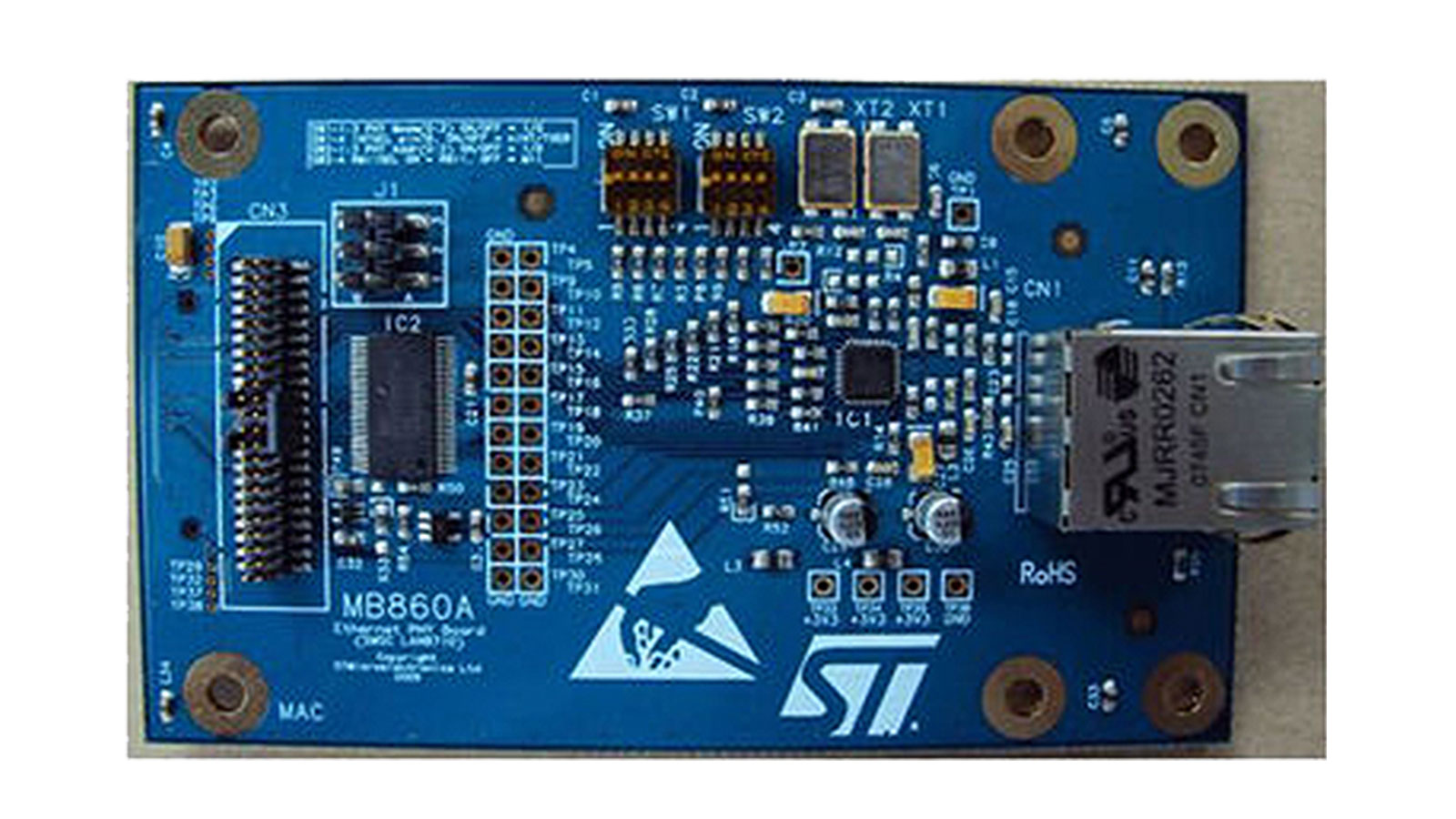
BMS for solar charger controllers
Company: Shenzhen Xindaxing Electric Technology Co. Ltd
For solar charger controllers, the PCBA14-5150 from Shenzhen Xindaxing is a BMS based on a PCB with up to 38 layers . It meets UL, RoHS and IPC requirements.
MOQ: Negotiable
Lead time: 15 days
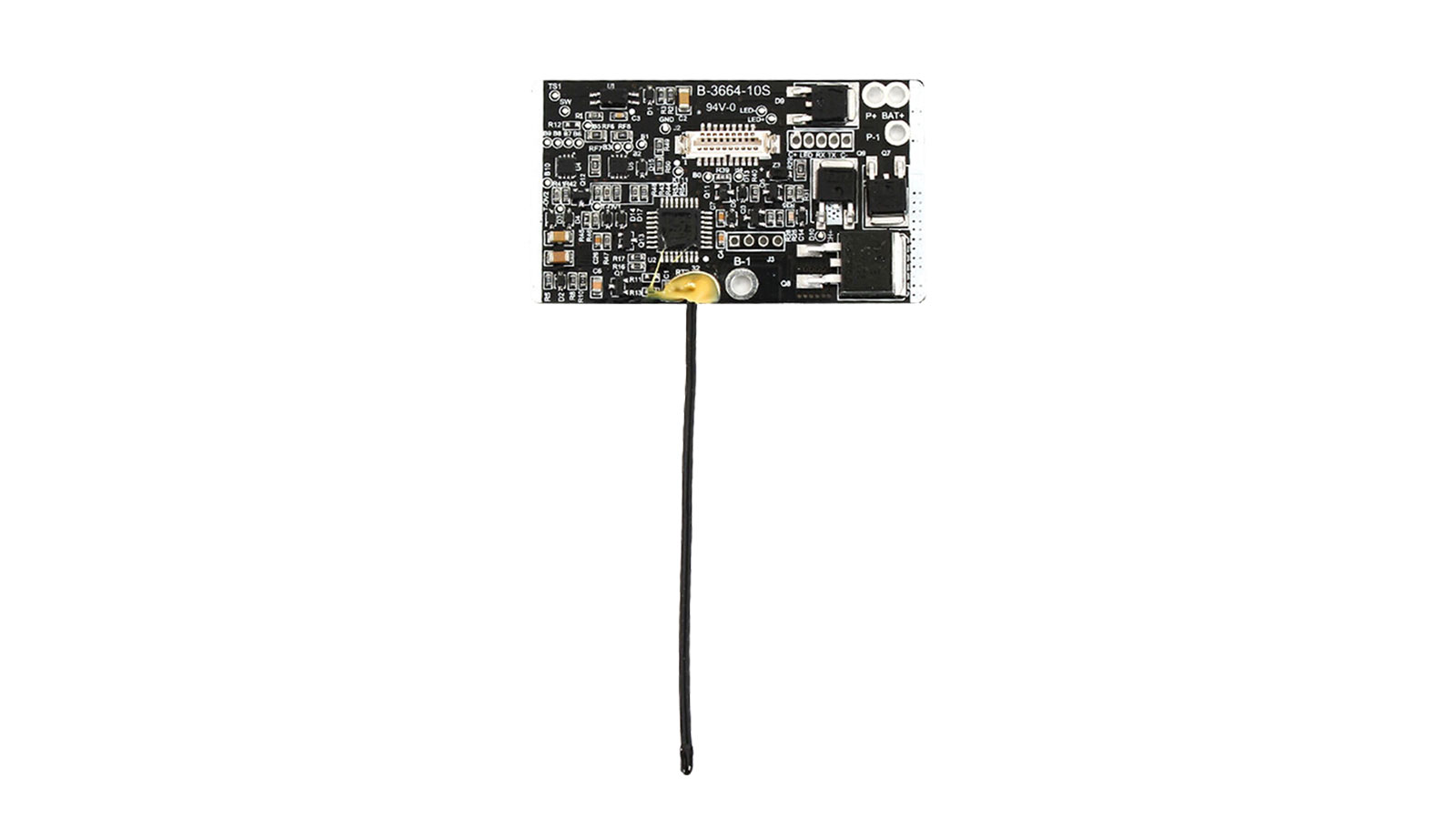
BMS for scooter batteries
Company: Shenzhen Yong Changtai Electronics Co. Ltd
Compatible with the battery used in the Xiaomi-branded Mi M365 scooter, the YCT-TM-064 BMS from Shenzhen Yong Changtai measures 30x5x5mm and weighs 800g.
MOQ: Negotiable
Lead time: 7 days

