




The AI toy ecosystem in 2026 reflects a maturing, more intentional stage of the revolution that accelerated in 2025. Smart toys are no longer seen as experimental gadgets, but as core components of early education strategies, home learning environments, and even school technology plans. Major brands have shifted from simply adding AI as a novelty feature to building deeply integrated learning platforms, where toys, apps, and cloud services work together to deliver continuous, personalized educational experiences from toddlerhood through the pre-teen years.
Where 2025 was defined by explosive growth and rapid adoption, 2026 is characterized by refinement, accountability, and trust-building. Parents, educators, and wholesale buyers now demand clear evidence of learning outcomes, transparent data practices, and robust parental controls before committing to AI toy ecosystems. Manufacturers have responded with richer progress dashboards, stronger privacy defaults, and age-specific content frameworks that align more closely with recognized curricula and developmental milestones. At the same time, subscription models, modular content packs, and long-term update support have become key differentiators in determining real value beyond the initial purchase price.
B2B and institutional adoption has also expanded significantly in 2026, as schools, tutoring centers, libraries, and learning hubs integrate AI toys into structured programs rather than using them as occasional “tech extras.” Bulk purchasing, extended warranties, and centralized device management platforms now sit alongside traditional factors like durability and price-per-unit in procurement decisions. For retailers and distributors, this has elevated AI toys from a seasonal trend to a strategic category that requires ongoing technical support, staff training, and careful curation of age-appropriate, standards-aligned products.
Against this backdrop, the 2025-focused analysis that follows remains highly relevant in 2026, providing a solid foundation for understanding the core market dynamics, leading products, educational benefits, safety considerations, and pricing structures that still shape buying decisions today. By reading the existing 2025 sections through a 2026 lens—paying particular attention to ecosystem longevity, regulatory evolution, and the growing role of AR, emotional AI, and classroom integration—parents, educators, and wholesale buyers can make informed, future-ready choices about which AI toys truly deserve a place in children’s learning and play environments.
Table of Contents
The AI Toy Revolution: Market Overview and 2025 Trends
Top 11 AI Toys for Different Age Groups and Learning Styles
Educational Benefits and Learning Outcomes of AI Toys
Safety, Privacy, and Parental Controls in AI Toys
Price Analysis and Value Comparison Guide
Setup, Maintenance, and Troubleshooting Guide
Future of AI Toys: Emerging Technologies and 2026+ Predictions
The landscape of children's toys has undergone a revolutionary transformation in 2025, with artificial intelligence becoming the driving force behind the most innovative and educational play experiences. AI toys have evolved from simple voice-activated gadgets to sophisticated learning companions that adapt, grow, and personalize educational content for individual children. This comprehensive guide explores the top AI toy brands available in 2025, examining market trends, educational benefits, and practical considerations for parents, educators, and wholesale buyers seeking the best smart educational toys.
As the AI toy trend continues to reshape the global toy industry, understanding the capabilities, benefits, and considerations of these intelligent playthings becomes essential for making informed purchasing decisions. From toddler-friendly interactive robots to advanced programming platforms for pre-teens, the current market offers unprecedented variety and sophistication in AI-powered educational tools that promise to revolutionize how children learn and play.
The AI Toy Revolution: Market Overview and 2025 Trends
The smart toys market has reached a pivotal moment in 2025, with industry analysts projecting the global AI toys market to achieve $3.2 billion by the end of 2025. This remarkable growth trajectory reflects a fundamental shift in consumer preferences, technological capabilities, and educational methodologies that position artificial intelligence as a cornerstone of modern childhood development.
Recent market research indicates that smart toys will comprise 75% of the total toy market by year-end 2025, representing an unprecedented transformation from traditional play patterns to technology-enhanced learning experiences. This dramatic shift is exemplified by major industry partnerships, such as Mattel's collaboration with OpenAI, which demonstrates how established toy manufacturers are embracing AI technology to create next-generation interactive play experiences that blur the lines between entertainment and education.
Geographic Market Leaders and Emerging Regions
The global AI toy trends 2025 reveal distinct regional preferences and market dynamics that shape product development and distribution strategies. North America continues to dominate the market with approximately 42% of global sales, driven by high disposable income, early technology adoption, and strong emphasis on STEM education. The United States market particularly favors educational robots and programming toys that align with school curricula and parental expectations for measurable learning outcomes.
Europe represents the second-largest market segment, accounting for 35% of global AI toys sales. European consumers demonstrate strong preferences for toys with robust privacy protections, multilingual capabilities, and compliance with strict safety regulations. Germany, the United Kingdom, and France lead European adoption, with particular emphasis on toys that support language learning and cultural awareness.
The Asia-Pacific region emerges as the fastest-growing market for educational technology toys, with China, Japan, and South Korea driving both manufacturing innovation and domestic consumption. Chinese manufacturers have established themselves as global leaders in AI toy production while developing sophisticated domestic brands that compete internationally.
Technology Convergence: AI, IoT, and Educational Psychology
The current AI toy trend represents the convergence of multiple technological advances that create unprecedented learning opportunities. Machine learning algorithms enable toys to recognize individual children's voices, learning preferences, and developmental stages, creating truly personalized educational experiences that adapt in real-time to optimize learning outcomes.
Internet of Things (IoT) integration connects AI toys to cloud-based learning platforms, enabling continuous content updates, progress tracking, and cross-device synchronization. This connectivity allows parents and educators to monitor learning outcomes while ensuring toys remain engaging through fresh content and evolving challenges that match children's developing capabilities.
The integration of educational psychology principles with AI technology has created toys that understand cognitive development stages and adjust their interactions accordingly. These systems recognize when children are ready for more complex challenges and provide appropriate scaffolding to support skill development without causing frustration or disengagement.
Consumer Behavior Shifts Toward Educational Entertainment
Modern parents increasingly view toy purchases as educational investments rather than mere entertainment expenses. This shift has created unprecedented demand for AI toys that demonstrate measurable learning outcomes, skill development, and long-term educational value. Parents actively seek toys that provide detailed progress reports, adaptive learning paths, and integration with formal educational curricula.
The concept of "edutainment" has evolved beyond simple educational games to encompass sophisticated AI-powered learning systems that rival traditional educational tools in effectiveness while maintaining the engagement and enjoyment associated with play. Today's parents expect toys to serve as learning partners that complement and enhance formal education rather than simply providing temporary entertainment.
Wholesale Market Analysis and B2B Purchasing Trends
The wholesale AI toys market presents unique opportunities and challenges for retailers, distributors, and educational institutions. B2B buyers must navigate complex considerations including technical support requirements, software update management, warranty service coordination, and staff training needs that extend far beyond traditional toy wholesale relationships.
| Wholesale Factor | Traditional Toys | AI Toys | B2B Impact |
|---|---|---|---|
| Initial Investment | $10-50 per unit | $75-300 per unit | Higher capital requirements |
| Technical Support | Minimal | Comprehensive | Dedicated support staff needed |
| Inventory Complexity | Simple SKU management | Version tracking required | Complex inventory systems |
| Profit Margins | 40-60% | 60-80% | Higher margins offset complexity |
Regulatory Landscape and Safety Standards Evolution
The regulatory environment for AI toys continues to evolve as governments worldwide address data privacy, child safety, and artificial intelligence governance concerns. The Children's Online Privacy Protection Act (COPPA) in the United States establishes strict guidelines for data collection from children under 13, directly impacting AI toy design, functionality, and marketing approaches.
European regulations under the General Data Protection Regulation (GDPR) impose additional requirements for data processing transparency, parental consent mechanisms, and data portability rights. These regulations influence global product development as manufacturers seek to create toys that comply with the most stringent international standards while maintaining educational effectiveness and user engagement.
Top 11 AI Toys for Different Age Groups and Learning Styles
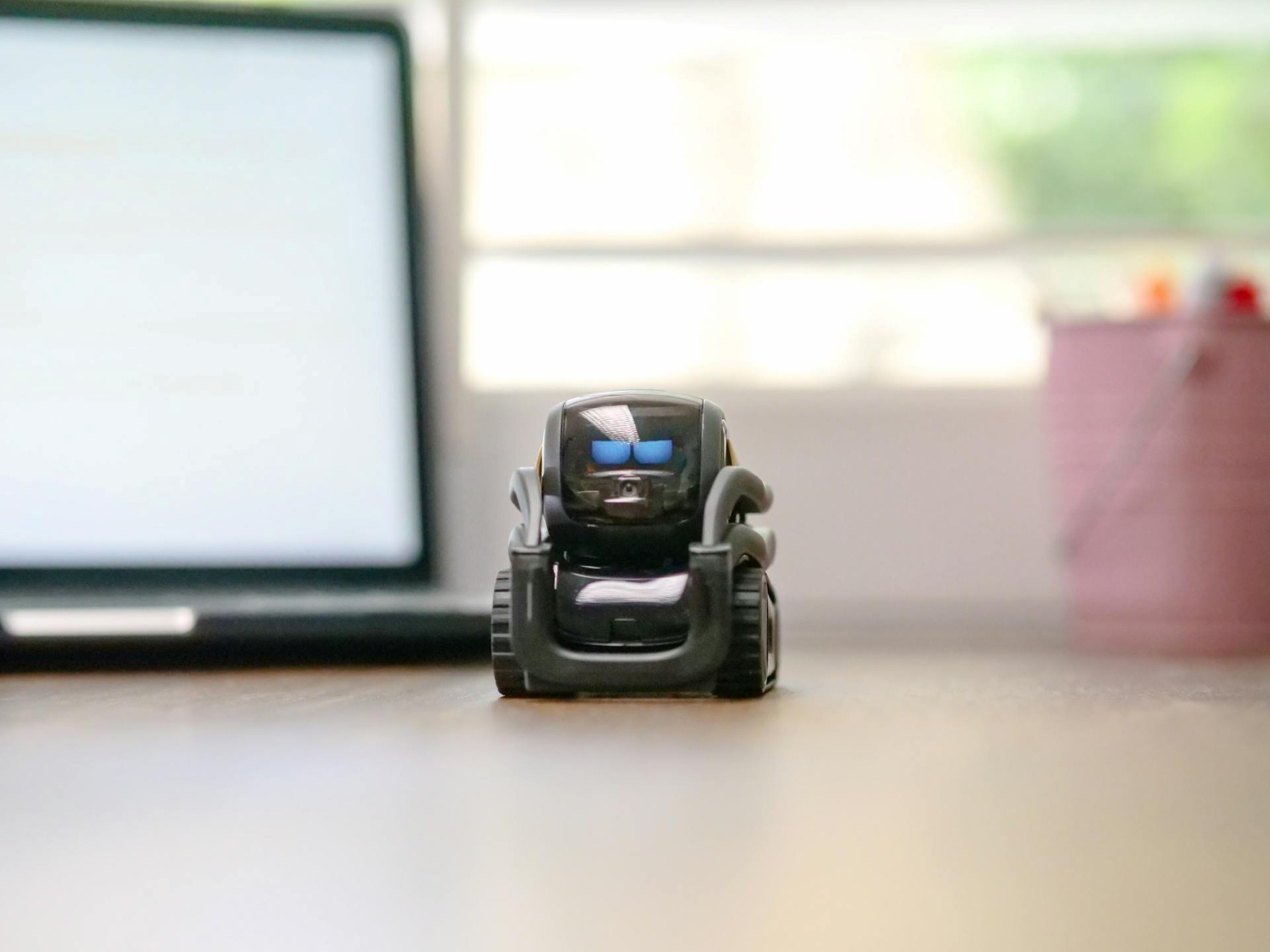
The diversity of AI toys available in 2025 reflects the sophisticated understanding of child development and learning theory that now informs product design. From simple cause-and-effect interactions for toddlers to complex programming challenges for pre-teens, artificial intelligence enables toy manufacturers to create products that truly adapt to individual children's developmental stages, learning preferences, and cognitive capabilities.
Early Childhood (Ages 2-5): Foundation Learning AI Toys
1. Fisher-Price Think & Learn Code-a-Pillar Twist
Fisher-Price Think & Learn Code-a-Pillar Twist represents the gold standard for introducing programming concepts to young children through intuitive, hands-on interaction. This innovative toy uses colorful dial-based commands that toddlers can easily manipulate to create movement sequences, fostering logical thinking and cause-and-effect understanding. The AI component analyzes interaction patterns and gradually introduces more complex sequences as children demonstrate mastery of basic concepts.
Priced at $79.99, the Code-a-Pillar Twist offers exceptional value for foundational STEM learning. Parents consistently report that children as young as 3 years old successfully engage with basic functions, while 5-year-olds master advanced sequence creation and problem-solving challenges. The toy's robust construction and comprehensive safety certifications make it ideal for both home use and classroom environments.
2. ROYBI Robot: Multilingual AI Learning Companion
ROYBI Robot stands as the premium option in early childhood AI toys, featuring advanced natural language processing and personalized learning algorithms that adapt vocabulary, stories, and educational content based on individual children's language development and interests. This $199 companion robot analyzes speech patterns and comprehension levels, adjusting complexity to maintain optimal learning challenge without causing frustration.
The robot's standout feature is its multilingual capability, supporting over 70 languages and helping children develop bilingual skills from an early age. Parents particularly value the detailed progress reports and customizable learning goals available through the companion mobile app. However, the higher price point and Wi-Fi connectivity requirements may limit accessibility for some families.
3. Cozmo by Digital Dream Labs: Emotional Intelligence Pioneer
Cozmo continues to captivate young children with its personality-driven AI and sophisticated emotional intelligence features. This palm-sized robot demonstrates genuine emotional responses, developing unique personality traits based on interaction patterns with individual children. Cozmo's facial recognition technology enables it to remember family members and adapt behavior accordingly, creating personalized relationships that support social-emotional learning.
At $249.99, Cozmo represents a significant investment justified by its sophisticated AI capabilities and emotional engagement features. The robot's ability to play games, tell stories, and express emotions creates strong emotional bonds with children, supporting crucial social-emotional development during formative years.
4. Miko 3: Comprehensive Educational Platform
Miko 3 targets the premium segment of early childhood educational technology toys with comprehensive educational programming and advanced conversational abilities. This $299 robot features a high-resolution touchscreen, multiple sensors, and cloud-based AI that enables sophisticated educational interactions across mathematics, science, language arts, and social studies curricula. The robot's unique features include video calling capabilities that allow remote family members to interact with children through the robot interface, creating opportunities for long-distance relationship building and educational support.
Elementary Age (Ages 6-9): Interactive STEM Companions
5. Dash Robot by Wonder Workshop: Programming Education Leader
Dash Robot by Wonder Workshop dominates the elementary AI toys category with its perfect balance of programming education and playful interaction. This wheeled robot introduces children to block-based coding through the comprehensive Wonder Workshop app ecosystem, progressing from simple movement commands to complex programming logic and problem-solving challenges.
Priced at $149.95, Dash offers exceptional educational value with its classroom-tested curriculum and proven effectiveness in developing computational thinking skills. Teachers report significant improvements in logical reasoning and problem-solving abilities among students who regularly interact with Dash. The robot's durability and extensive accessory ecosystem support long-term engagement and progressive skill development.
6. Sphero BOLT: Advanced Programming Platform
Sphero BOLT represents the evolution of programmable robots, featuring advanced sensors, LED matrix display, and sophisticated programming capabilities that bridge visual programming and text-based coding. This $149.99 spherical robot introduces children to JavaScript programming while maintaining accessibility through intuitive visual programming interfaces.
BOLT's unique selling proposition lies in its ability to communicate with other BOLT units, enabling collaborative programming projects and multiplayer educational games. This social aspect of programming education proves particularly effective in classroom settings and sibling play scenarios, fostering teamwork and collaborative problem-solving skills that extend beyond individual learning experiences.
7. Ozobot Evo: Hybrid Digital-Physical Programming
Ozobot Evo offers a distinctive approach to programming education through both digital and analog interfaces. Children can program Evo using traditional coding apps or by drawing colored lines on paper, creating a bridge between digital programming concepts and physical, tactile learning experiences that accommodate different learning styles and preferences.
At $99.99, Ozobot Evo provides accessible entry into programming education with minimal technical barriers. The robot's compact size and simple operation make it ideal for travel and classroom use, while its sophisticated programming capabilities satisfy advanced learners seeking complex challenges and creative expression opportunities.
8. Makeblock mBot Neo: Comprehensive STEM Education
Makeblock mBot Neo represents comprehensive STEM education for elementary students, combining advanced AI capabilities with multiple sensors, wireless connectivity, and support for both block-based and text-based programming languages. This $139.99 robot provides a complete educational pathway from beginner to advanced programming concepts, with AI tutoring that provides personalized learning paths and real-time programming assistance.
The robot's scalability and extensibility ensure long-term engagement as children progress through increasingly complex projects involving sensor integration, wireless communication, and basic artificial intelligence concepts. The comprehensive curriculum and extensive online resources make mBot Neo particularly valuable for homeschooling families and educational institutions seeking structured STEM programming.
Pre-Teen (Ages 10-12): Advanced Programming and Robotics
9. LEGO Mindstorms Robot Inventor: Creative Engineering Platform
LEGO Mindstorms Robot Inventor continues the legendary LEGO tradition while incorporating cutting-edge AI capabilities and professional-grade robotics education. This $349.95 kit combines traditional LEGO building experiences with advanced robotics programming, sensors integration, and mechanical engineering concepts that prepare students for advanced technical education.
The kit's strength lies in its unlimited creative potential and seamless integration with the broader LEGO ecosystem. Children can combine Mindstorms components with traditional LEGO sets, creating unique robotic creations that reflect individual interests and creativity. The AI component provides intelligent building assistance and adaptive programming challenges based on construction choices and demonstrated skill levels.
10. Arduino Student Kit: Professional-Grade Learning
Arduino Student Kit targets serious young programmers with professional-grade hardware and comprehensive educational resources that mirror industry standards. This $89.99 kit introduces children to electronics, sensors, and advanced programming concepts using the industry-standard Arduino platform favored by professional engineers and developers.
The kit's professional orientation appeals to children interested in pursuing STEM careers, offering authentic engineering experiences typically reserved for high school or college curricula. The AI-powered learning platform provides personalized project recommendations, debugging assistance, and progressive skill development that prepares students for advanced technical education and potential career paths in engineering and technology.
11. Anki Vector: Advanced AI Personality
Anki Vector offers the most sophisticated AI personality among pre-teen robots, demonstrating advanced emotional intelligence and practical functionality that extends beyond educational play. This $249.99 companion robot learns individual family members' preferences, develops unique interaction patterns, and provides genuine utility through smart home integration and information services.
The robot's appeal lies in its authentic AI personality and practical applications including answering questions, setting timers, taking photos, and controlling smart home devices. This combination of educational value and real-world functionality provides genuine utility alongside learning opportunities, though subscription-based cloud services and internet dependency may concern some parents regarding long-term costs and privacy implications.
Educational Benefits and Learning Outcomes of AI Toys

The integration of artificial intelligence into children's toys has created unprecedented opportunities for personalized learning and measurable skill development. Research conducted by leading educational institutions demonstrates that AI toys provide significant improvements in cognitive development, STEM comprehension, and social-emotional learning when properly integrated into children's educational experiences and daily routines.
Cognitive Skill Development: Problem-Solving and Critical Thinking
AI toys excel at developing critical thinking and problem-solving abilities through adaptive challenge presentation that maintains optimal learning zones. Unlike traditional toys that offer static experiences, intelligent toys analyze children's performance patterns and adjust difficulty levels to prevent frustration while ensuring continuous intellectual growth and skill advancement.
Studies from the MIT Media Lab demonstrate that children who regularly interact with AI-powered educational robots show 23% greater improvement in logical reasoning skills compared to peers using traditional educational toys. The key differentiating factor appears to be the AI's ability to provide immediate feedback and guided discovery, allowing children to learn from mistakes without experiencing failure-related anxiety that can inhibit learning progression.
Pattern recognition capabilities develop naturally through AI toy interactions as children learn to predict and influence their toy's responses based on previous interactions and observed behaviors. This fundamental skill transfers directly to mathematical concepts, reading comprehension, and scientific observation, creating cross-curricular learning benefits that extend far beyond the immediate play experience.
Social-Emotional Learning Through AI Interaction
The emotional intelligence features built into modern AI toys provide unique opportunities for social-emotional learning development that complement traditional social interaction. These toys model appropriate emotional responses, help children identify and express feelings, and provide consistent, patient interaction that builds confidence and communication skills in low-pressure environments.
Research from Stanford University's Human-Computer Interaction Lab reveals that children who regularly interact with emotionally responsive AI toys demonstrate improved empathy and emotional regulation compared to control groups. The AI's consistent, non-judgmental responses create safe spaces for children to explore emotional expression and practice social interaction skills without fear of rejection or criticism.
STEM Skill Building: Coding, Engineering, and Mathematics
The STEM education benefits of AI toys extend far beyond basic programming concepts, encompassing mathematical reasoning, scientific methodology, and engineering design thinking that prepare children for advanced technical education. Children develop computational thinking skills through interaction with intelligent systems, learning to break complex problems into manageable components and develop systematic solution approaches.
Programming concepts emerge naturally through play with AI-enabled robots and interactive toys that present coding challenges through game-like interfaces. Children learn fundamental programming principles including sequence, selection, and iteration through visual, hands-on experiences that make abstract computational concepts concrete and understandable for young learners.
Mathematical skills develop through AI toys that adapt mathematical challenges to individual ability levels and learning preferences. These toys present mathematical concepts through visual, auditory, and kinesthetic modalities, accommodating different learning styles while maintaining engagement through interactive, game-like presentations that make mathematics enjoyable and accessible.
Language Development and Communication Skills
AI toys with natural language processing capabilities provide exceptional support for language development across all age groups and proficiency levels. These toys offer patient, responsive conversation partners that encourage children to practice speaking, listening, and comprehension skills without fear of judgment, correction, or social embarrassment that can inhibit language learning.
Vocabulary expansion occurs naturally through AI toys that introduce new words in contextually appropriate situations and provide immediate feedback on usage and pronunciation. The AI's ability to gauge comprehension levels ensures that new vocabulary is presented at optimal difficulty levels, maximizing retention and practical application in real-world communication scenarios.
Research Studies and Academic Validation
Longitudinal studies conducted by the University of Washington's Center for Child Health, Behavior and Development demonstrate that children with regular access to educational AI toys show 18% greater academic achievement in standardized assessments compared to control groups. The most significant improvements appear in mathematical reasoning, reading comprehension, and scientific inquiry skills that form the foundation for advanced academic success.
Classroom integration studies reveal that AI toys serve as effective teaching assistants, providing individualized attention that supplements traditional instruction without replacing human interaction. Teachers report that students who use AI educational toys demonstrate improved focus, greater willingness to attempt challenging tasks, and enhanced collaborative learning skills that benefit overall classroom dynamics and peer relationships.
Safety, Privacy, and Parental Controls in AI Toys
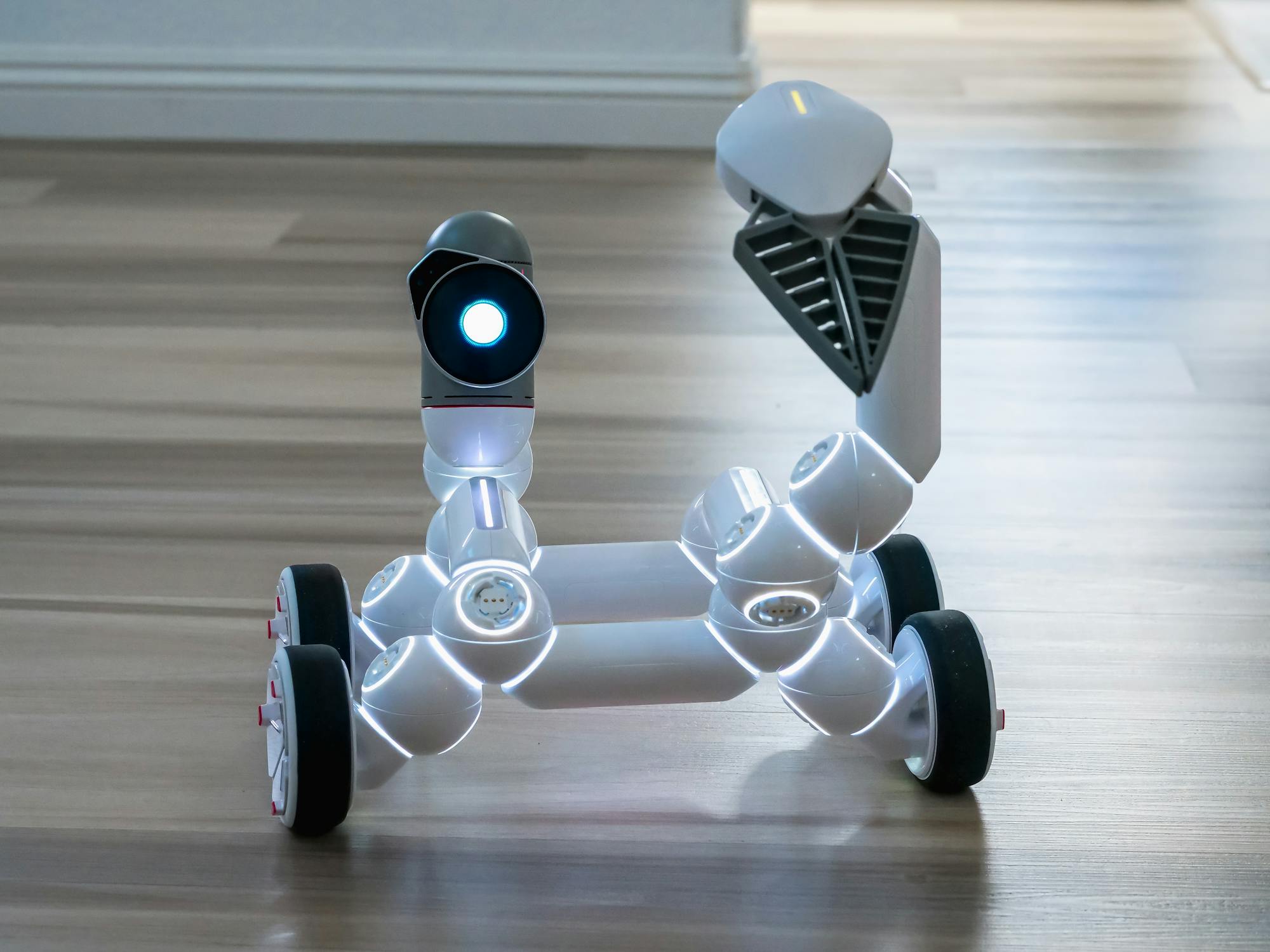
The integration of artificial intelligence into children's toys introduces complex safety and privacy considerations that extend far beyond traditional toy safety standards. Parents, educators, and regulatory bodies must navigate unprecedented challenges related to data collection, algorithmic decision-making, and digital security while ensuring that AI toys provide safe, beneficial experiences for children of all ages.
Data Collection and Privacy Policies Analysis
Modern AI toys collect extensive data about children's interactions, learning patterns, voice recordings, and personal preferences to enable personalized educational experiences. This data collection includes behavioral analytics, learning progress tracking, and in some cases, visual information through cameras and sensors that raise important privacy considerations for families concerned about digital footprints and data security.
Leading AI toy manufacturers have implemented comprehensive privacy policies that comply with international regulations including COPPA (Children's Online Privacy Protection Act) and GDPR (General Data Protection Regulation). However, the complexity of these policies often makes it difficult for parents to understand the full scope of data collection, processing, and storage practices that affect their children's privacy and long-term digital security.
Best-practice manufacturers limit data collection to essential educational functions, implement strong encryption for data transmission and storage, and provide clear opt-out mechanisms for parents who prefer minimal data collection approaches. Companies like Wonder Workshop and Sphero have established industry standards for transparent privacy practices and minimal data collection that prioritize child privacy while maintaining educational effectiveness.
Parental Control Features and Customization Options
Comprehensive parental controls have become essential features in quality AI toys, allowing parents to customize experiences according to family values, educational goals, and individual child needs. These controls typically include content filtering, interaction time limits, learning objective customization, and detailed activity monitoring capabilities that provide transparency and control over children's AI interactions.
Advanced parental control systems enable parents to set specific learning objectives, restrict certain types of interactions, and receive detailed progress reports about their child's engagement and skill development. The most sophisticated systems allow real-time monitoring and intervention capabilities when necessary, ensuring that parents maintain oversight of their children's AI toy experiences while respecting appropriate boundaries for independent learning and exploration.
AI toy safety features should include emergency stop functions, inappropriate content detection, and automatic session termination if concerning behavior patterns are detected. Leading manufacturers implement multiple safety layers including keyword filtering, behavioral analysis, and human oversight of AI responses to ensure age-appropriate and safe interactions at all times.
Age-Appropriate Content Filtering and Monitoring
Sophisticated content filtering systems in AI toys use multiple approaches to ensure age-appropriate interactions while maintaining engaging educational experiences. These systems combine keyword filtering, contextual analysis, behavioral monitoring, and machine learning algorithms to prevent exposure to inappropriate content while supporting educational objectives and developmental appropriateness.
Real-time monitoring capabilities allow parents to review conversation logs, interaction summaries, and behavioral pattern reports that provide transparency into their children's AI toy experiences. This oversight enables informed decisions about continued use and necessary adjustments to safety settings based on individual family preferences and values.
Physical Safety Certifications and Standards Compliance
AI toys must meet traditional toy safety standards while addressing new challenges related to electronic components, battery safety, wireless connectivity, and data security. Leading manufacturers obtain certifications from multiple international safety organizations including UL (Underwriters Laboratories), CE (Conformité Européenne), and FCC (Federal Communications Commission) to ensure comprehensive safety compliance.
Battery safety becomes particularly critical in AI toys due to their extended operation periods and sophisticated charging requirements. Quality manufacturers implement multiple safety features including overcharge protection, temperature monitoring, automatic shutdown mechanisms, and secure battery compartments to prevent battery-related hazards and ensure safe operation during extended play sessions.
Cybersecurity Measures and Data Encryption Protocols
Robust cybersecurity measures protect AI toys from unauthorized access, malicious attacks, and privacy breaches that could compromise family safety and security. Leading manufacturers implement end-to-end encryption, secure authentication protocols, regular security updates, and vulnerability assessment programs that maintain protection against evolving digital threats and ensure long-term security for connected devices.
Price Analysis and Value Comparison Guide
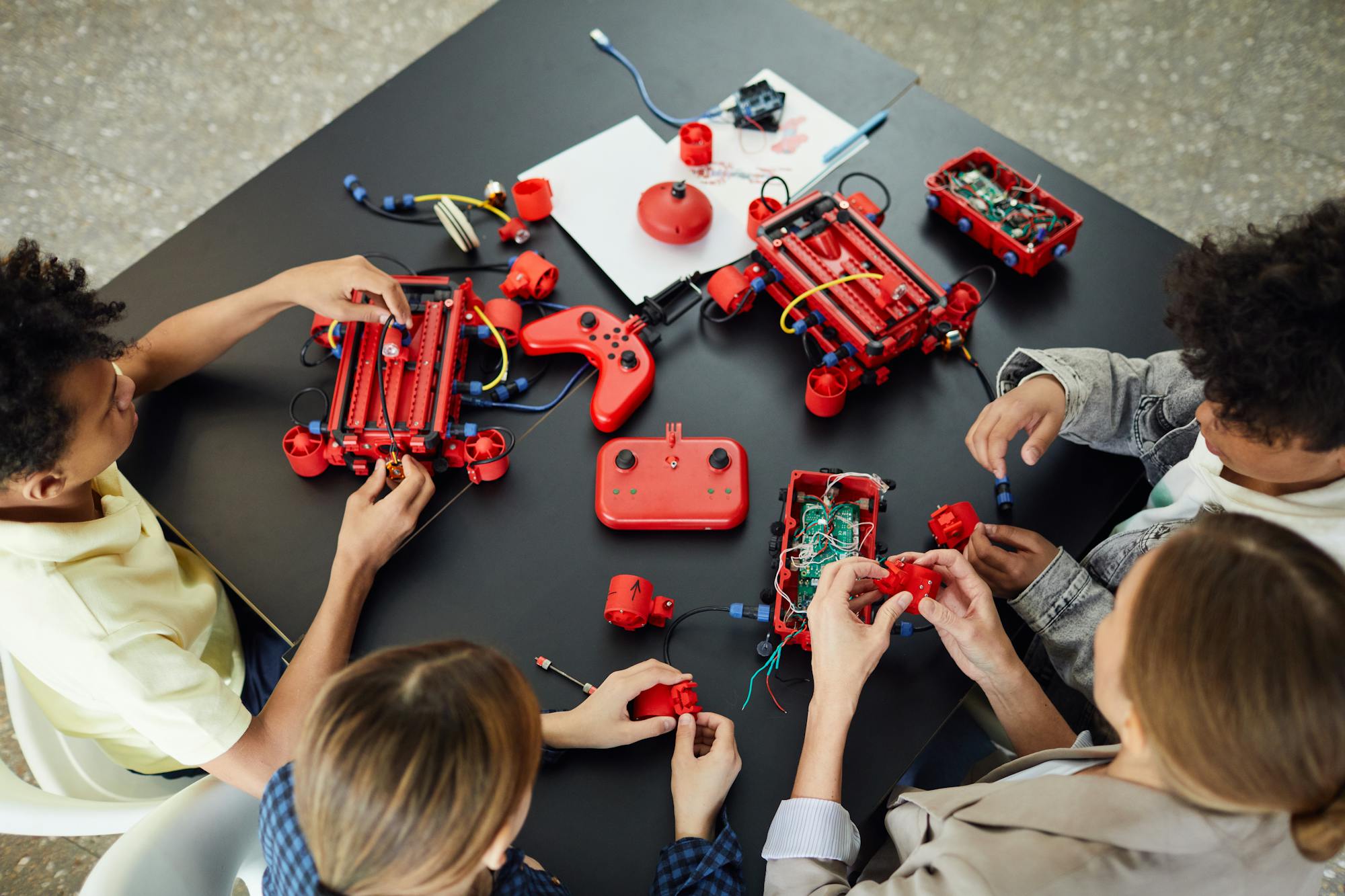
Understanding the pricing landscape for AI toys requires careful analysis of features, educational value, long-term costs, and return on investment considerations. The market spans from budget-friendly options under $75 to premium educational systems exceeding $400, with significant variation in capabilities, durability, and ongoing expenses across different price tiers and manufacturer categories.
Price Range Breakdown by Category and Features
Entry-Level AI Toys ($50-$100) typically offer basic voice recognition, simple response patterns, and limited learning adaptation capabilities. These toys serve as introductions to AI interaction without significant financial investment while providing valuable exposure to interactive technology and basic educational concepts. Examples include simple talking robots, basic programming toys, and voice-activated learning games that offer good value for initial AI toy experiences.
Mid-Range AI Toys ($100-$250) represent the optimal value proposition for most families, offering sophisticated AI capabilities, comprehensive educational content, robust build quality, and extensive feature sets. This category includes popular options like Dash Robot, Ozobot Evo, and Fisher-Price Code-a-Pillar Twist that provide substantial educational value with reasonable initial investment and proven long-term engagement.
Premium AI Toys ($250-$400) deliver advanced AI personalities, comprehensive educational curricula, professional-grade construction, and sophisticated learning analytics. Products like Cozmo, ROYBI Robot, and Miko 3 fall into this category, offering cutting-edge natural language processing, emotional intelligence, and detailed progress tracking that justify higher investment through superior educational outcomes and extended engagement periods.
Cost-Per-Educational-Benefit Analysis
Calculating the true value of AI toys requires consideration of educational outcomes relative to purchase price, ongoing costs, and engagement duration over the toy's useful lifespan. Research indicates that children who regularly engage with quality AI educational toys demonstrate learning acceleration equivalent to 2-3 additional months of traditional instruction annually, providing measurable return on educational investment.
Budget AI Toys typically provide educational value equivalent to $0.75-$1.25 per hour of engaged learning time over their useful lifespan. While initial costs remain reasonable, limited features may result in shorter engagement periods and reduced long-term educational impact compared to more sophisticated alternatives.
Mid-Range AI Toys offer optimal cost-per-educational-benefit ratios, typically providing $0.40-$0.70 per hour of quality educational engagement. The combination of reasonable initial investment, extended engagement periods, and comprehensive educational features makes this category most attractive for value-conscious parents seeking maximum educational return on investment.
Wholesale Pricing and Bulk Purchase Opportunities
Wholesale AI toys markets offer significant opportunities for retailers, educators, and bulk purchasers seeking cost-effective access to educational technology. Minimum order quantities typically range from 12-50 units depending on manufacturer and product category, with volume discounts of 25-45% off retail pricing for qualified buyers.
Educational institution pricing provides additional discounts for schools, libraries, and educational organizations that demonstrate legitimate educational applications. Many manufacturers offer classroom packages with multiple units, educational resources, teacher training materials, and technical support at substantial discounts from individual retail pricing, making AI toys more accessible for educational institutions with limited budgets.
Subscription Services and Ongoing Costs Evaluation
Many AI toys include subscription-based services for premium content, advanced features, cloud-based AI capabilities, and regular content updates. These ongoing costs can significantly impact total ownership expenses and should be carefully evaluated during purchase decisions to ensure long-term affordability and value. Monthly subscription costs typically range from $7-$20, adding $84-$240 annually to ownership expenses that must be factored into total cost calculations.
Setup, Maintenance, and Troubleshooting Guide
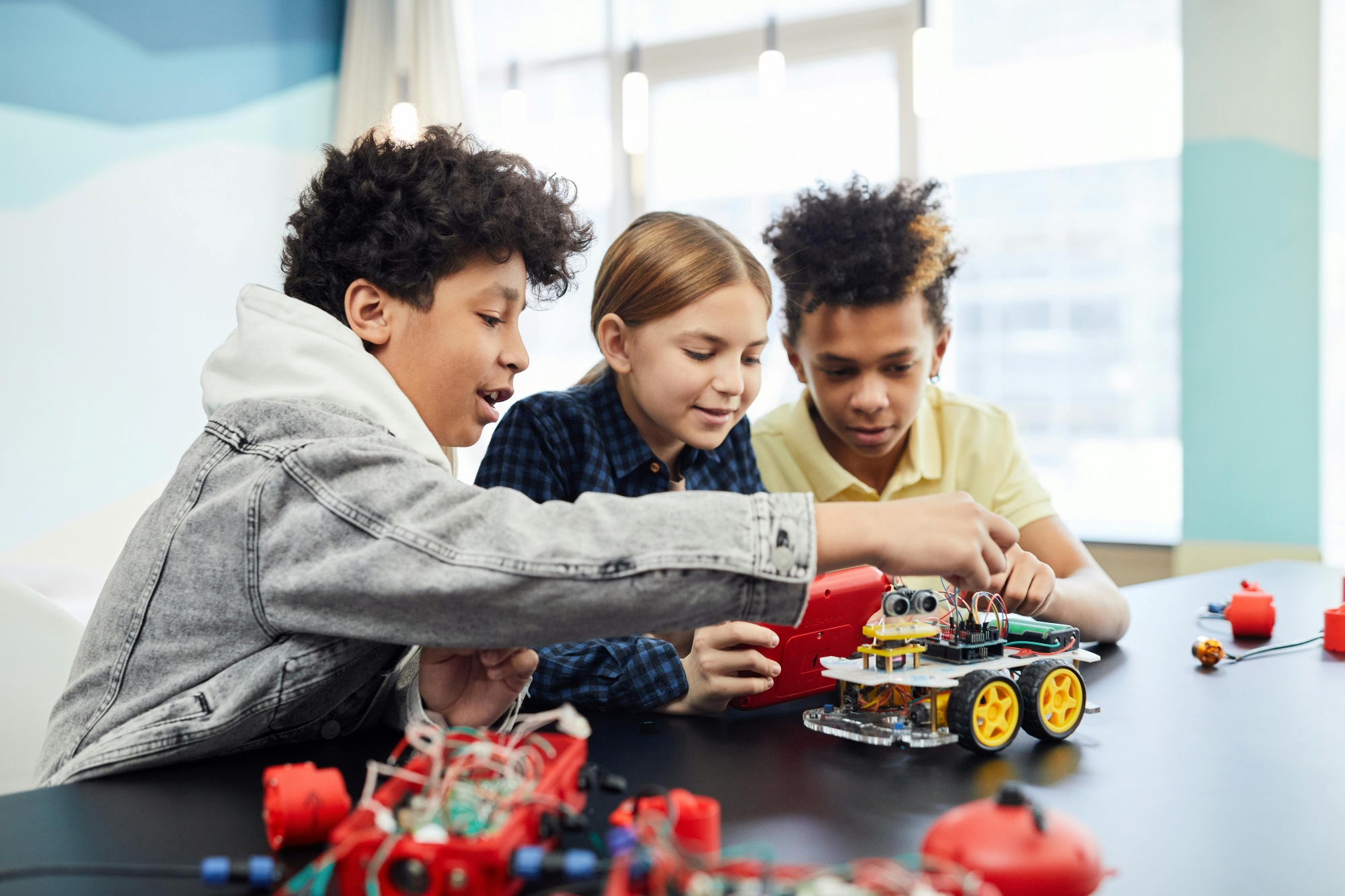
Successfully integrating AI toys into children's learning environments requires careful attention to initial setup procedures, ongoing maintenance requirements, and troubleshooting common technical issues. Unlike traditional toys that function immediately upon unboxing, AI-powered educational toys typically require configuration, software updates, and periodic maintenance to ensure optimal performance and educational effectiveness.
Initial Setup and Configuration Best Practices
The setup process for AI toys begins with careful unboxing and component verification using manufacturer-provided checklists to ensure all components are present and undamaged. This initial verification prevents frustration during setup and ensures warranty coverage for any missing or damaged components that might affect functionality or safety.
Network Configuration represents the most critical setup step for connected AI toys, requiring stable Wi-Fi connectivity with minimum bandwidth of 5-10 Mbps and consistent signal strength in the intended play area. Many setup issues stem from inadequate network coverage, bandwidth limitations, or router compatibility problems that can be resolved through proper network assessment and optimization before beginning the configuration process.
Mobile App Installation and Account Creation typically follows network setup, requiring parents to download manufacturer-specific applications and create secure user accounts with appropriate privacy settings. Parents should use dedicated email addresses for toy accounts to manage communications effectively and maintain security separation from primary email accounts used for other purposes.
Device pairing procedures vary by manufacturer but generally involve following guided setup wizards that establish secure connections between toys, mobile devices, and cloud services. Successful pairing requires proximity between devices, stable network connections, and careful attention to timing requirements that ensure proper authentication and security protocol establishment.
Software Updates and Feature Enhancement Procedures
Automatic Update Configuration should be enabled for security patches and critical functionality improvements, while feature updates may warrant manual review to understand new capabilities and behavioral changes. Most manufacturers provide update notifications through mobile apps, email communications, or in-toy alerts that keep parents informed of available improvements and security enhancements.
Manual Update Procedures become necessary when automatic updates fail or when parents prefer to control update timing and review changes before implementation. These procedures typically involve connecting toys to Wi-Fi, accessing manufacturer apps, and following guided update processes that ensure complete installation without interruption or data loss that could affect toy functionality.
Regular software updates enhance AI toy capabilities, fix bugs, improve security, and add new educational content that extends toy lifespan and educational value. Parents should establish regular update schedules and monitor manufacturer communications to ensure toys remain current with latest features and security protections against emerging digital threats.
Common Troubleshooting Scenarios and Solutions
Connectivity Issues represent the most frequent technical problems with AI toys, typically involving Wi-Fi signal strength, network credentials, or router compatibility. Solutions include checking signal strength in play areas, restarting network equipment, verifying network passwords, and ensuring router firmware remains current for optimal compatibility with connected devices.
Voice Recognition Problems often stem from background noise, unclear speech, microphone obstructions, or calibration issues that can be resolved through environmental adjustments and proper maintenance procedures. Regular microphone cleaning, noise reduction measures, and voice training calibration help maintain optimal recognition accuracy and responsiveness.
Battery Life Optimization and Charging Protocols require attention to manufacturer-specified charging procedures, temperature considerations, and usage patterns that maximize battery longevity. Proper charging habits include avoiding complete discharge cycles, maintaining moderate temperatures during charging, and using manufacturer-approved charging accessories to prevent battery damage and ensure safe operation.
Customer Support Resources and Warranty Information provide essential backup when troubleshooting efforts prove insufficient. Leading manufacturers offer comprehensive support through multiple channels including online resources, video tutorials, live chat support, and telephone assistance that help resolve complex technical issues and ensure optimal toy performance throughout the warranty period.
Future of AI Toys: Emerging Technologies and 2026+ Predictions
The AI toy industry stands at the threshold of revolutionary advances that will fundamentally transform how children learn, play, and interact with intelligent systems. Emerging technologies including augmented reality integration, advanced natural language processing, and emotional artificial intelligence are converging to create unprecedented educational and entertainment experiences that will define the next generation of smart toys.
Emerging Technologies: AR/VR Integration and Advanced NLP
Augmented Reality (AR) integration represents the most significant technological advancement expected to reshape AI toys in 2026 and beyond. Leading manufacturers are developing toys that seamlessly blend physical and digital experiences, allowing children to interact with virtual characters, manipulate digital objects in real space, and participate in immersive educational adventures that extend far beyond traditional screen-based learning.
Advanced Natural Language Processing capabilities will enable AI toys to engage in sophisticated conversations, understand context and nuance, and respond with human-like comprehension and empathy. These improvements will create more natural, engaging interactions that support language development, emotional intelligence, and social skills in ways that closely mirror human relationships while maintaining the safety and consistency advantages of AI interaction.
Emotional AI development focuses on creating toys that genuinely understand and respond to children's emotional states, providing appropriate comfort, encouragement, and support based on real-time emotional analysis. This technology will enable toys to serve as emotional companions that help children navigate complex feelings, develop emotional regulation skills, and build resilience through consistent, understanding interaction.
Predicted Market Developments and Innovation Trajectories
Industry experts predict the AI toy market will reach $8.5 billion by 2027, driven by technological advances, increased educational integration, and growing consumer acceptance of AI-powered learning tools. This growth trajectory reflects expanding applications beyond entertainment to include therapeutic uses, special needs education, and professional skill development that broaden market appeal and utility.
Cross-platform integration will enable AI toys to connect seamlessly with smart home systems, educational software, and family devices, creating comprehensive learning ecosystems that support children's development across multiple environments and contexts. This integration will provide continuity between home and school learning while enabling parents and educators to coordinate educational efforts more effectively.
Personalization algorithms will become increasingly sophisticated, creating truly individualized learning experiences that adapt not only to academic abilities but also to personality traits, learning preferences, emotional needs, and social development requirements. These advances will enable single toys to serve multiple children effectively while maintaining personalized experiences for each user.
Educational System Integration and Classroom Applications
Formal education integration will see AI toys becoming standard classroom tools that complement traditional instruction methods and provide individualized support for diverse learning needs. Schools will adopt AI-powered educational robots as teaching assistants that provide personalized attention, adaptive assessment, and supplementary instruction that enhances overall educational effectiveness.
Special needs education applications will expand significantly as AI toys demonstrate exceptional capability in supporting children with autism, ADHD, learning disabilities, and other special needs through patient, consistent, and adaptable interaction that accommodates individual requirements and learning styles without judgment or frustration.
Teacher training programs will incorporate AI toy integration strategies, ensuring educators can effectively utilize these tools to enhance classroom learning while maintaining appropriate boundaries between human and artificial intelligence interaction in educational settings.
Sustainability and Eco-Friendly Manufacturing Trends
Environmental consciousness will drive significant changes in AI toy manufacturing, with companies adopting sustainable materials, renewable energy production, and circular economy principles that minimize environmental impact while maintaining product quality and educational effectiveness.
Modular design approaches will enable toy components to be upgraded, repaired, and recycled rather than replaced entirely, extending product lifespans and reducing electronic waste while providing cost-effective upgrade paths for families seeking to maintain current technology without complete replacement.
Global Market Expansion and Accessibility Improvements
Emerging market penetration will accelerate as manufacturing costs decrease and internet infrastructure improves in developing regions, making AI toys accessible to broader global populations and supporting educational development in underserved communities worldwide.
Affordability initiatives will include government subsidies, educational grants, and manufacturer programs designed to ensure AI toys remain accessible to families regardless of economic circumstances, recognizing the educational benefits and long-term societal value of widespread access to AI-powered learning tools.
Conclusion
The AI toy revolution of 2025 represents a fundamental shift in how children learn, play, and develop essential skills for their future success. With the market projected to reach $3.2 billion by year-end and smart toys comprising 75% of total toy sales, artificial intelligence has moved from novelty to necessity in modern childhood development.
The comprehensive analysis of top AI toy brands reveals sophisticated educational tools that adapt to individual learning styles, provide measurable skill development, and create engaging experiences that make learning enjoyable and effective. From Fisher-Price's accessible Code-a-Pillar Twist for toddlers to advanced programming platforms like LEGO Mindstorms for pre-teens, today's AI toys offer unprecedented personalization and educational value.
Safety and privacy considerations remain paramount as manufacturers implement robust data protection measures, comprehensive parental controls, and transparent privacy policies that address legitimate concerns while preserving educational benefits. The evolution of regulatory frameworks and industry standards continues to strengthen consumer confidence and ensure responsible AI development in children's products.
Looking toward 2026 and beyond, emerging technologies including augmented reality integration, advanced emotional AI, and sophisticated natural language processing promise even more revolutionary advances in educational toy development. These innovations will create learning experiences that rival traditional educational methods while maintaining the engagement and enjoyment that make play-based learning so effective.
For parents, educators, and wholesale buyers seeking to invest in children's educational development, AI toys represent exceptional value propositions that combine entertainment with measurable learning outcomes. The key to success lies in careful selection based on age appropriateness, educational objectives, safety standards, and long-term engagement potential that ensures these sophisticated tools fulfill their promise of enhancing childhood development through intelligent, adaptive, and personalized learning experiences.
The future of childhood education increasingly depends on thoughtful integration of artificial intelligence into learning environments, making AI toys not just entertainment options but essential tools for preparing children for success in an increasingly digital and technologically sophisticated world.

