




The photography equipment ecosystem in 2026 continues the rapid evolution that defined 2025, but with a stronger emphasis on integration, automation, and long-term system planning. Mirrorless platforms are now firmly established as the professional standard, and manufacturers are refining rather than reinventing their flagship lines. AI-assisted autofocus, real-time subject recognition, and computational exposure control have moved from “headline features” to everyday tools that working photographers rely on for consistency, speed, and client-ready results straight out of camera.
At the same time, the market has become more strategic and value-focused. Photographers are thinking in terms of ecosystems rather than isolated purchases—prioritizing lens roadmaps, firmware support, and cross-device compatibility when deciding where to invest. Sustainability and total cost of ownership play a larger role in 2026 buying decisions, with refurbished bodies, certified pre-owned lenses, and modular accessories gaining traction among both enthusiasts and professionals. USB-C power delivery, cloud-connected workflows, and mobile-first tethering solutions further blur the line between capture, editing, and delivery.
For studios, rental houses, and educational institutions, B2B considerations have only grown in importance. Bulk purchasing, long-term leasing, and OEM partnerships are increasingly used to standardize equipment fleets, simplify training, and control maintenance costs. Extended warranty programs, on-site service options, and tailored kits for specific use cases—such as hybrid photo/video production, content creation, or education—are now common components of commercial negotiations.
This updated environment makes choosing the right core tools more critical than ever. The following guide to the top 15 photography essentials—originally framed around the 2025 landscape—remains directly relevant in 2026 as a structured blueprint for building or upgrading a kit. By applying its recommendations with today’s priorities in mind—ecosystem longevity, intelligent features, and sustainable investment—you can assemble equipment that supports both your creative ambitions and your business objectives well into the coming years.
Table of Contents
Top 15 Photography Equipments Every Photographer Needs
The photography equipment landscape in 2025 represents a revolutionary shift toward intelligent, sustainable, and interconnected imaging solutions. Modern photographers navigate an ecosystem where AI-powered computational photography meets traditional optical excellence, creating unprecedented opportunities for creative expression and professional growth. The dominance of mirrorless systems has fundamentally transformed how photographers approach equipment selection, with manufacturers prioritizing compact designs, enhanced battery efficiency, and seamless integration with mobile workflows.
Today's photography equipment market emphasizes value-driven purchasing decisions that balance cutting-edge technology with practical functionality. Whether building a comprehensive kit from scratch or upgrading existing gear, photographers must consider not only immediate needs but also long-term compatibility and upgrade pathways. The industry's focus on sustainability has introduced refurbished equipment programs and eco-friendly manufacturing processes, making high-quality gear more accessible across different budget ranges.
B2B considerations have become increasingly important as photography businesses seek competitive advantages through strategic equipment investments. Wholesale purchasing opportunities, OEM partnerships, and bulk order arrangements provide significant cost savings for studios, rental companies, and educational institutions. These commercial relationships often include extended warranties, priority technical support, and customized equipment packages tailored to specific business requirements.
This comprehensive guide examines 15 essential photography tools ranked by importance and versatility, providing actionable insights for equipment selection in 2025. Each recommendation balances performance capabilities with cost-effectiveness, ensuring photographers make informed decisions that support both creative goals and business objectives.
Tool #1: Camera Body - Essential Camera Bodies for 2025: DSLR vs Mirrorless Revolution
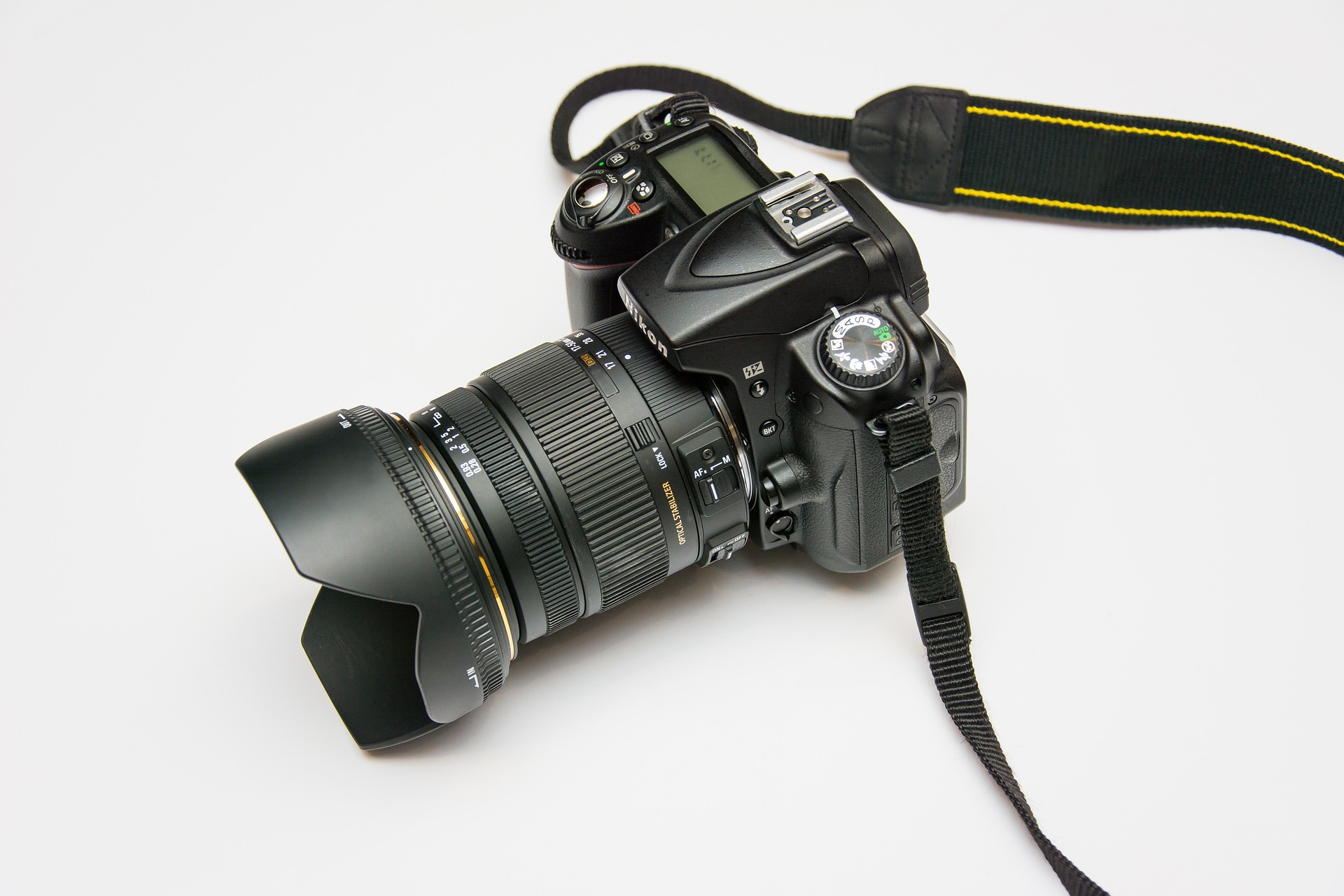
The camera body selection process in 2025 centers on understanding how mirrorless technology has fundamentally transformed professional photography standards. Modern mirrorless systems deliver superior AI-powered features including real-time subject tracking, computational photography capabilities, and advanced in-body image stabilization that surpasses traditional DSLR performance metrics. These technological advances represent more than incremental improvements; they constitute a paradigm shift toward intelligent imaging systems that adapt to shooting conditions automatically.
Mirrorless dominance in 2025 stems from significant advantages in size, weight, and electronic viewfinder technology. Electronic viewfinders now offer 4K resolution with zero lag, providing accurate exposure previews and focus peaking that enhance shooting precision. Battery life concerns that previously favored DSLRs have been largely resolved through improved power management and USB-C charging capabilities that support extended shooting sessions. The elimination of mirror mechanisms reduces camera vibration and enables silent shooting modes essential for wildlife, wedding, and documentary photography.
DSLR systems maintain relevance in specific professional applications where optical viewfinders provide advantages in bright conditions and battery life remains critical for extended field work. However, lens development has shifted decisively toward mirrorless mounts, with manufacturers investing primarily in mirrorless-compatible optics. This trend indicates that DSLR systems represent mature technology with limited future development potential.
Budget-Friendly Entry-Level Options ($300-$800)
Entry-level mirrorless cameras in 2025 offer remarkable value through advanced autofocus systems and 4K video capabilities previously reserved for professional models. The Sony A6100 and Canon EOS M50 Mark II provide excellent starting points with comprehensive feature sets including flip-out screens, built-in Wi-Fi, and extensive manual controls. These cameras support interchangeable lens systems that enable gradual kit expansion as skills develop.
Crop sensor advantages in entry-level cameras include extended telephoto reach and reduced overall system weight. The 1.5x or 1.6x crop factor effectively increases focal length, making wildlife and sports photography more accessible with affordable telephoto lenses. Image quality from modern APS-C sensors rivals full-frame performance from previous generations, particularly in good lighting conditions.
Mid-Range Professional Features ($800-$2,000)
Mid-range cameras represent the sweet spot for serious photographers seeking professional capabilities without flagship pricing. The Sony A7 IV and Canon EOS R6 Mark II deliver full-frame sensors with advanced autofocus systems, dual memory card slots, and weather sealing suitable for professional use. These cameras feature high-resolution electronic viewfinders, articulating touchscreens, and comprehensive video specifications including 4K recording with minimal crop factors.
Professional features in this category include advanced metering systems, customizable controls, and extensive lens compatibility through native and adapted mounts. In-body image stabilization provides up to 8 stops of compensation, enabling handheld shooting in challenging conditions. Battery life improvements deliver 400-600 shots per charge, addressing previous mirrorless limitations.
High-End Investment Cameras ($2,000+)
Professional cameras in 2025 incorporate cutting-edge sensor technology with resolution options ranging from 24MP for speed-optimized sports photography to 61MP for detailed commercial work. The Sony A7R V and Canon EOS R5 represent flagship capabilities with advanced computational photography features, professional video specifications, and robust build quality designed for demanding commercial applications.
B2B bulk purchasing arrangements provide significant advantages for photography businesses investing in multiple camera systems. Volume discounts typically range from 10-25% depending on order quantity, with additional benefits including extended warranties, priority repair services, and equipment replacement programs. Educational institutions and rental companies often qualify for specialized pricing structures that improve return on investment calculations.
Brand ecosystem considerations become critical at professional levels where lens investments often exceed camera body costs. Canon, Sony, and Nikon offer comprehensive lens lineups with consistent color science and seamless integration. Third-party manufacturers like Sigma and Tamron provide cost-effective alternatives while maintaining compatibility with professional autofocus and stabilization systems.
Tool #2: Primary Lens - Standard Zoom Lens Selection Strategy
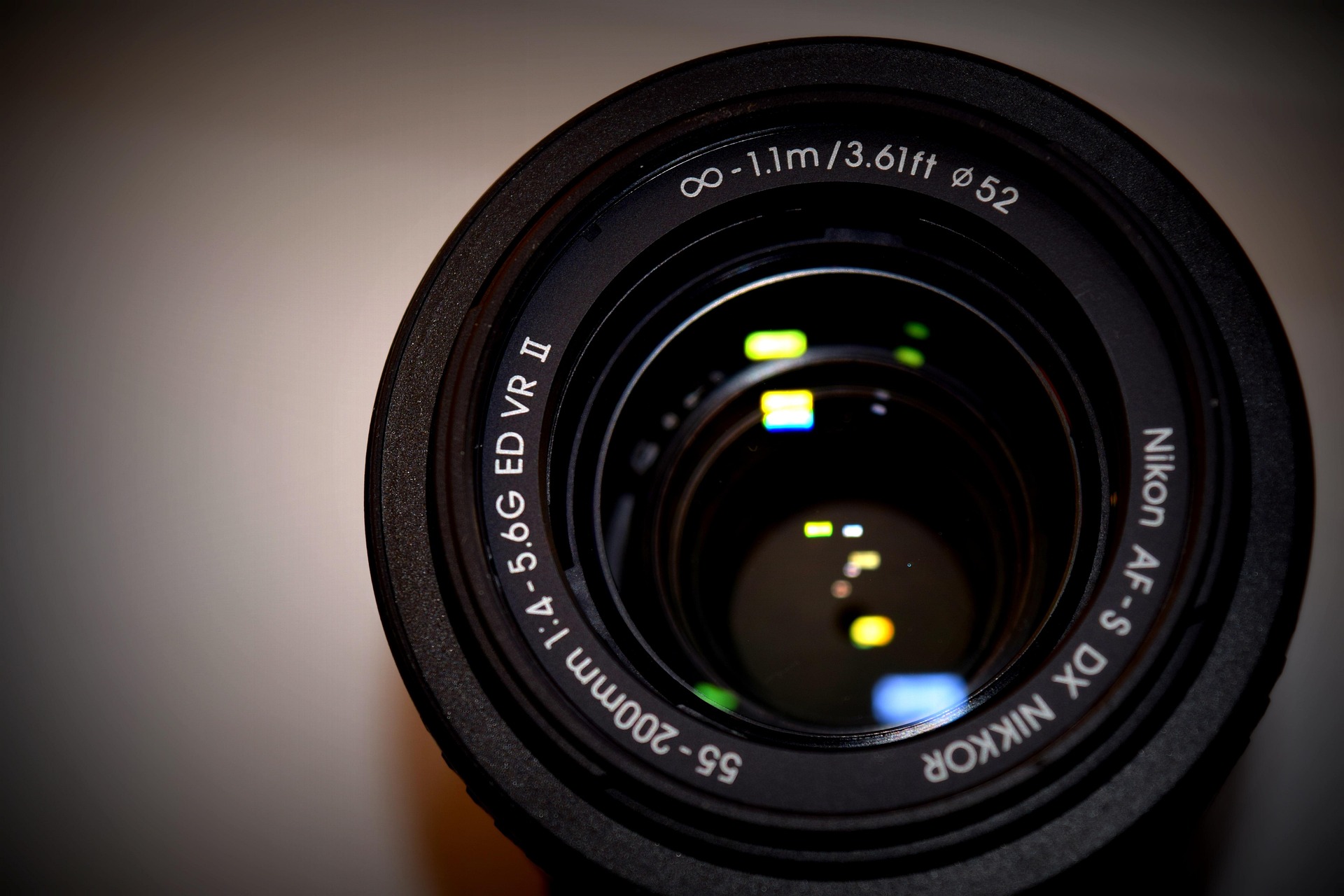
Standard zoom lenses serve as the foundation of most photography kits, providing versatile focal length coverage that handles diverse shooting scenarios without frequent lens changes. The 24-70mm focal range has become the industry standard for professional work, offering wide-angle capabilities for environmental portraits and landscapes while extending to short telephoto lengths suitable for traditional portraiture and detail work.
Focal range versatility in standard zoom lenses eliminates the need for multiple prime lenses in many situations. The 24mm wide-angle setting captures expansive scenes and group photographs, while the 70mm telephoto setting provides flattering compression for individual portraits. This range covers approximately 80% of typical photography situations, making it an essential first lens purchase for photographers building comprehensive kits.
Aperture considerations significantly impact lens performance and versatility. Constant f/2.8 apertures throughout the zoom range provide consistent exposure settings and superior low-light performance compared to variable aperture kit lenses. The wider aperture enables better background separation and faster shutter speeds in challenging lighting conditions. However, f/2.8 lenses are substantially larger and heavier than variable aperture alternatives, requiring careful consideration of portability requirements.
Image stabilization technology in 2025 combines lens-based and in-body systems for maximum effectiveness. Dual stabilization systems can provide up to 8 stops of shake reduction, enabling handheld photography in extremely low light conditions. This technology particularly benefits video recording, where smooth footage requires effective stabilization across the entire zoom range.
Third-party lens manufacturers have significantly improved quality and compatibility in recent years. Sigma and Tamron offer excellent alternatives to original manufacturer lenses, often providing superior optical performance at lower prices. These lenses typically include modern features like weather sealing, fast autofocus motors, and comprehensive electronic communication with camera bodies.
Crop sensor compatibility affects focal length calculations and lens selection strategies. On APS-C cameras, a 24-70mm lens provides equivalent coverage to 36-105mm on full-frame systems, shifting the range toward telephoto applications. This multiplication factor can be advantageous for portrait and wildlife photography but may limit wide-angle capabilities for landscape work.
Professional photographers often maintain multiple standard zoom lenses for different applications. A lightweight f/4 version for travel and casual shooting complements a heavier f/2.8 version for professional assignments. This dual approach balances portability with performance while providing backup equipment for critical shoots.
Tool #3: Portrait Lens - Prime Lens for Portrait Photography

Prime lenses designed for portrait photography offer superior optical quality and wider maximum apertures compared to zoom lenses, making them essential tools for professional people photography. The choice between 50mm and 85mm focal lengths depends on working distance preferences and desired compression characteristics, with each offering distinct advantages for different portrait styles.
50mm lenses provide natural perspective that closely matches human vision, making them versatile for environmental portraits and documentary-style photography. The moderate focal length allows comfortable working distances while maintaining intimate connection with subjects. Modern 50mm f/1.8 lenses offer exceptional value, delivering professional image quality at accessible prices. The wider field of view accommodates full-body portraits and group shots while still providing excellent background separation.
85mm lenses excel in traditional portraiture through flattering compression and increased working distance that helps subjects feel more comfortable. The longer focal length compresses facial features naturally while providing superior background separation even at moderate apertures. Professional 85mm f/1.4 lenses create stunning bokeh quality that isolates subjects dramatically from their surroundings.
Prime lens advantages extend beyond aperture capabilities to include superior optical design optimized for specific focal lengths. Fixed focal length construction allows engineers to minimize optical compromises, resulting in sharper images with better contrast and color rendition. The wider maximum apertures (f/1.4, f/1.8) enable shooting in challenging lighting conditions while providing creative depth of field control.
Budget versus professional lens options present significant performance differences that justify higher investments for serious portrait work. Entry-level f/1.8 versions provide excellent optical quality for most applications, while professional f/1.4 versions offer superior build quality, weather sealing, and slightly better optical performance. The price difference often reflects construction quality and reliability rather than dramatic optical improvements.
Tool #4: Tripod - Critical Support Equipment for Stability

Tripod selection significantly impacts image quality through vibration reduction and precise camera positioning capabilities. Modern tripods incorporate advanced materials and engineering that balance stability with portability, addressing the fundamental challenge of supporting increasingly sophisticated camera systems while maintaining reasonable weight for field use.
Material comparison between carbon fiber and aluminum construction affects both performance and cost considerations. Carbon fiber tripods provide superior vibration damping characteristics and weigh approximately 40% less than equivalent aluminum models. The reduced weight becomes particularly important for travel photography and extended hiking sessions. However, carbon fiber construction costs 2-3 times more than aluminum alternatives, requiring careful cost-benefit analysis based on intended use patterns.
Load capacity specifications must exceed total camera and lens weight by significant margins to ensure adequate stability. Professional telephoto lenses can weigh 3-5 pounds, requiring tripods rated for 15-20 pound loads to provide stable support. Underestimating load requirements results in vibration issues that compromise image sharpness, particularly during long exposures or video recording.
Height adjustments should accommodate photographer stature while providing low-angle capabilities for creative perspectives. Tripods with leg angle adjustments offer greater versatility for uneven terrain and cramped spaces. Center column reversibility enables macro photography and unique angle possibilities that expand creative options beyond basic camera support.
Travel and Portable Tripod Solutions
Travel tripods prioritize compactness and weight reduction while maintaining adequate stability for most photography applications. Modern travel tripods fold to 12-16 inches while extending to 50-60 inches, making them suitable for airline carry-on requirements. Five-section leg designs achieve maximum compactness but may sacrifice some stability compared to three-section alternatives.
Quick-release mechanisms become essential for travel photography where setup speed affects shot opportunities. Arca-Swiss compatible systems provide universal mounting plate compatibility across different tripod brands and accessories. Twist-lock leg mechanisms generally provide more secure positioning than flip-lock alternatives, particularly important for extended shooting sessions.
Studio and Heavy-Duty Support Systems
Studio tripods emphasize maximum stability and precise adjustments over portability concerns. Heavy-duty aluminum or steel construction provides rock-solid support for large camera systems and studio lighting equipment. Geared heads enable precise positioning adjustments essential for product photography and architectural work where exact framing is critical.
Professional studio tripods often incorporate specialized features like reversible center columns, adjustable leg angles, and accessory mounting points. These features support complex lighting setups and enable precise camera positioning for technical photography applications. Investment in professional support systems pays dividends through improved image quality and enhanced workflow efficiency.
Tool #5: Memory Cards - High-Speed Storage Solutions

Memory card selection directly impacts camera performance through write speed capabilities that affect burst photography, video recording, and overall workflow efficiency. Modern cameras generate increasingly large file sizes that demand high-performance storage solutions to maintain optimal shooting capabilities without buffer limitations.
Speed class requirements have evolved significantly with 4K and 8K video capabilities becoming standard features. V30 speed class cards support 4K video recording at standard frame rates, while V60 and V90 specifications accommodate high frame rate recording and professional video applications. Understanding these specifications prevents recording interruptions and ensures consistent performance during critical shooting situations.
Card type compatibility varies significantly between camera manufacturers and models. SD cards remain most common in consumer and prosumer cameras, while CFexpress and XQD formats appear in professional models requiring maximum performance. Some cameras feature dual card slots supporting different formats, providing flexibility and backup options during important shoots.
Capacity planning requires balancing storage needs with cost considerations and backup strategies. RAW files from modern high-resolution cameras can exceed 50MB each, making 64GB cards insufficient for extended shooting sessions. Professional photographers typically use 128GB or 256GB cards to minimize card changes while maintaining manageable file organization.
Brand reliability becomes critical when storing irreplaceable images from important events or commercial assignments. Professional-grade cards from established manufacturers offer superior reliability and often include data recovery services. The modest price premium for professional cards provides valuable insurance against data loss that could result in significant financial and reputational damage.
Tool #6: Camera Batteries - Power Management Systems
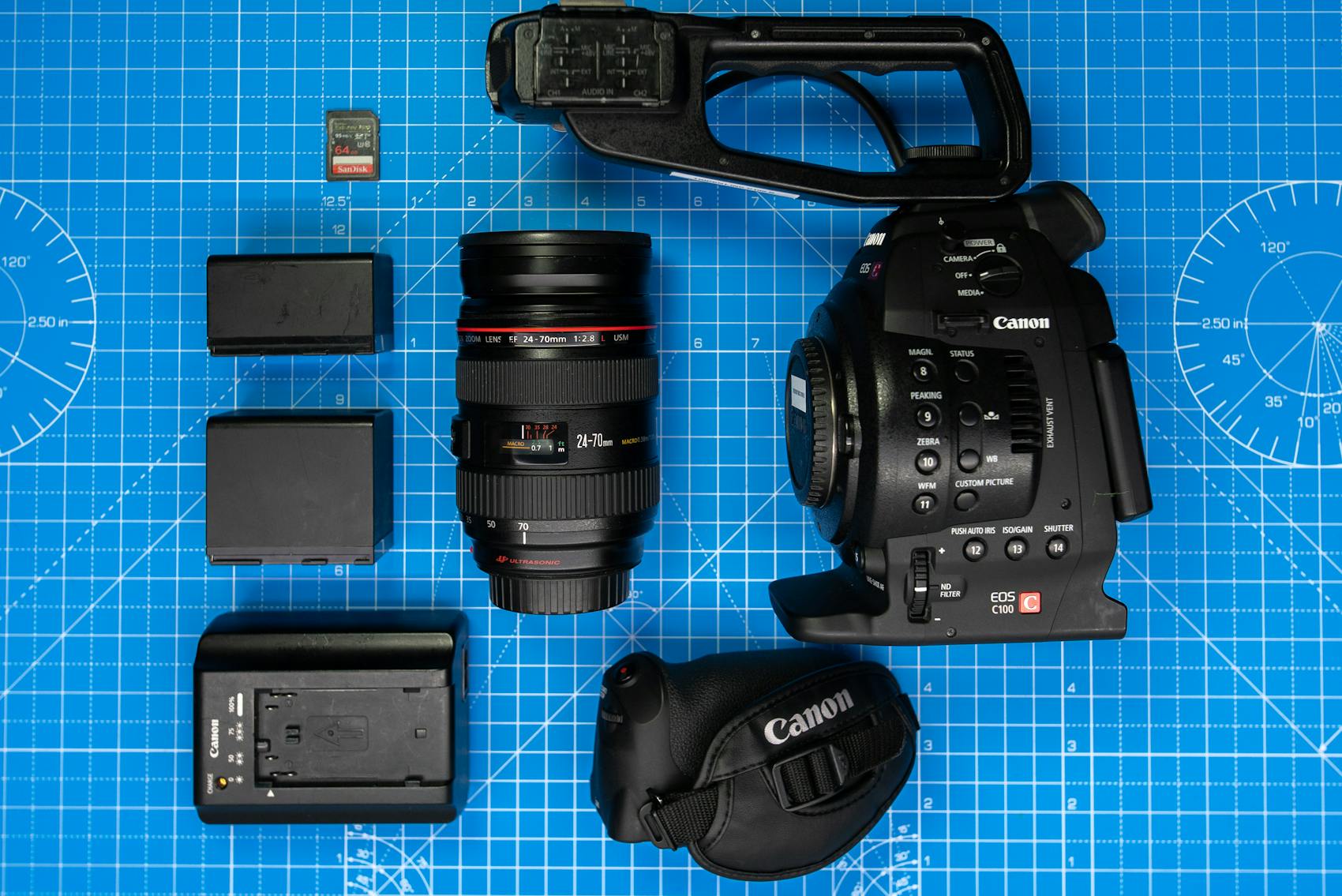
Battery management strategies significantly impact shooting capabilities and workflow efficiency, particularly for photographers working in remote locations or during extended events. Modern mirrorless cameras have improved battery efficiency substantially, but power management remains a critical consideration for professional applications.
Original manufacturer batteries typically provide superior performance and reliability compared to third-party alternatives. OEM batteries undergo extensive testing with specific camera models and include safety features that protect expensive camera electronics. While third-party batteries cost significantly less, potential compatibility issues and reduced reliability may create problems during critical shooting situations.
Battery life optimization involves understanding power consumption patterns and adjusting camera settings accordingly. Electronic viewfinder usage, image stabilization, and wireless connectivity features significantly impact battery drain. Professional photographers develop power management strategies including backup battery rotation and external power bank compatibility for extended shooting sessions.
Charging solutions have evolved to include USB-C charging capabilities that enable power bank compatibility and simplified travel charging. External chargers allow simultaneous charging of multiple batteries while cameras remain operational. Some professional cameras support external power adapters for studio work where continuous power is available.
Environmental factors substantially affect battery performance, with cold temperatures reducing capacity by 20-40%. Professional photographers working in challenging conditions maintain batteries at body temperature and carry additional backup units to ensure consistent camera operation throughout shooting sessions.
Tool #7: Camera Bag - Protection and Transportation Solutions
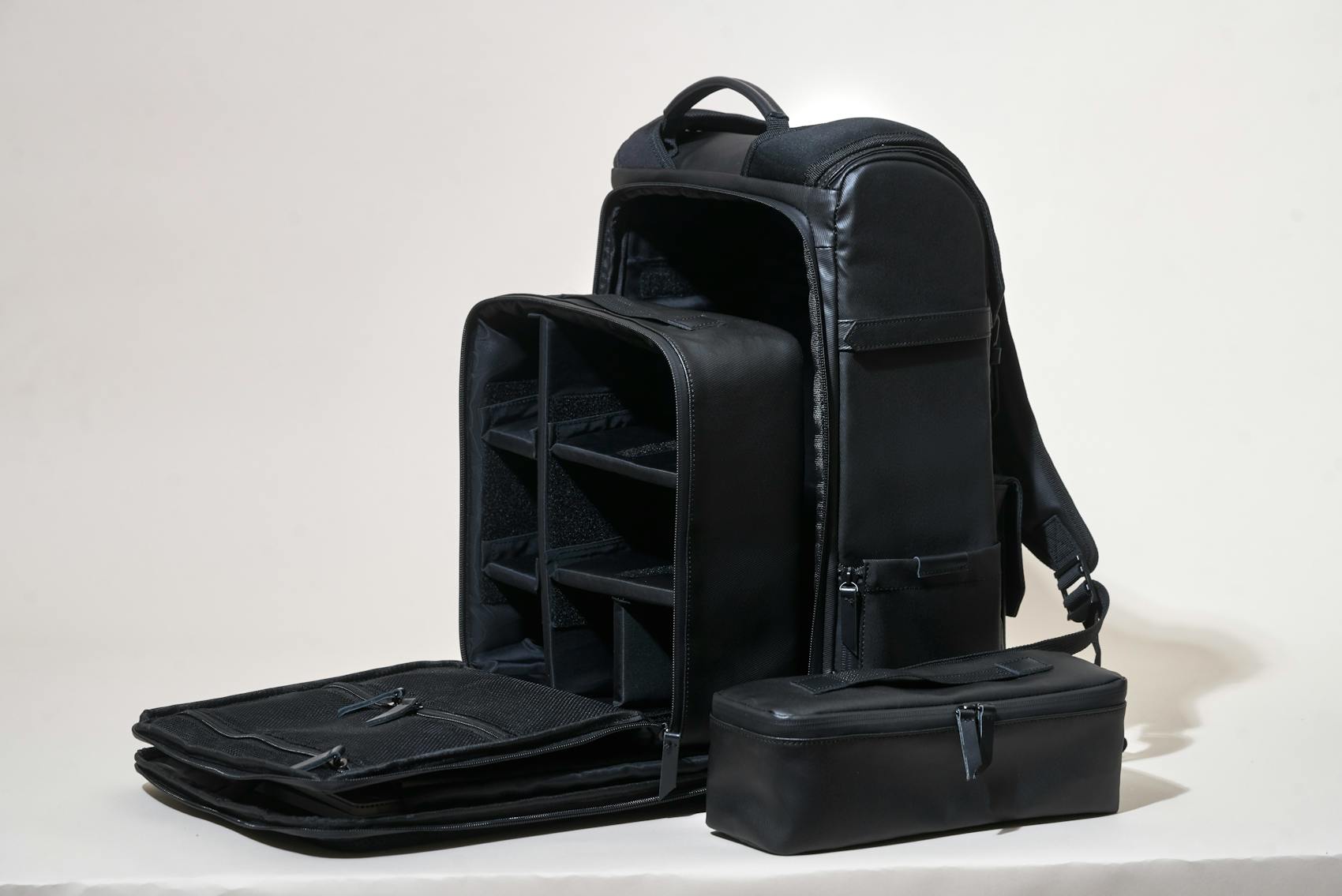
Camera bag selection balances equipment protection with accessibility and transportation convenience, requiring careful consideration of shooting style, equipment volume, and travel requirements. Modern camera bags incorporate advanced materials and design features that provide superior protection while maintaining professional appearance and functionality.
Bag type selection depends on equipment volume and mobility requirements. Backpack designs distribute weight evenly and provide hands-free transportation for hiking and travel photography. Sling bags offer quick access to equipment while maintaining security and weather protection. Rolling cases accommodate large equipment collections but require smooth surfaces for effective transportation.
Weather protection capabilities vary significantly between bag designs and price points. Professional bags incorporate water-resistant materials, sealed zippers, and rain covers that protect expensive equipment in challenging conditions. Some bags feature removable camera inserts that enable conversion between photography and general travel use.
Camera Bags and Carrying Solutions
Camera backpacks designed for photography feature padded compartments, modular dividers, and quick-access panels that enable efficient equipment organization. Top-loading designs provide maximum security but slower access, while side-loading options balance security with accessibility. Many professional bags include laptop compartments and organizational pockets for accessories and personal items.
Weight distribution becomes critical for extended carrying sessions. Padded shoulder straps, chest and waist belts, and ergonomic back panels reduce fatigue during long shooting days. Some bags feature removable camera sections that convert to general backpacks for non-photography activities.
Weather Protection and Environmental Gear
Extreme weather protection requires specialized bag designs with enhanced sealing and durable materials. Some professional bags meet military specifications for dust and water resistance, providing confidence in challenging environmental conditions. Integrated rain covers and sealed storage compartments protect equipment during unexpected weather changes.
Security features including lockable zippers, hidden pockets, and anti-theft designs provide protection in crowded areas and during travel. Some bags incorporate RFID blocking materials and concealed storage for valuable items beyond photography equipment.
Tool #8: External Flash - Portable Lighting Solutions
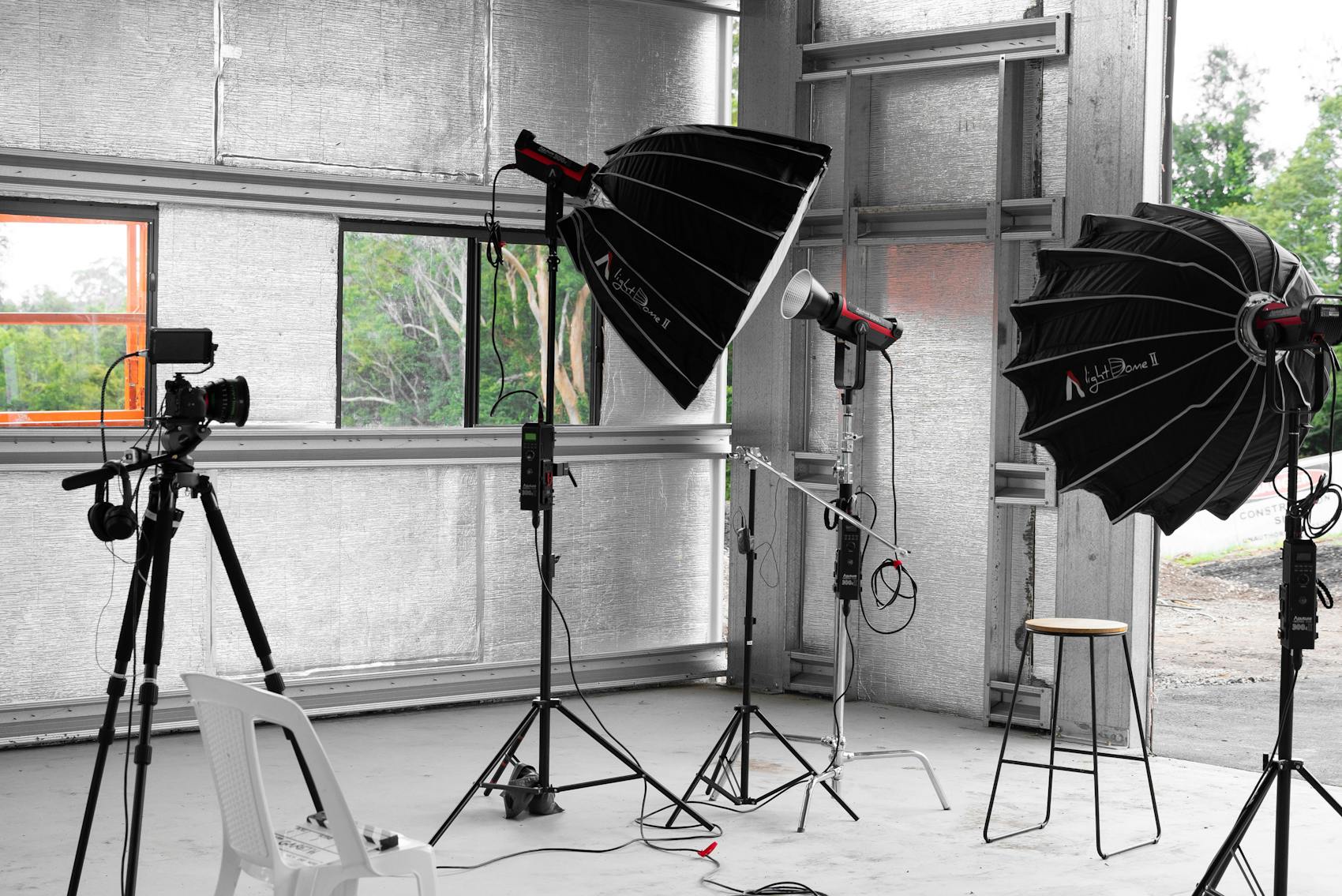
External flash systems provide creative lighting control that transforms photography capabilities beyond available light limitations. Modern speedlight technology incorporates advanced metering systems, wireless connectivity, and powerful output that rivals studio lighting equipment while maintaining portability for location work.
Speedlight versus studio flash comparison reveals distinct advantages for different applications. Speedlights offer battery power, compact size, and quick setup for location photography. Studio flashes provide higher power output, faster recycling times, and AC power for extended shooting sessions. Many photographers maintain both systems to address different shooting requirements effectively.
TTL (Through The Lens) metering automation simplifies flash photography by automatically calculating appropriate power output based on camera settings and subject distance. Modern TTL systems account for bounce flash, diffusion, and multiple flash setups while maintaining exposure accuracy. Manual control options provide creative flexibility for photographers who prefer precise power management.
Flash modifiers significantly expand creative possibilities through light quality control. Diffusers soften harsh direct flash for flattering portrait lighting. Bounce cards redirect light for natural-looking illumination. Softboxes and umbrellas create professional studio lighting effects with portable equipment.
Portable Flash and Speedlight Systems
Modern speedlights incorporate advanced features including high-speed sync, rear curtain sync, and stroboscopic modes that enable creative techniques previously requiring studio equipment. High-speed sync allows flash use with fast shutter speeds for shallow depth of field in bright conditions. Rear curtain sync creates motion blur effects with sharp flash-frozen subjects.
Wireless triggering systems enable complex multi-flash setups without cable connections. Radio triggers provide reliable communication over extended distances and through obstacles. Some camera systems include built-in wireless flash control that simplifies setup and provides real-time power adjustments.
Light Modifiers and Accessories
Professional light modifiers transform harsh speedlight output into flattering, controllable illumination. Softboxes create even, diffused light suitable for portrait photography. Snoots concentrate light for accent lighting and background separation. Color gels enable creative color effects and color temperature matching with ambient light sources.
Mounting systems including light stands, brackets, and clamps provide positioning flexibility for creative lighting setups. Some modifiers incorporate quick-release mechanisms that enable rapid setup changes during dynamic shooting situations.
Tool #9: Lens Filters - Image Enhancement and Protection

Lens filters serve dual purposes of equipment protection and image enhancement, with modern filter technology providing minimal impact on optical quality while delivering significant creative and protective benefits. Understanding filter types and applications enables photographers to make informed decisions about which filters provide value for their specific shooting styles.
UV filter protection remains controversial in digital photography, with opinions divided between lens protection advocates and image quality purists. Modern digital sensors are less sensitive to UV radiation than film, reducing the technical need for UV filtration. However, UV filters provide valuable front element protection against scratches, dust, and moisture that could cause expensive lens damage.
Polarizing filters offer significant creative control through reflection reduction and color saturation enhancement. These filters prove particularly valuable for landscape photography where sky contrast and water surface reflections require management. Circular polarizing filters maintain autofocus and metering compatibility with modern cameras while providing maximum effect control through rotation.
Neutral density filters enable creative long exposure techniques by reducing light transmission without affecting color balance. These filters allow wider apertures in bright conditions and create motion blur effects in water and clouds. Variable neutral density filters provide adjustable light reduction but may introduce color casts and optical quality compromises compared to fixed density alternatives.
Filter systems present choices between screw-on circular filters and square filter holder systems. Circular filters offer simplicity and compact storage but require different sizes for various lens diameters. Square filter systems provide versatility across different lens sizes and enable graduated filter effects but require additional accessories and setup time.
Professional filter manufacturers like B+W, Hoya, and Lee Filters provide superior optical quality through multi-coating technology that minimizes reflections and maintains image contrast. These premium filters justify higher costs through optical performance that preserves lens quality while providing creative control.
Tool #10: External Hard Drive - Backup and Archive Storage

External storage solutions form the backbone of professional photography workflows, providing secure backup and archive capabilities that protect valuable image assets. Modern storage technology offers various options balancing capacity, speed, and reliability to meet different workflow requirements and budget constraints.
Storage technology comparison between HDD and SSD reveals distinct advantages for different applications. Traditional hard drives provide maximum capacity at lowest cost per gigabyte, making them ideal for long-term archive storage. Solid-state drives offer superior speed and durability but cost significantly more per unit of storage. Many photographers employ hybrid strategies using SSDs for active projects and HDDs for archive storage.
RAID systems provide data redundancy that protects against drive failures through automatic data duplication across multiple drives. RAID 1 configurations mirror data between two drives, providing immediate backup protection. More complex RAID configurations offer enhanced performance and redundancy but require technical expertise and additional hardware investment.
Portable versus desktop storage solutions address different workflow requirements. Portable drives enable field backup and client delivery while maintaining compact form factors. Desktop systems provide maximum capacity and performance for studio workflows but sacrifice portability. Some photographers maintain both systems for comprehensive coverage of different shooting scenarios.
Cloud integration strategies combine local storage with remote backup services for comprehensive data protection. Hybrid approaches enable immediate local access while providing off-site backup protection against catastrophic loss. However, large image files and limited upload bandwidth make cloud-only solutions impractical for most professional photographers.
Professional storage solutions often incorporate enterprise-grade drives designed for continuous operation and enhanced reliability. These drives cost more than consumer alternatives but provide superior longevity and warranty coverage that justifies higher investment for critical business applications.
Tool #11: Lens Cleaning Kit - Equipment Maintenance Essentials
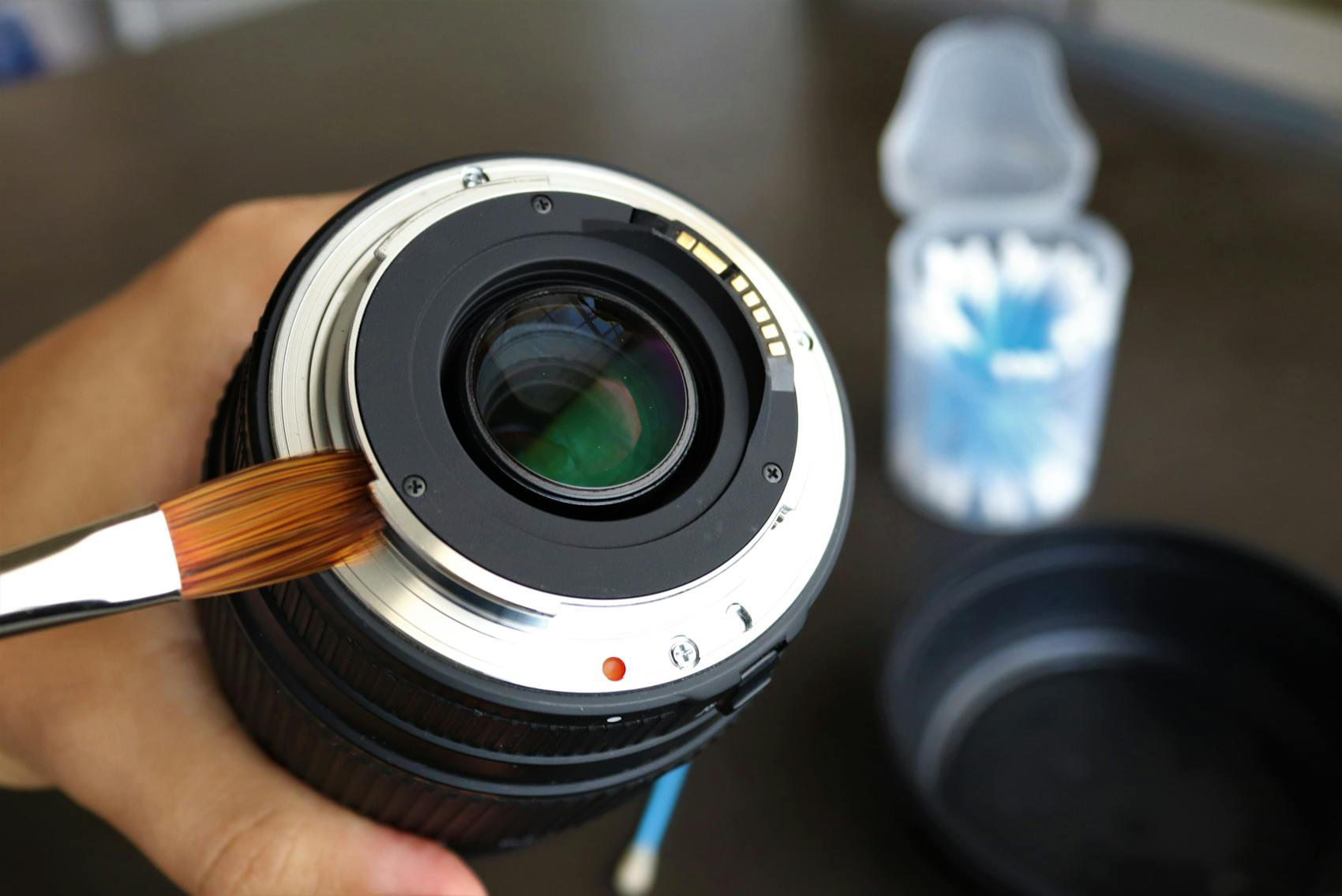
Proper equipment maintenance extends gear lifespan and maintains optimal performance through regular cleaning and preventive care. Professional cleaning kits include specialized tools and solutions designed specifically for camera equipment without risking damage to delicate optical coatings and electronic components.
Cleaning solutions must be formulated specifically for optical applications to avoid damage to lens coatings and camera sensors. Isopropyl alcohol-based cleaners provide effective cleaning without leaving residues that could affect image quality. Microfiber cloths designed for optical use prevent scratching while effectively removing dust and fingerprints from lens surfaces.
Sensor cleaning represents the most delicate maintenance task, requiring specialized tools and techniques to avoid expensive damage. Professional sensor cleaning swabs and solutions enable safe DIY maintenance, while some photographers prefer professional cleaning services for peace of mind. Understanding when sensor cleaning is necessary prevents unnecessary risk and maintains optimal image quality.
Preventive care strategies including proper storage, humidity control, and environmental protection prevent many maintenance issues before they occur. Silica gel packets in storage containers control moisture that could cause fungus growth. Lens caps and rear caps protect optical surfaces during storage and transportation.
Maintenance schedules should include regular cleaning intervals based on usage patterns and environmental conditions. Photographers working in dusty or humid conditions require more frequent cleaning than those working primarily in controlled environments. Professional maintenance services provide deep cleaning and calibration that extends equipment lifespan.
Tool #12: Remote Shutter Release - Precision Control Accessories
Remote shutter release systems eliminate camera shake during critical exposures while enabling creative techniques that require photographer positioning away from the camera. Modern remote systems incorporate advanced features including intervalometer functions, bulb mode control, and wireless connectivity that expand creative possibilities.
Remote control types include wired releases, wireless radio triggers, and smartphone applications that provide different levels of functionality and reliability. Wired releases offer simple operation and unlimited battery life but restrict photographer movement. Wireless systems provide freedom of movement but require battery management and may experience interference in crowded RF environments.
Intervalometer functions enable time-lapse photography through automated exposure sequences with precise timing control. Advanced intervalometers include ramping capabilities that gradually adjust exposure settings for sunrise/sunset time-lapse sequences. These features transform basic remote releases into powerful creative tools for specialized photography applications.
Camera-specific versus universal remote systems present compatibility and feature trade-offs. Camera-specific remotes often provide full feature integration including menu access and custom function control. Universal remotes offer cost savings and simplified inventory management but may lack advanced features specific to particular camera models.
Creative applications for remote releases extend beyond basic shake reduction to include self-portraits, wildlife photography, and long exposure techniques. Wildlife photographers use remotes to trigger cameras from concealed positions without disturbing subjects. Long exposure photographers rely on remotes for precise timing control during bulb mode exposures.
Tool #13: Photo Editing Software - Digital Workflow Solutions

Photo editing software selection significantly impacts workflow efficiency and creative capabilities, with modern applications offering comprehensive tools for RAW processing, color correction, and creative enhancement. Understanding software options enables photographers to choose solutions that match their skill level, workflow requirements, and budget constraints.
Adobe Lightroom remains the industry standard for RAW processing and photo organization, offering comprehensive tools for exposure correction, color grading, and batch processing. The subscription model provides regular updates and cloud synchronization but creates ongoing costs that may concern budget-conscious photographers. Lightroom's extensive preset ecosystem and third-party plugin support enhance creative possibilities.
Alternative software options including Capture One, Luminar, and ON1 Photo RAW provide competitive features often at lower costs than Adobe subscriptions. Capture One offers superior color science and tethering capabilities favored by commercial photographers. Luminar incorporates AI-powered tools that simplify complex editing tasks. ON1 provides comprehensive editing tools with one-time purchase pricing.
RAW processing capabilities vary significantly between software options, affecting image quality and creative control. Professional applications provide extensive tone curve control, color grading tools, and lens correction profiles that maximize image quality from RAW files. Understanding these differences helps photographers choose software that matches their quality requirements.
Subscription versus purchase models present different cost structures and feature access patterns. Adobe's subscription model provides continuous updates and cloud services but creates ongoing expenses. One-time purchase software offers cost predictability but may lack regular updates and cloud integration features.
Mobile integration capabilities enable on-the-go editing and social media publishing directly from smartphones and tablets. Adobe's mobile applications synchronize with desktop Lightroom for seamless workflow integration. Some photographers rely primarily on mobile editing for social media content while maintaining desktop applications for professional work.
Learning curve considerations affect software adoption and productivity. Lightroom's interface complexity may overwhelm beginners, while simplified applications sacrifice advanced features for ease of use. Many photographers benefit from starting with simpler software before advancing to professional applications as skills develop.
Tool #14: Computer/Laptop - Processing Hardware Requirements

Computer specifications directly impact photo editing performance and workflow efficiency, with modern high-resolution cameras generating files that demand substantial processing power and memory resources. Understanding hardware requirements enables informed purchasing decisions that balance performance needs with budget constraints.
Hardware specifications for photo editing prioritize CPU performance, RAM capacity, and graphics capabilities. Multi-core processors excel at batch processing and export operations, while single-core performance affects real-time editing responsiveness. 16GB RAM represents the minimum for serious photo editing, with 32GB or more recommended for high-resolution files and complex processing tasks.
Graphics card requirements vary depending on software utilization of GPU acceleration. Adobe applications increasingly leverage GPU processing for certain operations, making dedicated graphics cards valuable for performance enhancement. However, professional graphics cards designed for content creation often provide better value than gaming-oriented alternatives for photo editing applications.
Monitor considerations significantly impact editing accuracy and workflow efficiency. Color-accurate displays with wide color gamuts enable precise color correction and print preparation. 4K monitors provide detailed image viewing capabilities while accommodating complex software interfaces. Monitor calibration hardware ensures consistent color reproduction across different viewing conditions.
Storage solutions should prioritize speed for active projects while providing adequate capacity for archive storage. NVMe SSDs dramatically improve application loading times and file access speeds compared to traditional hard drives. Many photographers employ tiered storage strategies using fast SSDs for current projects and larger HDDs for archive storage.
Desktop versus laptop decisions balance performance capabilities with portability requirements. Desktop systems provide maximum performance per dollar and easier upgrade paths but sacrifice mobility. High-performance laptops enable location editing but cost significantly more than equivalent desktop systems while offering limited upgrade possibilities.
Future-proofing considerations include upgrade paths and evolving software requirements. Desktop systems generally offer better upgrade flexibility through component replacement. Understanding typical hardware lifecycles helps photographers plan replacement timing and budget allocation for technology investments.
Tool #15: Light Reflector - Natural Light Modification Tools
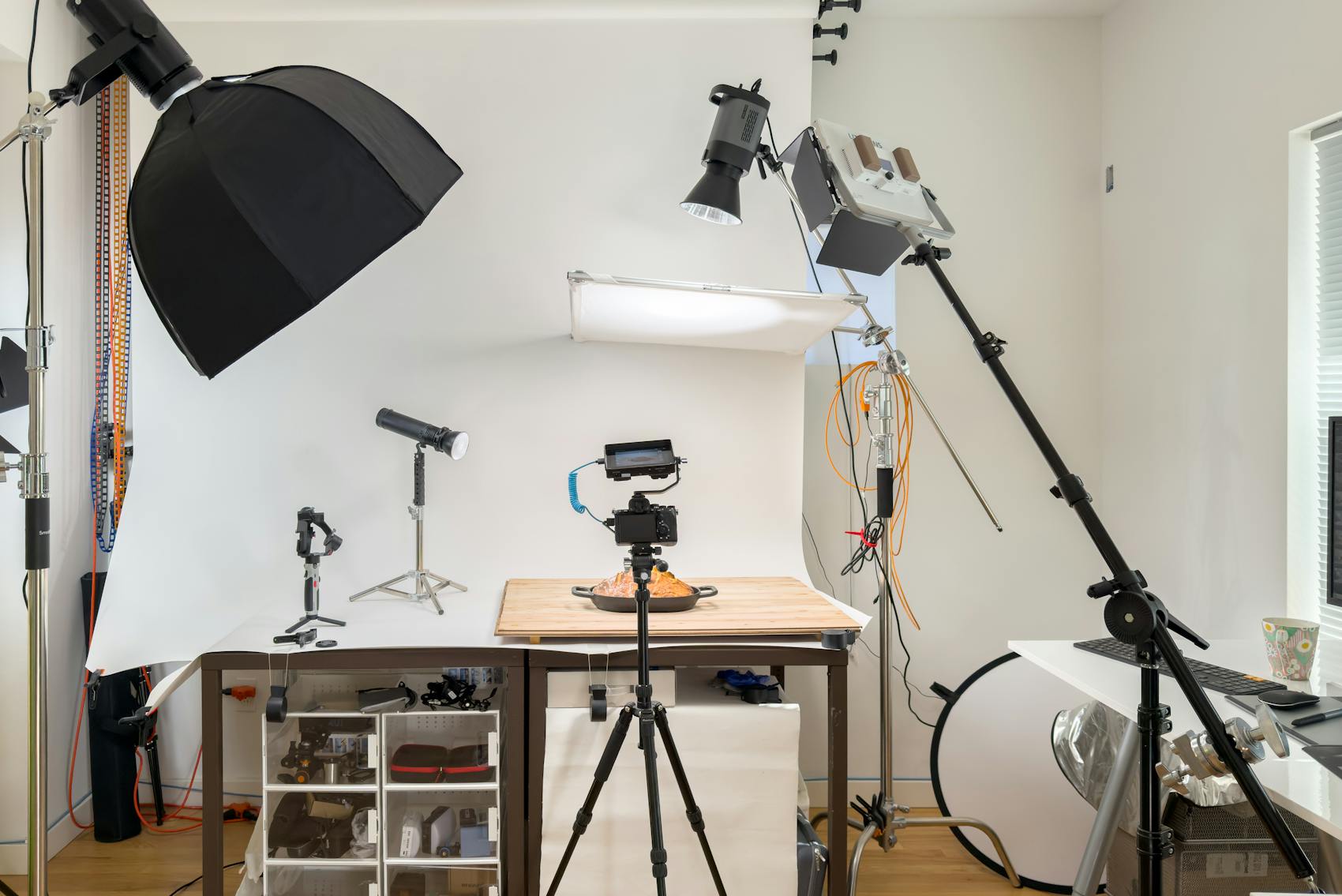
Light reflectors provide cost-effective light modification capabilities that enhance natural light photography without requiring complex lighting equipment or power sources. Understanding reflector types and positioning techniques enables photographers to create professional lighting effects using available light sources.
Reflector surface types create different lighting characteristics suited to various photographic applications. Silver surfaces provide maximum light output with slightly cooler color temperature, ideal for adding fill light in shadowed areas. Gold surfaces warm skin tones while providing strong fill light, particularly effective for portrait photography during golden hour conditions.
White reflectors offer neutral color temperature with softer light output compared to metallic surfaces. These reflectors provide natural-looking fill light that doesn't overpower ambient lighting conditions. Translucent reflectors function as diffusers when positioned between light sources and subjects, softening harsh direct sunlight for flattering portrait lighting.
Size and portability considerations balance light output with transportation convenience. Larger reflectors provide more even light coverage and stronger fill effects but require assistant handling or specialized mounting systems. Collapsible reflectors fold to compact sizes for easy transportation while expanding to useful working dimensions.
DIY alternatives enable budget-conscious photographers to achieve professional lighting effects using household materials. White foam core boards, aluminum foil, and white bedsheets can function as effective reflectors for indoor photography. While lacking the convenience and durability of professional reflectors, these alternatives provide learning opportunities and emergency solutions.
Positioning techniques significantly impact reflector effectiveness and lighting quality. Reflectors positioned close to subjects provide stronger fill light but may create obvious lighting effects. Distance and angle adjustments control light intensity and direction for natural-looking results. Understanding light physics enables predictable results and creative control over natural light modification.
Conclusion & Summary
Strategic photography equipment selection in 2025 requires balancing technological advancement with practical functionality and long-term value. The 15 essential tools outlined in this guide provide a comprehensive foundation for photographers at all skill levels, from entry-level enthusiasts to established professionals seeking to upgrade their capabilities.
Priority investment strategies should focus on camera body and primary lens selection first, as these components most significantly impact image quality and creative capabilities. Tripods, memory cards, and basic accessories follow as essential supporting equipment that enhances shooting reliability and workflow efficiency. Advanced tools like external flash systems, filters, and specialized software become valuable as skills develop and specific needs emerge.
Budget planning approaches benefit from phased acquisition strategies that spread costs over time while building comprehensive capabilities systematically. Entry-level photographers can achieve professional results with carefully selected mid-range equipment, while established professionals may justify premium investments through enhanced capabilities and business requirements.
B2B opportunities through wholesale purchasing, bulk orders, and supplier relationships provide significant cost advantages for photography businesses, educational institutions, and rental companies. These commercial arrangements often include extended warranties, priority support, and customized equipment packages that improve return on investment calculations.
The 2025 photography equipment landscape emphasizes sustainability, connectivity, and intelligent automation that enhances creative capabilities while simplifying technical complexity. Understanding these trends enables informed purchasing decisions that provide long-term value and competitive advantages in an evolving industry.

