Download App
Better Online and Trade Show Sourcing Experiences.Scan the QR code to download.
Learn More
Hot Topics
by Melanie Victoriano (Content Editor)
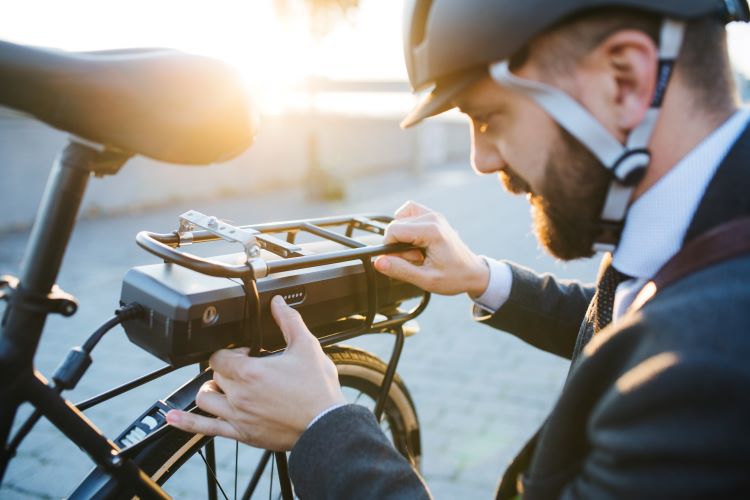
Image source: Getty
As electric bikes gain popularity amid the micromobility trend to mitigate climate change risks around the world, a key component of e-bikes – the battery or battery pack – is on the rise in the market as well. Valued at $8.75 billion in 2021, the electric bike battery market is forecast to grow at a 13.33 percent CAGR from 2022 to reach $18.53 billion by 2027, according to data from Research and Markets.
The battery is one of the most crucial parts of an e-bike because it determines the bicycle’s range (the distance the bike can go before needing to be recharged), its speed, what it can do, and how much it weighs.
The choice of battery is dependent on the type of e-bike or the riding style that the e-cyclist prefers. The more common e-bike types are recreational, city or commuter, fat-tire, hardtail, mountain and high-performance. There are also some high-capacity cargo bikes that can carry loads of up to 400lb.
Batteries available in the market for different e-bike types come in the following sizes: 12V, 24V, 36V, 48V, 52V, and 72V. Some countries have rules on what are considered legal electric bike kits with batteries.
The short answer is no, because there are a number of differentiators for e-bike batteries.
The first differentiator is their chemistry, or what elements make up their cells. Technical differentiators are size or voltage (measured in volts, V), capacity (measured in ampere hours, Ah) and power (measured in watt hours, Wh). Other things that make batteries different from one another are weight, charging method and charging time.
The size of an electric bike battery is usually determined by its voltage rating (V). This ranges from 36V to 72V.
Battery capacity is measured in ampere hours (Ah), with an ampere being a unit of electrical charge. The typical range is from 4Ah to 20Ah. A battery of 15Ah can discharge 1.5A for 10 hours continuously or discharge 15A in one hour. Capacities from 4Ah to below 10Ah are used for lighter and smaller e-bikes, including folding ones. Batteries from 10Ah to 18Ah capacity are for mid-range bicycles, and those closer to 20Ah or more are for high-end models.
Watt hours (Wh) is the measure of power output from an e-bike. It indicates how long and how far an e-bike can go on one full charge of its battery.
Weight is another differentiator, with lower-voltage batteries generally being smaller and lighter. For example, a 36V battery may weigh 5lb, while a 72V variant would be 24lbs.
Batteries are priced differently depending on their chemistry and output. Prices range between sub-$200 and $900.
Charging time and charging method also make batteries different from one another. Charging time is dependent on the type of charger used and can be as short as three hours to as long as six hours.
In terms of charging method, some batteries are in form factors that can be removed from the e-bike so they can be charged conveniently indoors. Others, however, are built-in and can be charged only if the entire e-bike can be plugged to charging station, which is usually outdoors.
Many riders consider watt hours to be the key metric as it is the power number. It expresses the amount of energy packed inside the battery pack that can be used to power the e-bike’s motor. This provides an indication of how long the battery will last on one full charge and the range (distance) that the rider can get on their e-bike.
Watt hours is the number to look for in battery specifications, but if it’s not clearly stated, one can compute it by multiplying the battery voltage by capacity (V x Ah). For example, a 48V battery with 14Ah capacity will have 672Wh power.
The higher the Wh, the longer the range of an e-bike, in general. However, the range will also be affected by the speed of travel, such that the faster the rider goes, the shorter the range. Other factors that may affect range are the rider’s weight, how much the rider is pedaling, the aerodynamic drag of the rider and the bike, the type of terrain being traveled, and the efficiency of the bike’s motor drive system.
Electric bikes can be categorized from low- to high-end based on Wh and range. Low-end ones typically have batteries from 400 to 500Wh (range up to 12 miles or 20km), mid-range from 600 to 900Wh, and high-end closer to 1,000Wh (range from 30 miles or 48km).
When looking at battery specifications, one rule of thumb among e-bike riders to get a more realistic estimate of range is to subtract 15 percent from a manufacturer’s stated range, which some assume is a padded or idealized number.
If you’re looking for a longer range, choose a battery that has higher capacity (Ah). If you’re looking for more power, choose a battery that has higher voltage (V).
Two types of batteries for electric bikes dominate the market – lead acid and lithium-ion – with Li-ion having the larger share. This type of batteries powers about 90 percent of e-bikes in the market because they produce more power output for their weight than other types of batteries.
Lead acid batteries are heavier, have less power output, and take up to 10hrs to charge. However, their main advantage is that they are less costly to manufacture and therefore cheaper to buy for consumers.
In the past, besides lead acid and Li-ion, there were nickel-based batteries as well, namely nickel-cadmium (NiCd) and nickel-metal hydride (NiMH). E-bike battery packs with these formulas are going off-market due to their low power output as well as being relatively more expensive. In addition, nickel batteries are challenged by issues like environmental toxicity (particularly for cadmium) and lack of recycling possibilities.
Lithium-ion batteries are made using several different formulas. These are lithium-manganese (LMO), lithium-cobalt (LCO), lithium-ion polymer (LiPo) and lithium-iron phosphate (LiFePO4). A recent addition to the mix are lithium-titanate (LTO) e-bike batteries. Each variant offers advantages.
LMO, or spinel, batteries are durable and have good range levels. This battery type is currently used in some hybrid cars.
LCO packs are relatively light and are believed to have higher energy density than other lithium batteries.
LiPo do not contain any liquids and require less protective casing than other lithium batteries. Being liquid-free, they are said to be less vulnerable and provide more stability.
LiFePO4 operates across a wide temperature range and in various weather conditions. Its advantages include a longer life span, zero maintenance, extreme temperature operation and an ability to charge quickly.
LTO batteries offer faster charge times that conventional Li-ion batteries with nickel, manganese, aluminum, or cobalt oxides. According to Powermag, LTO batteries can be fully charged in 20 minutes, compared with the six to eight hours for other Li-ion packs. In addition, LTO are reportedly less prone to battery fires and can last up to 20 years. LTO packs have been in use for military applications but are now used to power electric vehicles like Mitsubishi’s i-MiEV, Honda’s Fit and Carrosserie Hess’ concept TOSA bus. Time and market penetration will tell if it is not just a temporarily trendy e-bike battery.
To be able to pick the best electric bike battery, you need to know, first of all, what you’d like your e-bike to do for you. How far do you want it to last on one charge? How much weight do you want it to carry? On what type of terrains are you going to use it for? Do you want offroad capability?
Battery size, weight and shape are three of the more important things to consider when deciding what battery to pick for one’s e-bike. It must not be too heavy that the bike is hard to ride or carry, and it must fit the battery compartment and look good on the bike as well, once installed.
For average riders (weight around 90kg) – who may go out for multiple rides a day, probably on errands or exercise, but rarely go more than 32km (about 20 miles) without stopping – a 36V 10ah battery pack with 360Wh of capacity would give a lightweight e-bike about 36 km of range (about 22 miles) from a full (100 percent) charge.
But if a rider needs an electric bike to carry groceries, children, or large pet dogs on terrain that includes uphill roads, then a stronger e-bike – maybe a cargo bike – is necessary and this means a stronger motor that needs more battery power.
In short, determine your needs for your type of e-bike and then, as experts from E-BikeKit advise, “get the lightest and smallest possible battery pack that will get the job done.”
In terms of battery chemistries, e-bike experts are in general agreement that lithium-ion packs are the best batteries for electric bikes.
The next two important things to consider in choosing the best or right battery for your e-bike are voltage and ampere ratings. Selecting the wrong voltage/ampere rating can damage your e-bike or cause a fire outburst.
You should only power your e-bike with a battery that has the voltage rating required to power it. If you use a battery with lower than the recommended voltage, there will not be enough power to run your bike’s motor. Using a battery pack with higher voltage, however, can damage the sensitive electrical parts of the motor system.
Amperes are the measure of the flow of current at a specific voltage. For e-bike users, amperes are a measure of torque. With more available amperes for your electric bike’s motor system, the higher the torque of an e-bike.
Torque, measured in newton meters (Nm), is the ability of the electric bike motor to rotate the rear wheel. It creates more force for the electric bike. Higher torque will create more acceleration and help an e-bike climb steep hills much easier. For lower-powered electric bikes, a common torque is 50Nm.
If volts are the “speed” in your e-bike, amperes are how fast your electric bike’s battery can deliver this speed. The more volts, the more speed. The higher the amperage rating, the more speed per second or per hour.
That said, choose a battery pack that has the voltage and amperage that has been recommended by the e-bike manufacturer so that the electric bike will perform optimally as it was designed.
The average e-bike battery can last between two and five years. However, LTO batteries are touted to last up to 20 years. But in general, battery life is dependent on the type of battery itself and how well it is maintained.
For Li-ion batteries, which are the most popular electric bike batteries in the market, you can extend your e-bike battery’s lifespan with proper care measures such as:
The size of battery that is best for your e-bike depends on what you want your bike to be capable of doing. And the “best battery” will also depend on the power of your e-bike motor.
As mentioned earlier, the size (V) of an e-bike’s battery is one of the factors of its power, which is measured in watt hours (or Wh). The higher the Wh number, the bigger the range (distance); but the faster you go, the less range you get. So, if a 504Wh battery paired with a 500W motor gives you one hour of ride time at the highest assist, riding at about half that power will double your range.
The battery is your electric bike’s fuel tank, so it determines your e-bike’s power, speed and range. The majority of battery packs for e-bikes these days are in the 36V to 48V range. This size of batteries provides modest power, speed and uphill climbing capability. If you want more than that, you may want 52V or larger batteries. Check applicable limits on what is the most powerful e-bike battery in your country or region, however, as some governments have adopted rules on e-bikes.
The best battery for an electric bike is one that is appropriate for it as recommended by the maker. This takes into consideration what type of bike it is and what it is intended for. A lightweight city bike’s design and performance capabilities are different from that of a cargo bike or an e-mountain bike, so what’s best for one will not be ideal for the other.
Key features to look at are: chemistry – choose a pack with the most thermal safety; energy density – check how much energy it can store compared to its weight and size (check the watt hours); and charging time – it must charge within a reasonable amount of time.
Besides the motor, an electric bike battery is usually the single most expensive component on an e-bike. If your e-bike purchase is going to be a long-term investment, think about how many kilometers you want to be riding on your e-bike. Typically, the range is reduced by 60 percent to 80 percent within two years’ time. If you want that range to continue for longer, then consider getting a battery in larger size, as long as it meets the bike’s specifications.
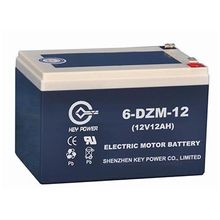
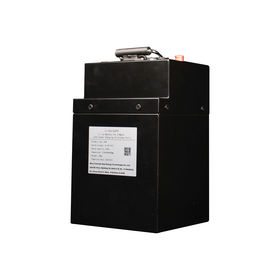
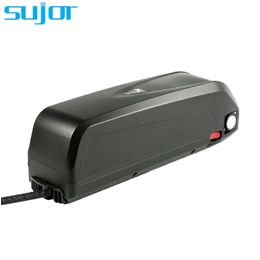
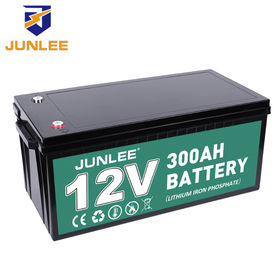
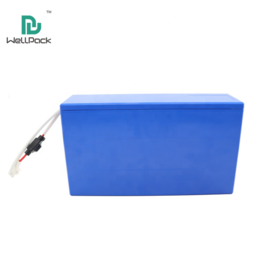
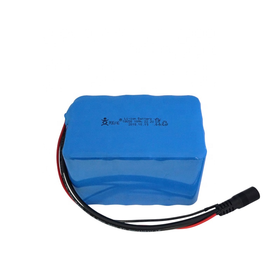
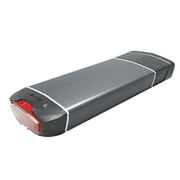
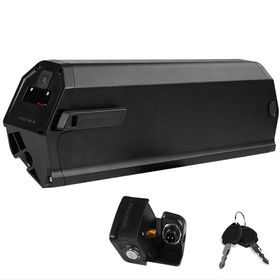
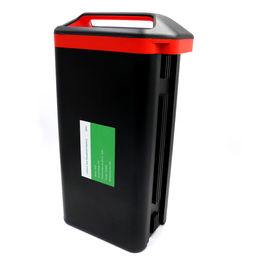
Here is a selection of electric bike batteries on offer from verified manufacturers and suppliers on Global Sources:
More Sourcing News
Read Also

关注 “环球资源外贸” 官方微信,获取实时外贸资讯
iOS & Android
iOS & Android(Mainland China)
Copyright © 2026 Publishers Representatives Limited. All rights reserved.