Download App
Better Online and Trade Show Sourcing Experiences.Scan the QR code to download.
Learn More
Hot Topics
Solar power banks are a great way to keep your devices charged while you're on the go, especially when you're backpacking. They're lightweight and portable, and they can be used to charge a variety of devices, including smartphones, tablets, and cameras.
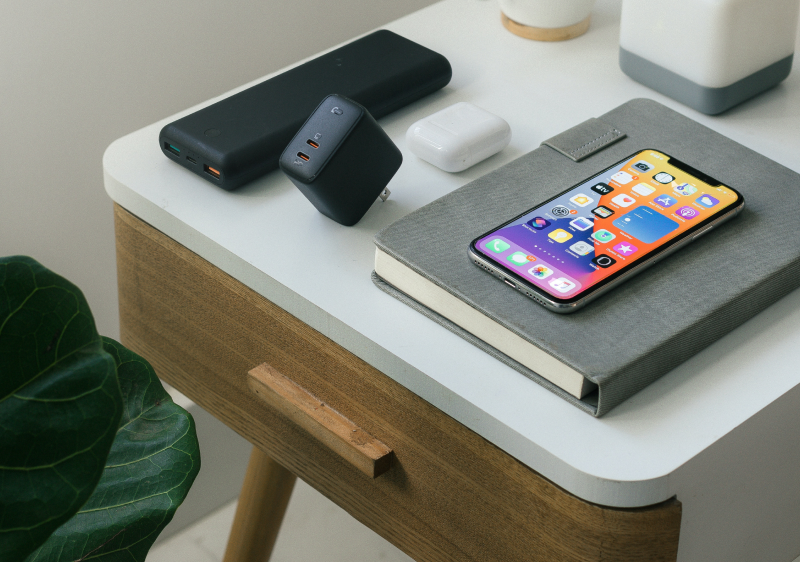
Here is a market analysis of solar power banks for backpackers, with sources:
The market for solar power banks designed for backpackers and outdoor adventurers has grown steadily in recent years. As consumers seek more sustainable energy options with reduced environmental impact, the appeal of solar-powered devices continues to rise. Recent technical improvements have made solar power banks lighter, smaller, and more efficient, catering to the needs of backpackers who value portability and performance.
According to Allied Market Research, the global solar energy storage market is projected to reach $243 billion by 2026, registering a CAGR of 20.5% from 2019 to 2026. Within this segment, portable solar power banks represent an increasingly popular category, especially among outdoor enthusiasts looking to stay charged off the grid.
A 2022 report from ResearchAndMarkets.com estimates the portable solar charger market will grow from $320.6 million in 2021 to over $700 million by 2028 at a CAGR of 12.2%. Key growth factors include consumer desire for eco-friendly products, demand for emergency preparedness, and improved product performance as lithium-ion batteries and high-efficiency solar panels get smaller and lighter.
Backpackers make up an important subset within the portable solar charger demographic. According to The Trek, a leading backpacking news site, over 65% of long-distance backpackers on the Appalachian Trail now carry some type of solar charging product. Reasons cited include reducing battery waste and keeping devices like GPS and phones powered up for days between towns. Top needs are lightweight design, durability, and sufficient capacity to recharge multiple devices.
To meet hikers' demand, companies like Anker, Hiluckey, and Nekteck now offer solar power banks with 10,000mAh to 30,000mAh capacity, integrated solar panels, rugged construction and outputs optimized for USB-powered devices. As solar absorption rates and battery capacities improve, backpackers gain more reliable off-grid power with less charging time and pack weight.
With portable solar power banks now able to meet most backpacking charging needs, the market outlook remains positive. As long as consumers continue seeking sustainable tech for outdoor adventures, growth seems assured in this eco-friendly segment.
Sources: 1. https://www.alliedmarketresearch.com/solar-energy-storage-market 2. https://www.researchandmarkets.com/reports/5529036/portable-solar-charger-market-growth-trends 3. https://thetrek.co/appalachian-trail/solar-charging-hiking-backpacking/ 4. https://www.nytimes.com/wirecutter/reviews/best-solar-chargers-and-power-banks/
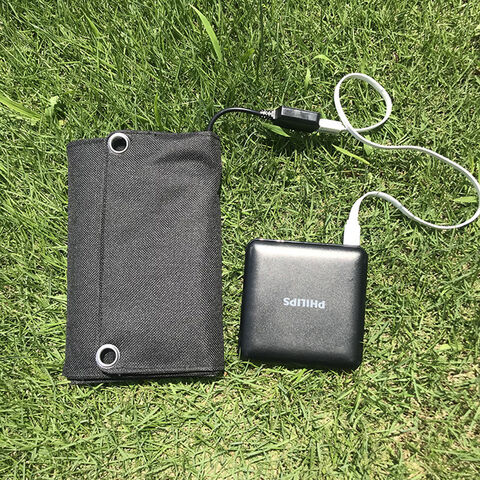
Top Selling Superior Quality Power Bank Cell 10w Portable Solar Panel Phone Charger
US$ 18 - 25
Global Sources is one of the leading B2B marketplaces connecting buyers worldwide with verified suppliers in China and Asia. When looking to source innovative solar power banks on Global Sources, I recommend the following:
Use the intelligent sourcing features on Global Sources to find suppliers manufacturing solar power banks that meet your requirements. Filter by capabilities, certifications, production volume, etc. Read supplier profiles carefully and evaluate based on capabilities, experience, and credibility. Shortlist 5-7 suppliers for further evaluation.
Inquire with your shortlisted suppliers about product specifications, minimum order quantities, production capacity, customization capabilities, quality control standards, packaging options, and pricing. Global Sources makes it easy to contact multiple suppliers directly.
Request free samples from 2-3 top suppliers to assess product quality firsthand. Review capacity, construction quality, solar efficiency and charging effectiveness. Select the supplier offering the best product quality/value ratio.
For large orders, consider an on-site visit to tour the factory and view operations. This builds trust and confidence in the supplier relationship. Global Sources can help arrange visits.
Place a small test order with your chosen supplier to evaluate their fulfillment, delivery time, packaging, responsiveness, and post-sale support. Re-order larger quantities from suppliers that meet expectations.
Once satisfied with product quality and service, negotiate for best pricing on bulk orders. Global Sources lets you compare multiple suppliers on price, MOQs, and capabilities. Leverage this for favorable long-term pricing.
Conduct periodic quality control checks and factory visits. Renegotiate pricing annually. Evaluate new Global Sources suppliers as backup options. Staying informed ensures a reliable supply chain.

Wholesale high quality super large capacity 20000mah solar power bank wireless charging power banks
1000 Pieces Minimum order
By following these sourcing best practices on Global Sources, retailers and resellers can establish trustworthy supply relationships for solar power banks and other innovative consumer technologies. The platform makes it simple to connect with the ideal supplier for your needs.

There are a lot of different solar power banks on the market, so it can be tough to decide which one is right for you. To help you out, we've put together a list of the 10 best solar power banks for backpacking.
The Anker PowerCore 20000 is a great all-around solar power bank. It's lightweight and compact, and it has a capacity of 20,000mAh, which is enough to charge most smartphones multiple times. It also has two USB ports, so you can charge two devices at once.
The Jackery SolarSaga 60W is a great option if you're looking for a solar power bank that can charge larger devices, like laptops. It has a power output of 60W, and it can charge most laptops in about 2-3 hours. It also folds up for easy storage and transportation.
The Goal Zero Nomad 7 is a great option if you're looking for a lightweight and portable solar panel. It weighs just 1 pound, and it has a power output of 7 watts. It's perfect for charging smartphones, tablets, and other small devices.
The RavPower Solar Charger 100W is a great option if you're looking for a powerful solar charger. It has a power output of 100W, and it can charge most laptops and other large devices. It also folds up for easy storage and transportation.
The InnoGear Solar Charger 21W is a great option if you're looking for a budget-friendly solar charger. It has a power output of 21W, and it can charge most smartphones and tablets. It also folds up for easy storage and transportation.
The Poweradd Solar Charger 28W is a great option if you're looking for a solar charger with multiple USB ports. It has two USB ports, so you can charge two devices at once. It also has a power output of 28W, which is enough to charge most smartphones and tablets.
The RAVPower Solar Charger 16W is a great option if you're looking for a lightweight and portable solar charger. It weighs just 0.6 pounds, and it has a power output of 16W. It's perfect for charging smartphones, tablets, and other small devices.
The Anker PowerPort Solar 21W is a great option if you're looking for a solar charger with a built-in kickstand. The kickstand allows you to prop up your phone or tablet while it's charging, which is great for watching videos or reading e-books.
The Goal Zero Nomad 20 is a great option if you're looking for a durable and weatherproof solar panel. It's made from high-quality materials, and it can withstand even the harshest weather conditions.
The Imazing Solar Charger 15W is a great option if you're looking for a solar charger with a built-in flashlight. The flashlight is perfect for use in emergencies or when you're camping in the dark.
These are just a few of the many great solar power banks on the market. When choosing a solar power bank, be sure to consider your needs and budget. With so many great options to choose from, you're sure to find the perfect solar power bank for your next backpacking trip.
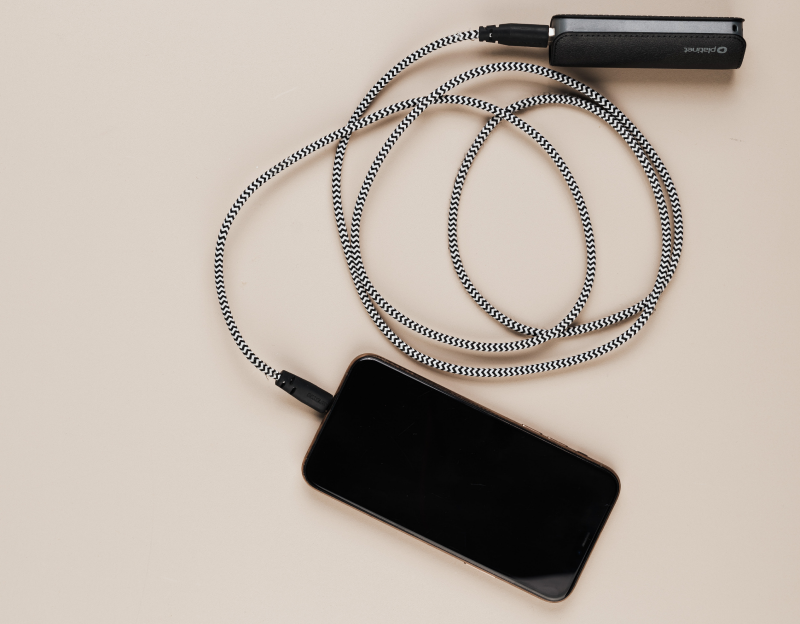
When backpacking, a solar charger has some advantages over a traditional power bank. The key benefit is that a solar panel can recharge itself indefinitely as long as there is sunlight, while a power bank has finite capacity before needing to be plugged into an outlet.
For longer backpacking trips of a week or more, a solar charger ensures you'll never run out of power if positioned correctly in the sun. Solar panels work well when hiking, camping, or any outdoor activities with sun exposure. Just a few hours of direct sunlight can fully recharge a solar power bank.
Solar chargers are also more sustainable and eco-friendly since they derive energy from the sun rather than relying on outlets. However, solar charging is slower and less reliable than wall charging. Cloudy days and dense shade can limit solar recharging capabilities.
Power banks generally offer higher capacity and faster charging of devices through USB ports. But they add weight to your backpack and will run out of juice at some point. Combining a solar panel with a power bank provides a good balance for off-grid power.
For multi-day backpacking in sunny locales, a solar charger is likely the better choice. But a power bank still offers value as a supplemental portable charger and for nighttime charging when solar isn't possible. The ideal solution may be taking both a solar panel and power bank when backpacking.
Yes, solar power banks are very travel-friendly and convenient to take on trips. They provide a lightweight, portable way to charge devices anywhere without relying on outlets.
Solar chargers are TSA-approved carry-on items, so they can be brought on airplanes. Be sure to check the capacity doesn't exceed the limit for batteries. When traveling internationally, verify any specific country regulations but solar panels are generally permitted worldwide.
The compact, foldable design of solar power banks allows them to fit in backpacks, purses and luggage. Charging capabilities work equally well overseas as at home, providing solar exposure is available.
Positioning the solar panels in a sunny spot, such as near a window or outdoors, enables charging smartphones, cameras, e-readers and more. This avoids fighting for outlet access in crowded airports, cafes, or shared accommodations.
For road trips, the solar charger can be left on the dashboard to soak up sun and charge devices in the car. Solar power banks work anywhere under the sun, making them ideal for travel to remote destinations with unreliable electricity.
With airplane, train, bus and car travel, solar chargers are convenient for on-the-go power. Travelers should research TSA rules on capacity limits, but can otherwise traverse the world powered by the sun.
Solar powered banks are generally worth the investment for the right user. For those who regularly go camping, hike, or spend time outdoors away from electrical outlets, a solar charger can provide renewable power indefinitely. They're extremely useful for off-grid activities.
The eco-friendly aspect of using the sun rather than outlets also makes solar banks worthwhile for environmentalists. Solar power reduces dependence on fossil fuels.
For international travel to rural or developing regions, solar power banks leverage the consistent sunshine and avoid unreliable local infrastructure. They provide piece of mind for keeping devices charged.
However, for primarily indoor use, solar banks are harder to justify. Traditional power banks offer faster charging and higher capacities at lower cost. Solar panels require ample direct sunlight, so they're not as convenient for everyday urban use.
Consider your lifestyle and needs. Solar power banks excel for outdoor use but come at a higher price. Determine if you'll be in sunny environments where solar charging potential is maximized regularly enough to warrant the investment over standard power banks.
Solar power banks provide renewable energy, but do have some limitations. The main disadvantage is reliance on sufficient direct sunlight for charging. Cloudy days or shade can severely limit solar recharging capabilities.
Solar panels take much longer to charge devices than wall outlets or power banks. Most solar chargers require nearly a full day in the sun to fully charge their internal batteries. Slow charging times is a tradeoff for sustainable energy.
Solar banks also tend to be lower capacity than traditional power banks. The largest solar chargers may store 20,000mAh, while power banks can exceed 30,000mAh. Faster charging USB-C ports are also less common on solar models.
Additionally, solar charging efficiency decreases over time as panels accumulate
More Sourcing News
Read Also

关注 “环球资源外贸” 官方微信,获取实时外贸资讯
iOS & Android
iOS & Android(Mainland China)
Copyright © 2026 Publishers Representatives Limited. All rights reserved.




