




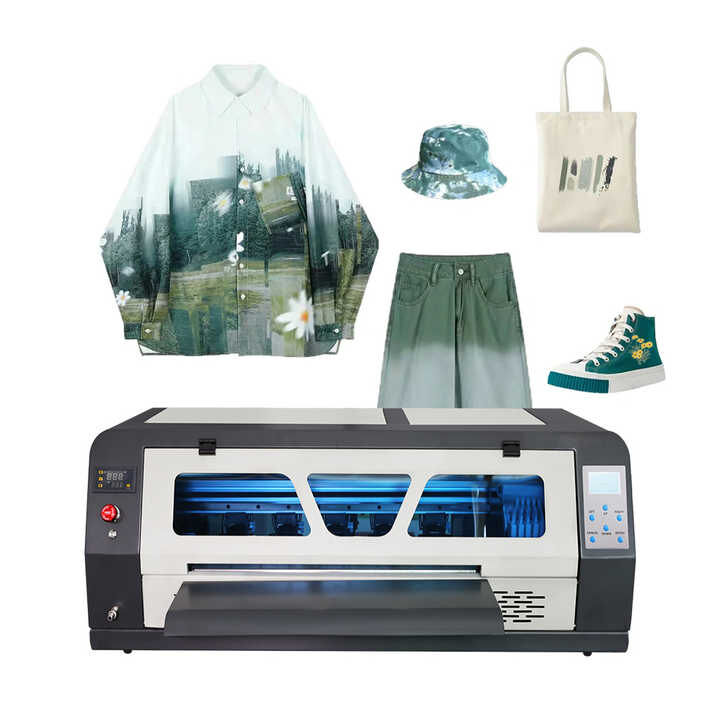
In today's fast-paced world, customization and personalization have become essential aspects of business success. The t-shirt printing industry is no exception, as it has witnessed a significant surge in demand for unique and creative designs. For small businesses looking to tap into this lucrative market, investing in a high-quality t-shirt printing machine is crucial. This comprehensive guide will walk you through the various aspects of selecting the best t-shirt printing machine for your small business, as well as provide insights into the different printing techniques and their benefits.
Table of Contents
Part 1. Types of T-Shirt Printing Machines
Part 2. Factors to Consider When Choosing a T-Shirt Printing Machine
Part 3. Popular T-Shirt Printing Machine Models for Small Businesses
Part 4. Which machine is best for shirt printing?
Part 5. Is the t-shirt printing business profitable?
Part 6. How much investment is required to start a t-shirt printing business?
Part 1. Types of T-Shirt Printing Machines
When it comes to t-shirt printing machines, there are several types available in the market, each with its unique features and benefits. Here are the most popular ones:
Screen Printing Machines
Screen printing is a traditional method that involves transferring ink through a mesh screen onto the fabric. This technique is suitable for bulk orders and provides vibrant and long-lasting prints. Screen printing machines can be manual or automatic, with the latter being more efficient and suitable for large-scale production.
Direct-to-Garment (DTG) Printers
DTG printers use inkjet technology to print designs directly onto the fabric. These machines are ideal for small businesses as they offer high-quality prints, a wide color range, and the ability to print intricate designs. However, they may not be as cost-effective for large orders.
Heat Press Machines
Heat press machines use heat and pressure to transfer pre-printed designs onto t-shirts. These machines are affordable, easy to use, and suitable for small businesses with limited space. However, they may not offer the same level of print quality as screen printing or DTG printers.
Sublimation Printers
Sublimation printing involves transferring designs onto a special paper, which is then heat-pressed onto the fabric. This technique is suitable for polyester-based materials and produces vibrant, long-lasting prints. Sublimation printers are versatile and can also be used for printing on mugs, phone cases, and other items.
Part 2. Factors to Consider When Choosing a T-Shirt Printing Machine
Budget
Your budget plays a crucial role in determining the type of t-shirt printing machine you should invest in. Screen printing machines can be more expensive but offer better print quality, while heat press machines are more affordable but may not provide the same level of detail.
Production Capacity
Consider your production needs when choosing a t-shirt printing machine. If you plan on handling large orders or scaling up your business in the future, investing in an automatic screen printing machine or a high-capacity DTG printer may be more suitable.
Print Quality
The quality of your prints is essential for customer satisfaction. DTG printers offer the best print quality with intricate designs and a wide color range, while screen printing machines provide vibrant and long-lasting prints.
Space Requirements
Consider the space available in your workspace when selecting a t-shirt printing machine. Heat press machines and smaller DTG printers are ideal for small businesses with limited space.
Part 3. Popular T-Shirt Printing Machine Models for Small Businesses
Brother GTXpro DTG Printer
The Brother GTXpro is a high-quality DTG printer designed for small businesses. It offers fast printing speeds, a user-friendly interface, and excellent print quality, making it a popular choice for entrepreneurs.
| Pros | Cons |
|---|---|
| High-quality prints with vibrant colors and fine details Large print area of up to 16" x 21"Fast printing speed of up to 60 seconds per shirtUser-friendly interface and easy maintenance Automatic white ink circulation and cleaning system Low ink consumption and cost-effective production | Relatively expensive compared to other DTG printers Limited compatibility with non-Brother inks and pretreatment solutions Requires a dedicated computer with specific software and drivers May experience clogging or maintenance issues if not used regularly Requires regular maintenance and cleaning to ensure optimal performance |
M&R Kruzer Manual Screen Printing Press
The M&R Kruzer is an affordable manual screen printing press suitable for small businesses looking to start with screen printing. It features a durable design and can handle up to six colors and four stations.
| Pros | Cons |
|---|---|
| Versatile and can print on various materials and sizes High-quality prints with precise registration and color accuracyDurable and long-lasting construction with a lifetime warranty Easy to operate and adjust for different jobs Cost-effective for small to medium-scale production | Manual operation can be time-consuming and labor-intensive Requires skilled operators for consistent quality Limited print area compared to other optionsNot suitable for large-scale production or high-volume ordersRequires additional equipment and supplies such as screens, inks, and emulsions |
Epson SureColor F2100 DTG Printer
The Epson SureColor F2100 is a reliable and efficient DTG printer that offers high-quality prints and a wide color gamut. It is suitable for small businesses looking for a cost-effective and easy-to-use t-shirt printing solution.
| Pros | Cons |
|---|---|
| High-quality prints with vibrant colors and sharp details Large print area of up to 16" x 20"Fast printing speed of up to 35 seconds per shirt Advanced PrecisionCore technology for improved efficiency and reliability Automatic white ink circulation and maintenance system User-friendly interface and easy maintenance | Relatively expensive compared to other DTG printers Requires a dedicated computer with specific software and drivers Limited compatibility with non-Epson inks and pretreatment solutions May experience clogging or maintenance issues if not used regularly Requires regular maintenance and cleaning to ensure optimal performance |
Geo Knight DK20S Heat Press
The Geo Knight DK20S is a versatile heat press machine that can handle various materials and applications. It features a digital control panel, consistent heat distribution, and a sturdy build, making it an excellent choice for small businesses.
| Pros | Cons |
|---|---|
| Versatile and can transfer designs onto various materials and sizes High-quality transfers with vibrant colors and durability Large heat platen of up to 16" x 20" Easy to operate and adjust for different jobs Cost-effective for small to medium-scale production | Limited to transfer printing only, not suitable for direct-to-garment or screen printing Manual operation can be time-consuming and labor-intensive Requires skilled operators for consistent quality Limited control over pressure and temperature compared to pneumatic presses May require additional equipment such as a vinyl cutter or transfer paper. |
Investing in the right t-shirt printing machine is crucial for small businesses looking to enter the competitive and lucrative world of custom apparel. By considering factors such as budget, production capacity, print quality, and space requirements, you can make an informed decision that best suits your business needs. With the right equipment and determination, your small business can thrive in the ever-growing t-shirt printing industry.
Part 4. Which machine is best for shirt printing?
When it comes to shirt printing, there are several types of machines available in the market. The best machine for shirt printing depends on various factors such as the volume of production, budget, and desired printing quality. Here are a few popular options:
- Screen Printing Machine: Screen printing is a traditional and widely used method for shirt printing. It offers excellent durability and vibrant colors. However, it is more suitable for large-scale production due to the setup time and cost involved.
- Direct-to-Garment (DTG) Printer: DTG printers are ideal for small-scale or custom shirt printing. They work similar to inkjet printers, allowing you to print high-resolution designs directly onto the fabric. DTG printers are versatile and can handle intricate designs with multiple colors.
- Heat Press Machine: Heat press machines use heat and pressure to transfer designs onto shirts. They are commonly used for vinyl or transfer paper printing. Heat press machines are relatively affordable and easy to use, making them a popular choice for small businesses or beginners.
- Dye Sublimation Printer: Dye sublimation printers use heat to transfer dye onto polyester fabric, resulting in vibrant and long-lasting prints. They are best suited for full-color designs and photo printing. However, they are not suitable for cotton or other natural fabrics.
Ultimately, the best machine for shirt printing depends on your specific requirements, budget, and expected production volume. It is recommended to research different machines, compare their features, and consider customer reviews before making a decision.
Part 5. Is the t-shirt printing business profitable?
The profitability of a t-shirt printing business depends on various factors such as market demand, competition, pricing strategy, and operational costs. While it can be a profitable venture, success in the t-shirt printing business requires careful planning and execution. Here are a few factors to consider:
- Market Demand: Analyze the market to determine the demand for custom printed t-shirts. Identify your target audience and understand their preferences. Consider factors such as trends, events, and local demographics that can impact demand.
- Competition: Research your competitors to understand their pricing, quality, and marketing strategies. Differentiate your business by offering unique designs, superior quality, excellent customer service, or niche customization options.
- Pricing Strategy: Set competitive prices that cover your costs while remaining attractive to customers. Consider factors such as material costs, labor, overhead expenses, and desired profit margins. Regularly review and adjust your pricing strategy based on market dynamics.
- Operational Costs: Calculate your operational costs, including equipment, supplies, rent, utilities, and marketing expenses. Optimize your processes to minimize waste and maximize efficiency. Consider outsourcing certain tasks like design or fulfillment to reduce costs.
- Marketing and Branding: Develop a strong brand identity and invest in marketing efforts to reach your target audience. Utilize online platforms, social media, and collaborations to promote your business. Offer exceptional customer service to encourage repeat business and positive word-of-mouth.
- Growth Opportunities: Explore additional revenue streams such as selling merchandise online, partnering with local businesses or events, or offering bulk printing services to organizations.
While the t-shirt printing business can be profitable, success requires a combination of factors including market research, quality products, competitive pricing, effective marketing, and efficient operations.
Part 6. How much investment is required to start a t-shirt printing business?
The investment required to start a t-shirt printing business can vary depending on several factors such as the scale of operation, equipment choices, location, and marketing strategies. Here is a breakdown of potential expenses:
- Equipment: The cost of printing equipment can vary significantly depending on the type and quality of machines you choose. Screen printing machines can range from a few hundred dollars for basic setups to several thousand dollars for professional-grade equipment. Direct-to-Garment (DTG) printers can range from a few thousand dollars to tens of thousands of dollars.
- Supplies and Materials: You will need to budget for various supplies such as blank t-shirts, inks, screens, emulsions, heat transfer vinyl, transfer papers, and cleaning chemicals. The cost of supplies will depend on the volume and type of printing you plan to do.
- Workspace: Consider the cost of renting or purchasing a workspace. This could be a dedicated storefront, a small office, or even a home-based setup. The cost will vary depending on the location and size of the space.
- Marketing and Branding: Allocate funds for marketing and branding efforts. This may include website development, online advertising, social media promotion, business cards, and other promotional materials.
- Licensing and Permits: Research the licensing and permit requirements in your area and budget for any associated fees.
- Operational Expenses: Consider ongoing expenses such as utilities, insurance, maintenance, and employee wages if applicable.
It is difficult to provide an exact figure for the investment required as it depends on your specific business plan and goals. However, as a rough estimate, starting a small-scale t-shirt printing business can require an initial investment of a few thousand dollars for basic equipment and supplies. Larger operations with high-end equipment and extensive marketing efforts can require tens of thousands of dollars or more.
To accurately determine your investment requirements, create a detailed business plan outlining your goals, target market, pricing strategy, and projected expenses. This will help you identify the specific costs associated with starting your t-shirt printing business.
FAQs
Which machine is best for t-shirt printing?
When it comes to t-shirt printing, there are several types of machines available on the market. The best machine for t-shirt printing depends on a number of factors, including the volume of production, the type of design being printed, and the budget available. Here are some of the most common types of machines used for t-shirt printing:
1. Screen printing machine: Screen printing machines are a popular choice for high-volume production runs. They use a stencil and ink to transfer the design onto the shirt, and can print multiple colors at once.
2. Direct-to-garment (DTG) printer: DTG printers use specialized inkjet technology to print designs directly onto the fabric of the shirt. They are ideal for smaller production runs and can print complex designs with high levels of detail.
3. Heat press machine: Heat press machines use heat and pressure to transfer a design from a transfer paper onto the shirt. They are ideal for smaller production runs and can be used to print a variety of materials, including vinyl and sublimation transfers.
4. Vinyl cutter: Vinyl cutters are used to cut out designs from vinyl material, which is then heat pressed onto the shirt. They are ideal for producing small quantities of shirts with simple designs.
What equipment do I need to start a t-shirt printing business?
Starting a t-shirt printing business requires a few key pieces of equipment to get started. Here are some of the essential items you'll need:
1. Printing machine: Depending on the type of printing you plan to do, you'll need a screen printing machine, DTG printer, heat press machine, or vinyl cutter.
2. Computer and design software: You'll need a computer with design software such as Adobe Illustrator or CorelDRAW to create your designs.
3. Transfer paper: If you're using a heat press machine or vinyl cutter, you'll need transfer paper to transfer the design onto the shirt.
4. Ink and other supplies: Depending on the type of printing you plan to do, you'll need ink, screens, squeegees, emulsion, and other supplies.
5. Shirts and other garments: You'll need a supply of blank t-shirts and other garments to print on.
6. Workspace: You'll need a dedicated workspace with ample room for your equipment and supplies.
Is t-shirt printing business profitable?
The profitability of a t-shirt printing business depends on several factors, including the cost of materials and equipment, overhead expenses, and pricing strategy. However, with the right approach, a t-shirt printing business can be quite profitable. Here are some tips for maximizing profitability:
1. Keep overhead costs low: Minimize expenses by working from home or sharing studio space with other businesses.
2. Offer custom designs: Custom designs can command higher prices than pre-made designs, so consider offering custom design services to customers.
3. Use quality materials: Invest in high-quality shirts and other materials that will last and provide value to your customers.
4. Price competitively: Research your competition and price your products competitively while still maintaining profitability.
5. Build a strong brand: Develop a strong brand identity and promote your business through social media and other marketing channels to attract customers.
What is the most cost-effective way to print t-shirts?
The most cost-effective way to print t-shirts depends on the volume of production and the complexity of the design. For small production runs or simple designs, heat press machines or vinyl cutters may be the most cost-effective option. For larger production runs or more complex designs, screen printing may be more cost-effective in the long run, despite higher initial costs for equipment and supplies. It's important to carefully consider the costs and benefits of each method before making a decision.

