




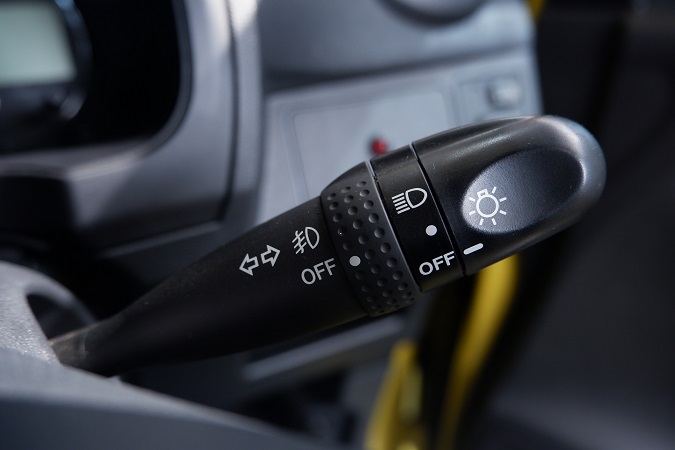
Image source: Getty
Light switches are essential components of a car's electrical system. They control the various lights in the vehicle, allowing the driver to turn them on or off as needed. Car light switches must be specifically designed to meet the unique requirements and specifications of automotive lighting systems.
There are several types of light switches found in cars, each serving a specific purpose. Headlight, interior and reverse light, multifunction, brake pedal, headlight dimmer and emergency flasher switches are the most common. These switches are strategically placed within the vehicle to provide easy access and control over the different lighting functions.
Car light switches come in various shapes, sizes and designs, but they all share some common specifications such as voltage and current ratings, and the number of positions or functions the switch can perform. The voltage rating indicates the maximum voltage the switch can handle without malfunctioning, while the current rating determines the maximum amount of current that can flow through the switch. Additionally, the number of positions or functions refers to the different settings or modes the switch can be adjusted to, such as on, off or dimmed.
Differences from other light switches
Car light switches may seem like those used in residential, commercial and industrial settings, but there are some key differences. They are designed to withstand harsh conditions, including extreme temperatures, vibrations and moisture, and are constructed to be more compact and ergonomic, considering the limited space within a vehicle's interior. They often have features specific to the automotive industry, such as automatic sensor controls or integration with other vehicle systems.
Will car light switches become obsolete?
The rise of autonomous vehicles and the integration of smart lighting systems could potentially replace traditional car light switches with more advanced control mechanisms. One possible replacement could be voice-activated controls, where drivers can simply command the light to turn on or off. Another option is the integration of lighting controls into the vehicle's central display or infotainment system for a more intuitive interface. There are also advancements in sensor technology that may enable automatic lighting systems that adjust to ambient conditions and driver preferences.
However, car light switches are still widely used and for the foreseeable future, they will continue to play a crucial role in controlling onboard lighting functions.
Find Verified Suppliers on GlobalSources.com
For the best selection of car light switches for your sourcing needs, visit our website today! Global Sources not only provides site visitors with a comprehensive list of products and their details but also a list of suppliers that have been verified by third parties to ensure buyers are only dealing with legitimate companies. The B2B sourcing platform lets visitors filter and customize their searches, check the qualifications and relevant company information of the suppliers and take a virtual tour of some of the manufacturers’ facilities.
Here is a gallery of products chosen by our market analyst from our verified suppliers on Global Sources:
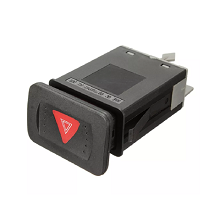
Car warning light switch
Shanghai SPB Industry Co. Ltd
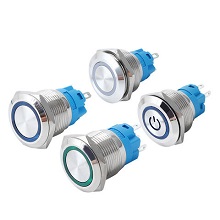
Push-button switch for fog, hazard lights
Bright Max Co. Ltd-Shanghai
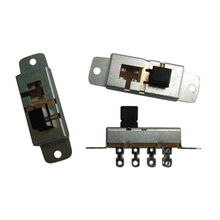
Slide switch for automotive ceiling lights
Dongguan Jinbaoli Electronics Co. Ltd
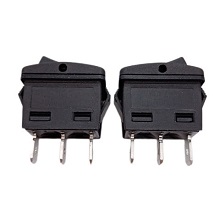
IP68-rated rocker switch
Win-Kare Technology Co. Ltd
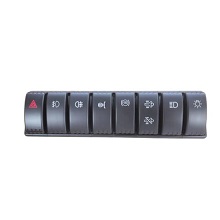
Eight-gang rocker switch panel
Dongguan Createn Electronics Co. Ltd
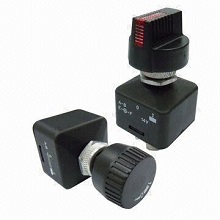
Switch for headlights, stoplights
Canal Components Inc.
Frequently asked questions about car light switches
How do you use a headlight switch?
Using a headlight switch is relatively straightforward. Typically located on the dashboard, this switch allows the driver to control the headlights of the vehicle. To turn them on or off, the driver needs to rotate the switch to the "on" or the "off" position. Some headlight switches have additional settings, such as the ability to switch between high- and low-beam modes. It is important to familiarize yourself with the specific controls and functions of the headlight switch in the vehicle being driven.
Can changing a car light switch be done DIY?
It is possible to change the car light switch yourself, but it is important that you be careful and follow proper procedures. To select and install an appropriate switch, it is necessary to verify the vehicle's manual or consult with a specialist. In addition, to prevent any accident or electric hazard, the vehicle battery must be disconnected and required safety precautions should be taken. But it is always best to get the assistance of a qualified automotive technician.
What is the size of the automotive switch market?
Globally, this segment of the automotive industry was valued at about $21.5 billion in 2022 and is expected to reach $22.6 billion in 2023, according to Custom Market Insights. By 2032, this may be about $33.1 billion, increasing at a CAGR of about 5.2 percent from 2023.
Where are these seven light switches and how do they work?
Headlight switches: They can typically be found on the dashboard or steering column of a vehicle. These switches control the headlights and often have additional settings for high- and low-beam levels.
Interior light switches: Usually located on the ceiling or near the rearview mirror inside the vehicle, they enable the driver and passengers to turn on or off the interior lights as needed.
Reverse light switches: They are typically mounted on the transmission or gearbox of the vehicle. When the driver shifts into reverse gear, these switches activate the reverse lights, alerting others of the vehicle's backward movement.
Multifunction switches: Usually integrated into the steering column of the vehicle, they control various functions, including turn signals, windshield wipers and cruise control, in addition to the lighting functions.
Brake pedal switches: Located near the brake pedal assembly, they activate the brake lights when the driver presses the brake pedal, signaling to others that the vehicle is slowing down or stopping.
Headlight dimmer switches: Often found on the steering column or sometimes on the floor of the vehicle, they allow the driver to change between high- and low-beam headlights for proper visibility while driving.
Emergency flasher switches: These are located on the dashboard or steering column. When activated, they cause all the vehicle's exterior lights to flash simultaneously, alerting others of an emergency.
Conclusion
Sourcing car light switches is an important aspect of vehicle maintenance and repair. Understanding their different types and specifications is crucial for making informed decisions. While car light switches may eventually be replaced by more advanced control systems, they continue to be integral to the functioning of vehicles.

