




In today's fast-paced industrial and commercial environments, efficient cable management is crucial for maintaining productivity, safety, and operational efficiency. Cable trolleys, also known as cable carriers or cable festoons, play a vital role in this regard. These innovative systems are designed to support and guide cables and hoses, allowing for smooth movement of equipment along a fixed path. In this comprehensive guide, we'll explore the applications, benefits, and selection criteria for cable trolleys, helping you make informed decisions for your business needs.
1. Understanding Cable Trolleys
Cable trolleys are mechanical systems used to support and guide flexible cables and hoses that supply power, control signals, or fluids to moving equipment. They consist of a series of wheeled carriers that move along a track or rail, allowing cables to extend and retract as the connected equipment moves.
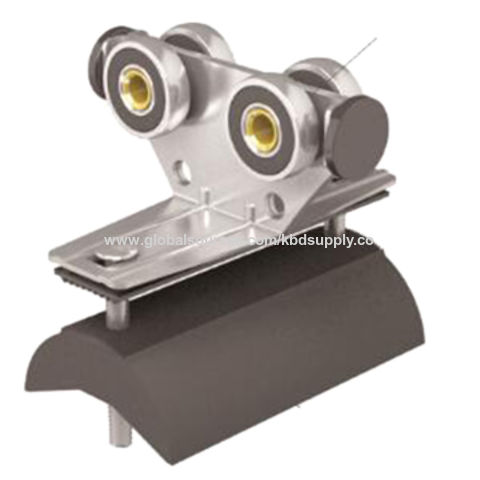
Anti-explosion cable trolley festoon system
Key components of a cable trolley system include:
- Trolley bodies: The main structure that holds the cables and moves along the track.
- Wheels or rollers: Allow smooth movement of the trolley along the track.
- Track or rail: Provides a guided path for the trolley to move along.
- Cable clamps or saddles: Secure the cables to the trolley body.
- End clamps: Anchor the cable system at fixed points.
2. Applications of Cable Trolleys
Cable trolleys find extensive use across various industries and applications, including:
a) Manufacturing and Assembly Lines
In factories and production facilities, cable trolleys are essential for supplying power and control signals to moving equipment along assembly lines. They ensure that cables remain organized and protected while allowing for the necessary movement of machinery.
b) Overhead Cranes and Hoists
Cable trolleys are commonly used with overhead cranes and hoists in warehouses, shipyards, and construction sites. They provide a reliable means of supplying power and control to these lifting devices as they move across the workspace.
c) Automated Storage and Retrieval Systems (AS/RS)
In large-scale warehouses and distribution centers, cable trolleys support the operation of automated storage and retrieval systems by managing the power and data cables required for these complex systems.
d) Port and Container Handling Equipment
At seaports and intermodal terminals, cable trolleys are crucial for powering and controlling container cranes, straddle carriers, and other large-scale material handling equipment.
e) Theater and Stage Equipment
In entertainment venues, cable trolleys are used to manage lighting, sound, and control cables for movable stage equipment and set pieces.
f) Automotive Manufacturing
Cable trolleys play a vital role in automotive assembly plants, supporting the movement of welding robots, paint sprayers, and other automated equipment along production lines.
g) Waste Water Treatment Plants
In water treatment facilities, cable trolleys are used to power and control moving scrapers, aerators, and other equipment in large tanks and basins.
h) Agricultural Applications
Modern farms utilize cable trolleys for irrigation systems, greenhouse controls, and automated feeding systems in livestock operations.
3. Benefits of Cable Trolleys
Implementing cable trolley systems offers numerous advantages for businesses across various industries:
a) Improved Safety
By keeping cables and hoses organized and off the ground, cable trolleys reduce tripping hazards and minimize the risk of cable damage due to crushing or abrasion.
b) Enhanced Equipment Longevity
Proper cable management through trolley systems reduces strain and wear on cables, extending their lifespan and reducing maintenance costs.
c) Increased Operational Efficiency
Cable trolleys allow for smooth, unhindered movement of equipment, minimizing downtime and improving overall productivity.
d) Space Optimization
By keeping cables neatly organized and elevated, cable trolleys help maximize available floor space in workplaces.
e) Flexibility and Scalability
Cable trolley systems can be easily modified or expanded to accommodate changes in equipment layout or additional cable requirements.
f) Reduced Maintenance
With cables properly supported and protected, the need for frequent cable replacement or repair is significantly reduced.
g) Improved Aesthetics
Cable trolleys contribute to a cleaner, more organized appearance in industrial and commercial settings.
h) Compliance with Safety Regulations
Many industries have specific safety requirements for cable management, and cable trolleys help businesses meet these standards.
4. Types of Cable Trolleys
There are several types of cable trolleys available, each suited to different applications and environments:
a) C-Track Cable Trolleys
These feature a C-shaped track and are ideal for light to medium-duty applications. They are commonly used in manufacturing and assembly lines.
b) I-Beam Cable Trolleys
Designed to run on standard I-beam tracks, these trolleys are suitable for heavier loads and are often used in overhead crane applications.
c) Square Track Cable Trolleys
These trolleys run on square or rectangular tracks and are known for their stability and smooth operation. They are often used in clean room environments and food processing facilities.
d) Enclosed Track Cable Trolleys
Featuring a fully enclosed track design, these trolleys offer superior protection against dust and debris, making them ideal for harsh industrial environments.
e) Plastic Cable Trolleys
Lightweight and corrosion-resistant, plastic cable trolleys are suitable for clean room applications and environments where metal components are not desired.
f) Motorized Cable Trolleys
For long travel distances or heavy cable loads, motorized trolleys provide powered movement along the track.
5. Selecting the Right Cable Trolley System
Choosing the appropriate cable trolley system for your application requires careful consideration of several factors:
a) Load Capacity
Determine the total weight of the cables and hoses that need to be supported, including any additional accessories or connectors.
b) Travel Distance
Consider the length of the path along which the equipment will move, as this will affect the number of trolleys required and the overall system design.
c) Speed of Movement
The speed at which the connected equipment moves will influence the choice of trolley type and track design.
d) Environmental Conditions
Consider factors such as temperature, humidity, presence of corrosive substances, and exposure to UV radiation when selecting materials for the trolley system.
e) Space Constraints
Evaluate the available space for installation, including headroom and any obstacles that may affect the trolley's path.
f) Cable Type and Quantity
The number, size, and type of cables or hoses to be supported will impact the choice of trolley size and configuration.
g) Maintenance Requirements
Consider the ease of access for inspection and maintenance when designing the system layout.
h) Safety Standards
Ensure that the selected cable trolley system complies with relevant industry safety standards and regulations.
i) Budget Considerations
While it's important to invest in a quality system, balance your needs with budget constraints to find the most cost-effective solution.
6. Installation and Maintenance Best Practices
Proper installation and maintenance of cable trolley systems are crucial for ensuring optimal performance and longevity:
a) Installation
- Ensure that the track is level and properly aligned to prevent uneven wear on trolley wheels.
- Install the system according to the manufacturer's specifications, paying attention to proper tensioning and spacing of trolleys.
- Use appropriate mounting hardware and support structures to ensure the system can handle the intended load.
b) Maintenance
- Regularly inspect the system for signs of wear, damage, or loose components.
- Keep the track clean and free of debris to ensure smooth trolley movement.
- Lubricate moving parts as recommended by the manufacturer.
- Check cable clamps and saddles periodically to ensure cables remain securely fastened.
- Replace worn components promptly to prevent system failure.
7. Innovations and Future Trends in Cable Trolley Systems
The cable trolley industry continues to evolve, with several innovations and trends shaping its future:
a) Smart Cable Trolleys
Integration of sensors and IoT technology allows for real-time monitoring of cable condition and system performance.
b) Energy-Efficient Designs
Development of low-friction materials and improved wheel designs to reduce energy consumption in motorized systems.
c) Modular and Customizable Systems
Increased focus on flexible, modular designs that can be easily adapted to changing needs.
d) Advanced Materials
Use of lightweight, high-strength materials to improve load capacity and reduce overall system weight.
e) Integrated Power and Data Transmission
Development of trolley systems that incorporate both power and data transmission capabilities.
f) Automated Maintenance Systems
Implementation of self-diagnosing and self-lubricating systems to reduce maintenance requirements.
8. Case Studies: Successful Implementation of Cable Trolley Systems
To illustrate the real-world benefits of cable trolley systems, let's examine a few case studies:
a) Automotive Manufacturing Plant
A major car manufacturer implemented a comprehensive cable trolley system in their welding and assembly area. The system supported power cables for robotic welders and paint sprayers, allowing for flexible production line configurations. As a result, the plant saw a 15% increase in production efficiency and a 30% reduction in cable-related maintenance costs.
b) Container Port
A busy international port installed a high-capacity cable trolley system for their ship-to-shore cranes. The system allowed for smooth, uninterrupted power supply to the cranes as they moved along the quay. This implementation resulted in a 20% increase in container handling speed and significantly reduced downtime due to cable-related issues.
c) Automated Warehouse
A large e-commerce company implemented a cable trolley system in their new automated storage and retrieval system (AS/RS). The trolleys managed power and data cables for the automated cranes and shuttles, enabling seamless operationacross the vast warehouse space. This solution led to a 40% increase in order fulfillment speed and a 25% reduction in energy consumption compared to their previous system.
d) Theater Complex
A modern performing arts center installed a flexible cable trolley system to manage lighting, sound, and control cables for their movable stage equipment. This allowed for quick and easy reconfiguration of the stage for different productions. The system resulted in a 50% reduction in set-up time between shows and improved safety for the stage crew.
9. Choosing a Reliable Cable Trolley Supplier
When selecting a cable trolley system for your business, it's crucial to partner with a reputable supplier. Global Sources, a leading B2B sourcing platform, offers access to a wide range of cable trolley manufacturers and suppliers. Here are some factors to consider when choosing a supplier:
a) Experience and Expertise
Look for suppliers with a proven track record in the cable trolley industry and experience in your specific application area.
b) Product Range
Choose a supplier that offers a comprehensive range of cable trolley systems and components to meet your current and future needs.
c) Customization Capabilities
Ensure the supplier can provide customized solutions tailored to your specific requirements.
d) Quality Certifications
Verify that the supplier adheres to recognized quality standards and holds relevant industry certifications.
e) Technical Support
Choose a supplier that offers robust technical support, including system design assistance and after-sales service.
f) Competitive Pricing
While quality should be the primary consideration, ensure the supplier offers competitive pricing and value for money.
g) Global Sourcing Options
Platforms like Global Sources provide access to a wide range of international suppliers, allowing you to compare options and find the best fit for your needs.
10. Conclusion
Cable trolley systems play a crucial role in modern industrial and commercial operations, offering numerous benefits in terms of safety, efficiency, and equipment longevity. By understanding the various types of cable trolleys, their applications, and selection criteria, businesses can make informed decisions to optimize their operations.
As technology continues to advance, cable trolley systems are evolving to meet the changing needs of industries worldwide. From smart, IoT-enabled systems to energy-efficient designs, the future of cable management looks promising.
When considering a cable trolley system for your business, it's essential to partner with a reliable supplier who can provide high-quality products and expert support. Platforms like Global Sources offer a convenient way to connect with reputable manufacturers and suppliers from around the world, ensuring you find the perfect cable trolley solution for your specific needs.
By investing in a well-designed cable trolley system, businesses can enhance their operational efficiency, improve workplace safety, and position themselves for long-term success in an increasingly competitive global market.

