




Once primarily known as the “world’s factory,” China has rapidly evolved into a major consumer market itself, with huge demand for fashion products and its own cycles of trendsetting. The explosion of online shopping also opened up exciting new opportunities for Chinese clothing brands to showcase their creativity and craftsmanship directly to customers around the world.
This article takes a look at the top 10 online Chinese clothing brands. For sourcing professionals and B2B buyers, gaining insight into these brands may help with tapping into new trends, quality offerings, and growth potential within the global apparel market.
Chinese online clothing brands
The rapid ascent of Chinese clothing brands in the online marketplace is driven by several key factors shaping today’s retail landscape. Foremost, technological innovations have revolutionized the online shopping experience, with Chinese e-commerce platforms leading the way globally. Features such as 3D virtual fitting rooms, AI-powered personalized recommendations, and seamless mobile payment systems have redefined customer engagement and set new industry benchmarks.
In addition, the explosive growth of social media and Key Opinion Leader (KOL) marketing has created powerful, direct channels for brands to connect with and influence their target audiences. These digital strategies have enabled brands to build strong communities and foster customer loyalty in a highly competitive environment.
Finally, a new generation of Chinese consumers increasingly values and supports domestic brands, fueling their rise both at home and abroad. For sourcing professionals and B2B buyers, understanding the impact of these online dynamics is crucial for identifying promising partners and capitalizing on China’s rapidly evolving fashion ecosystem.
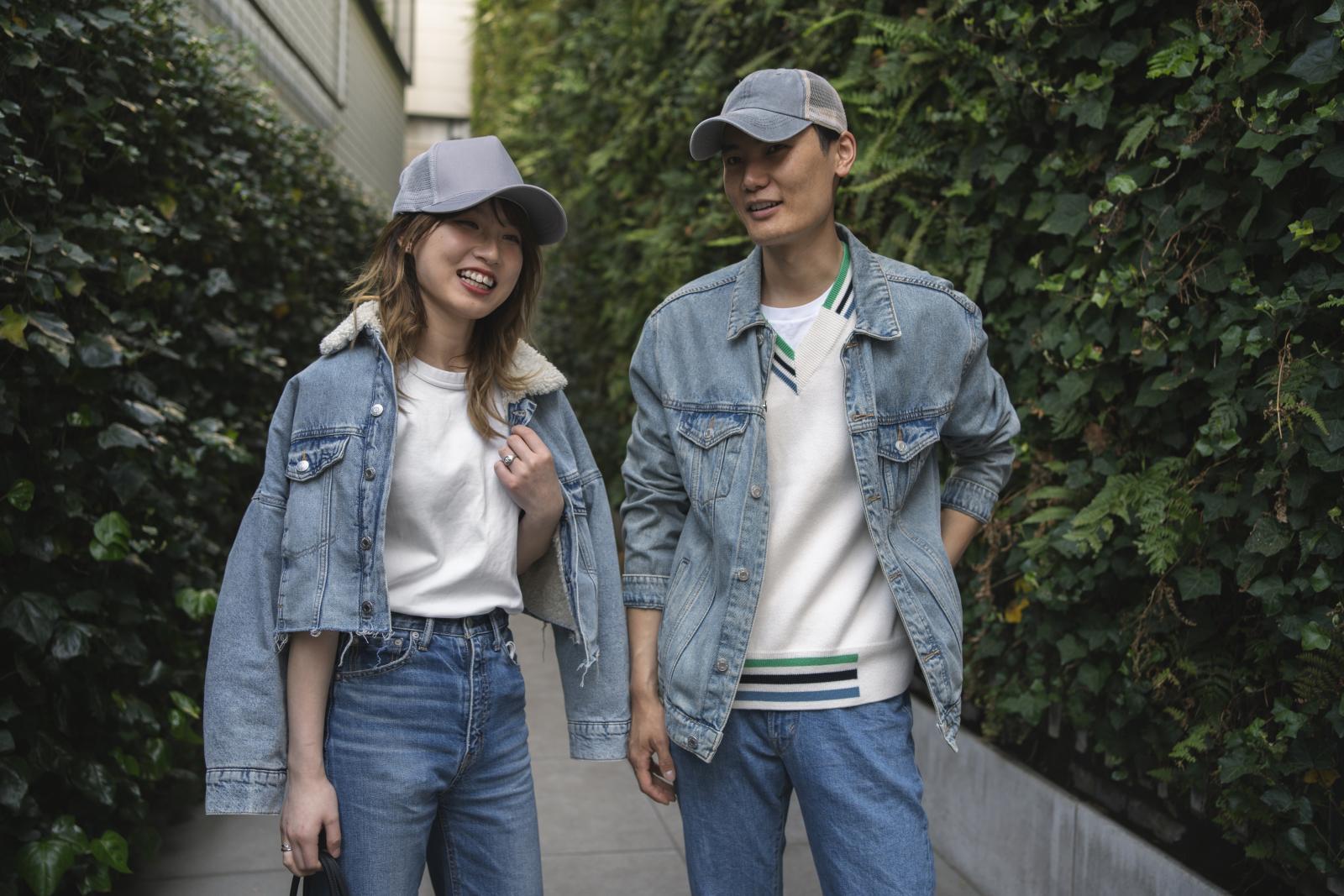
Top 10 Chinese online clothing brands
1. Shein
Founded in 2008, Shein has grown from a small online retailer into one of the world’s largest ultra-fast fashion brands. Known for its ability to swiftly translate global trends into affordable apparel, Shein’s strength lies in its massive product range and lightning-fast supply chain. This agility enables it to cater to a young, fashion-conscious global audience, making it a dominant player in e-commerce. For sourcing professionals, Shein represents a prime example of how digital-first strategies and data-driven inventory management can revolutionize apparel retail. However, Shein has faced repeated allegations of labor abuses including forced labor, child labor in its supply chains, and extremely long working hours (up to 75 hours a week), far exceeding legal limits in China. Shein has also been accused of stealing designs from small businesses and independent artists, copying and mass-producing these designs without permission or compensation, which harms original creators financially and creatively.
The company has also faced criticism for selling products containing unsafe chemical levels, as well as controversial items like Nazi symbols.
The brand practices misleading consumer tactics by selling low-quality products that do not always match online descriptions, leading to consumer disappointment and increased waste.
2. Li-Ning
Launched by the Olympic gymnast Li Ning in 1990, this brand has evolved from a sportswear-only brand into an athleisure powerhouse within China. Li-Ning has successfully tapped into nationalist pride as well as foreign sportswear trends. Like Shein, the brand also faces criticism for its its links to serious human rights concerns within its supply chain.
3. MO&Co.
Since its inception in 2004, MO&Co. has positioned itself as a premium contemporary womenswear brand focused on urban, trend-savvy customers. Its edgy, modern designs draw inspiration from global fashion capitals, offering youthful yet sophisticated collections. MO&Co.’s ability to maintain relevance through fresh, statement-making styles and collaborations has established it as a go-to label for fashion retailers targeting middle to upper-market consumers looking for chic, metropolitan apparel.
4. Bosideng
Starting as a small down jacket manufacturer in 1976, Bosideng has transformed into a nationally recognized outerwear brand. Its specialization in high-quality down coats and winter apparel has earned it a reputation for combining durability with style. For sourcing professionals, Bosideng exemplifies how strong product focus and brand building can lead to sustained growth and international appeal.
5. Heilan Home (HLA Group)
Founded in 2002, Heilan Home is a dominant force in the menswear market, particularly in China’s second- and third-tier cities. It offers affordable, practical, and stylish menswear basics that appeal to a broad customer base. Its vast retail network, including thousands of stores and strong online presence, positions it as a key supplier for businesses targeting everyday menswear consumers. Heilan Home’s strength lies in balancing quality and value while maintaining high operational efficiency.

6. Urban Revivo
Emerging in 2006, Urban Revivo has been described as “China’s Zara” due to its rapid trend adoption and stylish high-street offerings. The brand focuses on delivering premium design aesthetics at accessible prices, appealing primarily to young urban professionals and fashion-conscious shoppers. Its growing national footprint and success in e-commerce, especially during China’s major shopping festivals, reflect a robust business model that blends foreign inspiration with local prices, making it an attractive choice for retailers seeking versatile, trend-driven collections.
7. Metersbonwe
Metersbonwe began in 1995 as one of China’s earliest casualwear brands, gaining widespread popularity among young consumers in the early 2000s. Known for affordable, comfortable, and casual apparel, the brand built strong recognition through celebrity endorsements and expansive distribution. While it has faced challenges adapting to new market dynamics and competition, its long-standing brand equity and experience in youth fashion mean that it remains a known brand.
8. Peacebird
Established in 1995, Peacebird has grown into a trendy streetwear brand targeting Gen Z and young millennials. Its success is driven by dynamic collaborations with popular influencers and its keen ability to reflect urban youth culture in its designs. Peacebird’s collections are characterized by bold graphics, contemporary silhouettes, and vibrant colors, which resonate well on digital platforms. For B2B buyers, Peacebird represents an agile brand with strong appeal in the fast-evolving youth fashion market.
9. La Chapelle
La Chapelle, founded in 1998, was once considered one of China’s leading fast fashion brands, known for offering trendy women’s apparel at affordable prices. The company has struggled financially for years, with sluggish sales and mounting debts. It has closed many of its physical stores, and its shares were officially delisted from the Hong Kong Stock Exchange in November 2024 after failing to meet listing requirements. Despite this, the brand's flagship online store on platforms like Tmall has reportedly continued operations for now. La Chapelle was once a major player in China's women's fashion market, known as "China's Zara," but it faced intense competition from fast fashion and e-commerce rivals, contributing to its decline. La Chapelle struggled to compete with fast fashion brands and e-commerce competitors. Sourcing teams must stay agile by quickly adapting supplier relationships, production cycles, and sourcing strategies to shifting consumer trends and retail models to maintain competitiveness.
10. Lily
Lily was launched in 2000 with a focus on sophisticated, professional women’s apparel designed for the workplace. Combining elegant cuts with practical fabrics, Lily quickly established itself as a brand that empowers career women through style. Sourcing professionals can look to Lily for high-quality, polished workwear that appeals to urban professional markets seeking both style and functionality.

