


Chinese eCommerce platforms have transformed from optional channels to essential sourcing hubs. This article provides a practical roadmap for navigating these platforms with a particular focus on Global Sources, a platform that experienced procurement professionals consistently leverage for strategic sourcing.
Table of Contents
The Practical Reality of Chinese eCommerce Sourcing
Platform Selection: Where Experienced Buyers Actually Source
Supplier Qualification: Beyond the Platform Badges
Communicating Specifications That Get Results
Price Negotiation Strategies That Deliver Results
Quality Control for Remote Procurement
Logistics Management: Beyond Basic Shipping
Payment Security That Protects Your Investment
Building Supplier Relationships That Create Value
The Practical Reality of Chinese eCommerce Sourcing
The digital revolution has fundamentally altered how procurement professionals identify suppliers, negotiate terms, and manage quality. Beyond obvious cost benefits, Chinese eCommerce platforms provide access to manufacturing capabilities that simply don't exist in many Western markets.
"The real advantage isn't just price—it's access to manufacturing expertise and capabilities that have disappeared from many Western markets," explains Michael Chen, procurement director for a major European electronics manufacturer.
However, platform proliferation has created a bewildering array of options, each with distinct strengths and limitations. Navigating these challenges requires a strategic approach built on practical experience.
Platform Selection: Where Experienced Buyers Actually Source
Global Sources: The Veteran Buyer's Platform
For procurement professionals seeking reliable manufacturing partners, Global Sources offers distinct advantages that have made it a preferred platform among experienced buyers. Unlike more generalist platforms, Global Sources has developed deep expertise in specific industries—particularly electronics, hardware, and consumer goods—where its supplier verification processes are notably more rigorous.
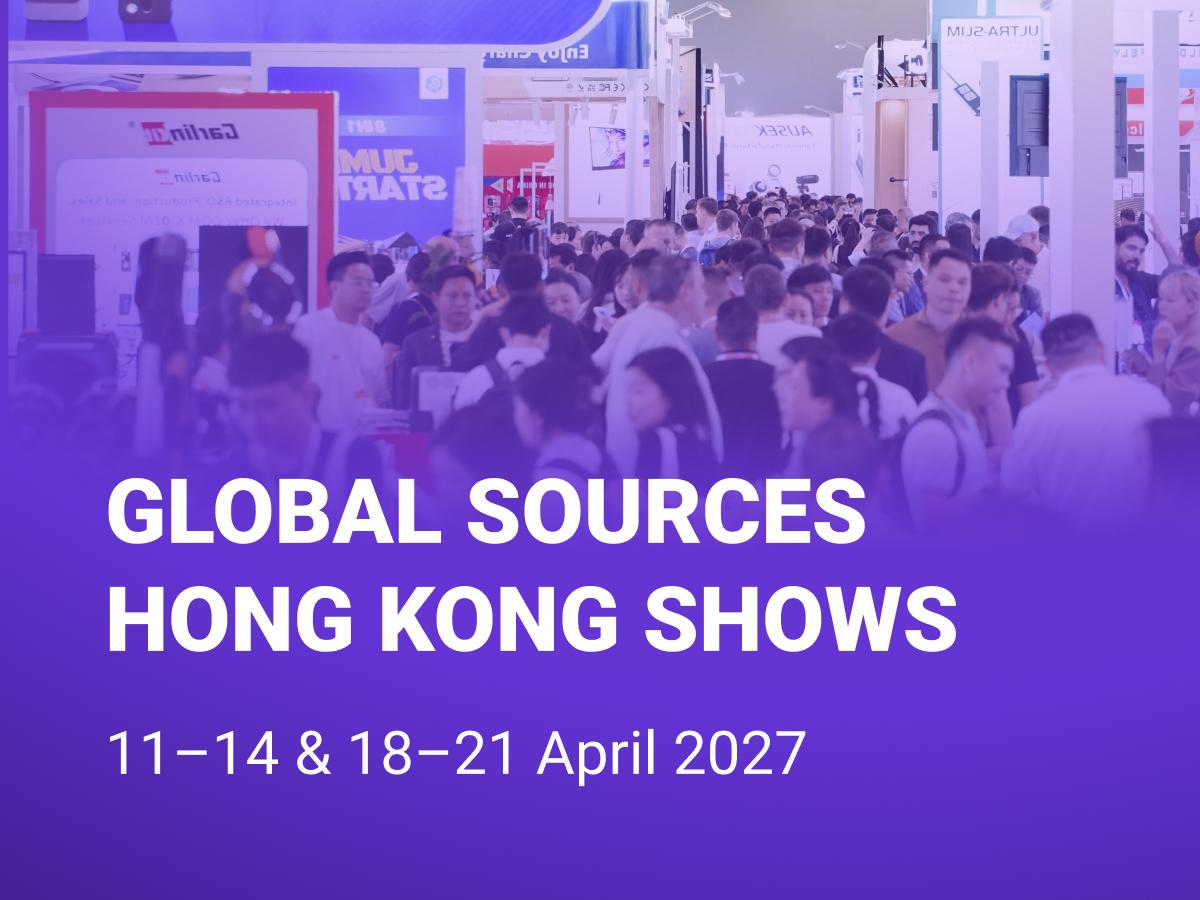
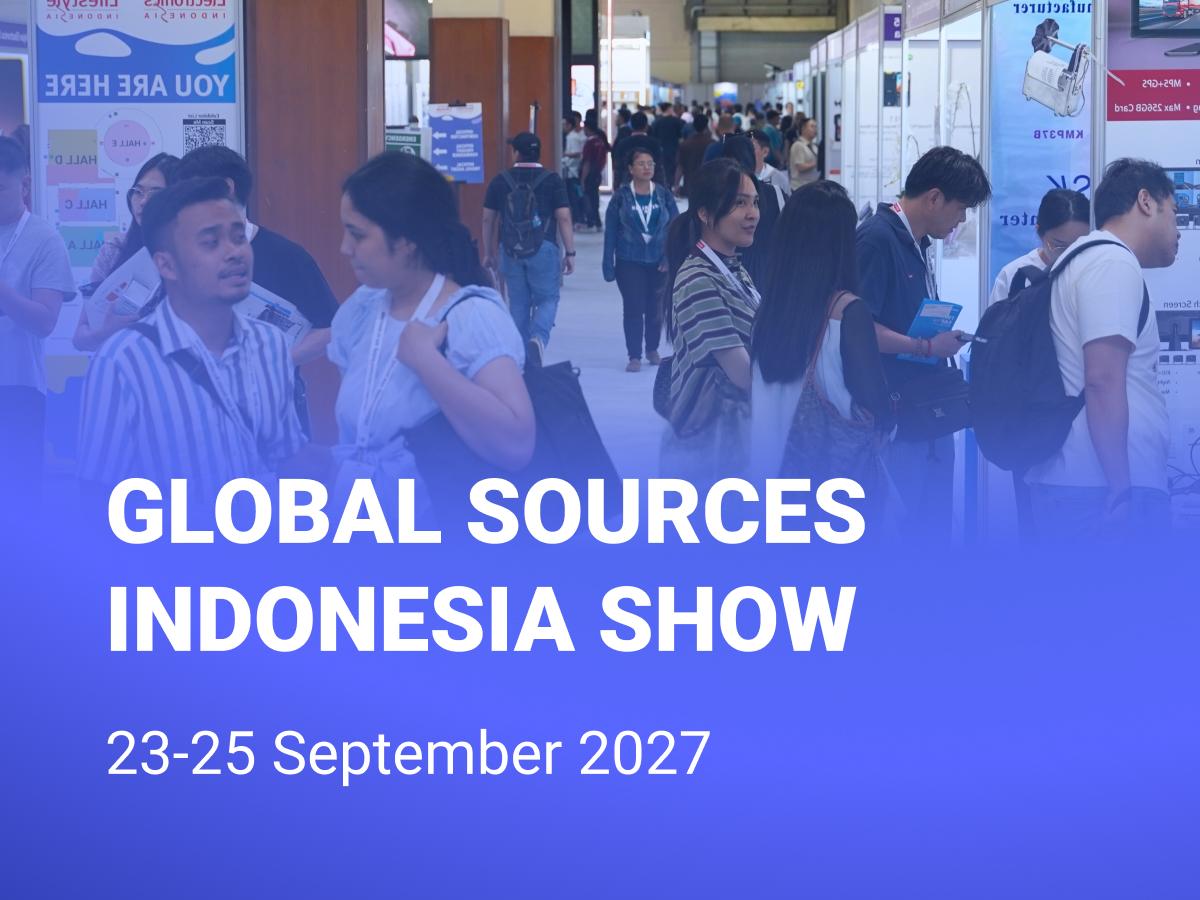
What sets Global Sources apart is its integrated approach to supplier verification. The platform conducts financial audits and manufacturing capability assessments rather than relying primarily on basic documentation checks. This verification extends beyond digital presence to include physical trade shows where buyers can meet potential suppliers face-to-face.
"We've found Global Sources particularly valuable for complex components where technical specifications and manufacturing precision are critical," notes Sarah Johnson, procurement manager at a North American automotive parts manufacturer. "Their supplier verification process gives us confidence that we're dealing with actual manufacturers rather than trading companies."
Alibaba/Alibaba.com: Strategic Utilization
While Alibaba remains the most recognized Chinese sourcing platform globally, experienced buyers approach it strategically. The platform's massive scale offers unparalleled supplier options but requires sophisticated filtering to identify genuine manufacturers. Effective use of Alibaba requires looking beyond basic search functions and supplier badges to analyze factory photos, evaluate technical responses, and cross-reference suppliers across multiple platforms.
Supplier Qualification: Beyond the Platform Badges
Effective verification requires a multi-faceted approach that goes beyond platform-provided information. Cross-referencing potential suppliers across multiple platforms can reveal telling inconsistencies. Video factory tours have become standard practice, but their value depends on what procurement teams look for beyond the showroom.
Certain warning signs consistently predict future problems. Pricing anomalies—particularly quotes significantly below market rates—often indicate hidden quality compromises. Communication patterns such as delayed responses to technical questions or vague answers about manufacturing capabilities frequently predict future performance issues.
For complex technical products, minimum operational history requirements of 3-5 years help ensure manufacturing stability. Export percentage thresholds—typically 50% or higher—indicate familiarity with international trade requirements and quality expectations.
Communicating Specifications That Get Results
Effective specification communication prevents costly misunderstandings and production errors. Successful procurement teams distinguish between critical and non-critical specifications, focusing supplier attention on parameters that directly impact product functionality and compliance.
Reference samples provide tangible standards that transcend language barriers. Physical samples combined with annotated photographs create clear benchmarks for production. Tolerance expression requires particular attention, with effective specifications clearly defining acceptable variation ranges for critical dimensions, material properties, and performance parameters.
Visual specification techniques prove particularly effective across language barriers. Annotated technical drawings, color-coded assembly diagrams, and video demonstrations create shared understanding that text alone cannot achieve. Communication frequency protocols prevent misunderstandings from escalating into production errors by establishing regular check-in points throughout the production process.
Price Negotiation Strategies That Deliver Results
Effective negotiation requires understanding the actual cost components behind supplier pricing. Material cost transparency techniques include requesting bill of materials (BOM) breakdowns and comparing material costs across multiple suppliers. Labor cost variations across manufacturing regions significantly impact pricing, with coastal manufacturing hubs offering sophistication at premium rates while inland centers provide cost advantages.
Minimum order quantity requirements often present significant challenges. Split delivery scheduling offers an effective compromise, allowing suppliers to produce the full MOQ but deliver and invoice in smaller increments. Specification flexibility can provide powerful MOQ negotiation leverage by allowing suppliers to use standard rather than custom components where appropriate.
Global Sources offers specialized tools that strengthen buyer negotiation position when used strategically. Price comparison tools enable buyers to benchmark quotes against market averages for similar products, providing powerful negotiation leverage when suppliers quote significantly above market rates.
Quality Control for Remote Procurement
Effective quality management begins long before production starts. Material verification protocols include requiring material certificates from recognized testing laboratories and conducting independent testing of critical components. Production capacity validation prevents quality issues that arise from unauthorized subcontracting by comparing quoted capacity against visible equipment during factory visits.
Key production milestone documentation creates visibility throughout the manufacturing process through photographic or video documentation at critical stages. Remote inspection protocols have evolved significantly, combining scheduled video inspections with random unannounced checks.
Third-party inspection services offer valuable quality assurance, but their effectiveness depends on clear scope definition. Inspection protocols should specify sample sizes based on statistical validity, inspection points tailored to product-specific risks, and clear accept/reject criteria for each inspection parameter.
Logistics Management: Beyond Basic Shipping
Export documentation errors consistently rank among the leading causes of shipment delays. Verification of export licenses for restricted categories should occur during supplier qualification rather than after production. Commercial invoice requirements extend beyond basic transaction details to include elements that facilitate customs clearance.
Consolidation strategies for multi-supplier orders can significantly reduce logistics costs and simplify import management by coordinating production timing across suppliers and standardizing packaging specifications. Air freight versus ocean decisions extend beyond simple cost calculations to consider inventory carrying costs, market timing requirements, and quality risk factors.
HTS code verification before production commitment prevents compliance issues and unexpected duty costs. Experienced procurement teams secure binding rulings for ambiguous classifications and monitor regulatory changes that might affect classification or duty rates.
Payment Security That Protects Your Investment
Global Sources offers escrow services that balance supplier and buyer interests through milestone-based payment release. Effective utilization includes clearly defining release conditions for each payment stage and documenting compliance with these conditions.
The platform's dispute resolution process provides valuable protection but requires proper documentation to be effective. Successful claims typically require comprehensive evidence including communication records, specification documents, inspection reports, and photographic documentation of non-compliance.
Verification steps before initial payment have become increasingly important as sourcing fraud has evolved. Effective verification includes confirming that bank account names match the contracted supplier exactly and conducting video verification of physical facilities before any payment.
Building Supplier Relationships That Create Value
WeChat integration has become essential for operational efficiency with Chinese suppliers through dedicated group chats for each project and clear communication protocols. Regular video conference protocols build relationships despite physical distance through scheduled reviews with consistent agendas.
Face-to-face meeting strategies at Global Sources trade shows provide invaluable relationship development opportunities by scheduling meetings well in advance and bringing technical personnel who can engage directly with supplier engineers.
Scorecard development and implementation creates objective performance measurement that drives improvement through balanced metrics across quality, delivery, communication, and cost dimensions. Continuous improvement initiatives that benefit both parties create sustainable relationships by identifying opportunities that reduce costs, improve quality, or enhance efficiency for both supplier and buyer.

