




Home décor manufacturers and B2B buyers are accelerating their focus on circular design principles and recyclable materials as sustainability continues to shape global commerce. These strategies are rapidly becoming business imperatives for market competitiveness, regulatory compliance and supply chain resilience.
The sustainable home décor market is experiencing significant expansion. Estimates suggest that this market could grow to nearly $663.9 billion by 2034, driven by consumer demand for responsibly made furnishings and interior products, based on reports from Global Insight Services. Furniture alone accounts for an estimated 45 percent of this market segment, with textiles and lighting making up the balance.
Additionally, a related forecast from Stratistics Market Research indicates that circular design and upcycled furnishings could grow to $91.6 billion by 2032, reflecting strong business interest in products made from reclaimed, recycled or modular materials.
Circular design
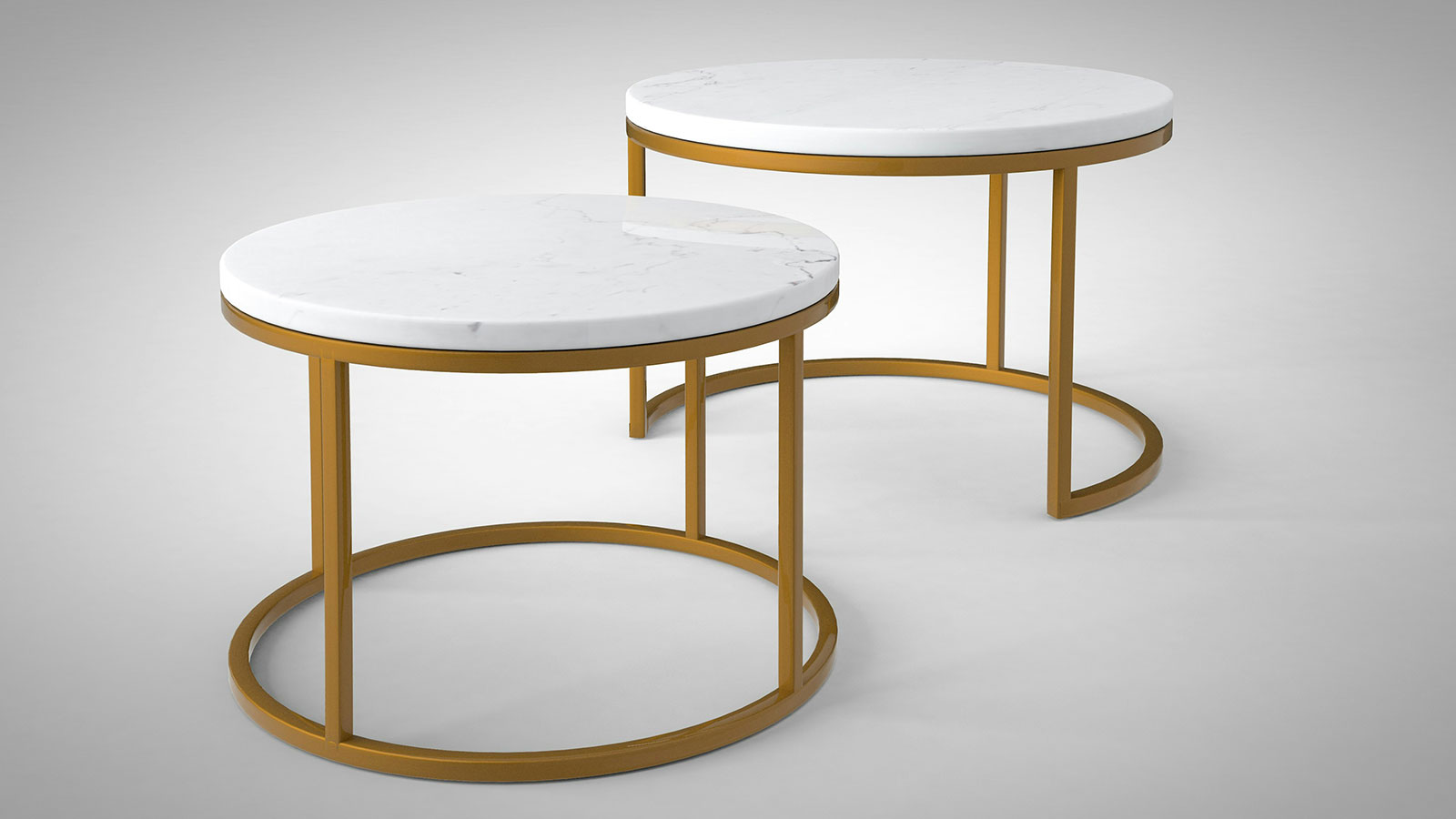
Products embracing circular design are distinguished by their versatility and durability, making them ideal for B2B sourcing. Beyond the core examples of modular shelving systems, convertible tables and stackable or extendable storage units, manufacturers are offering a wide range of innovative home décor products designed for longevity and reuse. This includes multifunction furniture such as nesting coffee tables, foldable
desks and sectional sofas with interchangeable components that can be reconfigured to suit different spaces.
Decorative accessories are also evolving with circular principles in mind. Planters, vases, trays, candle holders and decorative bowls crafted from upcycled glass, metal or reclaimed wood demonstrate how design can reduce waste while adding aesthetic value. Even everyday items like coasters, wall art and lighting fixtures are being reimagined using recycled or modular components, allowing parts to be replaced or upgraded rather than discarded.
Textile-based products are no exception. Cushions, rugs, poufs and throws made from recycled cotton, polyester or jute can be designed with removable covers for washing or replacement, extending their life cycle. Similarly, storage baskets, tote bins and organizers produced from upcycled fabrics or woven recycled materials offer both practical storage solutions and environmentally responsible sourcing options.
Recycled materials
Materials matter just as much as design. Home décor products made from recycled wood and MDF panels offer structural durability with reduced pressure on virgin forest resources. Post-consumer plastics, once considered waste, are increasingly reformulated into storage containers, lightweight furnishings, and trim components for décor products. Metal elements composed of recycled aluminum or steel bolster durability and recyclability, while textiles using recycled cotton, organic fibers, hemp or jute address both sustainability and aesthetic demands. Market analysis from Verified Market Research shows that the eco-friendly furniture sector alone could reach $101 billion by 2032, underlining growing investment in materials that align with sustainability commitments.

Certifications
Certifications play an important role in validating sustainability claims and guiding sourcing decisions. Industry-recognized certifications such as Forest Stewardship Council (FSC) for responsibly sourced wood, Global Recycled Standard (GRS) for textiles with verified recycled content and ISO 14001 for environmental management systems help buyers assess product integrity and supplier authenticity. Verified eco-labels not only support compliance with emerging regulations but also serve as trust signals in a crowded marketplace where quality and environmental performance are top priorities.

Changing consumer preferences
Beyond product credentials, evolving consumer and design trends reinforce the business case for sustainable sourcing. Surveys indicate that most consumers now prefer to buy from brands that demonstrate environmental responsibility, and interior designers increasingly prioritize sustainable materials in specifications. The broader interior design and home décor community sees rising adoption of circularity principles, such as using materials that are easy to disassemble and recycle at end of life, as a key factor in sourcing strategies.

Images from Unsplash

