




Image from iStock
From perimeter security and agricultural fencing to electromagnetic shielding, industrial filtration and pest management systems, wire mesh products serve a range of industries. They are characterized by aperture size or the open space between wires, wire diameter, mesh count or the number of openings per linear inch and overall panel or roll dimensions. These parameters are tightly controlled during manufacturing and form the basis of product specifications that buyers must communicate clearly to suppliers.
Materials
The most common base materials are carbon steel, stainless steel, galvanized steel, aluminum, copper and various specialty alloys such as titanium, nickel-chromium and nickel-copper for extreme-environment applications. Material selection is driven primarily by the corrosion resistance requirements, tensile strength demands and the chemical compatibility needs of the intended application. Stainless steel 316L is widely specified in marine environments and pharmaceutical processing due to its superior chloride resistance, while galvanized carbon steel remains the dominant choice for general agricultural and construction fencing because of its favorable cost-to-performance ratio.
Weaves
Weave patterns define both mechanical performance and filtration characteristics. Plain weave, in which each wire passes alternately over and under the perpendicular wire, is the most common configuration and is suitable for a broad range of general-purpose applications. Twill weave, where each wire passes over two and under two perpendicular wires, allows for finer apertures and thicker wire diameters in a given mesh count, making it preferred in fine filtration applications. Dutch weave, also called plain Dutch or reverse Dutch weave, uses a much finer weft wire woven densely against a coarser warp wire, creating a surface with very small effective pore sizes that is highly valued in precision liquid and gas filtration. For buyers sourcing filtration products in particular, the distinction between these weave patterns directly affects flow rate, particle retention and pressure drop characteristics.
Welded wire mesh differs from woven mesh in that the wire intersections are resistance-welded rather than interlocked by weaving. This produces a dimensionally stable product with consistent aperture sizes and higher stiffness, which makes it ideal for construction reinforcement, livestock panels, machine guarding, and structural fencing applications.
Applications
For fencing
The fencing materials market is extensive, and buyers serving agriculture, construction, civil infrastructure or commercial security sectors will encounter a wide range of products differentiated by wire type, mesh geometry, coating system and post hardware.
Chain link fabric: Produced by weaving a continuous strand of wire in a spiral pattern that interlocks with adjacent spirals, this remains one of the most widely sourced fencing materials globally. It is available in galvanized, vinyl-coated and PVC-coated finishes, with the coating specification heavily influencing product longevity in outdoor environments. Commercial buyers sourcing large volumes of chain link fabric should request mill test certificates confirming wire tensile strength and coating adherence. Knuckling style, with knuckled both sides versus knuckled-and-barbed, affects both safety characteristics and end-use suitability, and this detail is frequently overlooked in informal purchasing processes.
Welded wire panels and rolls: They serve a broad spectrum of fencing applications from garden enclosures and livestock containment to construction site barriers and security perimeters. The welded construction provides rigidity that makes installation faster and more predictable than woven products, particularly over uneven terrain. For heavy-duty applications, buyers should specify the wire gauge, mesh opening, panel dimensions and coating type, as the market offers a wide range from lightweight residential products to heavy commercial and agricultural panels.
Field fence: Also called stock fence or agricultural fencing, it has graduated spacing between horizontal line wires, which are tighter at the bottom to contain smaller animals and wider toward the top. This geometry is engineered to prevent livestock from pushing through while minimizing material use and cost. High-tensile field fence offers significantly improved longevity and performance compared to standard soft wire products, though it requires specialized tensioning tools and trained installation labor. For large-scale agricultural buyers, procurement decisions should account for the total installed cost rather than material price alone. High-tensile products may carry a premium at point of purchase but typically require fewer posts, less hardware and less maintenance over a multiyear horizon.
Game fencing: A specialized category within the agricultural fencing market, it is designed to contain or exclude large wildlife such as deer, elk, eland, kudu and other game animals. This application demands products engineered for significantly higher tensile loads, impact resistance and durability than standard livestock fencing. Game fence typically uses heavy-gauge wire with a closely spaced hinge joint or fixed knot pattern to prevent animals from lifting or pushing through, and it is manufactured in heights ranging from 1.8 meters.
For EMI/RFI shielding
Electromagnetic interference (EMI) and radio frequency interference (RFI) shielding is a technically demanding application that has grown significantly in commercial importance alongside the proliferation of sensitive electronic systems, wireless communications infrastructure and data security requirements. Wire mesh shielding materials are used in shielded rooms or Faraday cages, electronic enclosures, gaskets, ventilation panels and architectural shielding installations.
The shielding effectiveness of a wire mesh product is determined by its conductivity, aperture size relative to the wavelengths being attenuated, mesh count, wire diameter and the continuity of the electrical contacts at wire intersections. Copper is the most commonly specified material for high-performance EMI shielding applications due to its excellent electrical conductivity, followed by pre-tinned copper, phosphor bronze, aluminum and nickel-copper alloy. Stainless steel is sometimes used where mechanical durability is prioritized alongside shielding performance, though its higher resistivity makes it a second-best choice from a pure shielding standpoint.
For B2B buyers in the defense electronics, telecom, medical device manufacturing and data center sectors, shielding effectiveness specifications are typically expressed in decibels (dB) of attenuation across defined frequency ranges. When sourcing mesh for shielding applications, procurement teams should require test data demonstrating attenuation performance across the relevant frequency range for their application, as manufacturer claims can vary significantly in how they are derived and measured.
Ventilation panels in shielded enclosures represent a particularly common procurement need. These panels must balance airflow requirements against shielding effectiveness, and the optimal aperture size and mesh density are application-specific. Buyers should work closely with engineering teams and mesh suppliers to model performance trade-offs before committing to large volume orders.
For liquid filtration
Industrial liquid filtration is one of the largest and most technically diverse applications for woven wire mesh. Across oil and gas, chemical processing, food and beverage, pharmaceuticals, water treatment, mining and power generation, wire mesh filter elements are specified in a vast range of configurations, from simple cylindrical strainer baskets to multilayer sintered mesh composites engineered for precise micron-level particle retention.
Sintered wire mesh is an advanced filtration product produced by stacking multiple layers of woven mesh with different wire diameters and aperture sizes, then bonding them under heat and pressure. It is a rigid, high-strength filter medium with a defined and consistent pore structure that can be reliably cleaned and regenerated. Sintered mesh is widely used in polymer extrusion melt filtration, hydraulic systems and fine chemical processing where long service life and precise filtration performance are nonnegotiable.
For general industrial straining applications, wedge wire screens, also called Johnson screens or profile wire screens, offer a cost-effective and clog-resistant alternative to plain woven mesh. Their V-shaped wire profile creates a slot that resists particle bridging, making them particularly effective in water intake screening, slurry handling and centrifuge baskets.
When sourcing filtration mesh for regulated industries such as pharmaceuticals or food processing, buyers must verify material compliance with FDA, EU 10/2011 or equivalent food-contact and pharmaceutical-grade material regulations. Full material traceability, surface roughness data (Ra values) and passivation certification are commonly required documentation items in these sectors.
Filter basket and strainer manufacturers sourcing wire mesh as a production input should also consider the role of mesh surface finish in filter cake release and cleanability. Electropolished stainless steel mesh has lower surface roughness than standard mill-finished mesh and is significantly easier to clean in automated CIP (clean-in-place) systems, reducing downtime and maintenance costs in continuous production environments.
For pest control barriers
Pest control is a growing application area for wire mesh, driven by increasing demand from commercial food processing and storage facilities, agricultural operations, residential construction and building management companies seeking durable, long-term exclusion solutions rather than reliance on chemical treatments alone.
Rodent exclusion mesh is installed around building foundations, roof junctions, utility penetrations and ventilation openings to physically prevent entry by rats, mice and other rodents. Bird exclusion netting and mesh products, meanwhile, serve a complementary market in commercial building management, agriculture and horticulture.
Wire mesh machines for sourcing
For wire mesh manufacturers and integrated wire products companies, the machinery used to produce mesh is as strategically important as the raw materials.
Woven wire mesh looms
Woven wire mesh is produced on shuttle looms or shuttleless looms or rapier and needle looms adapted for metal wire. These machines are highly specialized, and the global supplier base is concentrated in a relatively small number of countries, including Germany, China and Italy. German manufacturers have historically set the technical benchmark for precision woven mesh production equipment, offering machines capable of producing very fine mesh in tight tolerances, but Chinese-manufactured looms have captured significant market share in the mid-tier segment on the strength of competitive pricing and improving quality standards.
When evaluating woven mesh loom suppliers, buyers should consider wire diameter range, mesh count capability, working width, production speed, automation level in terms of automatic weft wire feeding, auto-stop on wire break, as well as spare parts availability and aftersales service infrastructure. The total cost of ownership model – factoring in maintenance costs, energy consumption, spare parts lead times and technical support quality – usually reveals significant differences between machines that appear similarly priced on a capital cost basis.
Welded wire mesh machines
These range from simple manual-feed equipment for short production runs to fully automated, high-speed systems capable of producing welded panels or rolls at very high output rates. Key technical parameters include the maximum wire diameter range, welding current and force control, electrode life, mesh size adjustment flexibility and the degree of electronic control and monitoring.
Multispot welding machines – which weld an entire row of cross wires simultaneously – are the dominant format for volume production of welded mesh panels and offer substantially higher output than sequential welding approaches. Buyers evaluating equipment for new manufacturing lines or capacity expansion should assess the upstream and downstream material handling requirements alongside the welding machine itself, as coil-to-coil or coil-to-panel production line integration significantly affects overall line efficiency and labor requirements.
Chain link machines: These are available in a range of working widths and operate at speeds that vary with wire gauge and mesh aperture. Automatic wire feed, tension control and mesh width adjustment are important functional specifications for buyers setting up or upgrading production capacity. Buyers should pay particular attention to the precision of the die geometry and the quality of the drive and tensioning systems, as these factors directly determine product consistency and machine longevity.
Game fence and agricultural fencing machines: They are a specialized category that has seen considerable development in recent decades. These machines must handle heavy-gauge, high-tensile wire under significant tension, producing products with precisely controlled stay spacing, knot patterns and overall mesh geometry. A game fence production line typically incorporates a multidrum payoff system for line wires, a stay wire feed and cut mechanism, automated knotting or hinge-joint forming heads, a takeup and coiling system and tension monitoring and control throughout. The mechanical demands of working with high-tensile wire mean that material quality, engineering precision and robust construction are nonnegotiable in this equipment category.
For buyers considering investment in game fence machinery, the ability of the equipment supplier to provide locally accessible technical support, rapid spare parts supply and operator training is critically important. Machine downtime in a production environment is expensive, and the complexity of game fence lines means that rapid diagnosis and repair capability is a major differentiator between equipment suppliers. Buyers should conduct thorough reference checks with existing machine users and, where possible, visit operating installations before committing to a capital purchase.
Conclusion
Wire mesh is far more than a commodity construction material. Across EMI shielding, precision filtration, pest exclusion, agricultural containment and security fencing, it is an engineered product whose performance is directly tied to material selection, manufacturing precision and correct specification. For B2B procurement professionals, investing in a thorough understanding of the technical parameters that differentiate products – and in the supplier relationships that ensure consistent quality, reliable delivery and responsive support – is essential to extracting full value from this product category. Whether sourcing finished mesh products for an end-use application or capital equipment for wire mesh production, the principles of rigorous specification, structured supplier qualification and total cost evaluation apply equally and consistently.
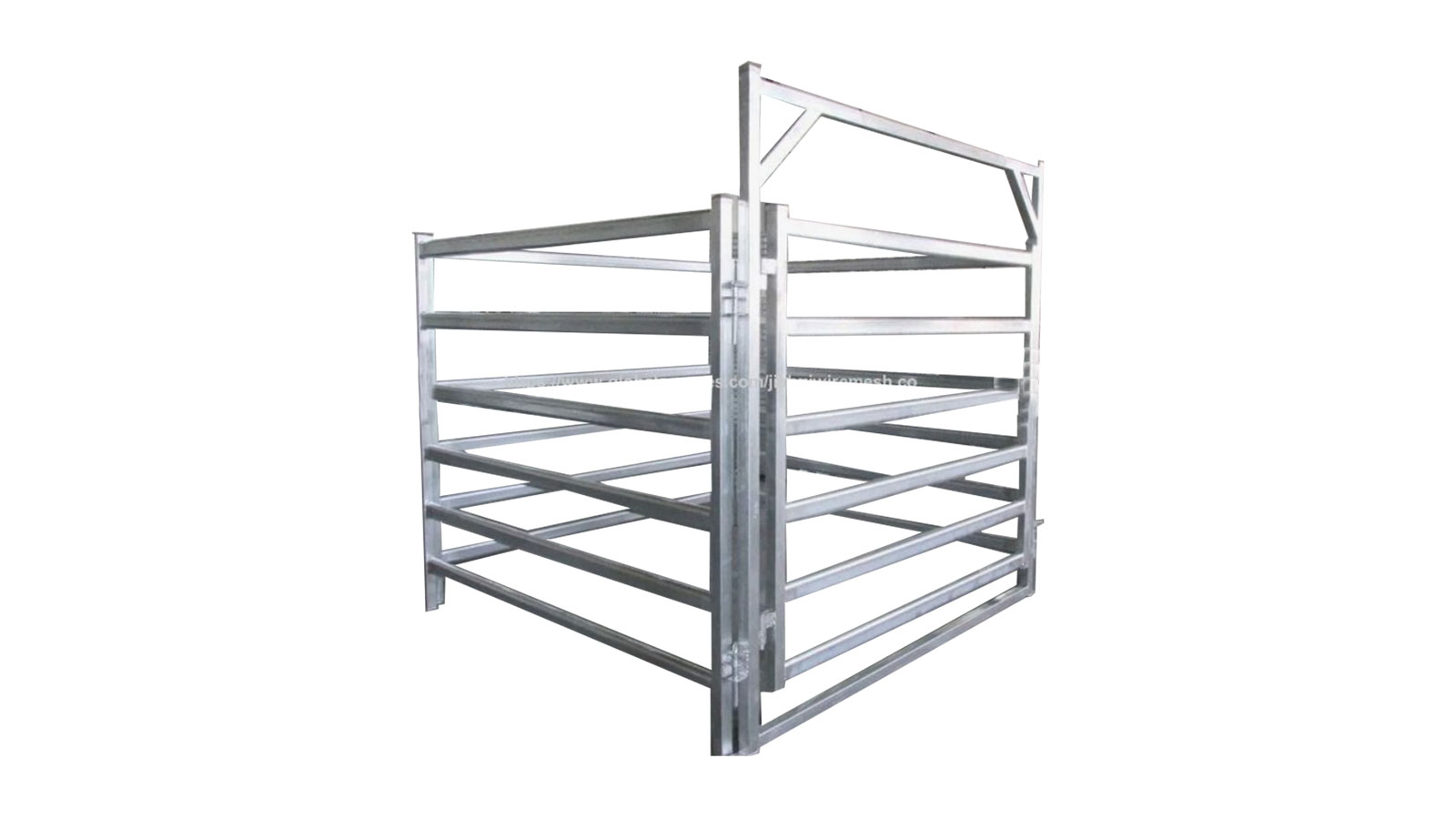
Livestock panel
Company: AnPing JiaHui Wire Mesh Co. Ltd
AnPing JiaHui’s model JH Cattle Fence 15 is a livestock panel made of investment-grade steel. It has square, oval or round rails and is factory-welded into a single, unbending unit with the preformed sections joined using pin and chain connection. This CE-marked fencing material has a galvanized finish for weather resistance.
MOQ: 50 pieces
Lead time: 7 to 25 days
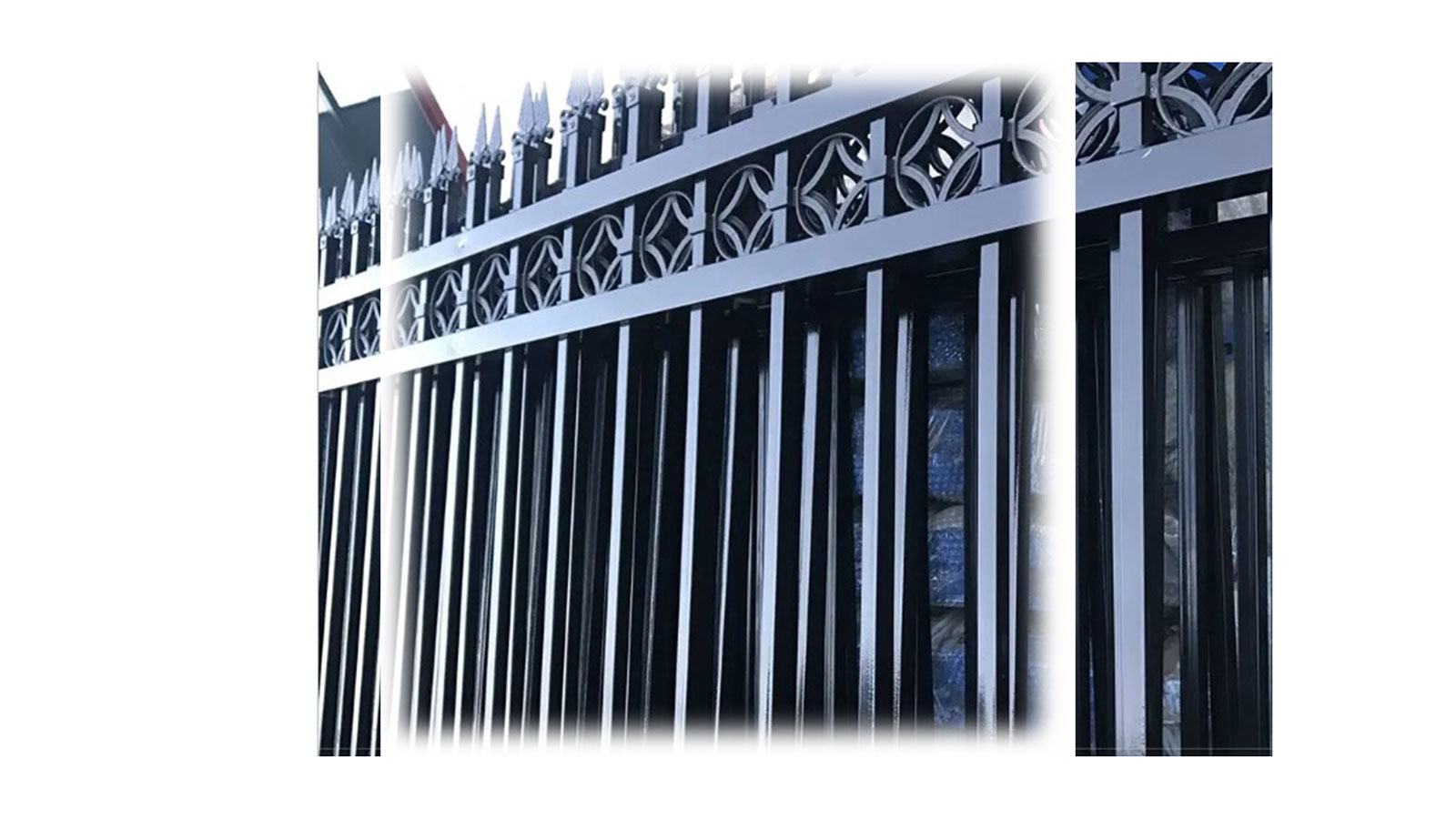
Modular fence system
Company: AnPing JiaHui Wire Mesh Co. Ltd
The JH Steel Fence 12 from AnPing JiaHui is a modular fence system with heavy-duty, welded Q195 or Q235 steel construction and hot-dip galvanized and powder-coated finish for rust and corrosion resistance. It consists of prefabricated panels, posts and necessary hardware, which can be set up with minimal tools and no welding. Panel sizes are 1.8, 2.1 and 2.4x2.4 meters and rails are 40x40mm, 30x30mm and 50x50mm, with rail thickness of 1, 1.2 or 1.5mm, while posts are 50x50mm, 60x60mm and 80x80mm. Top options are flat, spear and bent.
MOQ: 50 pieces
Lead time: 7 to 25 days
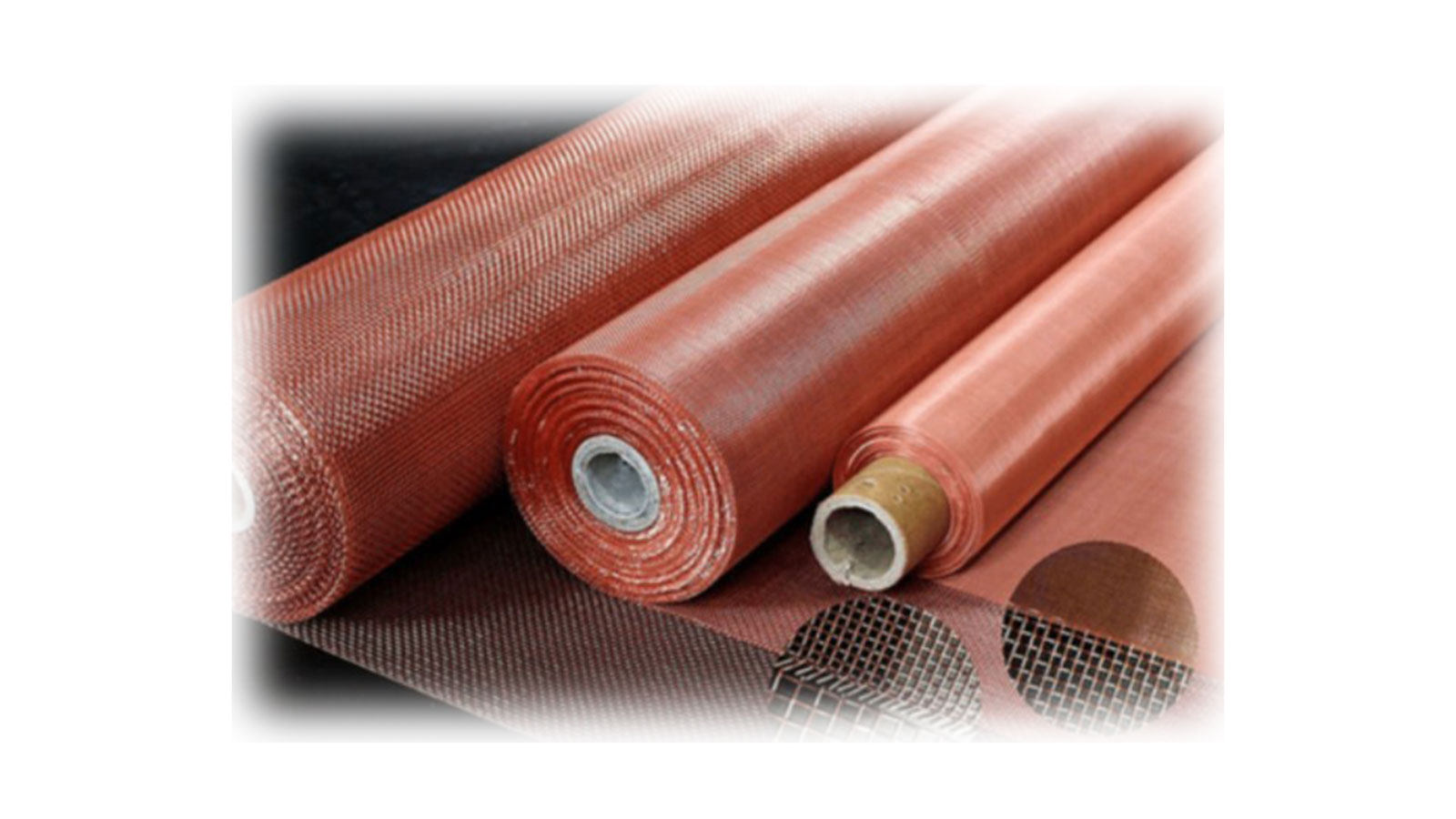
Pure-copper mesh screen
Company: Anping Dongfu Wire Mesh Co. Ltd
Anping Dongfu offers the DF-CWM-04, a mesh screen made of 99.999 percent pure copper wire with choice of diameters ranging from 0.03 to 0.7mm. This material is available in 5 to 200-mesh plain weave, up to 250-mesh twill weave and custom openings in Dutch weave. Typical widths range from 0.914 to 3 meters and lengths 30 to 150 meters. Brass and bronze versions are also available.
MOQ: 30sqm
Lead time: 7 to 15 days
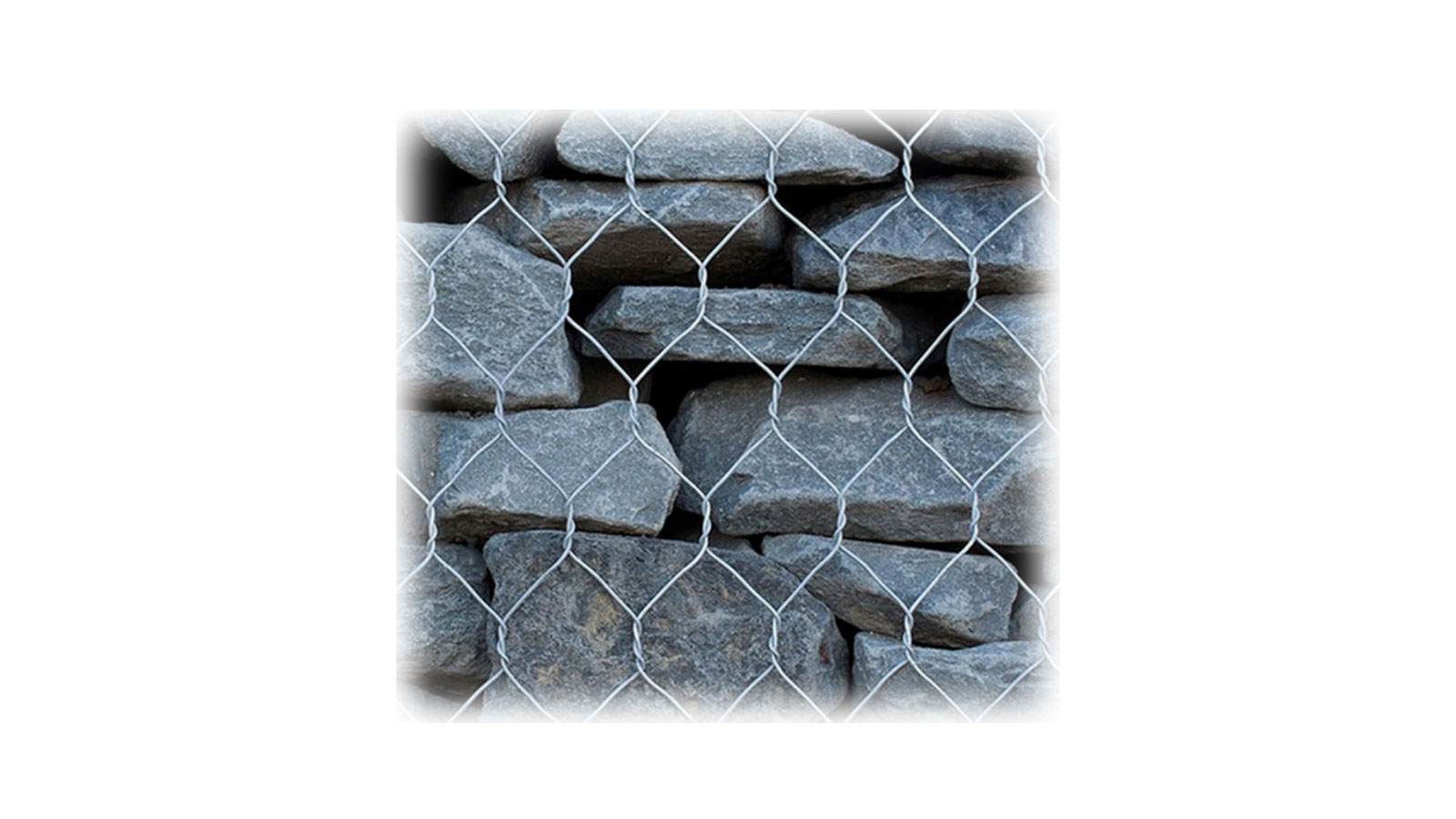
Galvanized gabion
Company: Anping Shitai Wire Mesh Products Co. Ltd
Anping Shitai’s gabion, with model number 001, is made of galvanized metal with PVC coating for corrosion and weather resistance. It is available in box, stone cage and basket versions for retaining walls.
MOQ: 500 sets
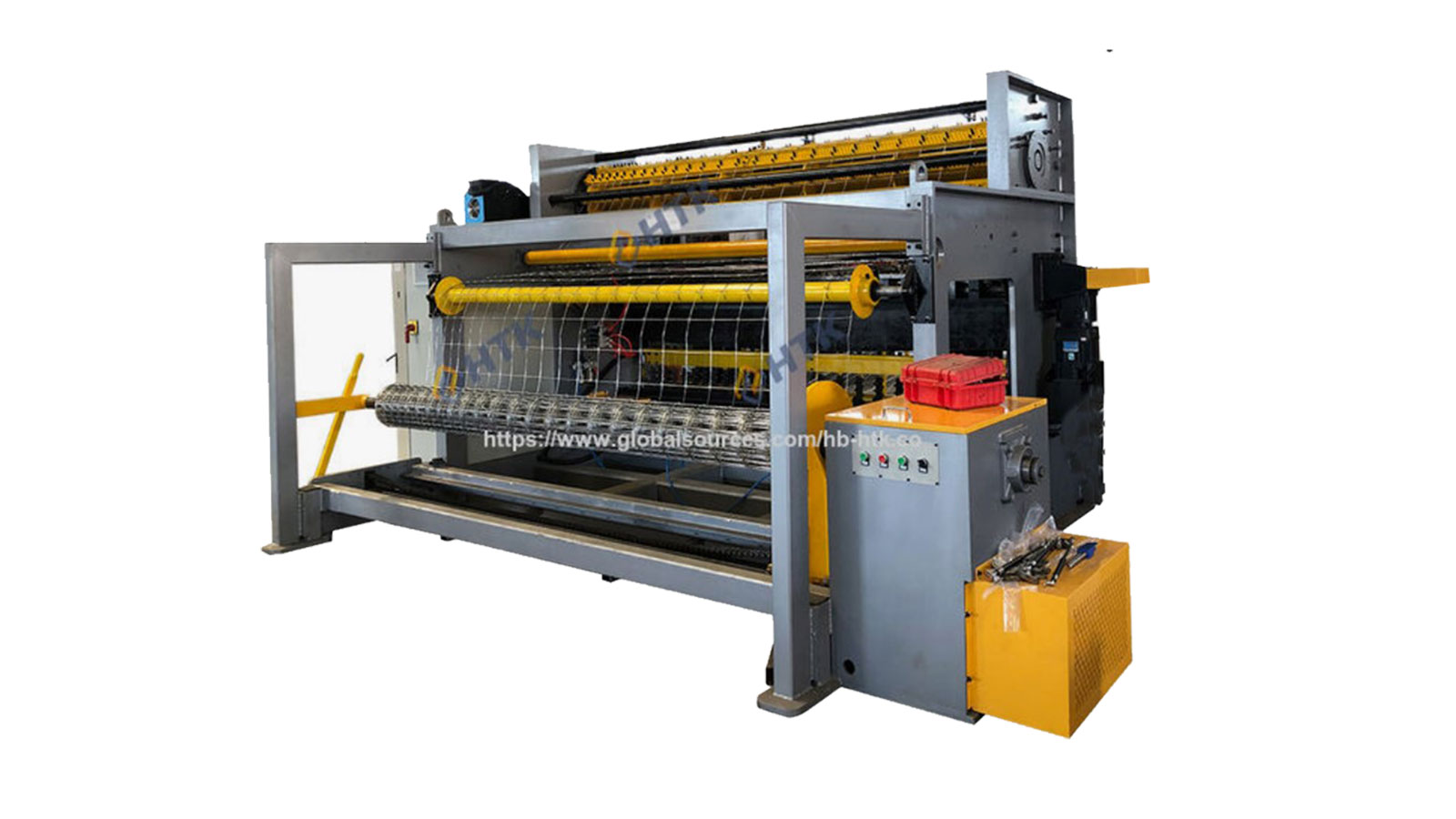
Fixed-knot game fence machine
Company: Hebei Htk Technology Co. Ltd
From Hebei Htk, the HTK-2400 is a fixed-knot game fence machine or a specialized type of wire mesh machine for weaving wrap-around fences. This computer-controlled unit is designed for safe and reliable operation and can be made according to various specifications.
MOQ: 1 set
Lead time: 25 to 45 days
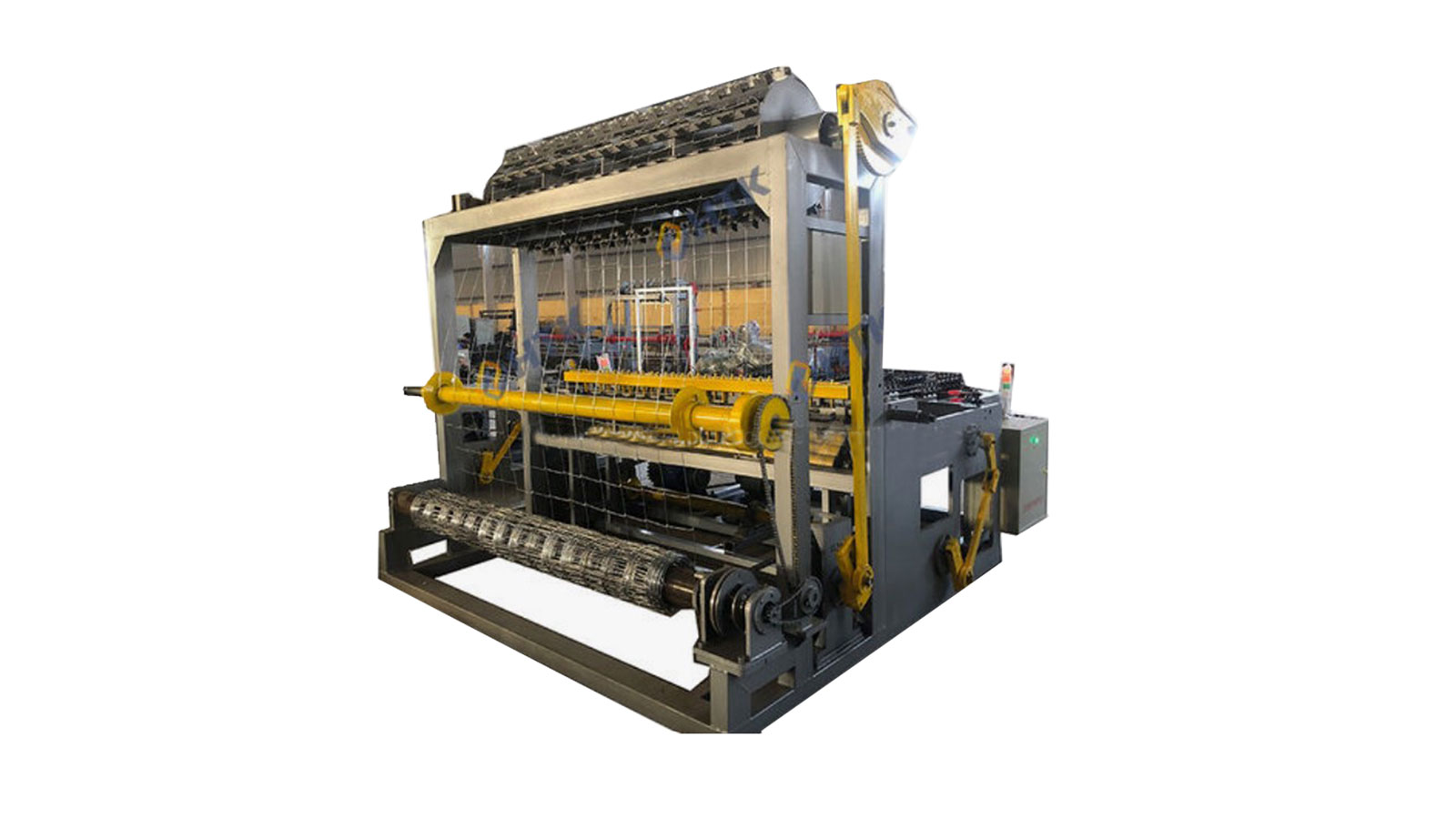
Hinge-joint fence machine
Company: Hebei Htk Technology Co. Ltd
Hebei Htk’s HTK-2100 is an automatic hinge joint grassland fence machine which can weave steel or carbon steel weft and warp wires together. The voltage rating is 220, 380 or 400V.
MOQ: 1 set
Lead time: 20 to 30 days

