




Commercial plywood is produced from thin slices of wood veneer bonded together to create a sturdy panel. This material is widely used in construction, furniture manufacturing and packaging for its strength, durability and warping and splitting resistance.
The quality, performance and suitability for specific applications of commercial plywood depend on several factors, including the type of wood veneers, adhesive and additional treatments used.
Advantages of commercial plywood over solid wood
Commercial plywood offers these benefits over solid wood, making it a preferred material in various industries.
Dimensional stability: The cross-grain construction of plywood minimizes the effects of expansion and contraction, resulting in a more stable and dimensionally consistent material compared to solid wood.
Strength and durability: Due to its layered construction and the distribution of wood grains in different directions, plywood is stronger and sturdier than solid wood of the same thickness.
Cost-effectiveness: This engineered wood product can be produced in large panels, allowing for more efficient use of materials and reducing waste and ultimately making it a more cost-effective option.
Versatility: Various grades, thicknesses and sizes are available to suit construction, furniture making and packaging applications.
Workability: Relatively easy to cut, drill and form into shapes, plywood is a versatile material for fabrication processes.
Veneers and adhesives used
Commercial plywood can be manufactured using a variety of veneers and adhesives, with the choice determining strength, appearance, durability and intended application.
Hardwood veneers include oak, maple, birch, ash and beech, and are typically denser and more durable than softwood counterparts. Such plywood is used in furniture making, cabinetry and high-end construction projects.
Douglas fir, southern pine, western red cedar and radiata pine are the usual softwood veneers available. They are lighter and more economical. Plywood based on them is suitable for general construction purposes such as sheathing, subflooring and concrete formwork.
As for adhesives, the common types used in commercial plywood include urea-formaldehyde (UF), phenol-formaldehyde (PF), melamine-formaldehyde and isocyanate.
UF adhesives are usually the choice for interior-grade plywood due to their cost-effectiveness and good bonding strength. However, they are not suitable for exterior or moisture-resistant applications. PF types are water-resistant and provide excellent bonding strength and resistance to moisture, making them ideal for outdoor use. These share the same qualities as isocyanate or moisture-cured adhesives. MF adhesives offer superior moisture resistance and are often used in the production of decorative plywood or plywood intended for high-moisture environments.
Treatments
Commercial plywood can undergo treatments to improve properties such as moisture resistance, fire retardancy and resistance to biological agents like fungi and termites.
Moisture-resistant treatments include phenolic or acrylic resin and wax or oil impregnation, while plywood may be pressure-treated with fire-retardant chemicals or applied with intumescent coatings to prevent or slow fire. Pressure treatment is also used to add preservatives such as copper-based compounds and borates, with surface application also another method.
For decorative treatments, overlays such as wood veneers, laminates and melamine are employed as well as staining or painting.
Other types of commercial plywood
In addition to hardwood and softwood plywood, there are marine, structural and decorative types.
Marine types are manufactured with water-resistant adhesives and treated for moisture resistance. They are used in boat building, outdoor furniture and exterior construction projects.
Structural plywood is designed for load-bearing applications that require specific strength and stiffness properties. Its applications include roof and floor sheathing, diaphragm construction and engineered wood products.
Decorative kinds feature attractive wood veneers or overlays in various finishes and patterns. They are used for interior paneling, cabinetry and furniture making.
Regulatory considerations when importing commercial plywood
When sourcing commercial plywood from other countries, it is essential to be compliant with relevant laws that ensure the safety, quality and environmental sustainability of the imported products.
Phytosanitary regulations: Many countries have them in place to prevent the introduction and spread of plant pests and diseases. These directives may require specific treatments, certifications or inspections for imported wood products.
Timber legality and sustainability: Some regulations require documentation or certification to make sure that imported wood products are from legal and sustainable sources.
Formaldehyde emissions: Certain countries impose a limit on formaldehyde emissions from wood-based products, including plywood. This is to protect human health and the environment from the potential risks associated with formaldehyde exposure.
Product safety and quality standards: There are specific safety and quality standards that imported commercial plywood must meet in many countries. These may cover aspects such as structural integrity, fire resistance and moisture resistance, depending on the intended application.
Labeling and documentation: Importers may be required to provide specific documentation and labeling for commercial plywood, including information on the wood species, adhesives used, treatments applied and compliance with relevant standards and regulations.
It is essential to familiarize yourself with the specific regulations and requirements of your market before proceeding with the import of commercial plywood. Consulting with local authorities, industry associations or trade professionals can help ensure compliance and smooth importation processes.
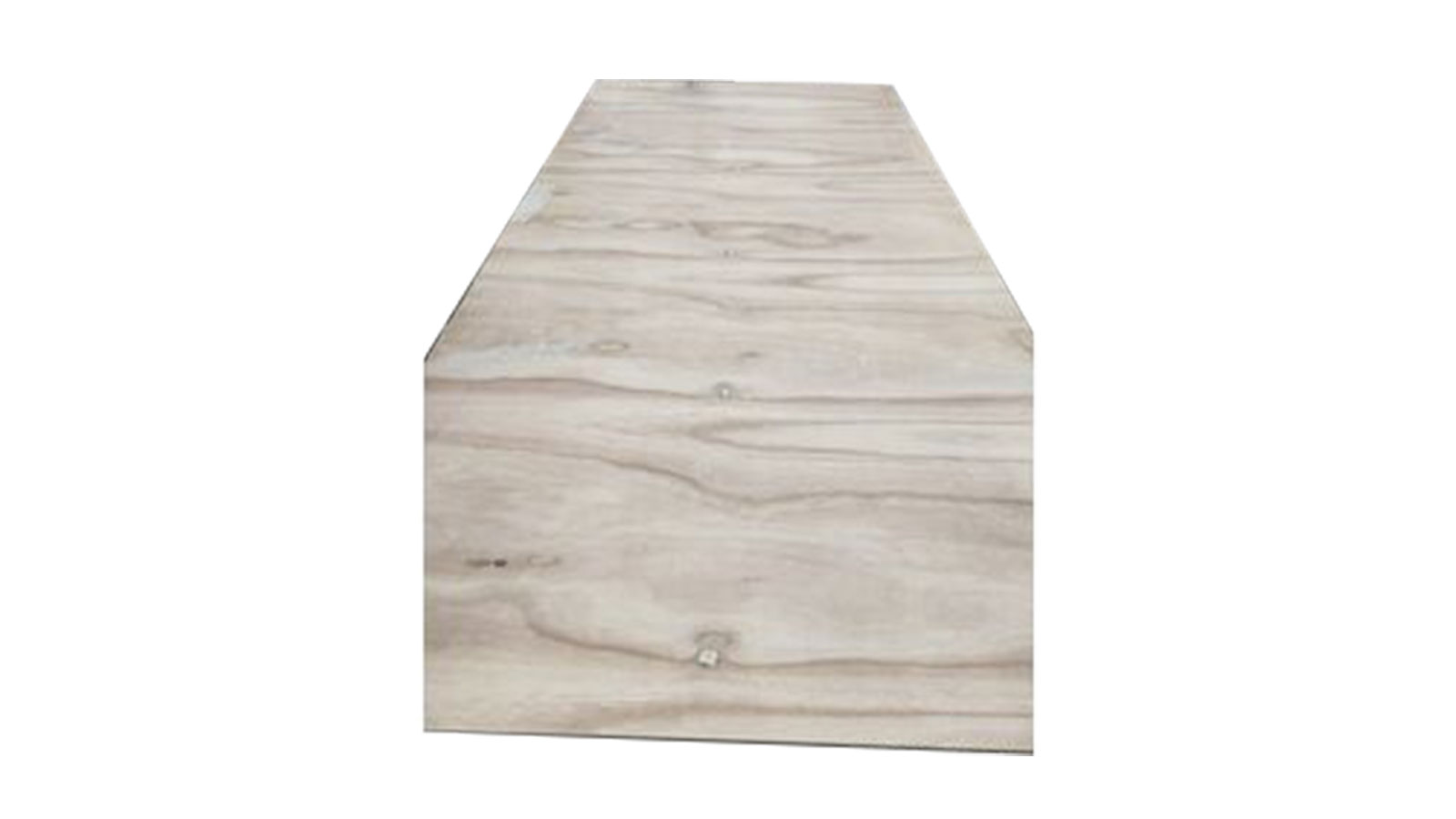
Flexible plywood, poplar core
Company: Linyi Sealand Import & Export Co. Ltd
Linyi Sealand markets a flexible plywood, the AUL-bp 0002, with Paulonia face and back veneers and a poplar core glued together using MR, melamine, WBP, E2, E1 or E0 glue. This product is available in grades of A/B, B/C, BB/CC, C+/C, C/D, D/D, D/E+ and D/E, thicknesses of 4.5, 5, 6, 7, 8, 9 and 10mm and sizes of 1,220x2,440 and 1,250x2,500mm.
MOQ: 50 cubic meters
Lead time: 15 to 20 days
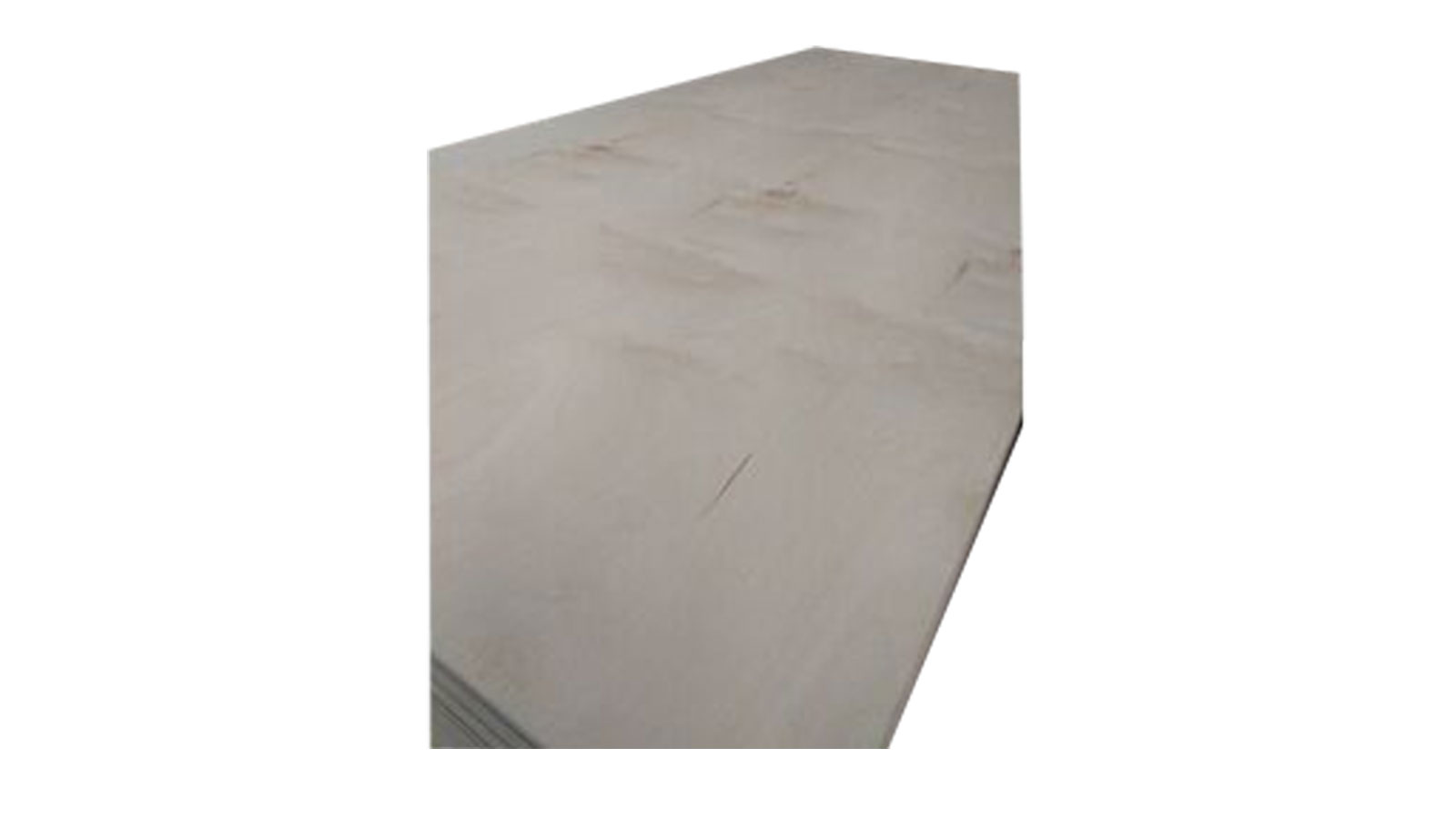
Plywood, birch face and back
Company: Linyi Jiate Import & Export Co. Ltd
The 1220*2440 1041-1984 from Linyi Jiate is a 12mm-thick plywood for furniture. It has birch face and back veneers, and a poplar, hardwood or birch core bonded with WBP, MR, E0, E1 or E2 glue. This 1,220x2,440mm product, with 8 to 14 percent moisture content, is available in CC/CC, CC/DD and buyer-specified grades.
MOQ: 50 pieces
Lead time: 7 to 10 days
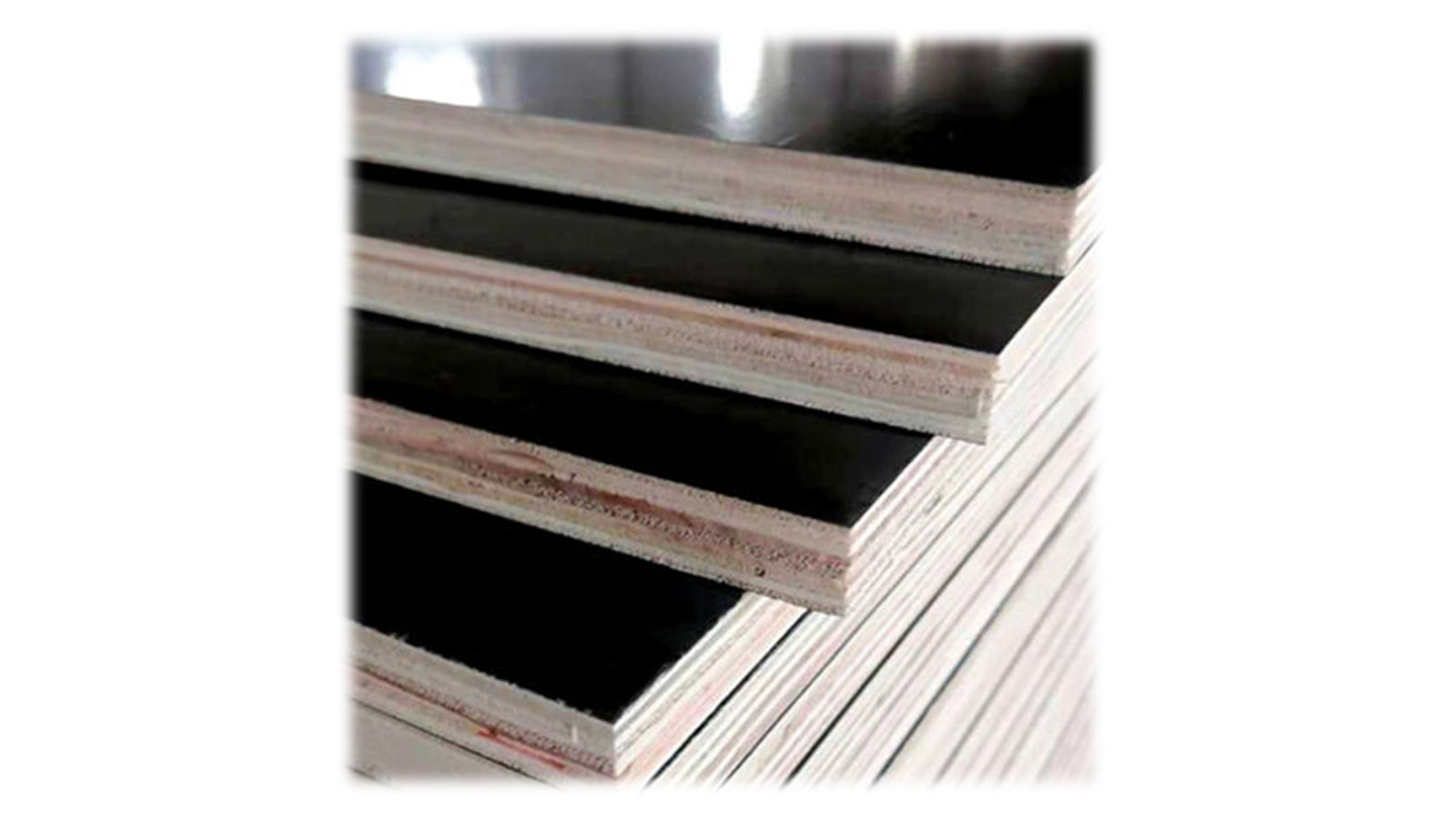
Film-faced shuttering plywood
Company: Linyi Laite Wood Fty Co. Ltd
Linyi Laite’s PP1006 is a shuttering plywood with a poplar, birch, hardwood or combination core and a black, brown, Dynea-branded brown or black or brown anti-slip film. It is bonded together with MR, or China- or Finland-made WBP glue. This CE-approved product is available in sizes of 3x6 and 3x7 feet, 1,220x2,440mm and 1,250x2,500mm, and thicknesses of 12, 15, 18 and 21mm.
MOQ: 100 pieces
Lead time: 10 to 15 days
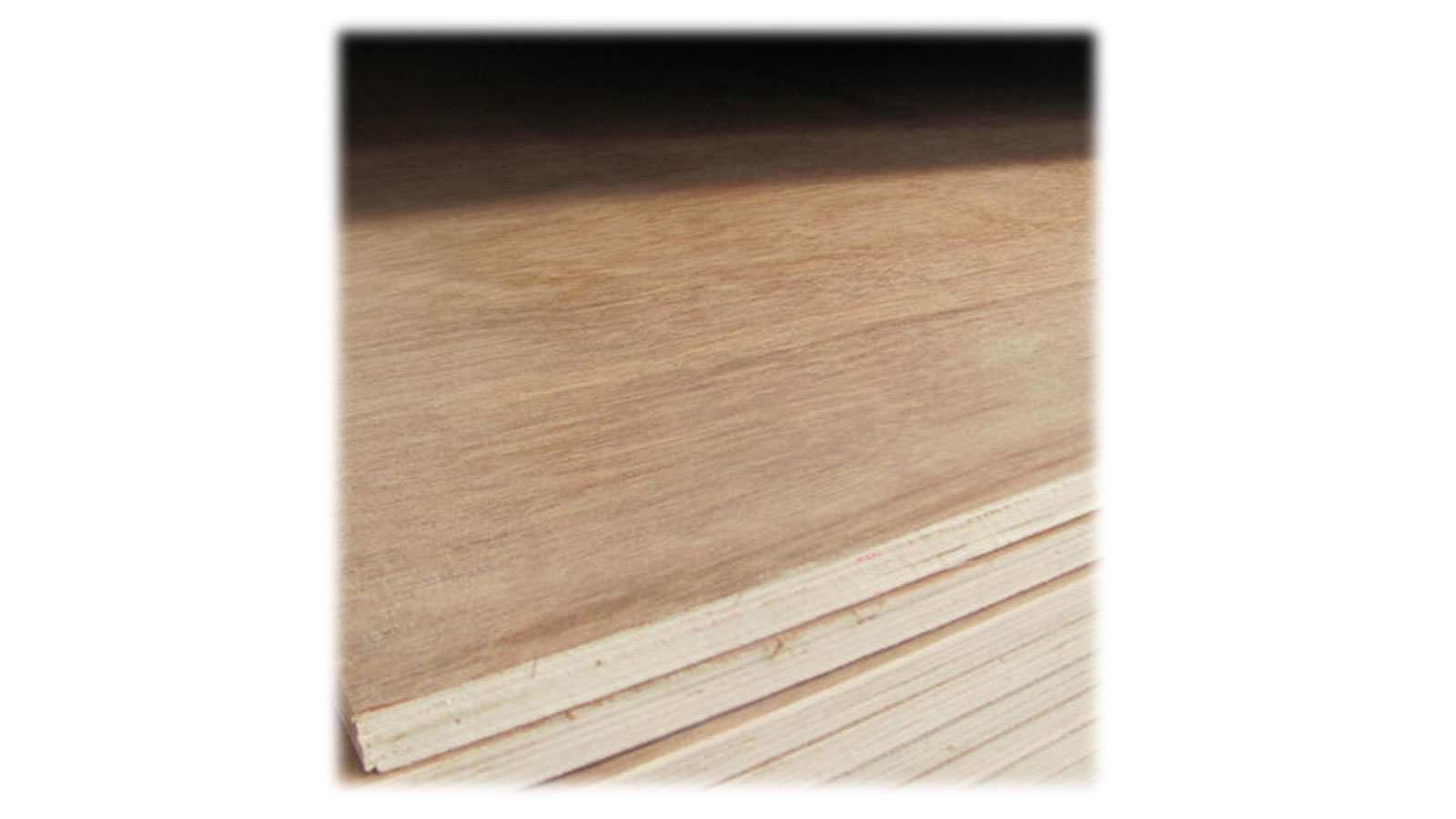
Commercial plywood, 2 to 22mm thickness
Company: Shandong Jinteli New Materials Co. Ltd
Shandong Jinteli’s model 6001 is a commercial plywood for furniture and packing applications. It has Bintangor, Okume, pine, birch front and back veneers, and a poplar, hardwood or combination core, with MR, E1 or E2 glue used. This product is available in 1,220x2,440mm and door sizes and 2 to 22mm thickness.
MOQ: 1,000 pieces
Lead time: 20 to 30 days
BB/CC-grade commercial plywood
Company: Shouguang Ruiwang Timber Industry Co. Ltd
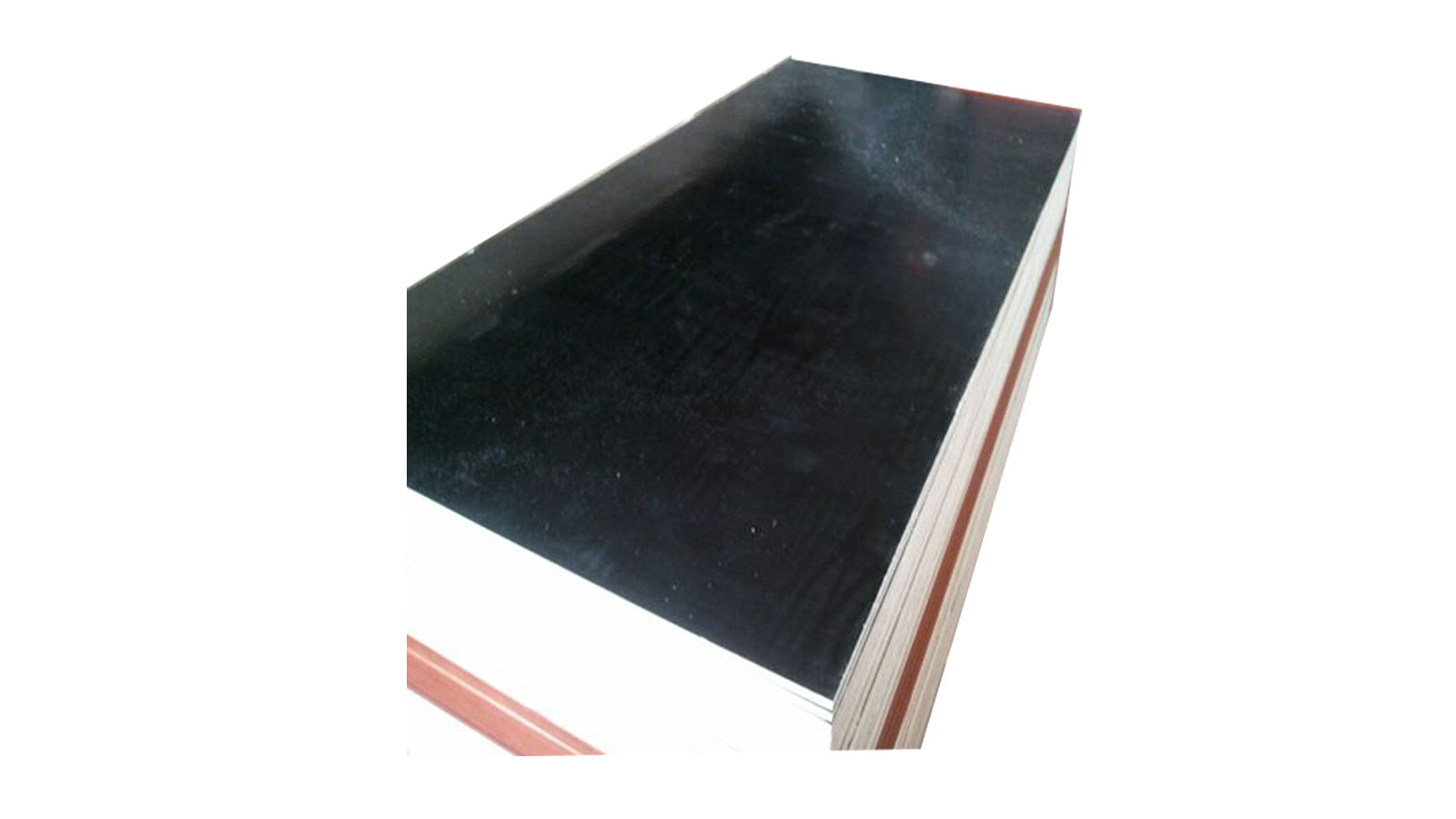
Shouguang Ruiwang’s RW-20240620002 is a BB/CC-grade commercial plywood with a poplar, hardwood, birch, pine or combination core and Okume, poplar, birch, pine, Bintangor or meranti face and back veneers. These layers are glued using MR, WBP or melamine glue, with finished thickness ranging from 2 to 25mm. Film-faced, hardboard and MDF variants are also available.
MOQ: 1 container
Lead time: 15 to 30 days
1.5 to 28mm-thick commercial plywood
Company: Shouguang Sunrise Industry Co. Ltd
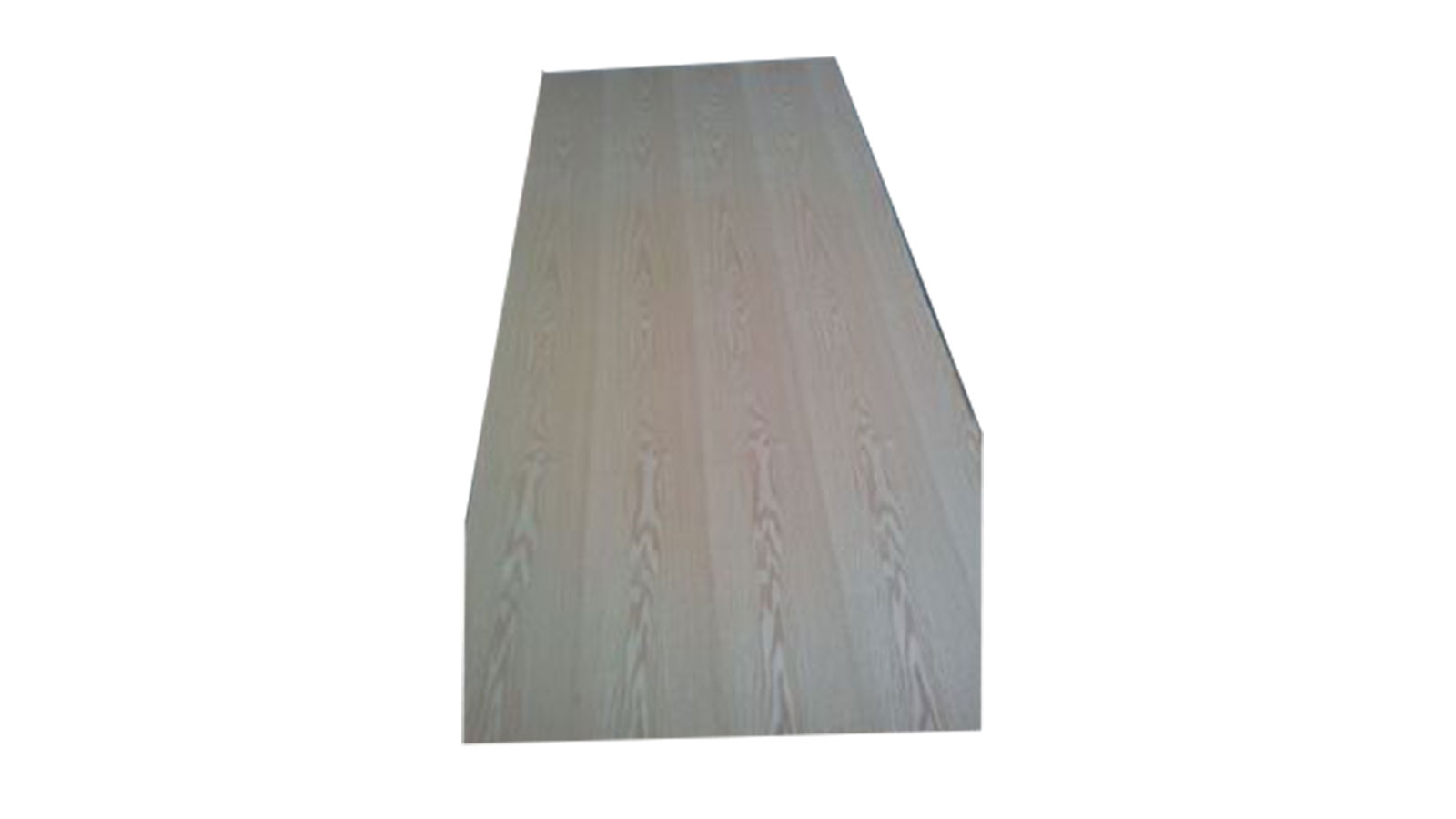
The P-001-0248 from Shouguang Sunrise is a commercial plywood with a poplar, hardwood, birch or mixed core and okoume, Bintangor, pine, birch, red oak or teak veneer. It is available in sizes of 1,220x2,440mm, 1,250x2,500mm, 915x2,135mm and 525x525mm, with thickness ranging from 1.5 to 28mm.
MOQ: 500 pieces
Lead time: 10 to 20 days

