




Digital calipers provide highly accurate and repeatable measurements. Unlike analog counterparts, they use electronic sensors and display the measured values on a digital screen, eliminating the need for manual interpretation of a dial or scale.
There are absolute and wireless types. The first, also known as "zero-setting," can retain its zero position even after being powered off, a feature particularly useful for repetitive measurements or use in different locations. The other is capable of transmitting measurement data wirelessly to a compatible device, such as a computer or a smartphone, for seamless data collection and analysis. Specialty digital calipers, meanwhile, are designed for specific applications, such as depth measurement, internal measurement or even digital micrometers.
Advantages of digital calipers over other measuring instruments
Digital calipers are the preferred choice in many industries because of these advantages.
Increased accuracy and precision: These calipers typically provide a higher level of accuracy and resolution, with measurements accurate to 0.01 or even 0.001mm, depending on the model. In addition, they are less susceptible to parallax errors and other issues that affect manual or analog measurements.
Ease of use: They reduce the risk of human error from manual interpretation and make measurements faster and more efficient. The digital display provides clear readings, which is especially helpful in low-light conditions or for users with visual impairments.
Data logging and transfer: Many digital calipers can store and transfer data to a computer or other digital devices for easy measurement collection and analysis.
In addition to their core capabilities, modern digital calipers come with a range of advanced features that enhance their functionality:
Automatic power-off: To conserve battery life, these devices are equipped with an automatic power-off function activated after a period of inactivity.
Preset and zero functions: Digital calipers usually allow users to set custom zero or reference points to perform relative measurements or track changes in dimensions more easily.
Conversion capabilities: Some models can automatically convert between different measurement units, such as millimeters, inches and fractions, providing greater flexibility for users.
Tolerance indicators: Advanced types may include built-in tolerance indicators that alert the user when a measurement falls outside of a specified range, helping to ensure quality control.
Wireless connectivity: As mentioned earlier, there are digital calipers that can transmit measurement data directly to a computer or a mobile device, streamlining data collection and analysis.
Despite their numerous advantages, digital calipers have some limitations. They rely on batteries and can become unusable when this source loses power. These calipers are more delicate than their analog counterparts and are more susceptible to drops, impacts or exposure to harsh environments. In certain industrial settings or laboratories, EMI can affect the accuracy of their measurements.
Like any precision measuring instrument, digital calipers require periodic calibration to maintain their accuracy. And while offering a wide range of measurement capabilities, they may not be suitable for extremely large or small measurements that fall outside of their specified range.
Applications of digital calipers
Digital calipers are widely used across industries that require precise and accurate measurements, including:
Manufacturing: These devices are used for QC, part inspection and dimensional verification, making them essential tools in this sector. This industry also includes jewelry making, watchmaking and electronics.
Automotive and aerospace: These industries rely on digital calipers for measuring and inspecting components, ensuring tight tolerances and product quality.
Metalworking, machining and woodworking: Machinists, metalworkers and carpenters use them to measure and verify the dimensions of parts and tools.
Medical and dental: In the healthcare sector, digital calipers are used for a range of applications, such as measuring patient limbs, dental implants and prosthetic devices.
Engineering and construction: Civil and mechanical engineers, and construction professionals utilize digital calipers for measuring structural elements, pipe diameters and building materials.
Future trends
As technology continues to evolve, the future of digital calipers is likely to include the following trends:
Increased connectivity: The integration of digital calipers with smartphones, tablets and cloud-based platforms will continue to improve data management and facilitate seamless collaboration.
Improved durability: Manufacturers will develop more rugged and water-resistant digital calipers to withstand harsh industrial environments.
Enhanced automation: Advancements in AI and machine learning may lead to the development of digital calipers with automated measurement and data analysis capabilities.
Expanded measurement capabilities: Future digital calipers will offer extended measurement ranges, improved resolution and the ability to measure complex geometries or nonlinear surfaces.
Increased adoption of wireless technology: The growing popularity of wireless digital calipers will likely drive further improvements in connectivity, data transfer and battery life.
Market size
With prospects in the manufacturing, aerospace, automotive, electronics and healthcare sectors, the global digital caliper market is forecast to reach $300 million by 2030, posting a CAGR of 5.6 percent from 2024, according to Lucintel.
Explore more selected products in Hareware
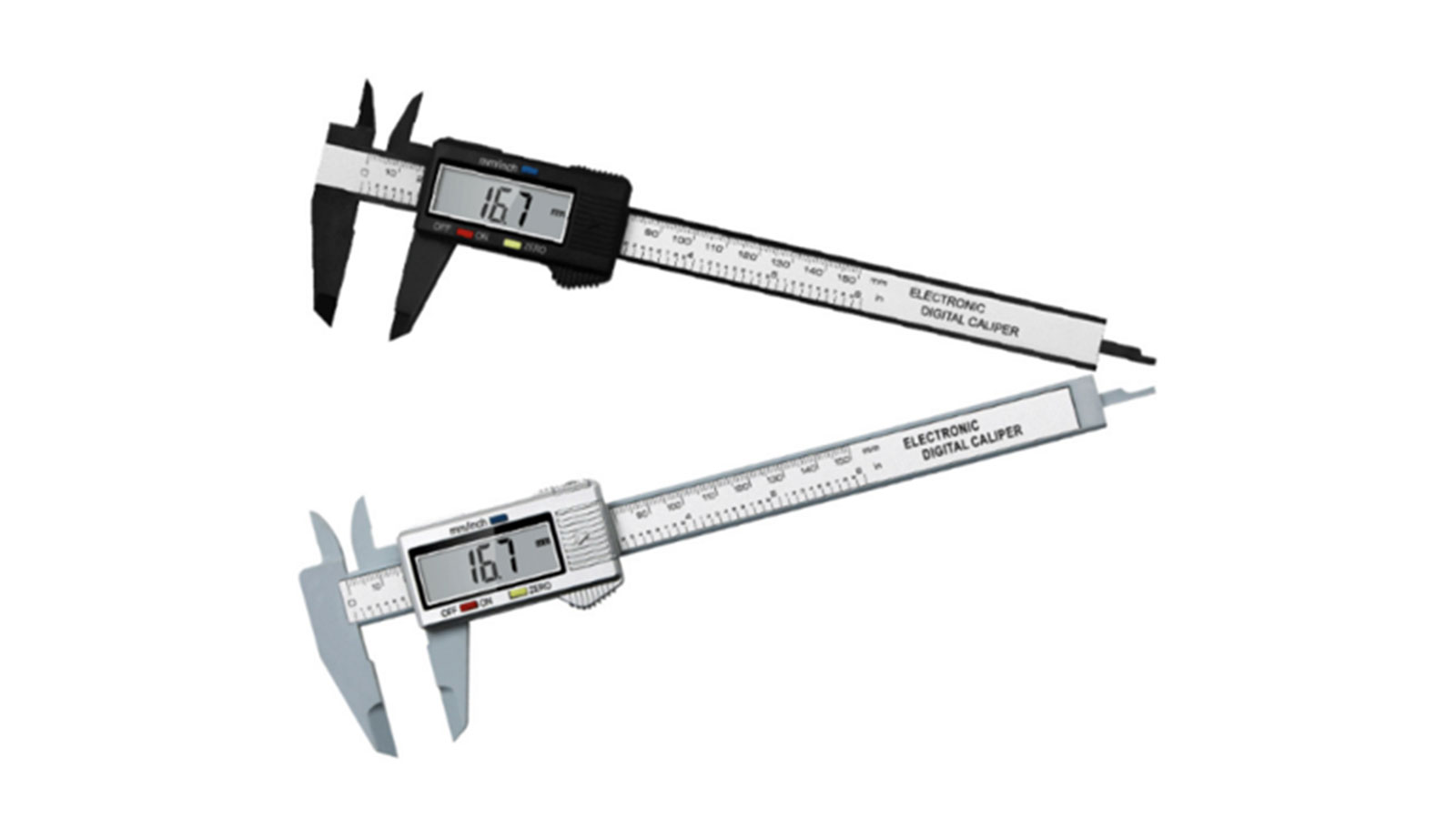
Digital caliper, up to 150mm range
Company: Good Seller Co. Ltd
Model FG-32 from Good Seller is a digital caliper that can measure outer and inner dimensions up to 150mm with ±0.1mm or 0.01in accuracy and resolution. It is made of ABS and has a magnetic stripe film scale. This tool runs on a 1.5V LR44 button battery and has a net weight of 54g.
MOQ: 2,000 units
Lead time: 15 to 30 days
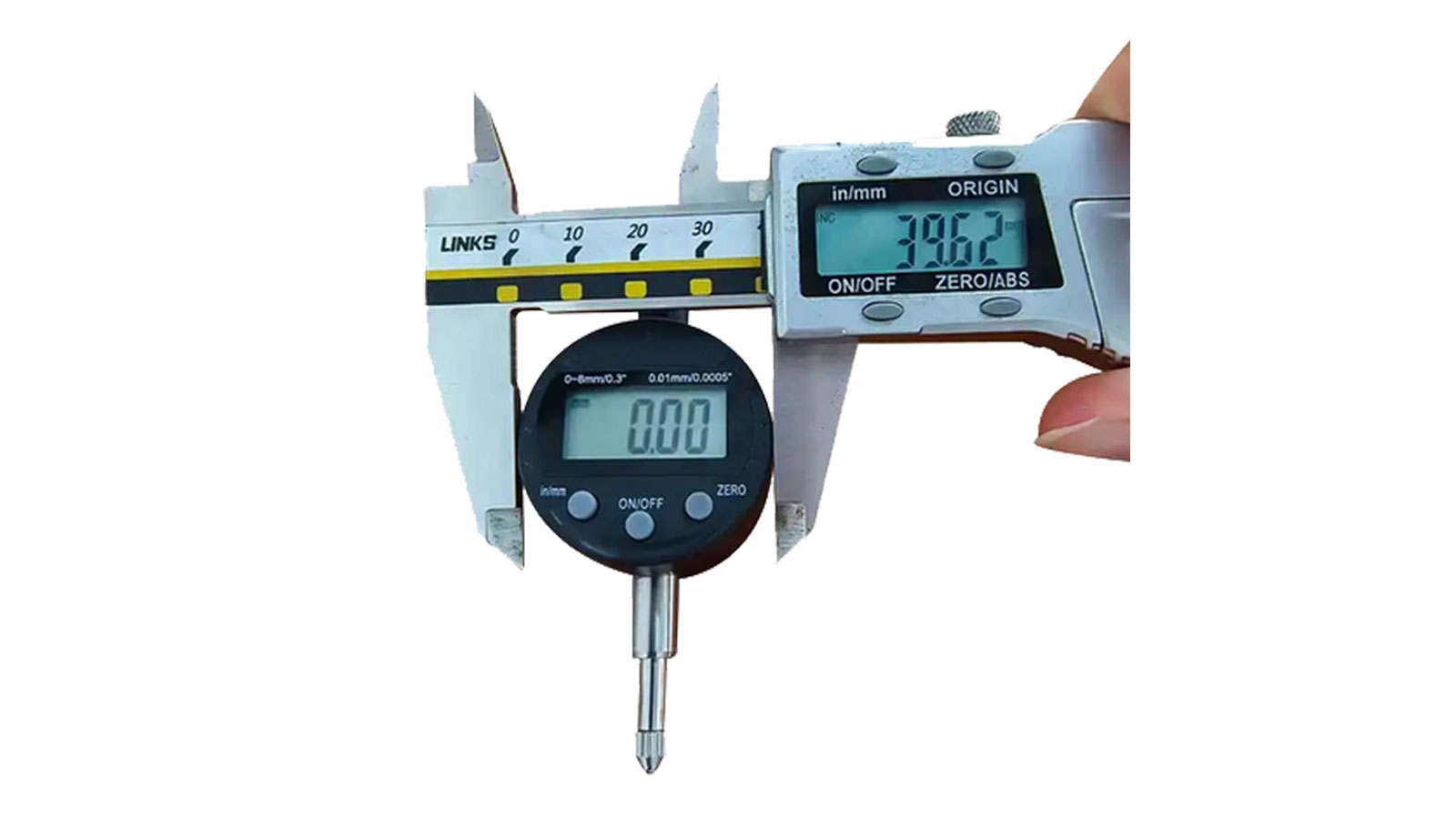
Digital caliper with zero/absolute setting
Company: KBD Tools Co. Ltd
KBD’s KBD-600-8479 digital caliper has a measuring range of 0 to 150mm or 6in. It has a button for zero or absolute setting.
MOQ: 50 units
Lead time: 15 to 30 days
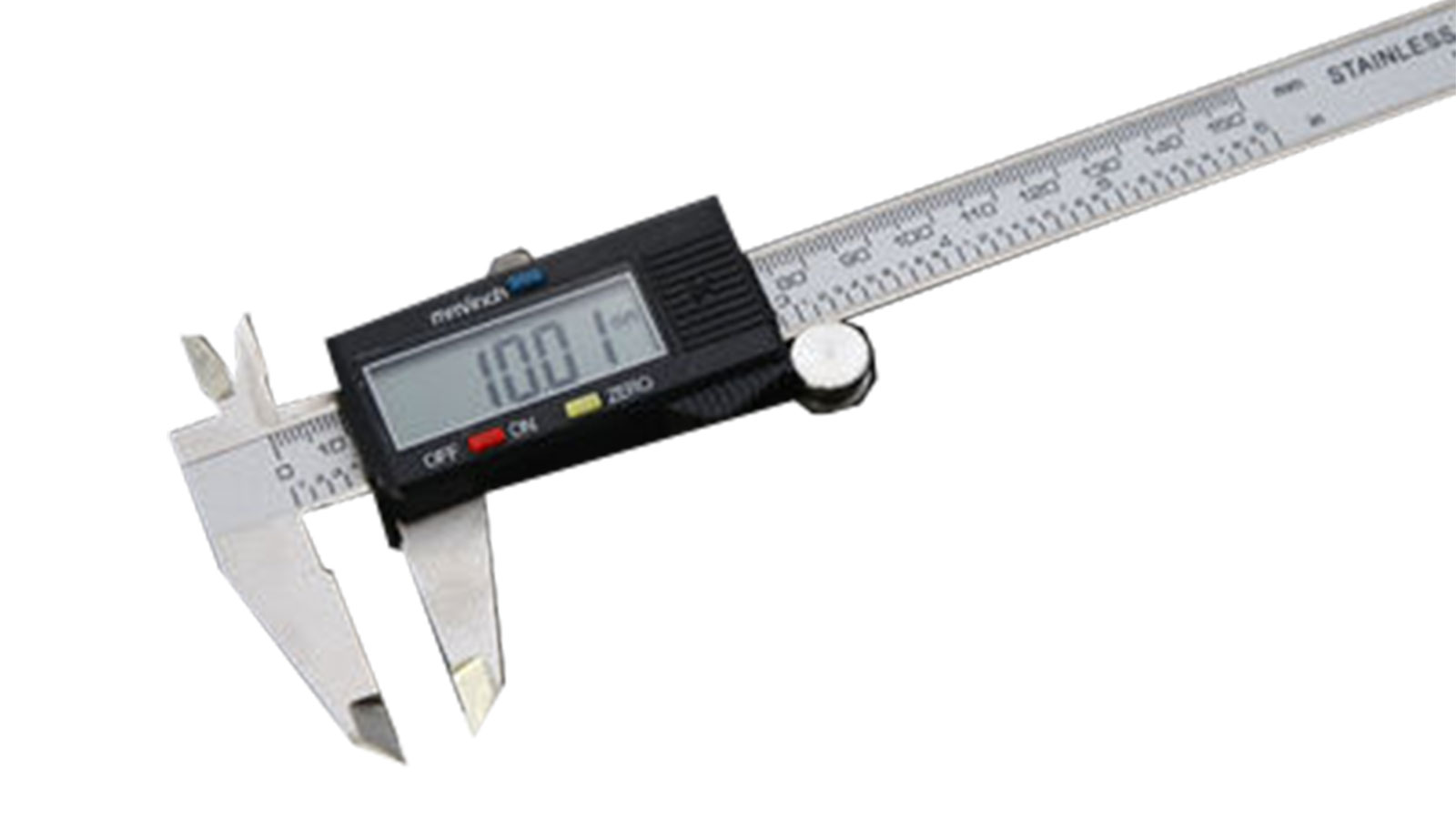
Digital caliper, 0.2mm accuracy
Company: Qingdao Tlead International Co. Ltd
This digital caliper from Qingdao Tlead, with model number 101-2611, is made of hardened stainless steel and has a bundled 1.5V LR44 button battery. It has a measuring range of 0 to 150mm or 6in, 0.2mm or 0.001in accuracy, 0.01mm or 0.0005in resolution and 5 to 40 C operating temperature. This tool includes a plastic case and a user manual.
MOQ: 1 unit
Lead time: 1 to 7 days
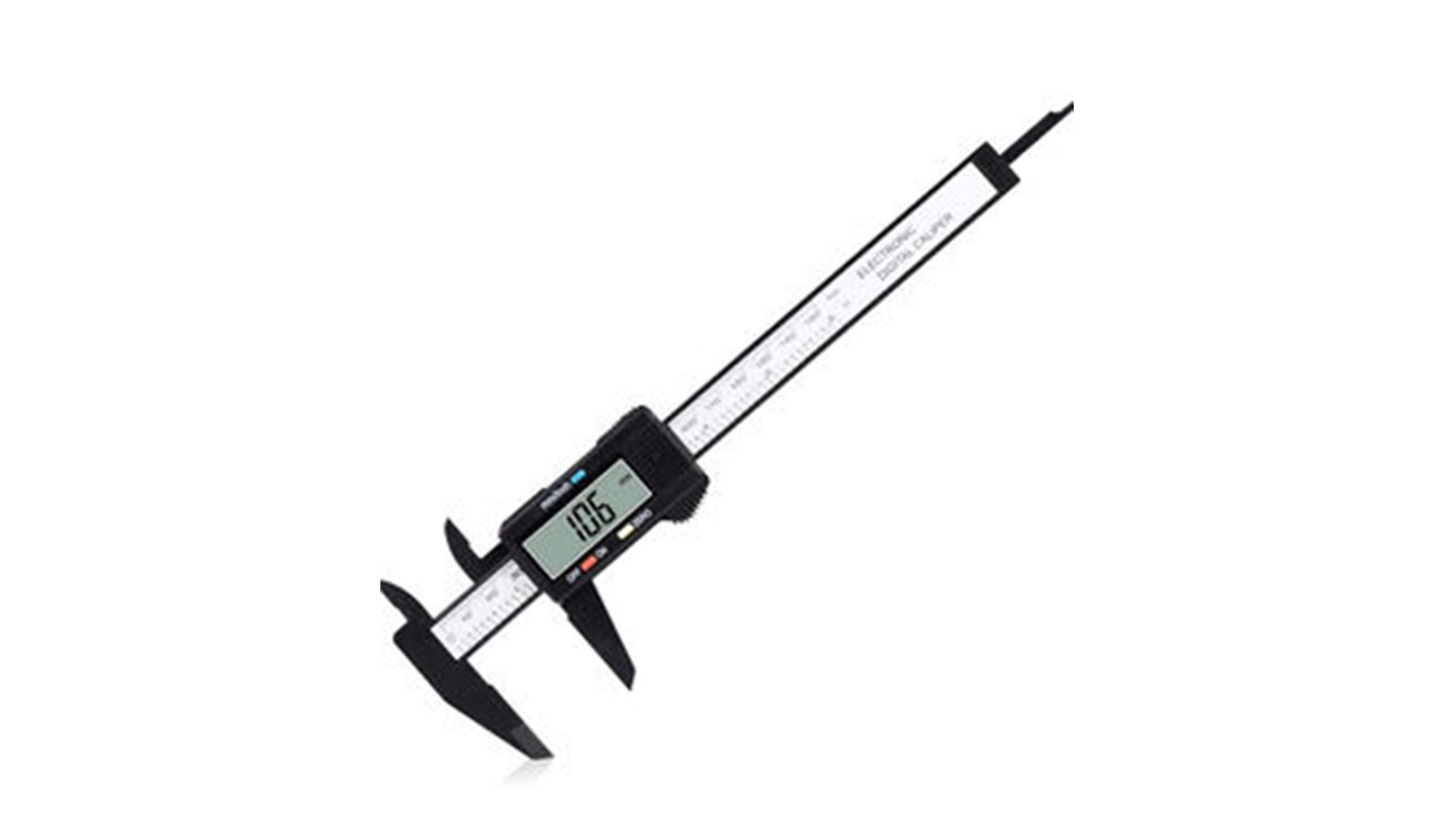
Digital caliper, 0.1mm resolution
Company: Quanzhou Maxtop Group Co. Ltd
Quanzhou Maxtop’s P6M78-805 digital caliper has 0 to 150mm or 6in measuring range, 0.1mm or 0.01 in resolution and ±0.2mm or 0.01in accuracy. It has zero-setting function that is activated with the touch of a button, and auto-shutdown feature. This device is made of carbon fiber composites and comes with installed and spare batteries.
MOQ: 10 units
Lead time: 5 to 10 days

