




In the vast expanse of the beauty industry, few enhancements have captured the fascination and adoration of fashion enthusiasts quite like fake eyelashes. These delicate fringes, designed to amplify the allure of one's eyes, have transcended their initial purpose to become a staple in beauty routines worldwide. From subtle enhancements that whisper of elegance to dramatic statements that command attention, fake eyelashes have evolved into a versatile tool for self-expression and beauty enhancement.
Yet, behind the modern-day glamour and the myriad of styles available lies a rich tapestry of history and innovation. The invention of fake eyelashes is not merely a footnote in the annals of beauty trends; it is a story woven with threads of necessity, creativity, and the relentless pursuit of aesthetic perfection. This raises the intriguing question: Why were fake eyelashes invented? To understand the present and future trajectory of this beauty accessory, one must delve into its origins and the vision of its creators.
The curiosity surrounding the invention of fake eyelashes is not unfounded. In a world where beauty standards and practices are as varied as they are dynamic, the story of how and why fake eyelashes came into being offers a fascinating glimpse into the past. It is a narrative that encompasses more than just the pursuit of beauty—it reflects the cultural, societal, and technological shifts of its time.
At the heart of this exploration is the figure who first envisioned extending beauty beyond natural limits through artificial means. Who invented fake eyelashes? This question leads us into the life and times of an innovator whose contribution to beauty culture has left an indelible mark. The history of fake eyelashes is not just a chronicle of a beauty product; it is a testament to human ingenuity and the desire to enhance natural features in new and inventive ways.
As we embark on this journey to uncover why fake eyelashes were invented, we invite readers to join us in peeling back the layers of history. This article aims not only to illuminate the origins of fake eyelashes but also to celebrate the legacy and enduring appeal of this cosmetic enhancement. Through understanding where fake eyelashes come from, we can appreciate their place in today's beauty landscape and anticipate how they might evolve in the future.
In tracing the fake eyelashes history, we are not just recounting events; we are rediscovering the spirit of innovation that propels fashion forward. Let us explore together the story behind those captivating fringes that adorn eyes around the world, revealing how a simple idea transformed into an iconic element of beauty culture.
Why Were Fake Eyelashes Invented? The Original Purpose
The invention of fake eyelashes, a cornerstone in the realm of beauty enhancements, was propelled by a dual-purpose vision: to magnify the beauty of the eyes and to offer protection against the harsh glare of bright lights. This innovative concept emerged during an era when cinema was in its infancy, and the stark lighting used on set posed a challenge not only to the comfort of actors but also to the expressive potential of their performances. The bright lights of early film sets, devoid of the nuanced lighting techniques developed later, necessitated a solution that would allow actors' eyes to stand out, conveying emotion and intention without words.
The beauty aspect of fake eyelashes cannot be understated. Even beyond the silver screen, the allure of fuller, longer lashes has been a consistent beauty goal throughout history. The desire for such enhancement stems from the eyes' pivotal role in human interaction and communication. Lashes that framed the eyes more prominently were seen as an enhancement to one's natural beauty, adding depth and intensity to one's gaze. Thus, fake eyelashes were invented not merely as a tool for visual amplification in the arts but as an accessory that could elevate an individual's aesthetic appeal in daily life.
The Visionary Behind the Lashes: Who Invented Fake Eyelashes
The story of fake eyelashes is incomplete without mentioning the visionary behind this transformative beauty accessory: Anna Taylor. In 1911, Taylor, an ingenious Canadian inventor, secured a patent for an artificial eyelash invention that laid the groundwork for what would become a staple in cosmetic enhancement. Her patent detailed a method of creating a strip of fabric or other materials onto which tiny hairs could be attached, designed to be applied directly above the natural lash line.
Anna Taylor's vision was revolutionary, aiming not just for eye enhancement but for a level of comfort and accessibility that would allow everyday women to achieve the cinematic allure previously reserved for actresses under the bright lights of early film sets. Her invention was a response to both the practical needs of performers and a broader cultural desire for enhanced beauty through fuller, more pronounced eyelashes.
The legacy of Anna Taylor's invention is evident in today's vast market for fake eyelashes, ranging from subtle, natural-looking enhancements to dramatic, statement-making designs. Her contribution to the history of beauty enhancements is a testament to human ingenuity and the enduring quest for aesthetic excellence. As we explore the history of fake eyelashes, we honor not just the product itself but the visionary spirit of those like Taylor, who saw beyond the limitations of their time to create something truly transformative.
The Dawn of a New Era: Fake Eyelashes History
The history of fake eyelashes, much like the flutter of the lashes themselves, is both fascinating and transformative. Initially rooted in the practical needs of the early 20th-century film industry, fake eyelashes quickly transcended their utilitarian origins to become a symbol of glamour and fashion. The bright, unforgiving lights of movie sets necessitated a form of eye enhancement that would allow actors' expressions to be seen clearly from the far reaches of burgeoning cinemas. This need gave birth to the early adoption of fake eyelashes, marking a pivotal moment in beauty history.
The silent film era, with its heavy reliance on visual expression over dialogue, further cemented the importance of fake eyelashes. Icons of the silver screen such as Theda Bara and Seena Owen wore them to dramatic effect, accentuating their eyes to convey emotion and allure, thus captivating audiences worldwide. Their widespread visibility on such beloved actresses did not just popularize fake eyelashes; it elevated them to an essential accessory in the arsenal of Hollywood glamour.
As the allure of Hollywood's Golden Age spread globally, so too did the fascination with fake eyelashes. They began to symbolize not only the mystique of celebrity but also a form of self-expression accessible to the everyday woman. This period marked the beginning of fake eyelashes' journey into mainstream fashion, transitioning from a film industry secret to a must-have beauty product.
Through the Decades: The History of Fake Eyelashes
The evolution of fake eyelashes over the decades reflects broader changes in fashion, materials technology, and cultural attitudes towards beauty. From their inception, the materials used for fake eyelashes have varied widely, evolving from human hair and fabric to synthetic fibers and mink fur. This diversification in materials not only improved the realism and comfort of fake eyelashes but also made them accessible to a broader audience with varying preferences and budgets.
The 1960s saw a significant surge in the popularity of fake eyelashes, thanks in part to fashion icons like Twiggy, who wore them on her lower lashes in an exaggerated style that became emblematic of the era. This period also saw innovations in the form of disposable lashes and improved adhesives, making fake eyelashes more user-friendly and affordable.
As we moved into the late 20th and early 21st centuries, the variety of styles available exploded. Today's market offers everything from subtle, natural-looking lashes for everyday wear to dramatic, voluminous options for special occasions. The advent of magnetic lashes and advancements in lash extension techniques have further expanded the possibilities for eye enhancement.
Moreover, the digital age and the rise of social media influencers have played a pivotal role in the continued popularity and evolution of fake eyelashes. Beauty trends now spread faster than ever before, with fake lashes being a staple feature in makeup tutorials and beauty blogs. This has encouraged innovation within the industry, leading to more sustainable materials and inclusive designs that cater to a diverse range of eye shapes and aesthetic preferences.
The history of fake eyelashes is a testament to the dynamic interplay between fashion, technology, and culture. From their origins in the early film industry to their status as a ubiquitous beauty tool today, fake eyelashes have undergone a remarkable transformation. They are no longer just a means to enhance beauty or convey emotion on screen; they are an expression of individuality and a celebration of creativity in personal grooming.
In tracing the evolution of fake eyelashes, we witness not just changes in style and material but also a broader shift in societal attitudes towards beauty and self-expression. Fake eyelashes have stood the test of time, evolving with us and reflecting our changing world back at us through the windows of our souls—the eyes.
Beyond Beauty: Fake Eyelashes as Cultural Symbols
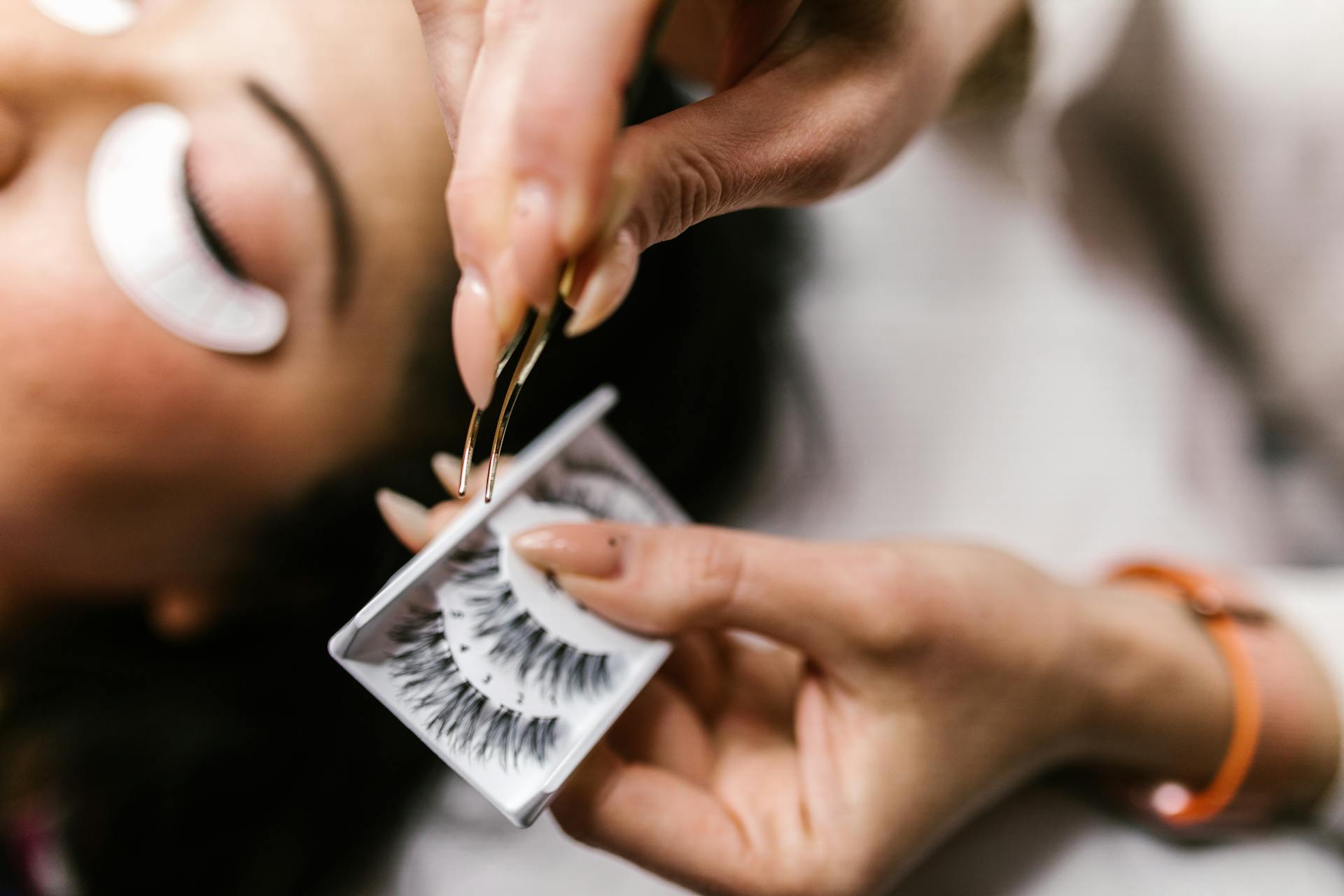
The journey of fake eyelashes from a niche invention to a global beauty staple is not just a story of fashion evolution; it's a narrative deeply intertwined with changing societal trends and cultural shifts. Throughout their history, fake eyelashes have mirrored the zeitgeist, reflecting and sometimes challenging prevailing beauty norms and societal expectations.
In the roaring 1920s, the adoption of fake eyelashes among flappers was not merely a beauty trend but a statement of rebellion against traditional norms of femininity and modesty. This era's embrace of bolder fashion choices, including shorter hairstyles and more revealing outfits, was complemented by dramatic eye makeup, with fake eyelashes accentuating the look. Thus, fake eyelashes became symbols of newfound female autonomy and self-expression.
The post-war 1950s and the conservative turn in fashion saw a more subdued use of fake eyelashes, often reserved for special occasions or the silver screen. However, the swinging 1960s brought them back into the forefront of beauty trends, reflecting the decade's spirit of experimentation and liberation. During this time, fake eyelashes became associated with the youth culture's challenge to established norms, embodying the era's quest for freedom and individuality.
The Legacy Continues: How Fake Eyelashes Shape Modern Beauty Standards
In today's beauty industry, fake eyelashes continue to play a pivotal role in shaping fashion and self-expression. Their evolution has kept pace with the rapid changes in beauty standards, driven by the advent of social media and the global exchange of cultural aesthetics. Now more than ever, fake eyelashes are not just about achieving a particular standard of beauty but about offering individuals the tools to craft their unique looks.
The current landscape of fake eyelashes is characterized by an unprecedented variety, from natural-looking extensions to dramatic, colorful, and themed lashes. This diversity reflects a broader cultural movement towards inclusivity and personalization in beauty. Fake eyelashes today cater to a wide array of preferences and identities, enabling wearers to express themselves in ways that transcend traditional beauty norms.
Moreover, the rise of beauty influencers and online tutorials has democratized access to fake eyelashes, making them a tool for artistic expression as well as a beauty enhancer. The visual platform provided by social media allows for the sharing of diverse looks and techniques, further cementing the role of fake eyelashes in contemporary beauty culture.
Fake eyelashes also play a significant role in the professional beauty industry, with makeup artists leveraging them to achieve transformative looks for fashion shows, photo shoots, and bridal makeup. Their ability to instantly uplift and dramatize the eyes makes them indispensable in creating visual impact and storytelling through makeup.
In conclusion, the cultural and societal impact of fake eyelashes extends far beyond their origins as a protective measure for actors under harsh studio lights. They have become powerful symbols of changing beauty ideals, reflecting societal trends and cultural shifts. As they continue to evolve, fake eyelashes remain at the forefront of the beauty industry, shaping modern standards of beauty and offering endless possibilities for self-expression and creativity.
Embrace Your Glamour, The Time-tested Allure of Fake Eyelashes
In tracing the origins and evolution of fake eyelashes, we've journeyed from the pragmatic beginnings aimed at enhancing beauty and providing protection against harsh lighting, to their status today as a versatile and ubiquitous beauty tool. Anna Taylor's pioneering patent in 1911 marked the inception of fake eyelashes, setting the stage for a beauty revolution that would extend far beyond the silver screen. Initially serving the needs of actors to communicate visually in the early days of cinema, fake eyelashes soon captivated the broader public, symbolizing glamour and elevating personal style.
Throughout the decades, fake eyelashes have mirrored societal shifts and cultural trends, evolving in materials, styles, and significance. From the roaring 20s flapper's emblem of rebellion to the expressive tool of the 60s youth culture, and into today's era of inclusivity and self-expression, fake eyelashes have consistently reflected and influenced the zeitgeist.
Their impact on modern beauty standards and the industry is undeniable. Fake eyelashes have not only broadened the spectrum of beauty ideals but also empowered individuals to tailor their aesthetic and express their identity uniquely. This evolution speaks volumes about the dynamic nature of beauty, fashion, and cultural expression, showcasing how a single invention can transcend its original purpose to become a symbol of change and creativity.
As we consider the lasting impact of fake eyelashes on both the beauty industry and cultural trends, it's clear they are more than just a tool for enhancement—they're a canvas for self-expression. We invite you to share your thoughts on the evolution of fake eyelashes and how you perceive their role in shaping modern beauty standards. Whether it's a reflection on their historical significance or an observation of their place in contemporary culture, your insights contribute to the ongoing dialogue about beauty, identity, and transformation.

