Download App
Better Online and Trade Show Sourcing Experiences.Scan the QR code to download.
Learn More
Hot Topics
The formats can coexist on the same TVs, but Dolby charges for its content format.
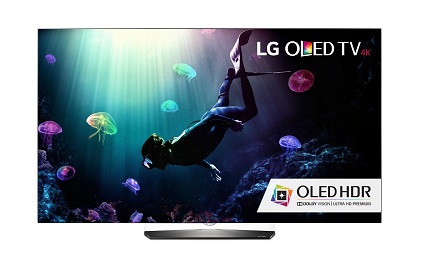
LG's OLED 4K UHD TVs with Dolby Vision start at about $2,500 for a 55in model (Source: LG)
Content wars are always messy because it is not clear to consumers what the benefits are for one format versus another. When those formats are translated to physical media, consumers ultimately have to decide. The classic examples here are Betamax versus VHS, which later turned to HD DVD versus Blu-ray. The latest content war, however, appears to be playing out among TV makers, which are caught between Dolby Vision and HDR10.
HDR has gotten a lot of attention recently and is being used in many high-definition TVs coming out these days. Dolby believes it has something better, and the company has a point. However, Dolby charges for the right to use its format and TV suppliers are not sure how much consumers will care enough to pay more for the these TVs.
ABI Research noted that manufacturers are struggling with the decision to include Dolby Vision, which can work in TVs that support HDR10. In the long run, this might be a good idea. ABI said Dolby Vision will win as the format of choice for streaming videos and other on-demand content while HDR10 will still be the standard for broadcast channels.
Dolby Vision is getting support from many content creators such as large movie studios, including HBO, Paramount, Sony Pictures and Universal, according to ABI. The reason might have to do with some of the superior technical aspects of Dolby Vision over HDR 10. Dolby Vision uses dynamic metadata, allowing the TV to adjust settings such as color and brightness for each scene. HDR10 only serves up metadata at the beginning of a program. Dolby Vision also offers 12 bits per color instead of HDR10's 10 bits. HDR might improve this in the future, but that would still require updates to the format.
Makers might have some time before they have to worry too much about Dolby Vision. It takes a while for formats to become standards in an industry. The support among content creators suggests Dolby Vision could have a bright future, but many people are still watching older content they already own on earlier HDTVs. HDR is often heavily advertised with 4K TVs. As more consumers start shelling out much more money for 4K TVs, it would behoove suppliers to support both Dolby Vision and HDR. Meanwhile, China makers continue to drive prices down for more common 1080p LCD TVs.
More Sourcing News
Read Also

关注 “环球资源外贸” 官方微信,获取实时外贸资讯
iOS & Android
iOS & Android(Mainland China)
Copyright © 2026 Publishers Representatives Limited. All rights reserved.




