




Image from iStock
The global drone industry has experienced remarkable growth over the past decade, transforming from a niche hobby into a multibillion-dollar market encompassing consumer, commercial and industrial applications. At the heart of this expansion lies a complex international supply chain, with component manufacturing concentrated heavily in Asia and distribution networks spanning every continent. For drone builders, repair technicians and operators seeking to reduce costs or access specialized components, understanding overseas sourcing has become an essential skill.
Drone hardware capital
Drone component manufacturing is dominated by Chinese suppliers, with the city of Shenzhen serving as the global capital of drone hardware production. This concentration emerged from decades of electronics manufacturing infrastructure development in the Pearl River Delta region, creating an ecosystem where component suppliers, assembly facilities and logistics providers operate in close proximity. The result is a remarkably efficient supply chain capable of producing everything from entry-level toy drones to sophisticated commercial platforms at price points that domestic manufacturers in North America and Europe struggle to match.
Beyond China, Taiwan maintains significant capabilities in precision electronics and semiconductor components, while South Korea contributes advanced battery technology and display systems. Vietnam, Thailand and Malaysia have attracted manufacturing investment as labor costs, though their drone-specific component industries remain less developed than their Chinese counterparts. European manufacturers occupy premium niches, producing high-specification connectors, specialty materials and certified avionics components for professional and military applications where cost sensitivity takes a backseat to performance and regulatory compliance.
The overseas sourcing landscape divides broadly into wholesale and retail channels. Direct factory purchasing offers the lowest per-unit costs but typically requires minimum order quantities in hundreds or thousands of pieces, making it practical primarily for manufacturers and large-scale resellers. Online marketplaces have democratized international procurement by aggregating suppliers willing to fulfill small-quantity orders, though this convenience comes with trade-offs in quality consistency and supplier accountability. Trading companies and consolidators occupy the middle ground, purchasing in bulk from factories and breaking shipments into smaller lots for international buyers, adding markup but reducing minimum order barriers and providing quality screening services.
Block mounts
Block mounts serve as the mechanical interface between drone frames and the various components they carry, from cameras and gimbals to sensors and payload systems. Their seemingly simple function belies the engineering precision required to maintain alignment under vibration, absorb shock during landing and distribute loads without introducing stress concentrations. Overseas sourcing of these components offers significant cost advantages, particularly for standardized designs, though quality verification requires careful attention.
Chinese manufacturers dominate the block mount market, leveraging extensive CNC machining capabilities and injection molding infrastructure to produce components at scale. When evaluating suppliers on various online marketplaces, transaction history and customer reviews provide initial filtering criteria, though these metrics can be manipulated and should not substitute for direct verification.
Material quality represents the primary variable in block mount performance and longevity. Aluminum mounts should specify the alloy grade, with 6061-T6 and 7075-T6 being common choices offering good strength-to-weight ratios and corrosion resistance. Injection-molded plastic mounts vary dramatically in quality depending on whether virgin or recycled material is used and whether appropriate engineering plastics like nylon or PC are employed versus commodity materials like basic ABS.
Requesting material certifications and detailed tolerance specifications before ordering establishes clear expectations and provides recourse if delivered products fail to meet agreed standards. Sample orders before committing to bulk quantities allow physical inspection of machining quality, thread precision and finish consistency. For vibration-dampening mounts incorporating rubber or silicone elements, durometer specifications should be confirmed, as improper hardness significantly affects isolation performance.
Overseas machine shops offer attractive options for custom mount designs, with many suppliers providing CNC machining services. Communication presents the primary challenge, as technical drawings must convey precise requirements despite potential language barriers. Providing drawings in standard formats with explicit dimensional tolerances, material callouts and surface finish specifications minimizes ambiguity. Many experienced buyers report success using detailed 3D CAD files alongside 2D drawings with critical dimensions highlighted.
Minimum order quantities for custom work depend on complexity and supplier policies, though some shops accept smaller runs at premium pricing.
Plastic frames
The frame constitutes the structural foundation of any drone, determining its durability, weight and geometric configuration. While carbon fiber dominates the high-performance segment, plastic frames offer compelling advantages for training aircraft, indoor flyers and applications where cost and repairability take priority over absolute rigidity. International suppliers provide access to both established frame designs and generic alternatives at prices substantially below domestic retail.
The market for plastic drone frames spans a spectrum from branded products with engineering validation to unbranded clones of uncertain provenance. Established brands maintain international distribution networks while manufacturing in China offers reasonable assurance of consistent quality and replacement part availability.
Generic and unbranded frames populate the lower price tiers, sometimes offering remarkable value and other times delivering disappointing quality. Evaluating supplier transaction histories, reading buyer reviews with attention to structural comments rather than just shipping speed, and examining product photos for manufacturing quality indicators helps filter options. Frames showing visible flash, uneven surfaces or inconsistent coloring in photos likely exhibit worse defects in person.
Plastic frame quality depends heavily on material selection and manufacturing process control. Virgin engineering plastics like glass-filled nylon, PC and high-impact ABS provide the mechanical properties appropriate for flight structures, while frames produced from recycled commodity plastics may appear similar but fail under stress or become brittle over time. Unfortunately, distinguishing between these categories from online listings proves difficult without physical samples or explicit material documentation.
Injection molding quality indicators visible in photographs include clean parting lines without excessive flash, consistent wall thickness apparent from translucency variations and accurate geometry without warping or sink marks. Requesting material data sheets from suppliers provides formal documentation of plastic specifications, though smaller suppliers may lack this documentation for their products. When material documentation is unavailable, purchasing from established brands with reputations to protect offers more assurance than selecting purely on price from unknown suppliers.
Plastic frames, despite their durability in normal use, can suffer damage during international shipping if inadequately packaged. Thin structural members and snap-fit attachment points are particularly vulnerable to impact damage when packages are handled roughly in transit. Specifying packaging requirements when ordering, particularly for larger or more delicate frame designs, helps prevent arrival damage.
Consolidating frame orders with other components from the same supplier or region reduces per-item shipping costs and environmental impact. Many experienced overseas buyers accumulate orders and ship periodically in consolidated packages rather than ordering individual items as needed, balancing inventory carrying costs against shipping economics.
Coaxial RF connectors
RF connectors provide critical links between antennas, video transmitters, receivers and other communication components in drone systems. Their small size belies their importance, as connector quality directly impacts signal integrity, range performance and system reliability. The overseas connector market includes both legitimate precision components and counterfeits that may appear identical but perform poorly or fail prematurely.
Electronics component distributors with international shipping capabilities offer the most reliable source for quality RF connectors. Traditional global distributors, including Digi-Key, maintain international shipping programs, though their pricing often reflects Western overhead structures rather than Asian manufacturing economics.
Direct purchasing from connector manufacturers in the Chinese mainland and the Taiwan region presents another option for buyers with larger quantity requirements. Many manufacturers respond to inquiries through their websites, though minimum order quantities and communication barriers make this approach more practical for production purchasing than hobbyist needs.
Counterfeit RF connectors represent a significant concern when sourcing overseas, particularly for premium connector types where price differentials create counterfeiting incentives. Fake connectors may use inferior contact materials with poor conductivity, inadequate gold plating thickness that wears through quickly, incorrect impedance dimensions causing signal reflections and substandard dielectric materials that degrade over time or with temperature cycling.
Visual inspection can identify obvious counterfeits but may miss subtle specification violations. Purchasing from authorized distributors provides the strongest authenticity assurance, as these relationships include contractual quality commitments from manufacturers. When purchasing from other sources, verifying that pricing falls within reasonable ranges helps identify suspiciously cheap products likely to be counterfeit or substandard.
RF connector selection requires attention to standard compliance and mating compatibility. Common connector types in drone applications include SMA and its reverse-polarity variant RP-SMA for antenna connections, U.FL and IPEX for board-level connections where space is constrained and MMCX for applications requiring rotational flexibility. Each type has specific impedance characteristics, frequency ratings and mating cycles that must match application requirements.
Regional variations in connector naming conventions can create confusion when sourcing internationally. Ensuring that ordered connectors match the gender and polarity required for specific applications prevents frustrating mismatches. Ordering mating connector pairs together when building cable assemblies guarantees compatibility and often qualifies for better pricing than ordering components separately.
Power adapters
Power adapters for drone applications encompass battery chargers, field power supplies and accessories enabling charging from vehicle electrical systems or portable power sources. They occupy a regulated product category where safety certifications carry real significance, making supplier selection particularly important for avoiding potentially dangerous uncertified products.
International safety certifications, including CE marking for European markets, UL listing for North American markets and FCC compliance for electromagnetic emissions, provide verification that products have undergone testing against established safety standards. Chinese products may carry CCC certification indicating compliance with domestic requirements. These certifications are not merely bureaucratic formalities; chargers handling energy storage and release cycles of lithium batteries can cause fires, injuries or property damage when designed or manufactured without appropriate safety margins.
Uncertified chargers sourced overseas may lack fundamental safety features including overcurrent protection, temperature monitoring and proper isolation between mains voltage and user-accessible circuits. While many uncertified products function adequately under normal conditions, their behavior during fault conditions or component failures is unpredictable. The cost savings from purchasing uncertified equipment rarely justify the associated risks, particularly for chargers that will operate unattended or in environments where fire could have serious consequences.
Established charger brands with manufacturing bases in China offer the best combination of competitive pricing and quality assurance. Purchasing branded products from authorized channels ensures authenticity and provides warranty recourse if problems emerge.
OEM and white-label options exist for buyers seeking lower costs or custom branding, though this path requires careful supplier vetting and typically involves minimum order quantities. The complexity of charger electronics and the safety implications of defects make this approach better suited for established businesses with quality control capabilities than individual buyers.
Power adapters containing lithium battery charging circuits face regulatory scrutiny during customs processing in many jurisdictions. Documentation demonstrating safety certification compliance smooths clearance, while products lacking this documentation may face delays, additional testing requirements or rejection. Working with freight forwarders experienced in electronics importation helps navigate these requirements efficiently.
For commercial imports, understanding applicable duties and preparing accurate customs declarations prevents unexpected costs and processing delays. Product classification under harmonized system codes affects duty rates, with different rates potentially applying to complete chargers versus components or accessories.
Li-polymer battery packs
Li-polymer batteries power the vast majority of consumer and commercial drones, offering energy density and discharge capabilities that alternative chemistries cannot match for flight applications. Overseas sourcing provides access to extensive product variety at competitive pricing, but batteries also present unique challenges related to shipping restrictions, safety concerns and quality verification.
This market includes genuine manufacturers, quality rebranders who package cells from reputable suppliers under their own labels, and less scrupulous operators who overstate specifications or use substandard cells. Distinguishing between these categories requires attention to brand reputation, pricing reasonableness and verification of claimed specifications.
Chinese battery manufacturers with established international reputations maintain quality control systems, provide accurate specifications and stand behind their products with warranties. Their products are available through international distributors, hobby retailers and official storefronts on major marketplaces.
Budget alternatives from lesser-known brands may offer genuine value or may disappoint with inflated capacity claims, inconsistent cell matching and premature degradation. Reading reviews with attention to measured versus claimed capacity, checking that pricing falls within reasonable ranges for stated specifications and starting with small test orders before committing to bulk quantities helps manage these risks.
Battery quality directly impacts flight performance, safety and longevity, making verification of specifications worthwhile for significant purchases. Internal resistance measurements indicate cell quality and matching, with lower and more consistent values across cells indicating better quality packs. Capacity testing under representative discharge conditions verifies that batteries deliver claimed performance rather than merely measured briefly under favorable conditions.
Requesting batch test reports from suppliers provides documentation of quality control results, though these reports require trust in supplier honesty. Third-party testing services can verify specifications independently but add cost and time that may only be justified for large purchases or critical applications.
Lithium batteries are classified as dangerous goods under international shipping regulations, creating significant logistical complications for overseas sourcing. The International Air Transport Association establishes rules governing lithium battery air transport that most airlines and air cargo carriers follow, restricting quantities, requiring specific packaging and labeling, and in some cases prohibiting certain battery types entirely from passenger aircraft.
These restrictions affect both cost and transit time for battery shipments. Air freight of batteries requires dangerous goods documentation, appropriate packaging and often incurs hazmat surcharges that can exceed the product cost for small quantities. Sea freight avoids some air transport restrictions but extends transit times to weeks rather than days and introduces minimum shipment size economies that make small orders impractical.
Specialized battery shipping services have emerged to address these challenges, consolidating battery orders from multiple buyers into compliant shipments and handling dangerous goods documentation. These services add cost but provide a practical option for international battery procurement that would otherwise be prohibitively complex for individual buyers to arrange.
Country-specific regulations governing lithium battery imports add another layer of complexity to overseas sourcing. Some jurisdictions require specific certifications, restrict maximum quantities or impose licensing requirements for commercial battery imports. Understanding applicable regulations before ordering prevents costly surprises including shipment seizures, fines or forced returns.
Proper declaration of battery shipments on customs documentation is essential both for legal compliance and for ensuring appropriate handling throughout the logistics chain. Misdeclaring batteries as other product types to avoid restrictions creates legal liability and, more importantly, circumvents safety handling procedures designed to prevent fires during transport. Working with customs brokers experienced in hazardous materials importation provides guidance through these requirements.
Handheld control terminals
Handheld control terminals, commonly called radio transmitters or controllers, provide the interface through which pilots command their aircraft. These sophisticated electronic devices combine RF transmission hardware, microprocessor-based control systems and human interface elements in packages ranging from basic trainers to professional-grade systems with extensive customization options. Overseas sourcing offers access to excellent equipment at attractive prices, though regulatory considerations deserve attention.
The drone radio control market has consolidated around several brands offering products at various price and capability points. Branded products are manufactured in China but maintain international distribution networks providing warranty support and authorized service. Purchasing through official channels or authorized retailers ensures authenticity and provides recourse if problems emerge. Gray market purchases, where products intended for one region are resold in another, may offer price advantages but typically sacrifice warranty coverage.
Budget alternatives from less established brands periodically appear on marketplaces, sometimes offering legitimate value and sometimes delivering disappointing quality with questionable longevity. The complexity of radio control systems and the importance of reliable communication links for safe operation argue for purchasing established products rather than experimental budget options, particularly for pilots flying in populated areas or managing valuable aircraft.
Radio transmitters are regulated products in essentially all jurisdictions, requiring certification that they operate within authorized frequency bands at permitted power levels without causing harmful interference. FCC certification is required for legal operation in the US, CE marking for the EU and various national certifications elsewhere. Operating uncertified transmitters violates telecommunications regulations and can result in fines, equipment seizure, and in extreme cases criminal liability.
Products designed for international markets typically carry multiple certifications covering major markets, though some products may be certified only for specific regions. Verifying that intended purchases carry appropriate certification for the jurisdiction of use prevents legal complications. Firmware region-locking, which restricts transmitter output to frequencies and power levels permitted in the certified region, is sometimes implemented to maintain regulatory compliance but can be circumvented through unofficial firmware modifications, creating legal risk for users who do so.
Official international distributors offer the most straightforward purchasing path for brand-name radio equipment, providing authentic products with applicable warranties and reasonable confidence in regulatory compliance. Most major brands maintain distributor lists on their websites, while specialty FPV retailers typically source through authorized channels.
Direct purchases from manufacturer storefronts offer an alternative with potentially lower pricing but sometimes different warranty terms or service arrangements than domestic authorized distributors. Verifying that marketplace storefronts are actually operated by manufacturers or authorized distributors rather than independent resellers helps ensure authenticity and appropriate support expectations.
Conclusion
Overseas sourcing of drone components offers compelling advantages in cost, variety and access to the concentrated manufacturing capabilities of the Asian electronics industry. Realizing these benefits while managing associated risks requires understanding of the supplier landscape, attention to quality verification, awareness of regulatory requirements and competent logistics management.
Successful overseas sourcing builds on starting conservatively with sample orders, developing relationships with reliable suppliers over time, maintaining systematic quality verification processes and staying informed about the evolving regulatory landscape. This foundation enables drone builders, operators and businesses to access the global component market effectively while managing the inherent risks of international procurement.
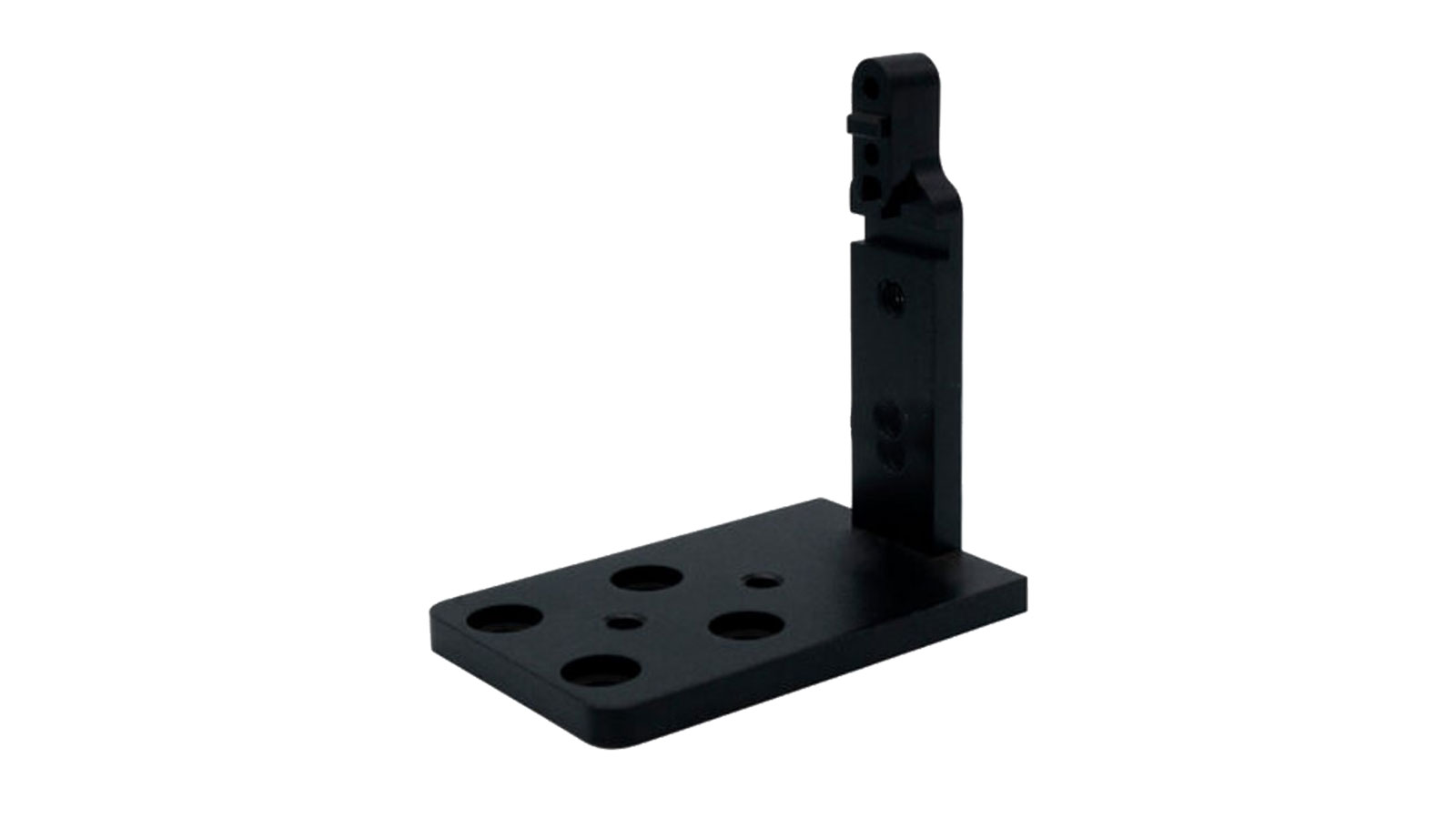
Block mount
Company: Huayi International Industry Group Ltd
The HYVW0727 from Huayi is a CNC machined block mount for UAVs. It is made of 6061 aluminum alloy and has a sandblasted and anodized surface finish.
Lead time: 7 to 30 days
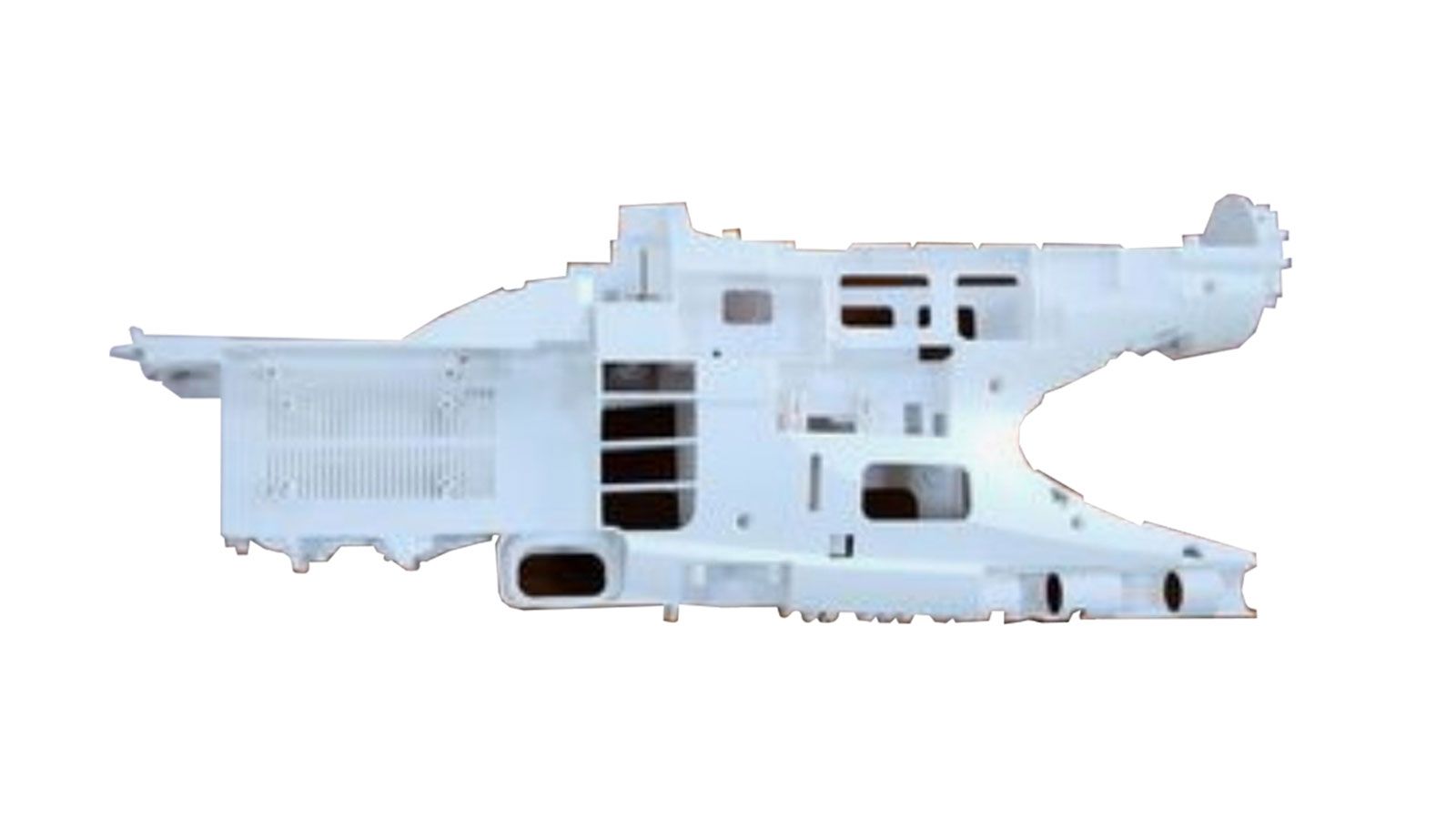
Drone plastic frame
Company: Shanghai Everskill Material Co. Ltd
Shanghai Everskill manufactures plastic frames such as the PF-20200512 for UAVs. This product can be made using PP, PE, ABS, PC, nylon, ASA, PVC, POM or other materials at ±0.05mm dimensional tolerance based on drawings in any format.
MOQ: 20 pieces
Lead time: 30 to 45 days
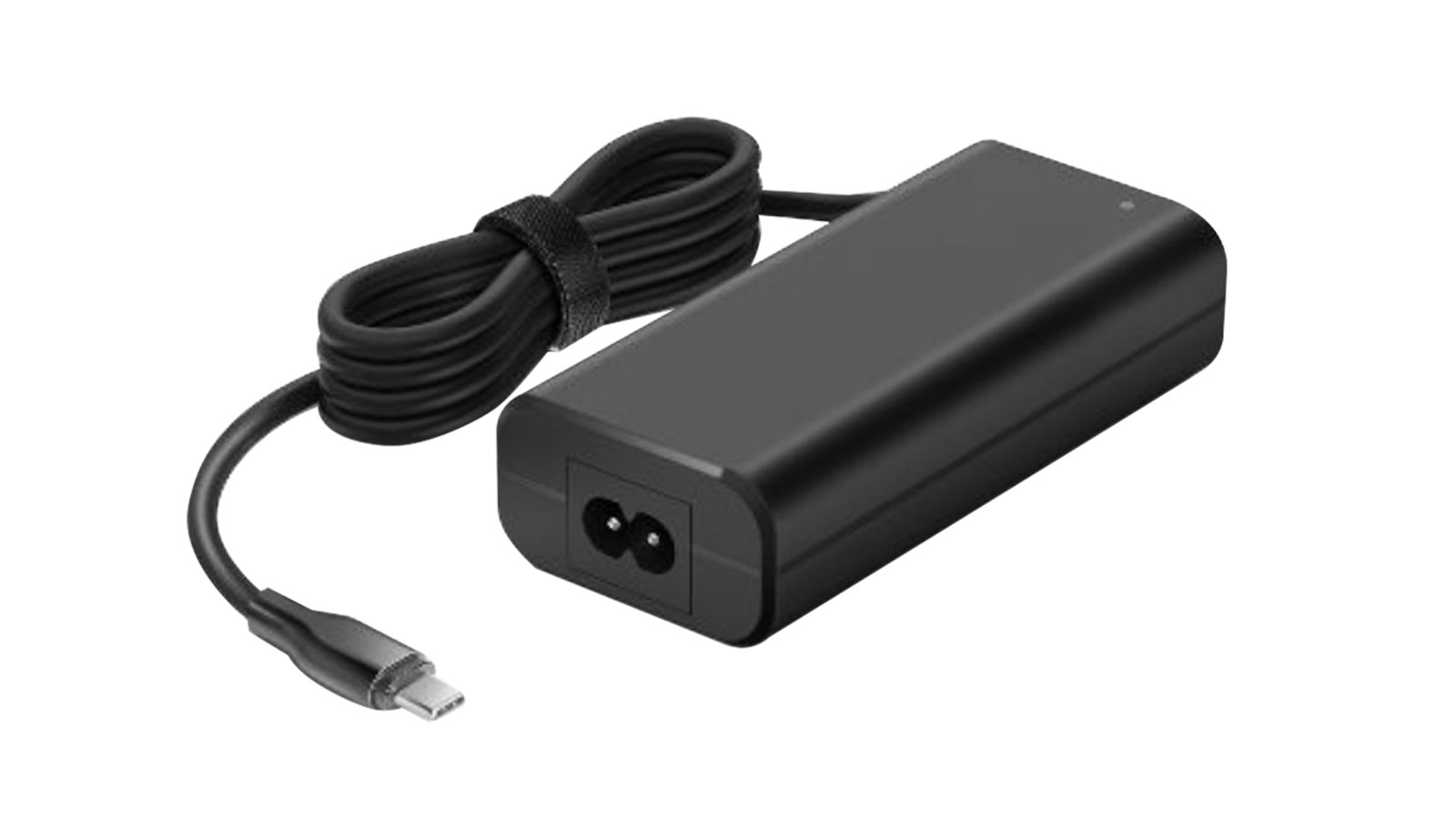
65W power adapter
Company: Shenzhen Huikeyuan Electronic Technology Co. Ltd
Shenzhen Huikeyuan’s model A70 USB C-1094 is a USB-C power adapter for UAVs. It supports PD for fast charging and has built-in overvoltage, -current, -temperature, -load and short-circuit protection. The rated input is 100 to 240VAC, 50/60Hz and the output is 5 to 20V, maximum 65W. This 112.07x51.96x27.85mm product meets CEC and Energy Star 3.0 energy efficiency standards. The operating temperature is -10 to 40 C.
MOQ: 1 unit
Lead time: 35 to 45 days
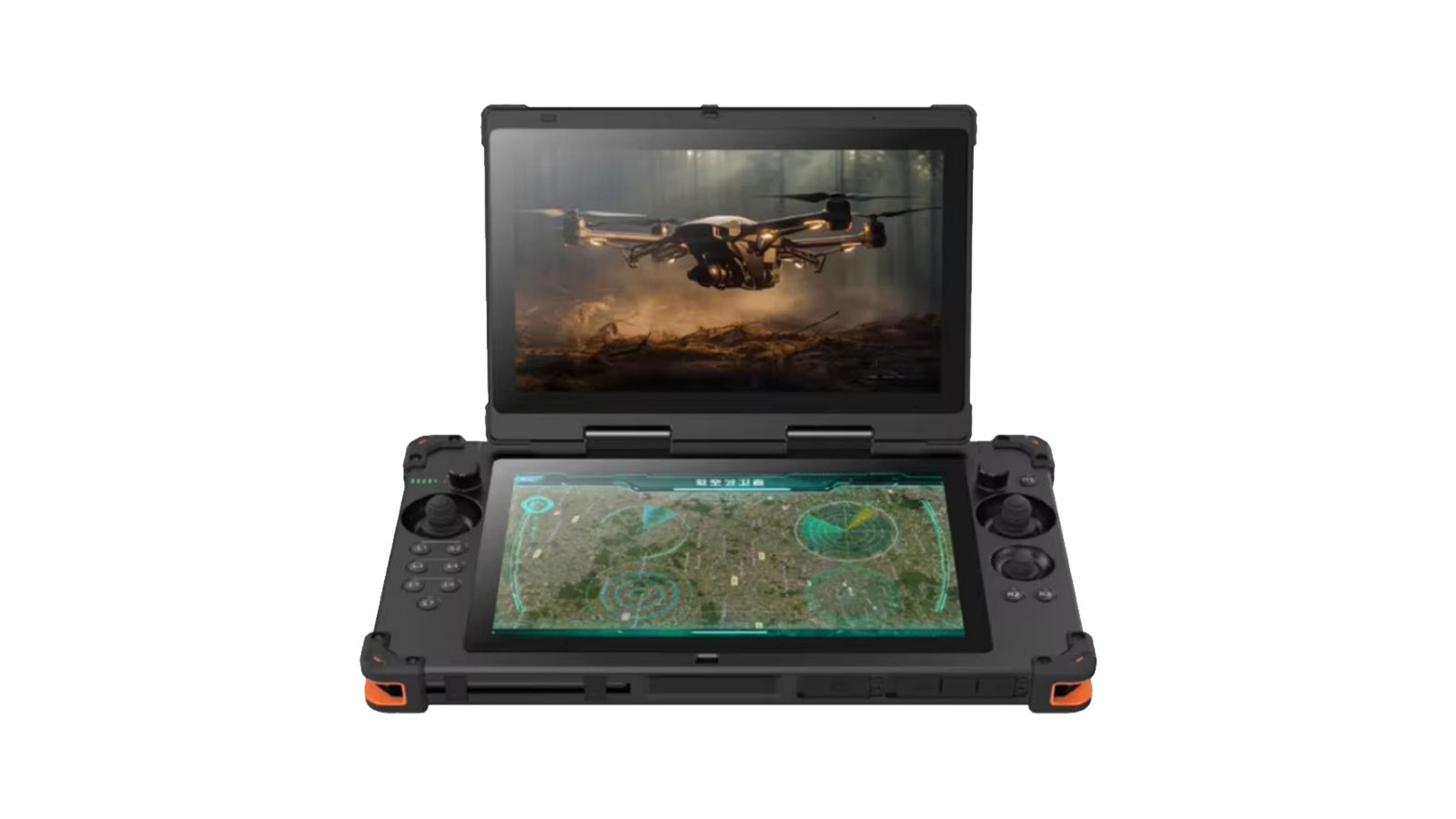
Handheld control terminal
Company: Shenzhen Omton Electronic Technology Co. Ltd
The OMT-GCSG400 from Shenzhen Omton is a handheld control terminal with two 10-inch sunlight-readable HD screens. Designed for fixed-wing and multirotor commercial and professional drones, this 1.8kg device has an eight-core processor and supports long-range transmission extendable to 100km. It runs on Android 12, Ubuntu, HarmonyOS or Kylin, is compatible with 4G and 5G networks and has usage time of 4 to 8 hours. Product size is 345x204x38mm.
Lead time: 7 to 15 days
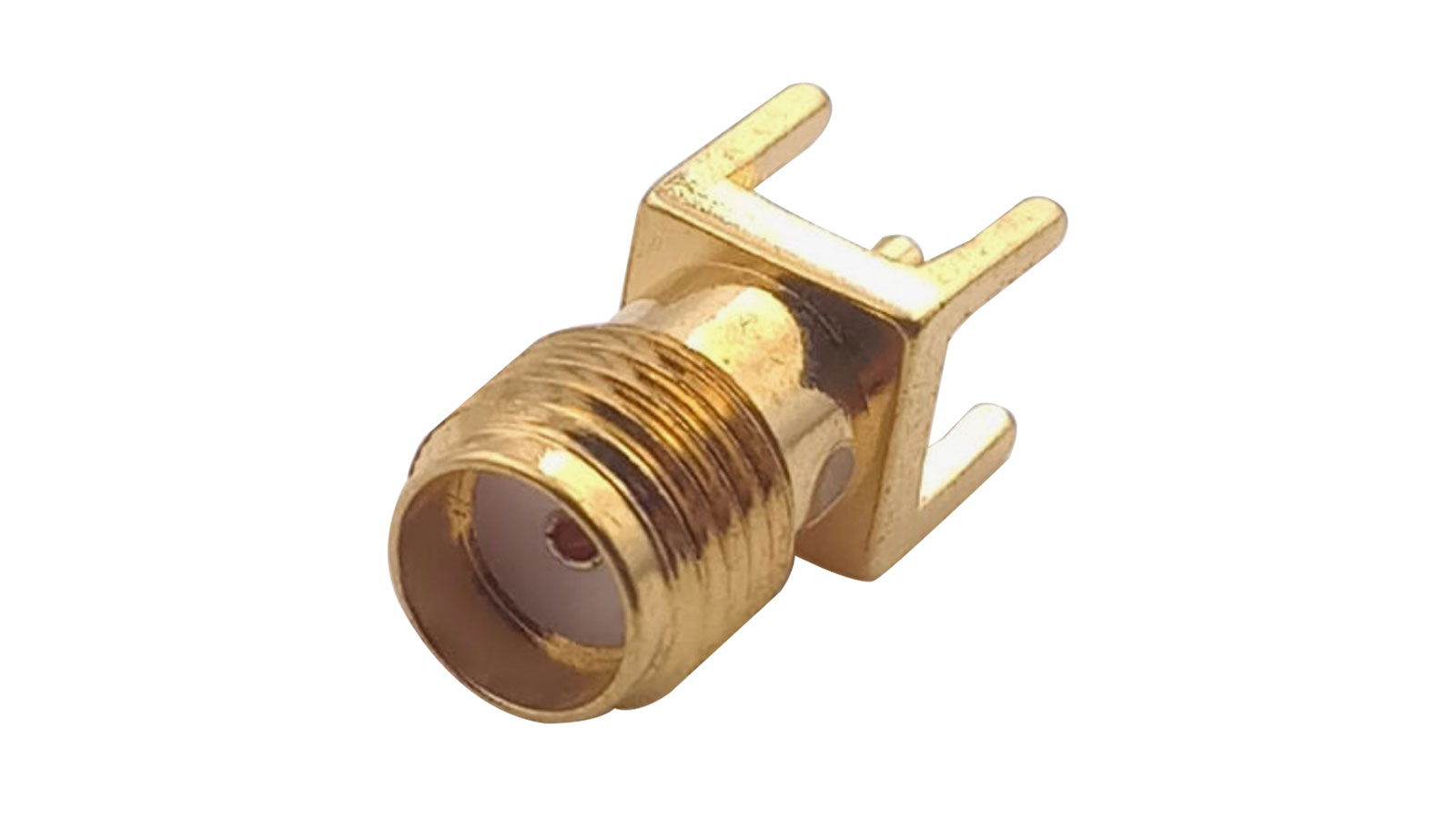
Coaxial RF connector
Company: Shenzhen Sinrui Technology Co. Ltd
Shenzhen Sinrui’s SR-SMA-KHD1-001 is an SMA coaxial RF connector used in drones. This panel-mount product has brass-plated body and center contact and PTFE insulator. It has DC to 18Hz frequency, 50ohm impedance, 5,000Mohm minimum insulation resistance, 1,000V dielectric withstand voltage and -65 to 165 C temperature range.
Lead time: 14 to 21 days
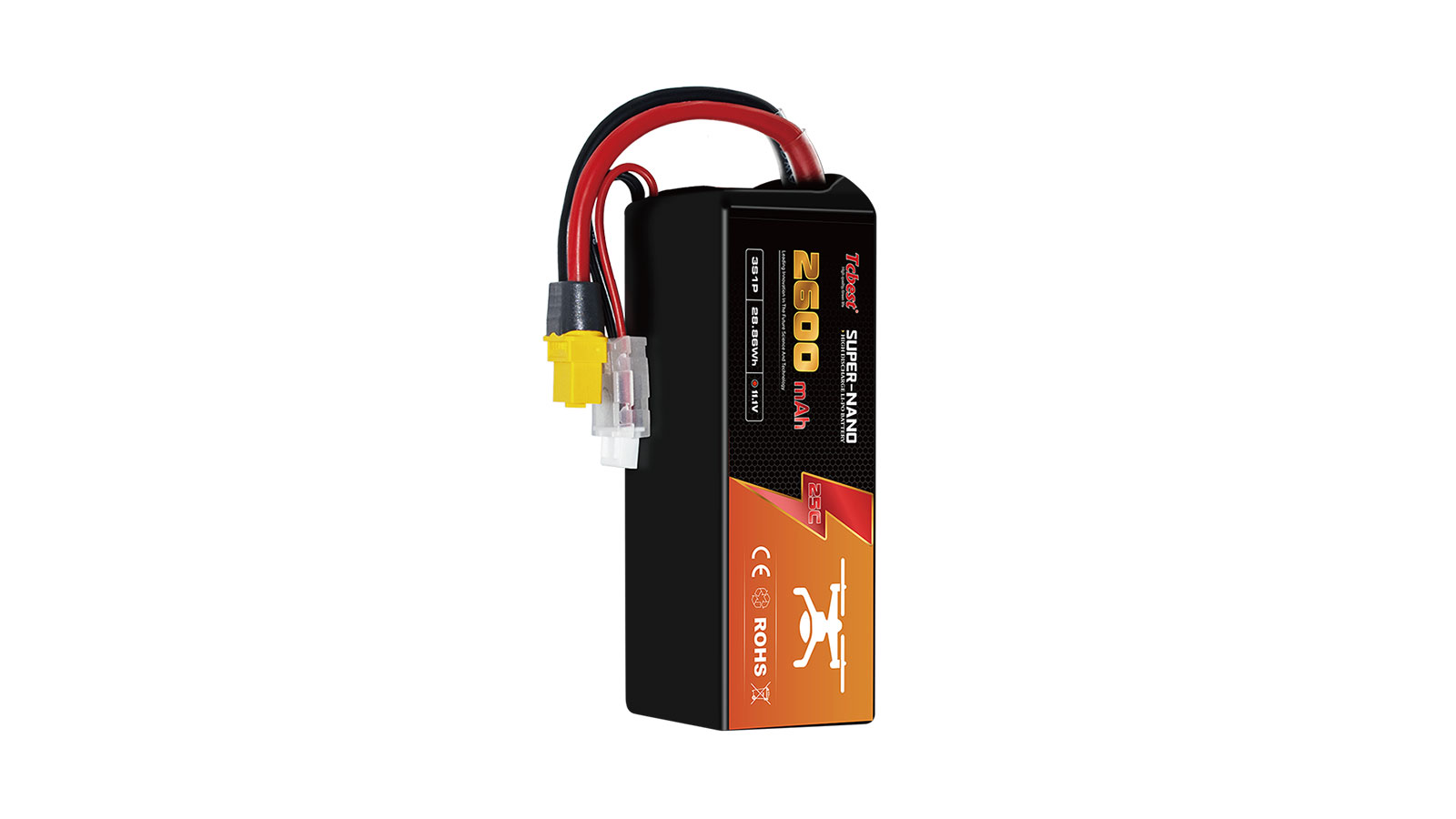
Li-polymer battery pack
Company: Shenzhen Tcbest Battery Industry Co. Ltd
The TC2600/25 3S from Shenzhen Tcbest is an 11.1V, 2,600mAh Li-polymer battery pack for drones. It has a life span of ≥1,000 cycles and storage temperature of -10 to 45 C. This product measures 23x34x120mm and weighs 200g.
Lead time: 30 to 45 days

