




Electric cars have emerged as a sustainable and environmentally friendly alternative to traditional gasoline-powered vehicles. They are propelled by electric motors, which derive power from rechargeable battery packs or other energy storage devices. Unlike conventional internal combustion engine (ICE) vehicles, electric cars produce zero direct emissions, contributing to a cleaner and healthier environment.
One advantage of these vehicles is their energy efficiency. By converting electrical energy directly into motion, electric motors operate at a significantly higher efficiency level compared to gasoline engines. This translates into lower operating costs and reduced reliance on fossil fuels. Additionally, electric cars offer a quiet and smooth driving experience, with minimal vibrations and noise pollution.
Another key benefit is low maintenance requirements. With fewer moving parts and no need for regular oil changes or tune-ups, the ownership costs of electric cars are generally lower than their conventional counterparts. Furthermore, many governments offer incentives and tax credits to encourage the adoption of electric vehicles, making them an attractive choice for environmentally conscious consumers.
Types of electric car
The electric car market encompasses a diverse range of types, each designed to cater to different consumer needs and preferences.
Battery electric vehicles: BEVs have no internal combustion engine and rely solely on rechargeable battery packs. Examples are the Tesla Model S, Nissan Leaf and Chevrolet Bolt EV.
Hybrid electric vehicles: HEVs combine a traditional gasoline engine with an electric motor and battery pack, improving fuel efficiency. Toyota Prius, Honda Insight and Ford Fusion Hybrid represent this category.
Plug-in hybrid electric vehicles: PHEVs use larger battery packs that can be charged from an external power source. They can operate in all-electric mode for short distances before switching to hybrid mode. Chevrolet Volt, BMW i8 and Mitsubishi Outlander PHEV are examples.
Fuel cell electric vehicles: FCEVs generate electricity and power an electric motor using hydrogen fuel cells. They only have water vapor as a byproduct. Toyota Mirai and Hyundai Nexo are still being produced while Honda dropped the Clarity FCEV from its lineup.
Range-extended electric vehicles: REEVs are similar to BEVs but have a small gasoline-powered engine that recharges the battery when it's depleted. This extends the vehicle's range beyond the battery's capacity. The BMW i3 REx, Chevrolet Volt REEV and Fisker Karma used to headline this category, but have been discontinued. China, however, has the Voyah FREE, AITO M9 REEV and M7, Changan DEEPAL S07 REEV and DEEPAL G318, and Li Auto L9 and L6.
Mild hybrid electric vehicles: MHEVs feature a small electric motor that assists the gasoline engine during acceleration or cruising as the electric motor cannot power the vehicle independently. Examples are the Audi A8, Mercedes-Benz E-Class.
Differences in power sources, range and charging
The various types of electric cars differ significantly in terms of their power sources, driving range and charging capabilities. Here's a breakdown:
| EV type | Power sources | Range | Charging |
| BEV | Rechargeable battery packs | 241.4 to 643.738km or 150 to 400 miles | Requires regular charging from external sources, such as home charging stations or public charging networks |
| HEV | Gasoline engine, electric motor and battery pack | Under 2 miles or 3.2km (all-electric mode) | Does not require external charging, as the battery is charged through regenerative braking and the gasoline engine |
| PHEV | Larger battery pack, gasoline engine | 32.2 to 80.5km or 20 to 50 miles | Can be charged from external sources and charges the battery through regenerative braking and the gasoline engine as well |
| FCEV | Hydrogen fuel cells | Over 482.8km or exceeding 300 miles | Requires refueling with hydrogen at specialized stations, which are currently limited in number |
| REEV | Battery pack, small gasoline engine as range extender | Extended range beyond the battery's capacity | Can be charged externally like BEVs, and the gasoline engine can recharge the battery on the go |
| MHEV | Gasoline engine, electric motor | Limited electric-only range, primarily relies on gasoline engine | Does not require external charging, as the battery is charged through regenerative braking and the gasoline engine |
Differences in driving experience
Driving experience can vary significantly depending on the type of vehicle. Here's how different electric cars compare in terms of acceleration, noise level, vibration, efficiency and overall performance.
| EV type | Acceleration | Noise level | Vibration | Efficiency | Overall performance |
| BEV | Instant torque and rapid acceleration | Almost silent, with minimal noise from the electric motor and rolling resistance | Smooth and vibration-free due to the absence of ICE | Highly efficient, with no inefficiencies of an ICE | Exceptional with instant torque, rapid acceleration and smooth, quiet ride |
| HEV | Moderate acceleration capabilities | Minimal noise when in electric mode but generates noise when the gasoline engine is engaged | Minimal vibrations in electric mode but may vibrate when the gasoline engine is engaged | More efficient than ICE vehicles due to the electric motor's assistance and regenerative braking | Moderate improvements over conventional ICE vehicles but lags behind BEVs and PHEVs |
| PHEV | Instant acceleration when operating in all-electric mode like BEVs | Quiet in all-electric mode but generates engine noise in hybrid mode | Smooth, vibration-free in all-electric mode but may experience vibrations in hybrid mode | Excellent efficiency in all-electric mode but lower in hybrid mode compared to BEVs | Excellent performance in all-electric mode, comparable to BEVs, but transitions to hybrid mode for extended driving |
| FCEV | Smooth and responsive acceleration comparable to BEVs | Quiet, with only minimal noise from the electric motor and air resistance | Smooth and vibration-free, similar to BEVs | Highly efficient, with no inefficiencies of an ICE | High performance similar to BEVs, with smooth acceleration and quiet, vibration-free ride |
| REEV | Quick acceleration when operating on battery power | Quiet on battery power but generates noise when the gasoline generator is active | Smooth when on battery power but may experience vibrations when the gasoline generator is active | Efficient when on battery power but less so when the gasoline generator is active | Outstanding when on battery power but may experience a performance drop when the gasoline generator is active |
| MHEV | Slightly improved acceleration compared to conventional gasoline vehicles | Slightly less noise than conventional ICE vehicles, but still generates engine noise | Reduced vibrations compared to ICE vehicles, but some vibrations may still be present | Slightly more efficient than conventional ICE vehicles due to the electric motor's assistance but less so than other EVs | Slightly improved compared to conventional ICE vehicles due to the electric motor's assistance but does not match other EVs |
Maintenance requirements
One of the significant advantages of electric cars is their lower maintenance requirements compared to traditional gasoline-powered vehicles. But it's important to note that regular service and inspections are still necessary to ensure optimal performance and safety.
BEVs require no engine oil changes or tune-ups and have fewer moving parts that need regular maintenance, while FCEVs need to have their fuel cell stack and hydrogen storage tank periodic maintenance or replacement.
HEVs, PHEVs, REEVs and MHEVs need regular engine oil changes and tune-ups for the gasoline engine component.
Except FCEVs, all need their battery packs replaced after several years, depending on usage and battery degradation.
Like conventional vehicles, all EVs require routine maintenance, including tire rotations, brake inspections and coolant level checks.
Current EV adoption and challenges
EV adoption has been steadily increasing worldwide, driven by environmental concerns, technological advancements and government incentives.
According to the International Energy Agency (IEA), about 14 million new electric cars were registered worldwide in 2023, with a total of 40 million on the road. However, these new registrations were mostly in China, Europe and the US, with more than one in three new car registrations in China, over one in five in Europe and one in 10 in the US.
However, there are several challenges that need to be addressed to accelerate the transition to electric mobility.
1. Infrastructure development: One of the major challenges hindering widespread EV adoption is the lack of adequate charging infrastructure. Building a comprehensive network of public charging stations, particularly in urban areas and along major highways, is crucial for addressing range anxiety and promoting EV adoption.
2. Battery technology and cost: While battery technology has made significant strides in recent years, further improvements in energy density, charging speed and cost-effectiveness are needed to make EVs more attractive to consumers. The high upfront cost of EVs remains a barrier for many potential buyers.
3. Grid integration and renewable energy sources: As the number of EVs on the road increases, the demand for electricity will rise, potentially straining existing power grids. Integrating EVs with renewable energy sources and implementing smart grid technologies will be essential to support the transition to electric mobility while minimizing the environmental impact.
4. Consumer awareness and perception: Despite the growing concern for the environment, many consumers still harbor misconceptions about EVs, such as concerns over range, charging times and overall practicality. Addressing these perceptions through education and marketing efforts is crucial for driving wider adoption.
5. Supply chain and manufacturing capacity: The rapidly growing demand for EVs has put pressure on the supply chain for critical components, such as batteries and semiconductors. Ensuring a stable and efficient supply chain, as well as increasing manufacturing capacity, will be necessary to meet the rising demand.
6. Policy and regulatory support: Government policies, incentives and regulations play a pivotal role in promoting EV adoption. Consistent and long-term support from policymakers, including tax credits, subsidies and emissions regulations, can significantly influence consumer behavior and spur investment in the EV industry.
7. Recycling and end-of-life management: As the number of EVs on the road increases, addressing the end-of-life management and recycling of batteries and other components will become increasingly important. Developing efficient and sustainable recycling processes is crucial for minimizing the environmental impact of EVs throughout their life cycle.
Outlook
Despite these challenges, the global momentum of electric vehicle adoption continues to grow. Technological advancements, increasing consumer awareness and supportive government policies are expected to drive further growth in the EV market in the coming years.
Passenger EV sales are expected to reach more than 30 million units in 2027 based on BloombergNEF’s base case scenario and increase to 73 million per year in 2040. This growth is expected to be driven by falling battery costs, stricter emissions regulations and increasing consumer demand for sustainable transportation.
Sourcing electric cars from China
China has emerged as a major manufacturing hub for electric vehicles. When sourcing them, there are several important considerations to keep in mind:
Quality and safety standards: Ensure that the necessary quality and safety standards of your target market are met. Look for reputable manufacturers with certifications and a proven track record of producing high-quality vehicles.
Battery technology: China is at the forefront of battery technology development, with companies like CATL and BYD leading the way. Evaluate the battery technology used in the electric cars you plan to source, considering factors such as energy density, charging speed and life span.
Supply chain and logistics: Understand the supply chain and logistics involved by considering shipping costs, lead times and potential tariffs or trade barriers that may impact the overall cost and delivery timelines.
Intellectual property rights: Ensure that the manufacturer has the necessary licenses and approvals to produce and sell the vehicles in your target market.
After-sales support: Evaluate the after-sales support and service network provided by Chinese manufacturers. Reliable customer service, spare parts availability and warranty coverage are crucial factors to consider.
Local regulations and incentives: Research the local regulations and incentives related to EVs in your target market. These may include subsidies, tax credits or specific requirements for vehicle specifications and emissions standards.
Brand reputation and marketing: Consider the brand reputation and marketing strategies of the manufacturers you plan to work with. Strong branding and effective marketing campaigns can significantly impact consumer perception and demand.
Partnerships and joint ventures: Explore opportunities for partnerships or joint ventures with established Chinese electric car manufacturers. Such collaborations can provide access to technology, manufacturing expertise and distribution channels.
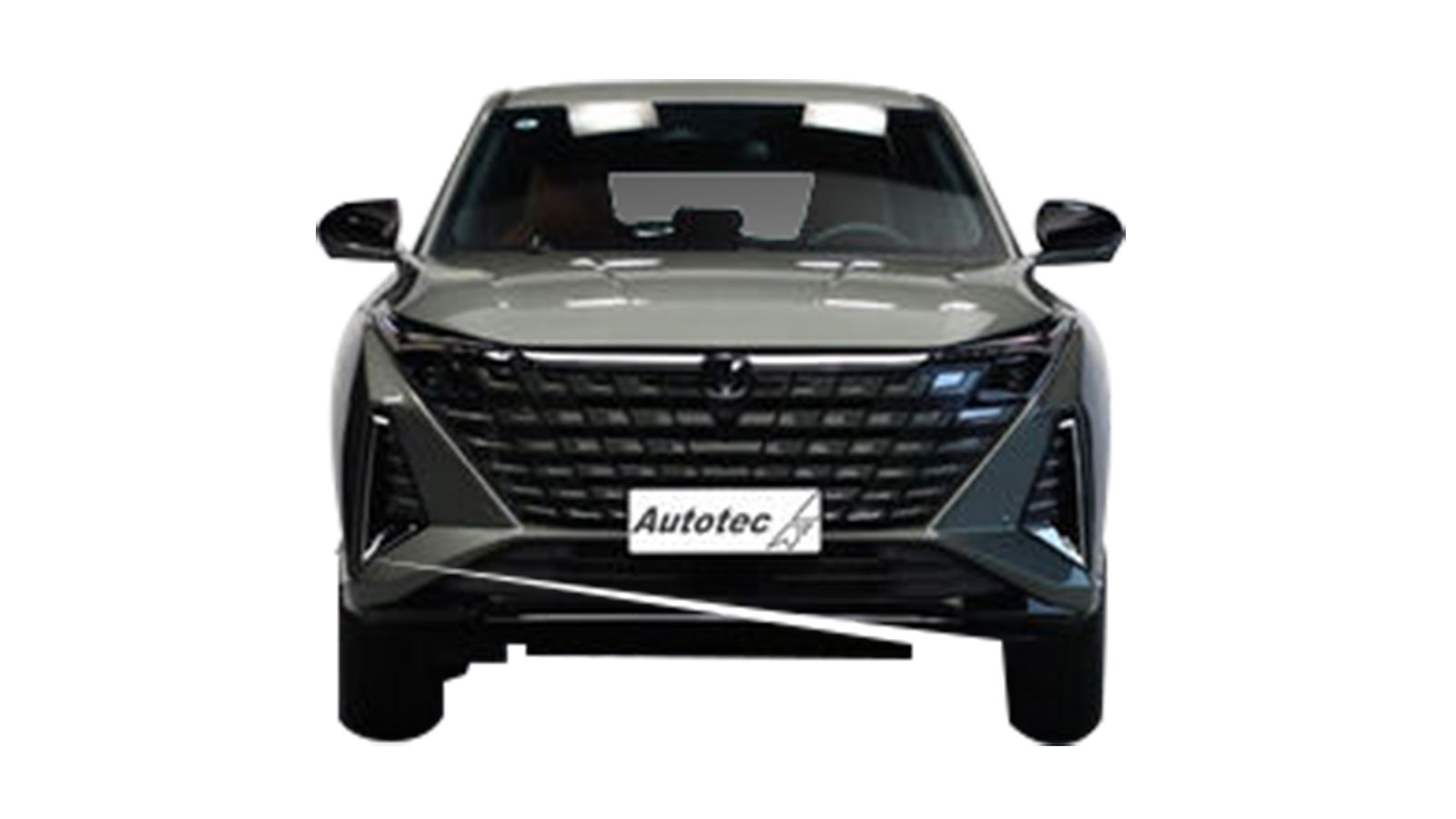
Five-door, five-seater PHEV
Company: Autotec International Corp.
Autotec offers a secondhand Changan Uni-Z Blue Whale Intelligent Electric iDD 125km (VIN 2024). This compact SUV is a five-door, five-seater, left-hand drive PHEV with 95km WLTC and 125km CLTC. It is equipped with a 1.5L 98HP L4 engine, an E-CVT gearbox, an 18.4kWh LFP battery and 225/55 R19 tires. The unit has L2 ADAS and a maximum speed of 180kph.
MOQ: 1 unit
Lead time: 30 to 60 days
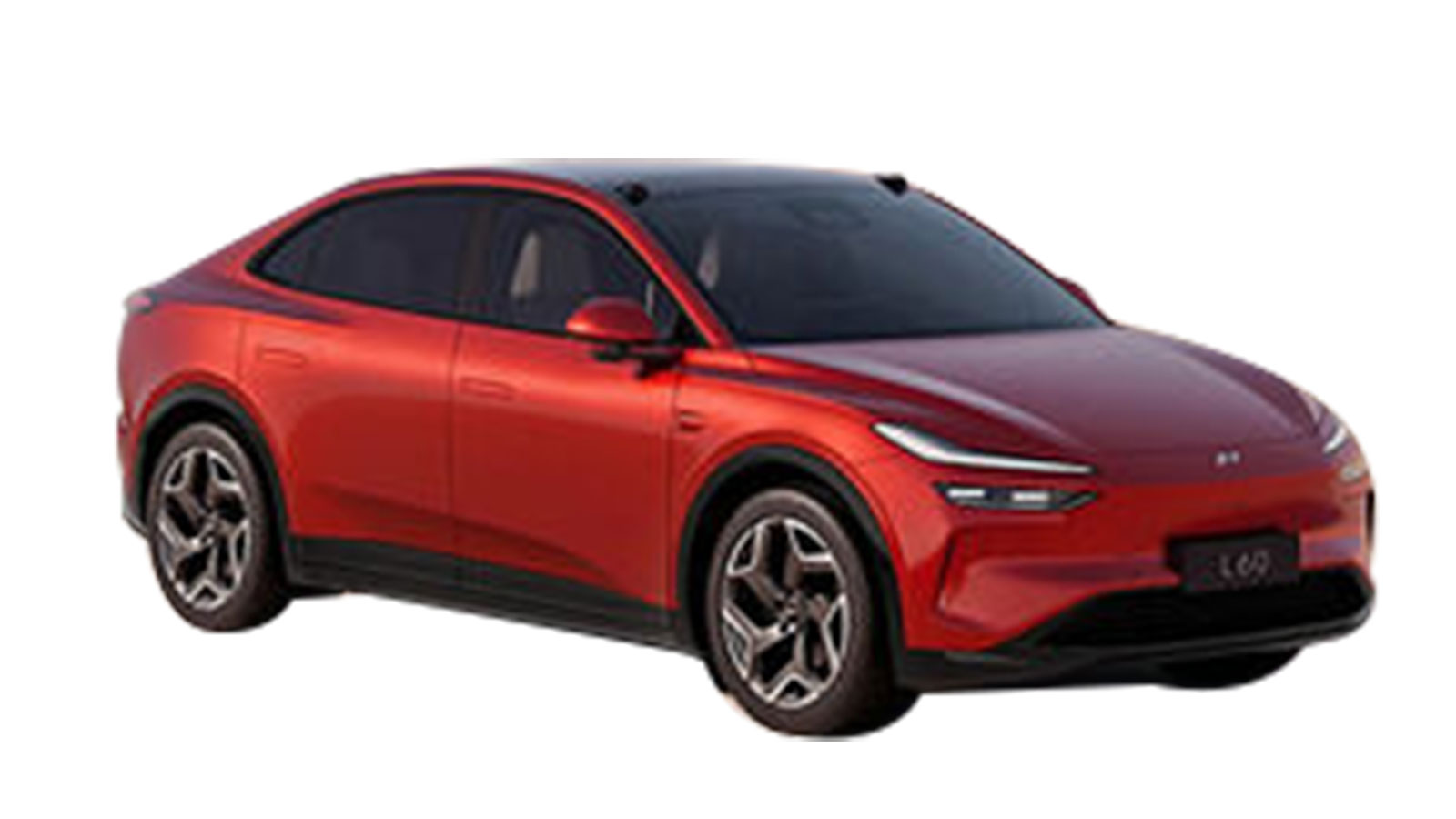
Pure-electric SUV
Company: Chonghong Industries Ltd
Chonghong markets the Nio-branded Onvo L60, a five-door, five-seater SUV in various colors. This pure-electric long-range unit, with a cruising range of 555, 730 or 1,000km, has a 2,950mm wheelbase and 245/45 R20 tires. Vehicle dimensions are 4,828x1,930x1,616mm.
MOQ: On direct inquiry
Lead time: 5 to 10 days
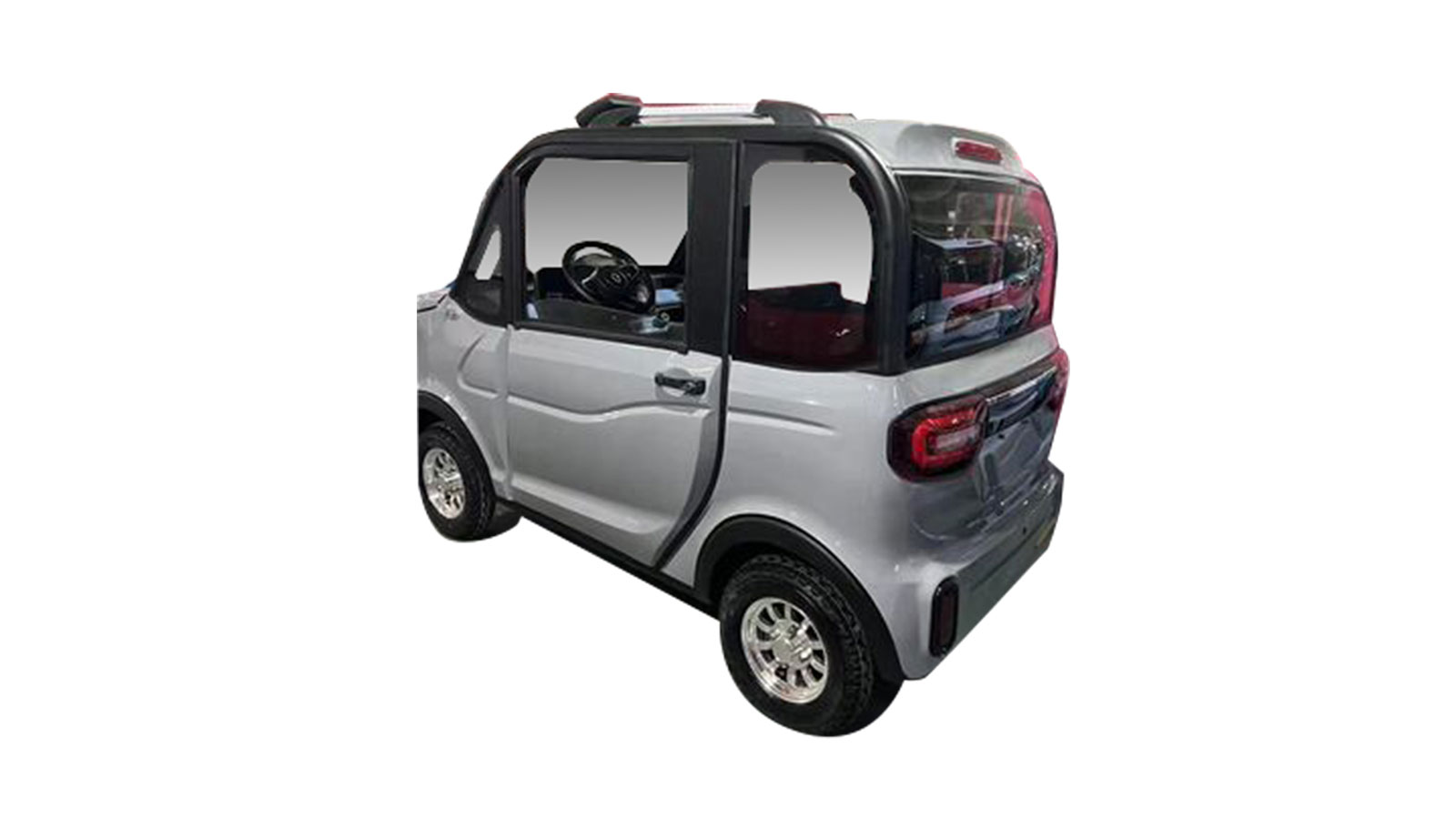
Two-door, four-seater electric car
Company: Hebei Hanben Trading Co. Ltd
Hebei Hanben offers the Four-Wheel Electric Bicycle-1303, a two-door, four-seater unit with a 1,000W motor, 400-10 vacuum tires, aluminum alloy wheel hub, rear wheel disc brake and hand crank windows. Other features include a reverse camera, MP3 player, radio, USB interface, sunroof, fan and hill climbing assist gear. Vehicle dimensions are 2,450x1,250x1,600mm. A four-door variant is also available.
MOQ: 10 units
Lead time: 5 to 7 days
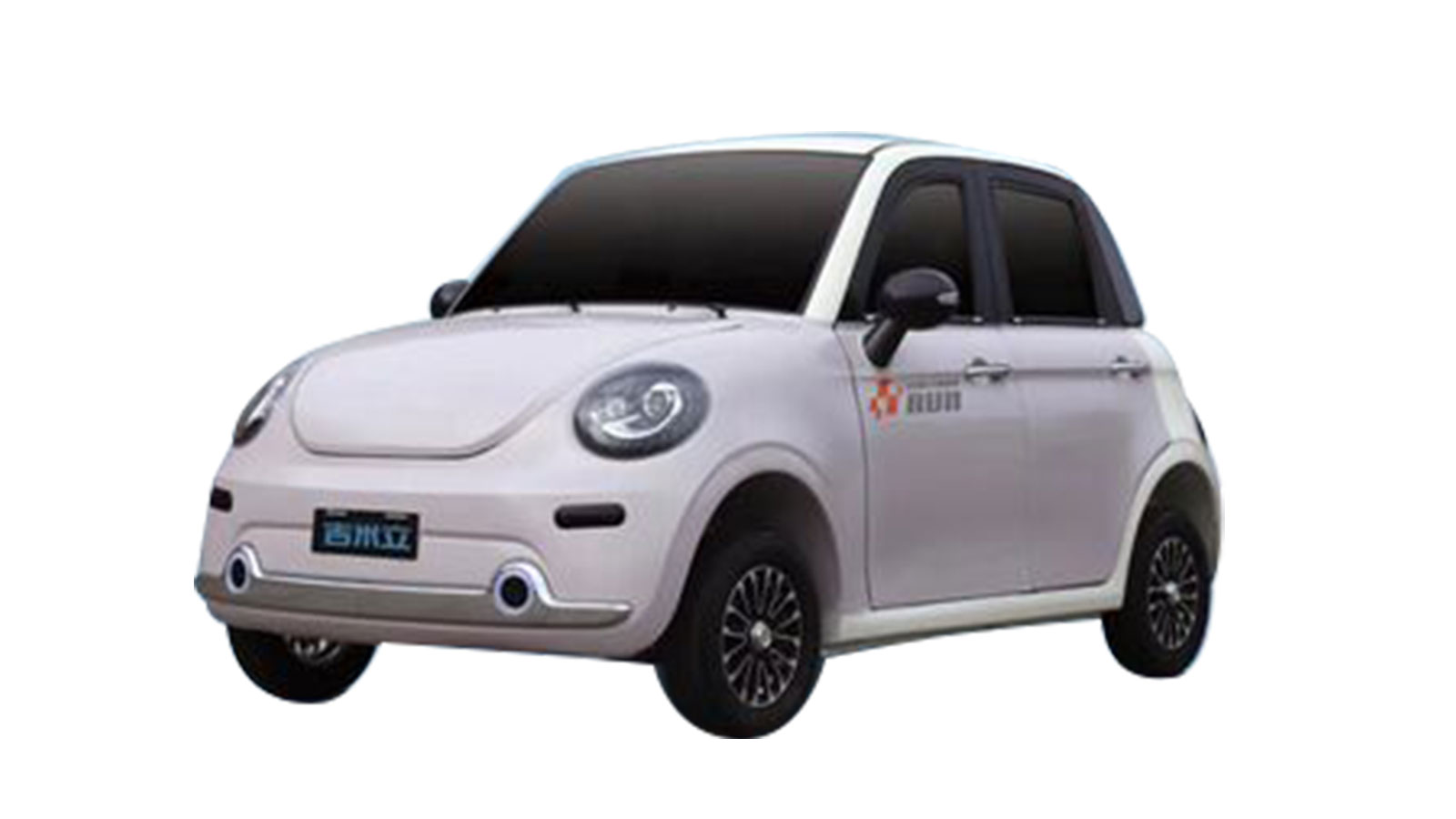
Low-speed electric car
Company: Weihai Better Clean Energy Technology Co. Ltd
The BD-JML from Weihai Better Clean Energy is a low-speed electric car available in various versions. The BD-JML-V3 measures 3,150x1,550x1,580mm, the BD-JML-V5 3,780x1,700x1,650mm, the BD-JML-V5 3,500x1,650x1,580mm, the BD-JML-K20 3,280x1,650x1,580mm and the BD-JML-M7 3,560x1,650x1,580mm.
MOQ: 2 units
Lead time: 30 to 45 days
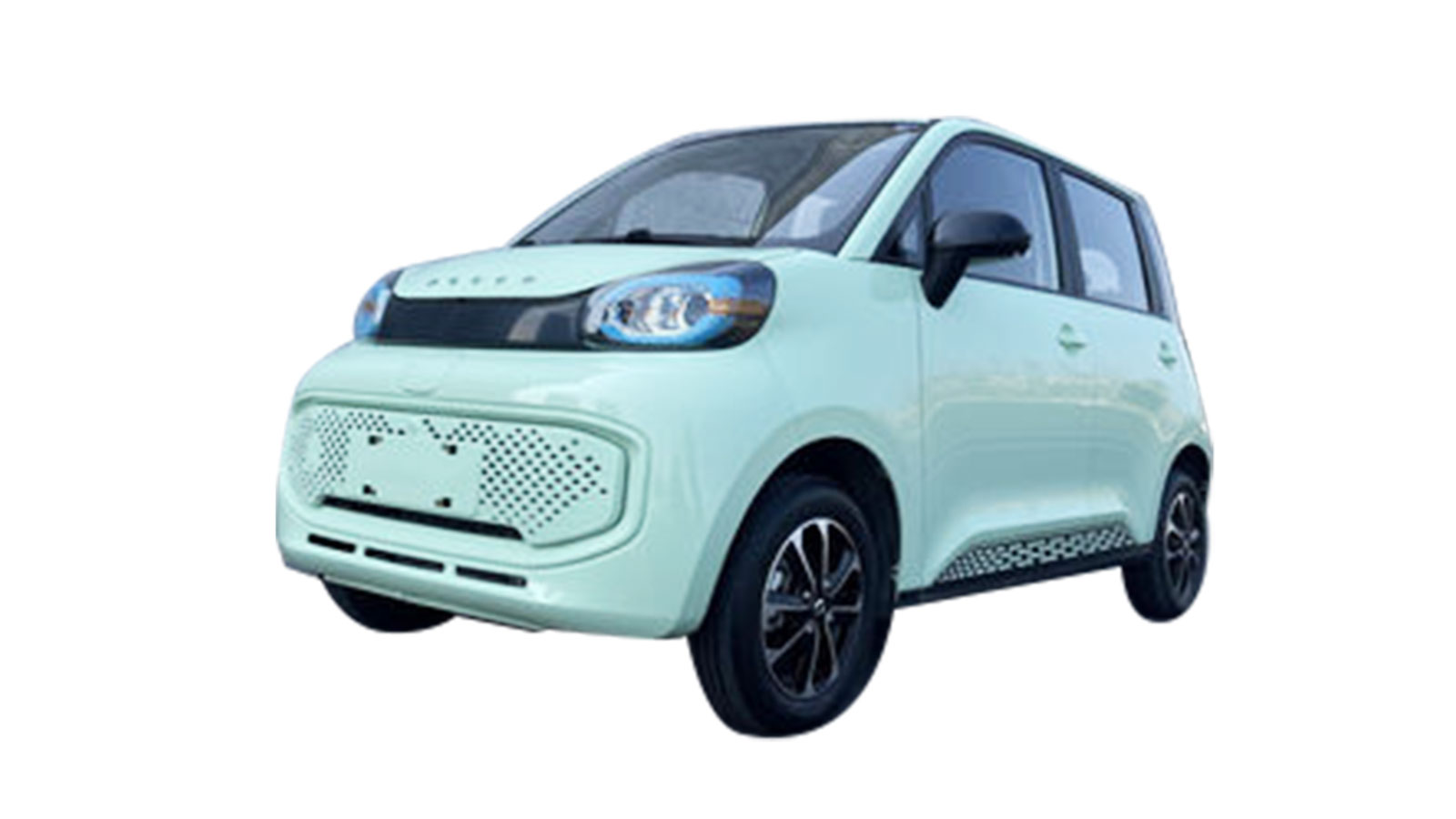
Electric car, 108kph maximum speed
Company: Weihai PTC International Co. Ltd
Weihai PTC’s electric car, the Lojo-D300, has four doors and seating capacity for two or four people and a maximum speed of 108kph. It has a rear drive system, air-cooled motor with 29kW peak power, electronic power steering, hydraulic disc brake, power windows, 165/70 R13 tires with aluminum wheels and 12.2kWh lithium battery. Other features include 7in car monitor, rear camera, EBD and TPMS. Vehicle size is 3,380x1,500x1,610mm.
MOQ: 1 unit
Lead time: 15 to 30 days
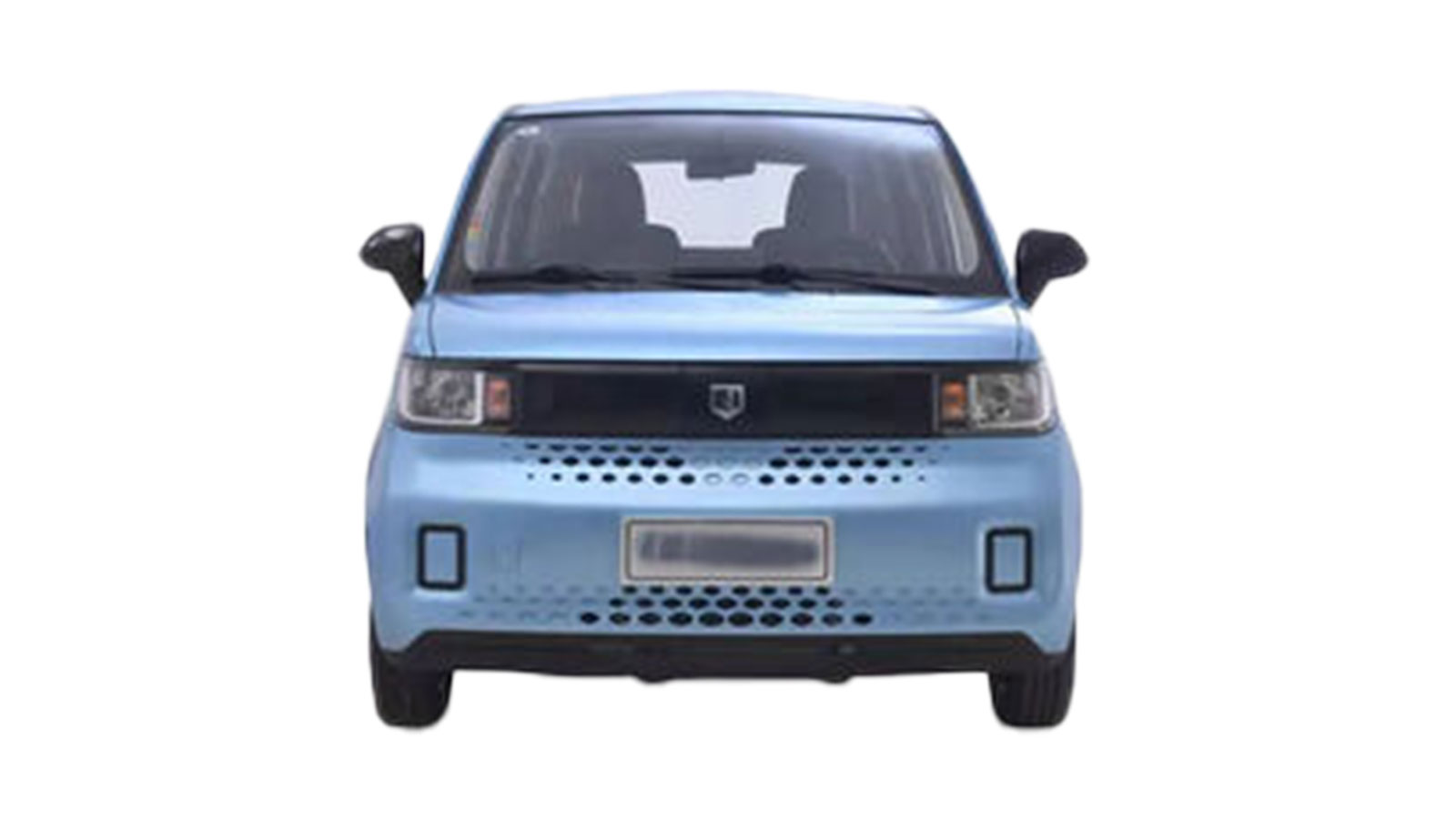
FWD electric car, PMSM motor
Company: Yichun Xinrui Electric Vehicle Ltd
Yichun Xinrui offers the XR-EQ-6, a four-wheel drive electric car with a PMSM motor, LFP or NCM battery, 2,275mm wheelbase, aluminum alloy wheels, 155/65R13 tires, and front disc and drum rear brakes. The maximum speed is 110kph, maximum range 138, 175 or 332km and climbing angle less than 20 degrees. This 3,390x1,650x1,600mm unit is CE-approved.
MOQ: 4 units
Lead time: 15 to 20 days

