




Electric vehicle (EV) charging technology is now available in various innovative solutions emerging to cater to the growing demand for convenient and efficient infrastructure. This ecosystem has two primary types: charging piles and charging stations.
Charging piles, also known as charging points or posts, are standalone units that provide a dedicated interface for EVs. These compact, wall-mounted or freestanding devices are typically found in public spaces, parking lots and residential areas, offering a convenient way for EV owners to charge their vehicles while on the go.
In contrast, charging stations are more comprehensive systems that often incorporate multiple charging points within a single unit. They can be installed in both public and private settings to serve the needs of both commercial and residential EV owners. These stations may offer advanced features such as load balancing, remote monitoring and integrated payment systems.
Type of EV charging
EV charging piles and charging stations can be broadly categorized based on their power output and the type of charging they provide. The most common include:
Level 1 charging: This basic level uses a standard household electrical outlet, providing a slow but convenient option for EV owners. Level 1 chargers typically deliver between 1.4 and 1.9kW of power.
Level 2 charging: These chargers are more powerful and can be found in both residential and commercial settings. They typically provide between 3.3 and 19.2kW and allow faster charging compared to Level 1 counterparts.
Level 3 charging: Also known as direct-current fast chargers (DCFC), these stations can deliver up to 350kW, enabling recharging in a matter of minutes.
The choice between charging piles and stations depends on the specific needs and requirements of the EV owner or the installation location.
Key differences between EV charging piles and charging stations
While both EV charging piles and charging stations serve the same fundamental purpose, there are several key differences between them in these terms:
Scalability: Charging stations are generally more scalable, as they can incorporate multiple charging points within a single unit or a higher capacity in a given area. Charging piles, on the other hand, are limited to a single charging point per unit.
Advanced features: Charging stations often come equipped with more advanced functions, such as load balancing, remote monitoring and integrated payment systems. These features can enhance the user experience and provide additional functionality for commercial or public charging applications.
Installation complexity: Charging stations generally require more complex installation, as they may involve electrical upgrades, network connectivity and integration with larger infrastructure. Charging piles, being more compact and self-contained, require a simpler installation.
Cost: The cost of charging stations is usually higher than that of charging piles, reflecting the additional features and complexity involved in their design and installation.
EV charging piles
Charging piles are generally smaller and more compact than charging stations, making them easier to install in a variety of locations, including residential areas and small commercial spaces. They are less expensive as well, making them a more accessible option for individuals and smaller businesses.
In addition, their installation is generally more straightforward, requiring less electrical work and infrastructure integration in a variety of locations.
Charging piles can be set up in residential areas, either in individual driveways or on-street parking spots, providing convenient charging options for EV owners at home. They can be installed in the parking areas of residential buildings, shopping centers, restaurants and other commercial spaces as well as in the parking lots of office buildings, factories, other workplaces and high-traffic areas.
EV charging stations
Charging stations, in addition to enabling simultaneously charging and having more sophisticated features, are more prominently displayed and accessible in public spaces. As such, they are easier to locate and use.
However, charging stations are larger and take up more physical space than charging piles, which may be a consideration in areas with limited available space. So, they are better suited for larger-scale, high-traffic and commercial charging applications.
Charging stations can be installed in the parking lots of shopping malls and retail centers, allowing EV owners to charge their vehicles while shopping, or integrated into the parking facilities of hotels and resorts for guests’ convenience.
They can be placed in the parking areas of airports, train stations and other transportation hubs, as well as in business parks, office complexes and public parking garages.
Outdoor installation
While EV charging piles and charging stations are designed to withstand outdoor environments, not all units are suitable for such installation.
Charging units must be rated for the specific environmental conditions of the location, such as temperature, humidity and exposure to the elements. Outdoor-rated EV chargers are designed with enhanced weatherproofing and durability features to protect the internal parts from rain, snow and extreme temperatures.
Outdoor charging installations must consider factors such as accessibility, lighting and safety features to ensure a secure and user-friendly experience for EV owners.
The electrical infrastructure and power supply at the installation site must be able to support the power requirements of the charging unit, whether it's a pile or a station.
In general, both charging piles and charging stations can be installed outdoors, provided they are designed and rated for the specific environmental conditions of the installation location. However, it's essential to ensure that all necessary safety and regulatory requirements are met.
Best EV chargers for home use
When it comes to home EV charging, there are several options to consider, each with its own advantages and suitability for different scenarios:
Level 1 chargers are the most convenient and cost-effective option for EV owners who have access to a dedicated parking space and can accommodate the slower charging times. Level 2 chargers, meanwhile, are ideal for homeowners who can install a dedicated 240V electrical circuit and benefit from the reduced charging times.
Wall-mounted chargers, which may be Level 1 or Level 2, are a popular choice for home installations, as they provide a compact and space-saving solution that can be easily integrated into the home's electrical system. Portable types offer the flexibility to be used both at home and on the go.
Best EV chargers for commercial applications
For commercial and public charging applications, the selection of EV chargers should prioritize features that cater to multiple users, high-traffic environments and advanced functionality.
Level 2 charging stations are the most common choice as they offer a balance of charging speed, scalability and cost-effectiveness.
For locations where rapid charging is a priority, such as transportation hubs or high-traffic commercial areas, Level 3 or DC fast charging stations can provide a significant advantage, delivering high power for quick recharging times.
Networked charging stations, or those equipped with features like load balancing, remote monitoring and integrated payment systems, are well-suited for commercial and public charging applications, as they offer enhanced functionality and user experience.
Modular charging stations, which can accommodate multiple charging points within a single unit, are a versatile option for commercial and public settings, allowing for scalable charging capacity as demand grows.
Outdoor-rated charging stations, designed to withstand environmental conditions, are essential for public and commercial charging installations that are exposed to the elements.
When sourcing EV chargers for commercial applications, it's important to consider the expected charging demand, the physical layout and infrastructure of the installation site and the desired level of functionality and user experience.
Here are some EV charging piles and charging stations from verified suppliers on GlobalSources.com.
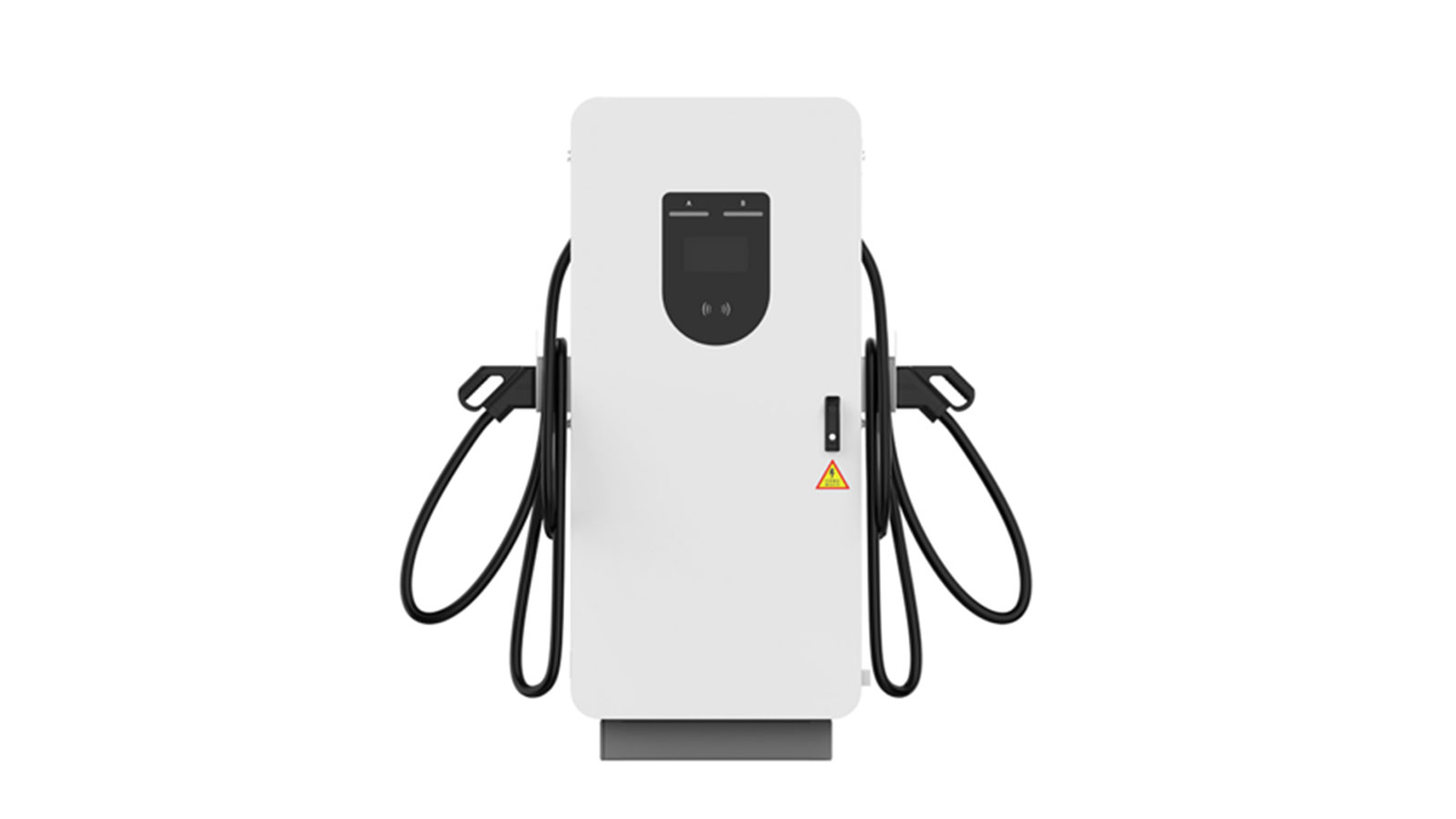
Level 3 charging station
Company: Charmingwell Industries Co. Ltd
Charmingwell’s model CW-E-0180 is a GB/T-standard Level 3 charging station with 250A output current and 180kW output power. It has a galvanized steel housing with IP54 and IK08 ratings and a 5m-long CCS 2 cable, and uses fan cooling method. This floor-mount unit for commercial use includes an LED indicator, a seven-color touchscreen and an ISO/IEC 14443 Type A RFID reader. It has CE approval and a two-year warranty. Dimensions are 750x600x1,700mm and net weight is 300kg.
MOQ: 1 unit
Lead time: 26 to 60 days
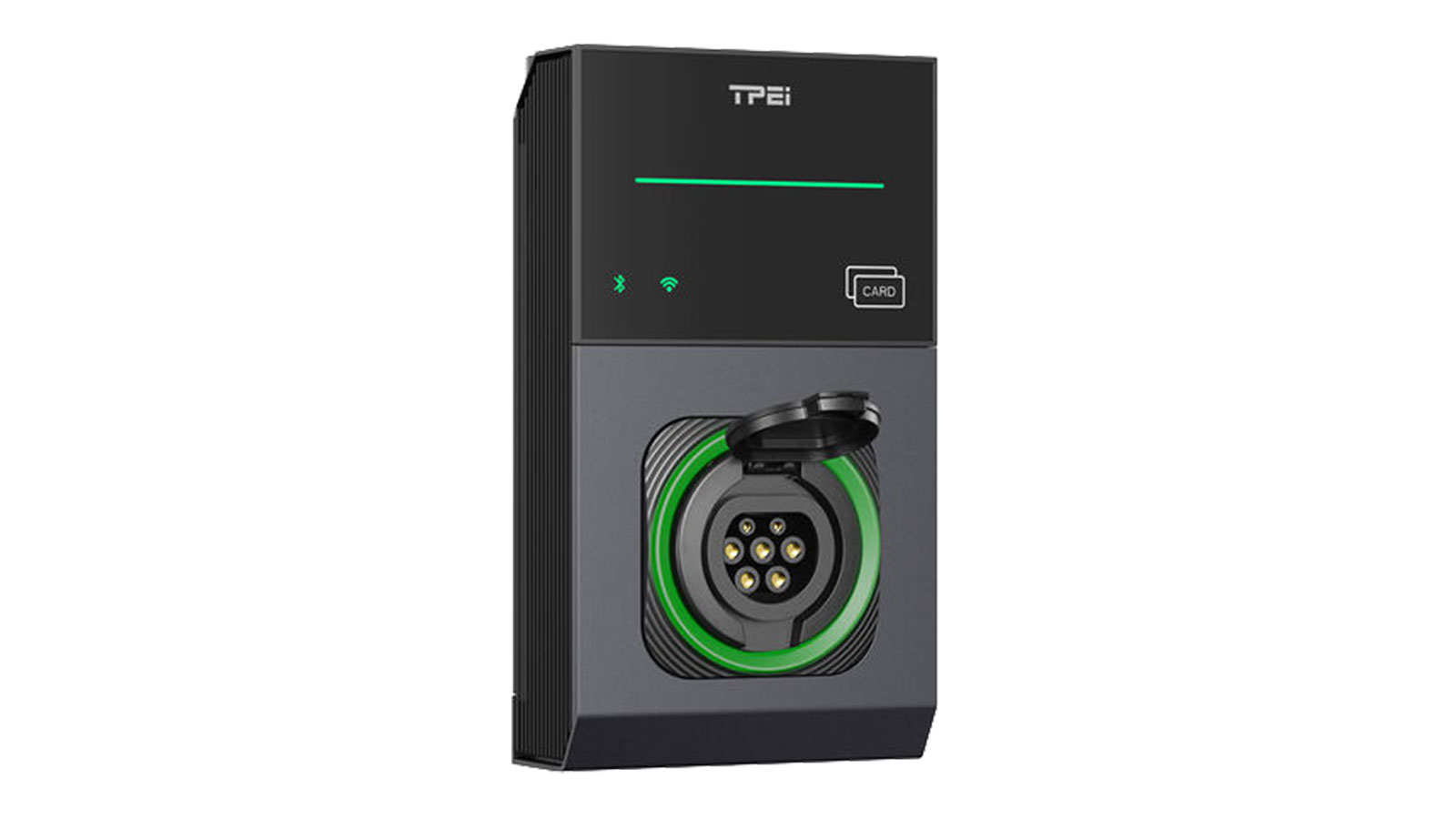
AC-type charging pile
Company: New Journey Environmental Protection Technology Co. Ltd
The Air 6 22kW Socket Version-5399 from New Journey is an AC-type charging pile compatible with EVs using a Type 2 plug. It is capable of single- and three-phase charging and can deliver up to 22kW, enabling fast charging. This CE-approved unit has plug-and-charge, app control and RFID charging modes and built-in safety features.
MOQ: 3 units
Lead time: 30 to 60 days
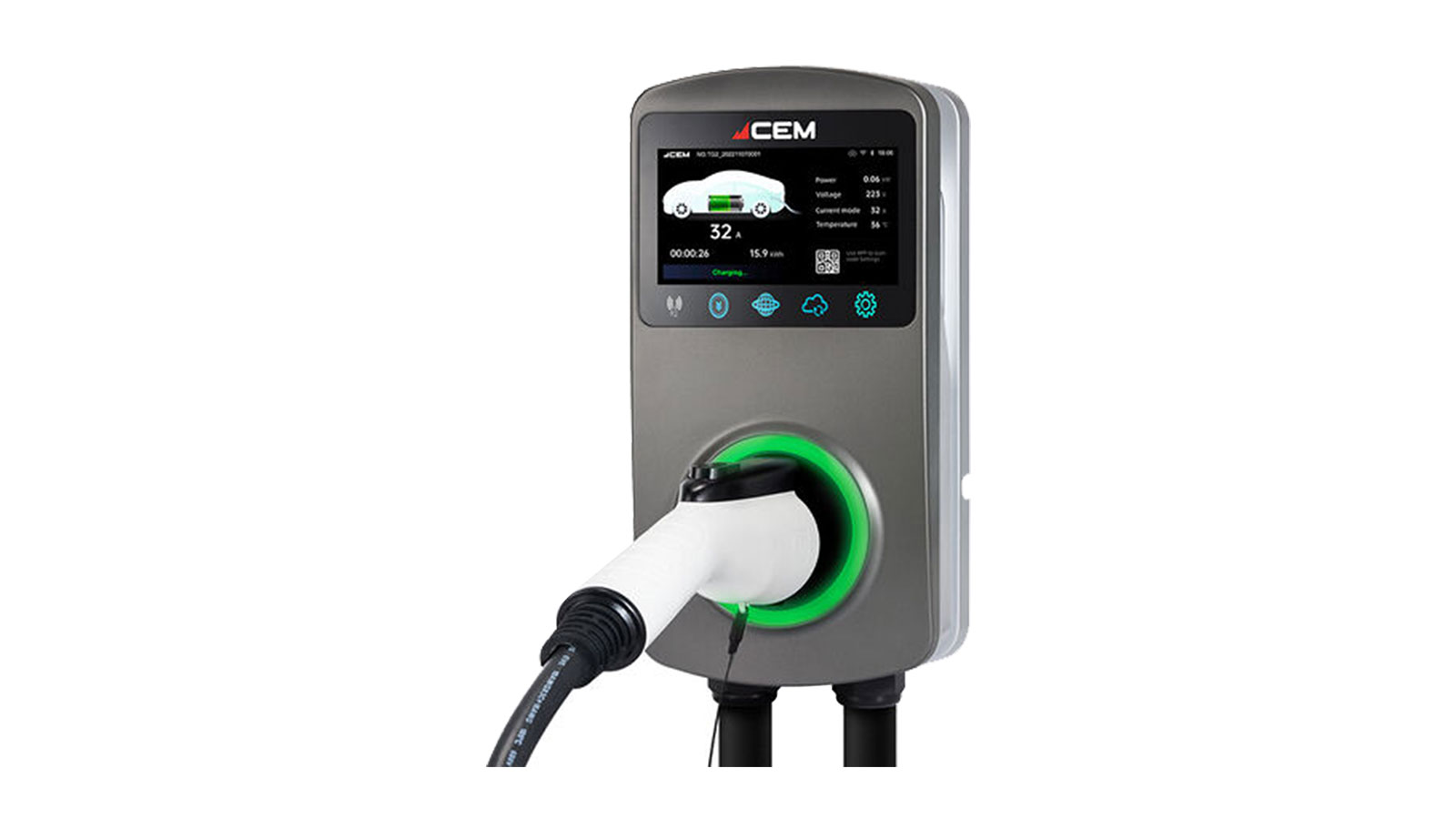
Charging pile for Type 1, Type 2 plugs
Company: Shenzhen Everbest Machinery Industry Co. Ltd
Shenzhen Everbest’s model EV-270 is an AC-type charging pile for home and commercial applications. It is compatible with EVs using Type 1 and Type 2 plugs. The IEC 62196-standard Type 2 socket has 32A and 7.2kW ratings. This IP65-rated unit, with UV-stabilized housing that is also corrosion-resistant, has built-in overload and -current protection.
MOQ: On direct inquiry
Lead time: 30 to 40 days
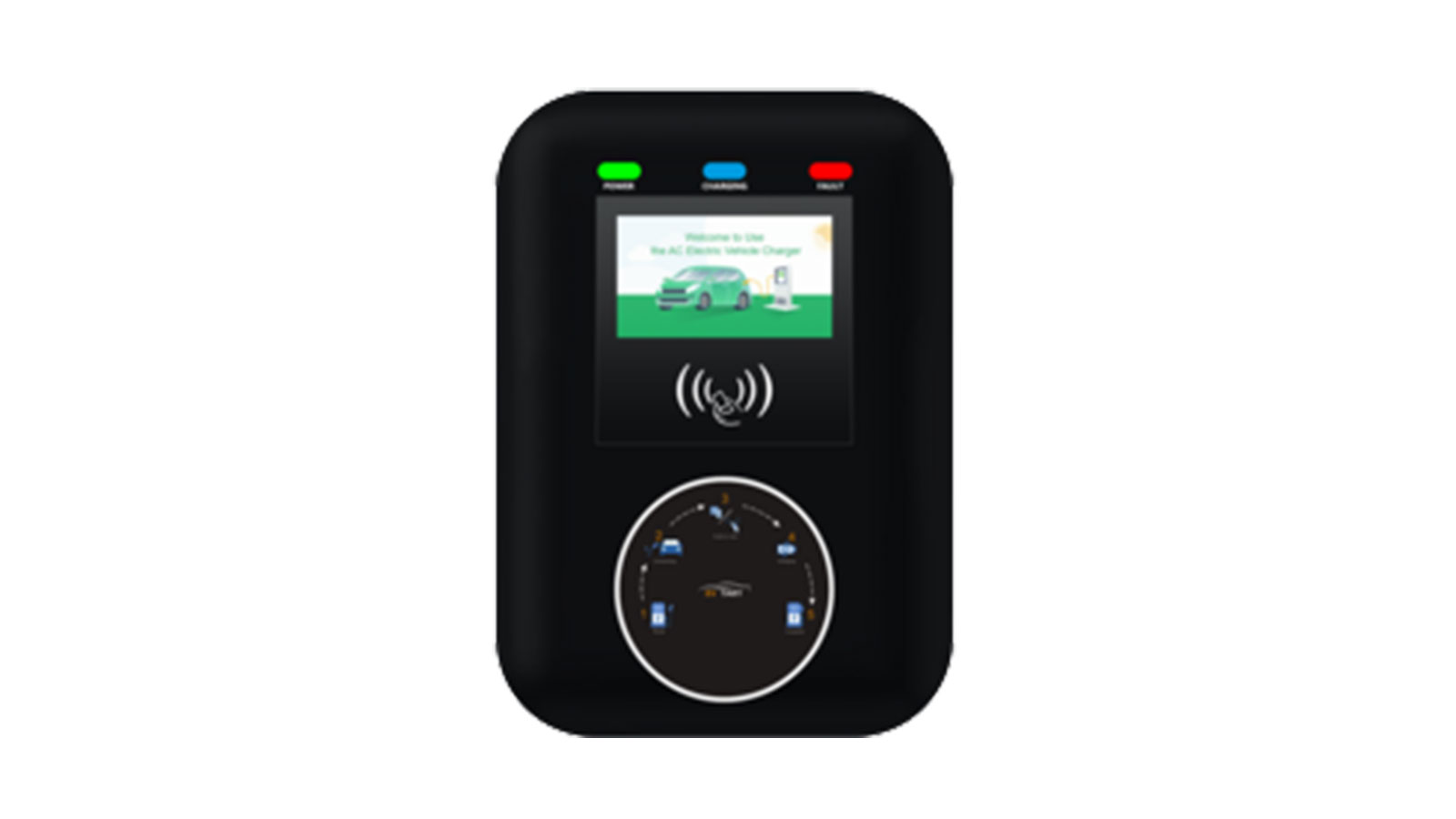
Wall-mount charging pile
Company: Shenzhen Sinrui Technology Co. Ltd
The SR-MCACS-01 from Shenzhen Sinrui is a wall-mount AC charging pile that can deliver 7, 11 or 22kW power. It has plug-and-charge, app control and RFID charging modes and can be installed indoors or outdoors. This GB/T-standard device, with Wi-Fi and Bluetooth connectivity, is OCPP-compliant.
MOQ: 1 unit
Lead time: 14 to 21 days
OCPP charging station
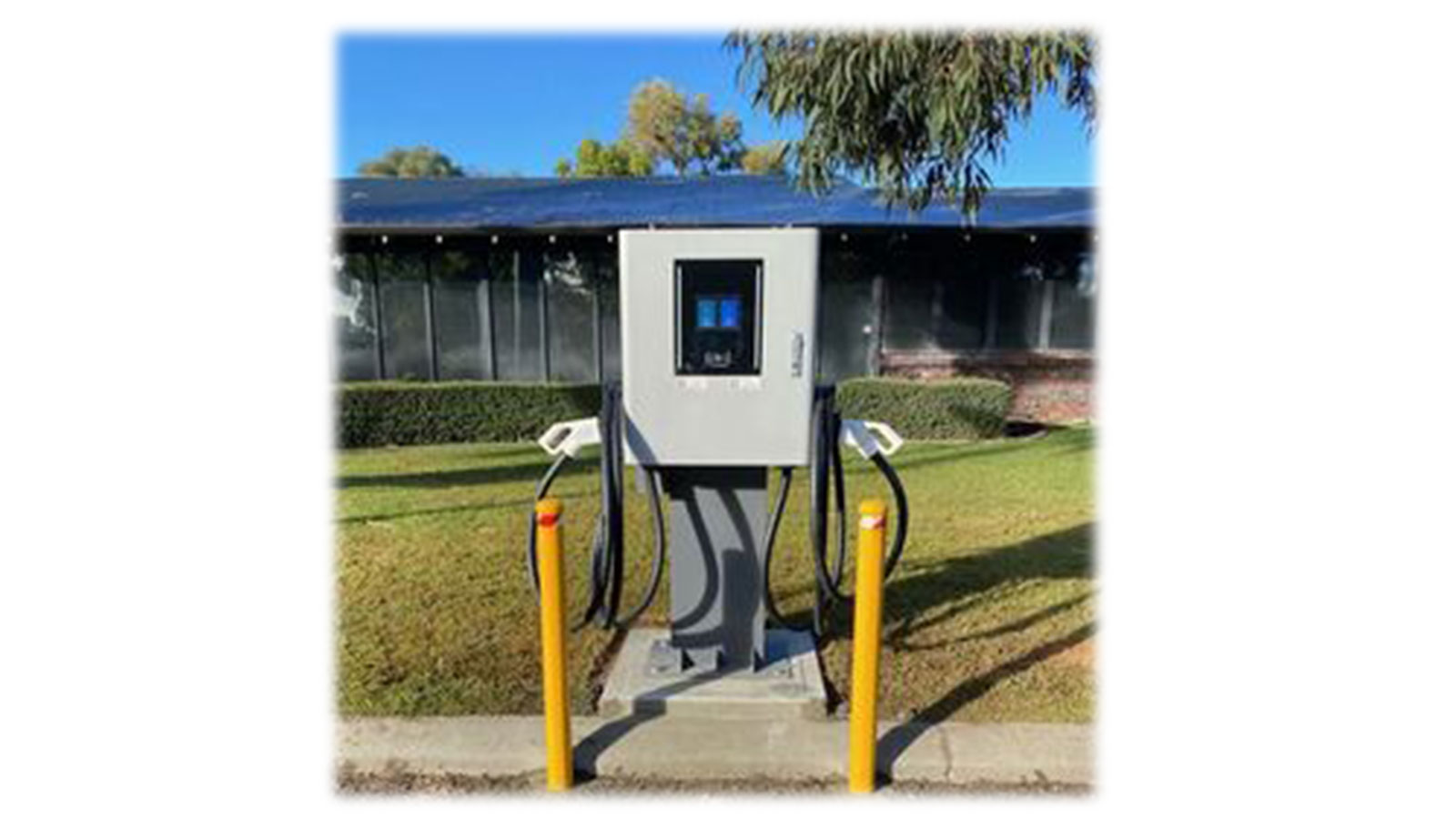
Company: Yichun Xinrui Electric Vehicle Ltd
Yichun Xinrui’s 30HY1-19 is a commercial-use EV charging station with three-phase input voltage of 400VAC±15 percent and 150 to 1,000VDC, maximum 100A, 30kW output. It has ≥95 percent efficiency and uses air cooling. The charging gun has a 5m-long cable. This IP55-rated unit has operating and storage temperatures of -30 to 55 C and -40 to 70 C. It has CE approval.
MOQ: 20 units
Lead time: 7 to 15 days
Portable EV charger
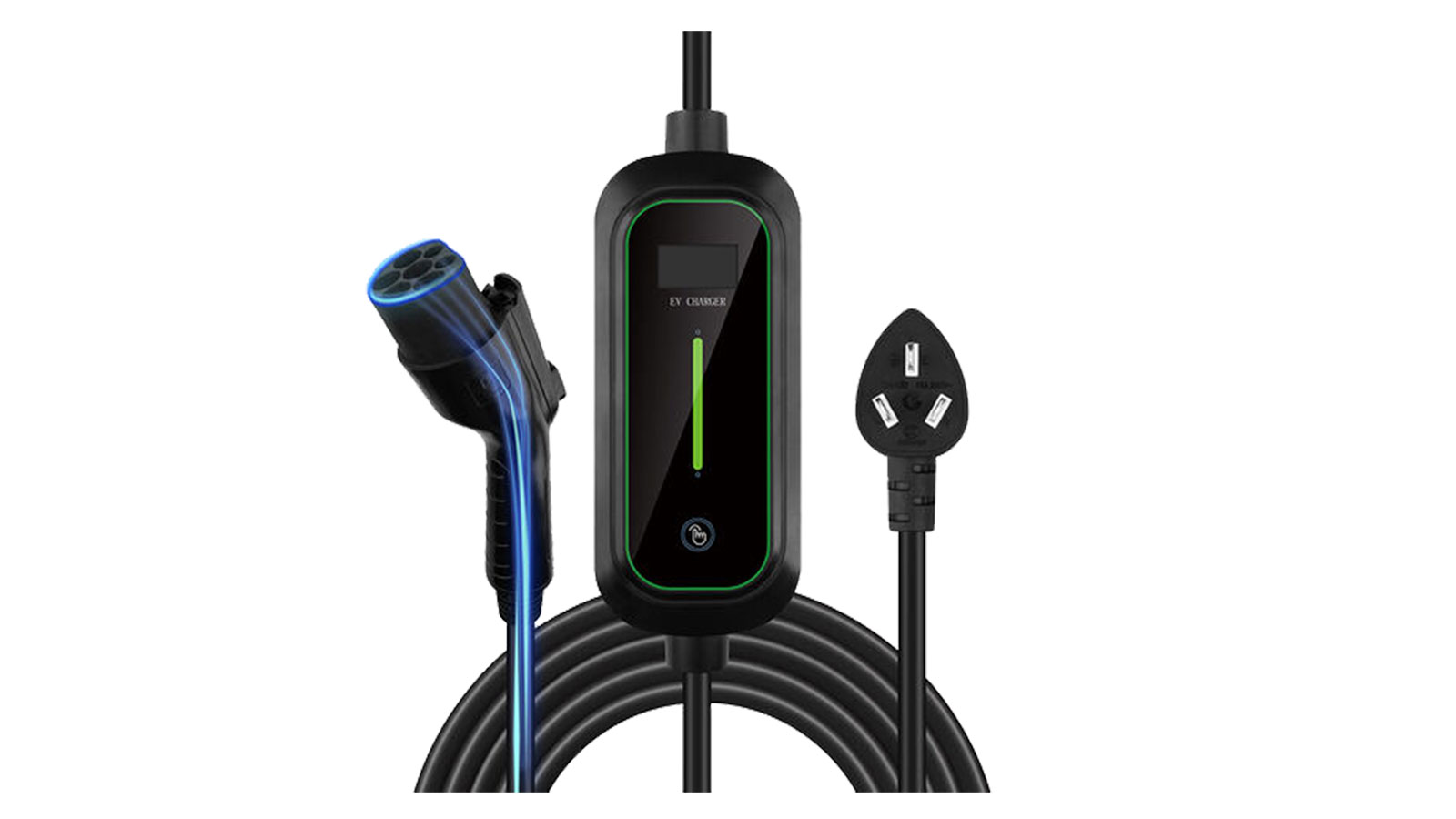
Company: Yum Tin Box (Mfy) Co. Ltd
Yum Tin Box’s EV-Charger-005 is a portable unit with an LCD screen, LED indicator, CE- and TÜV-approved cable with a TPU jacket, and 13A BS, 16A Schuko and 32A CEE plugs. It is equipped with an RCD to prevent electrocution and fire and other safety features. This IP65-rated product, with a UL94V-0 PC shell, meets ICCB, CE, UKCA and RoHS standards.
MOQ: 50 units
Lead time: 10 to 30 days

