




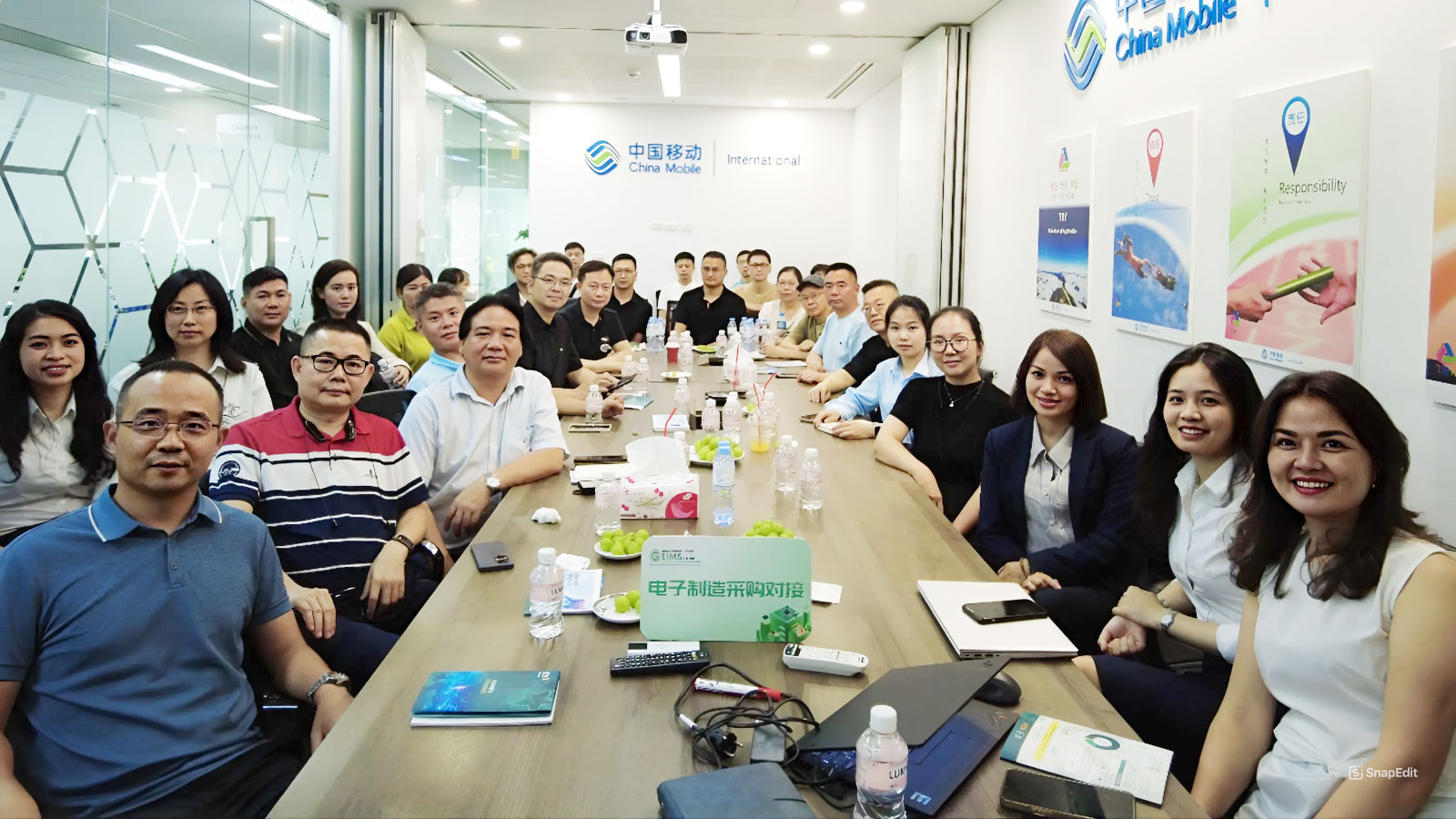
Vietnam has emerged as a prime destination for manufacturing investments. To help exhibitors at the upcoming Global Electronic Intelligent Manufacturing Show – Vietnam (GEIMS Vietnam) trade show better understand this rapidly growing market, event organizers from Global Sources recently led a delegation of some 30 electronics supply chain companies on a four-day business tour of Vietnam dubbed “GEIMS – Vietnam Local Electronics Manufacturing Purchasing Matching and Business Tour”.
The business tour brought together components suppliers, PCB manufacturers, plastics and mold makers, as well as providers of SMT equipment, automation, and logistics from key electronics hubs including Shenzhen, Dongguan, Foshan, Wuhan, Zhongshan, Hong Kong, and Taiwan. Their goal was to forge connections with Vietnamese purchasing enterprises and gain insights into the country's electronics ecosystem.
Key Highlights of the GEIMS Business Tour
Vietnam’s investment environment
The GEIMS business tour provided delegates with the opportunity to not only visit local factories but also dive deep into the policies and incentives driving the boom in electronics manufacturing investments in Vietnam.
An important aspect of Vietnam's electronics manufacturing industry that the GEIMS tour participants learned was the Vietnam Certificate of Origin (COO) program. Essentially, the program provides certain trade benefits and advantages to companies that can demonstrate their products are made locally within Vietnam and follow certain standards. The key points about the Vietnam COO are:
- The value of these COO certificates is expected to surge over 38 percent by 2024.
- Local Vietnamese electronics manufacturers are rushing to build up their domestic supply chains to qualify for these COO certificates.
- This is creating fresh opportunities for global component suppliers and equipment makers to partner with Vietnamese enterprises and participate in their domestic supply chains.
The delegates’ second takeaway from the tour was the current scale of foreign investment in manufacturing in Vietnam. The country now hosts over 40,000 active foreign investment projects, with 70 percent coming from the electronics industry. Delegates learned that the top investors in electronics manufacturing in Vietnam are multinational giants from South Korea, Japan, China, Taiwan, and Singapore.
A key factor fueling this growth is Vietnam's attractive tax environment. Investment in Vietnam has been incentivized through various tax benefits for enterprises establishing production facilities. The tax structure differs depending on the location of the factory:
Outside industrial parks:
- 20 percent corporate income tax (CIT)
- 10 percent value-added tax (VAT)
Inside industrial parks:
- CIT-exempt for the first two years
- 50 percent CIT reduction for the next two years
- 10 percent VAT
Inside industrial parks in bonded zones:
- CIT-exempt for the first two years
- 50 percent EIT reduction for the next two years
- 0 percent VAT
- 0 percent import/export taxes
Additionally, enterprises setting up operations in special industrial zones or investment areas in remote areas can enjoy even more preferential policies, including four years of full tax exemptions and nine years of partial reductions.
These incentives are the key drivers behind the surge of foreign manufacturers setting up factories in Vietnam, as highlighted by the GEIMS business tour delegates.
BW Industrial Park: Lessons on setting up factories in Vietnam
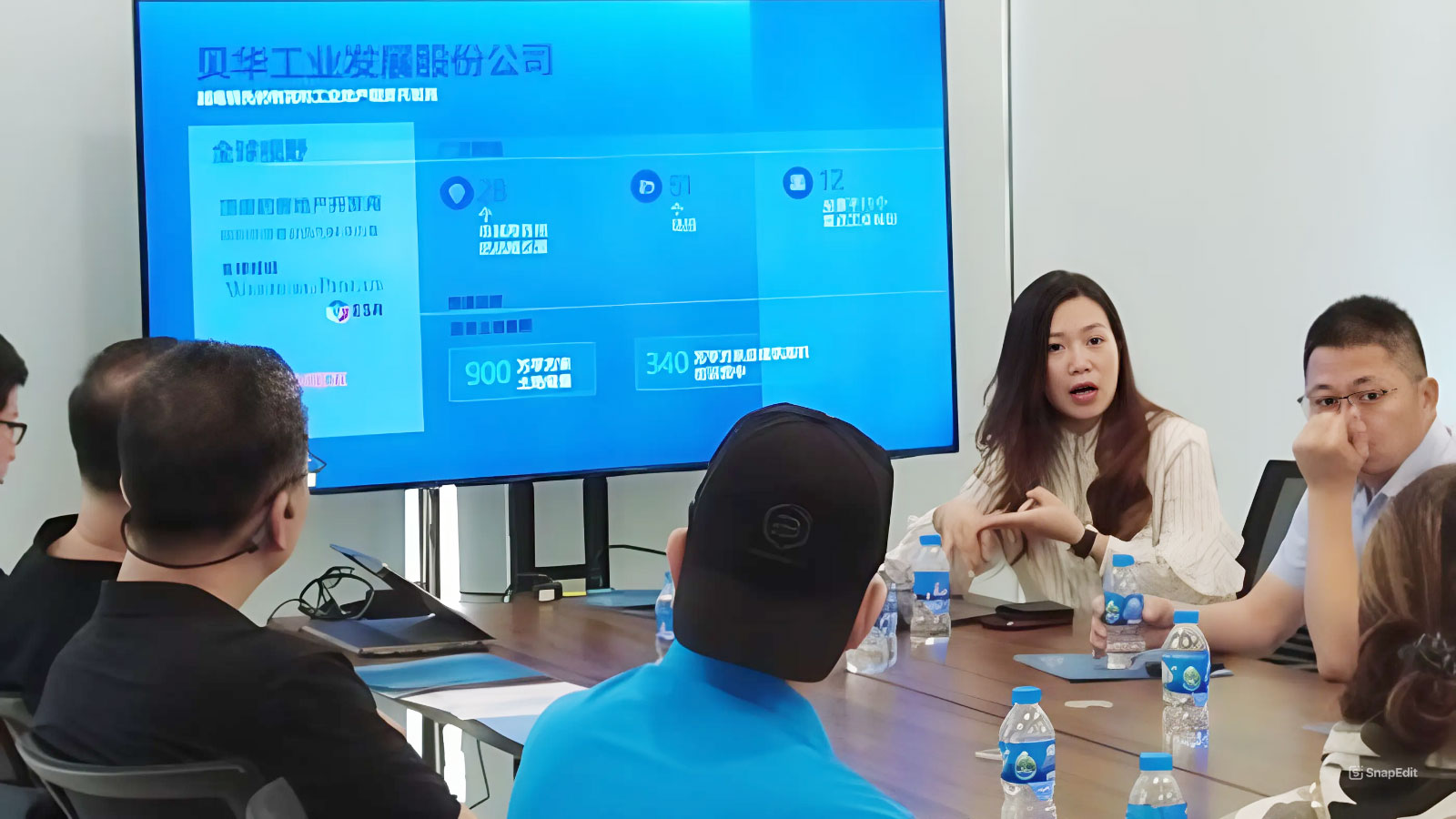
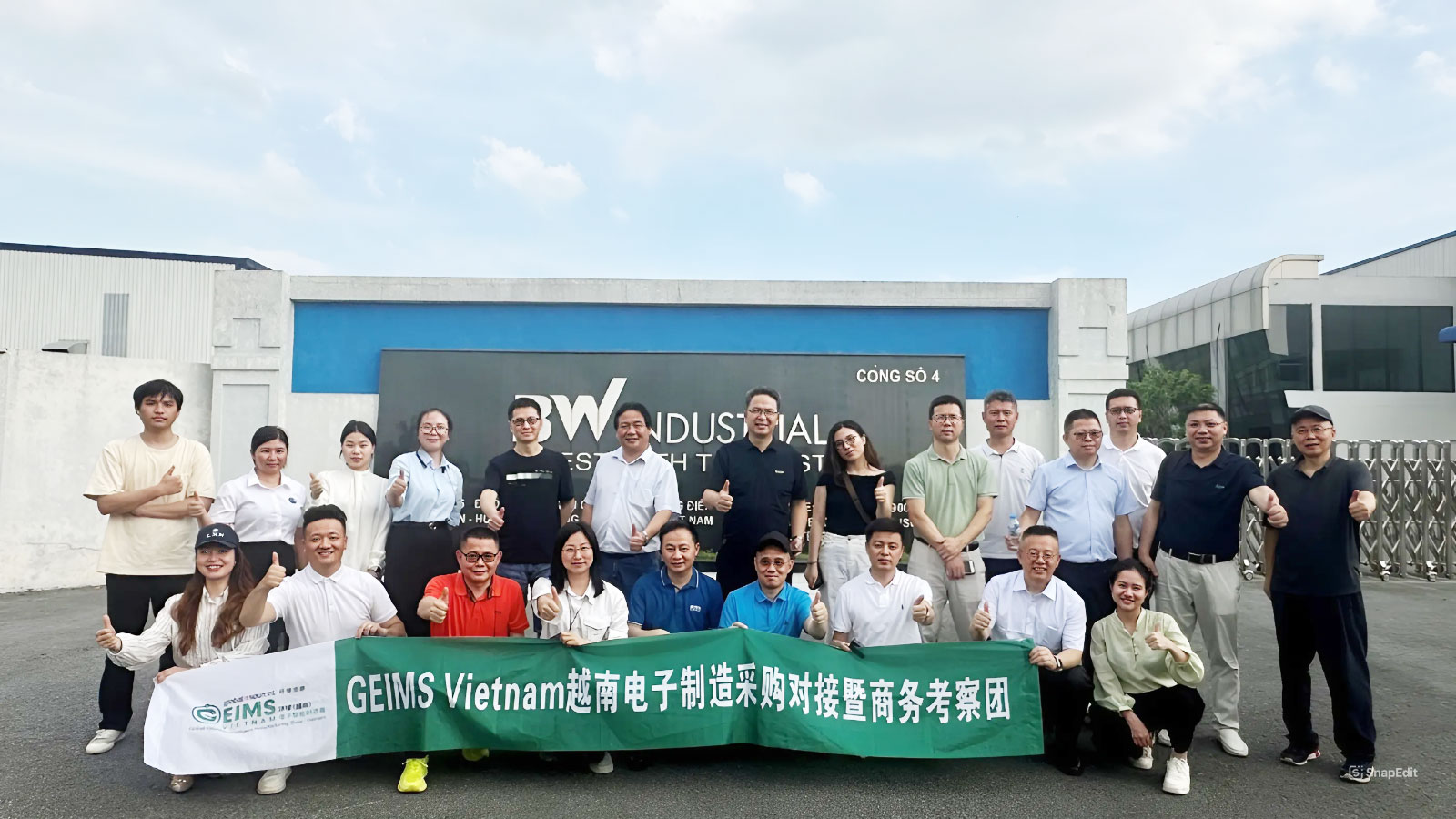
Tour participants also visited the sprawling BW Industrial Park. BW Industrial is a leading developer of logistics hubs that provides turn-key solutions for foreign companies entering Vietnam. BW Industrial provides a wide range of services to foreign companies in the county, ranging from firefighting, environmental assessments, plant leasing and others.
Representatives from BW Industrial provided valuable insights to the GEIMS delegates on establishing manufacturing operations in Vietnam.
BW Industrial, which owns and operates more than 50 industrial parks across 12 key provinces (with an operating area of 3.4 million square meters and a land reserve of 9 million square meters), highlighted the shifting landscape of industrial land use in the country.
Firstly, Vietnam's industrial land use has changed dramatically in the past decade. According to the BW Industrial representatives, there is now very little undeveloped land available for direct purchase. Most industrial sites are constructed and operated by management companies, which then lease the space to investors."
This shift has implications for companies looking to build new factories in Vietnam. Rather than purchasing land outright, investors must now work closely with established industrial park operators to secure leased manufacturing facilities.
Secondly, BW Industrial representatives noted that labor and production costs in Vietnam are no longer as low as they once were. Ten years ago, low labor costs were a major driver for factories moving to Vietnam. Now, the primary reason is adjusting to order volumes, not lower labor costs.
Thirdly, amid these changes, BW Industrial emphasized that working with an experienced industrial park operator can help mitigate risks. According to the BW Industrial spokesperson, finding a good landlord is the first step. Setting up in established parks may be ideal because of the presence of supporting infrastructure, notably the relevant upstream and downstream supply chain enterprises, which can ease the initial setup process.
Overall, the information provided by BW Industrial gave the visiting companies a clearer understanding of the evolving landscape for factory investments in Vietnam and the keys to successful establishment in the market.
Factory visits: Insights on electronics manufacturing in Vietnam
The GEIMS business tour delegates also toured four leading electronics manufacturing facilities in northern Vietnam, gaining valuable insights into the country's evolving production capabilities and supply chain dynamics.
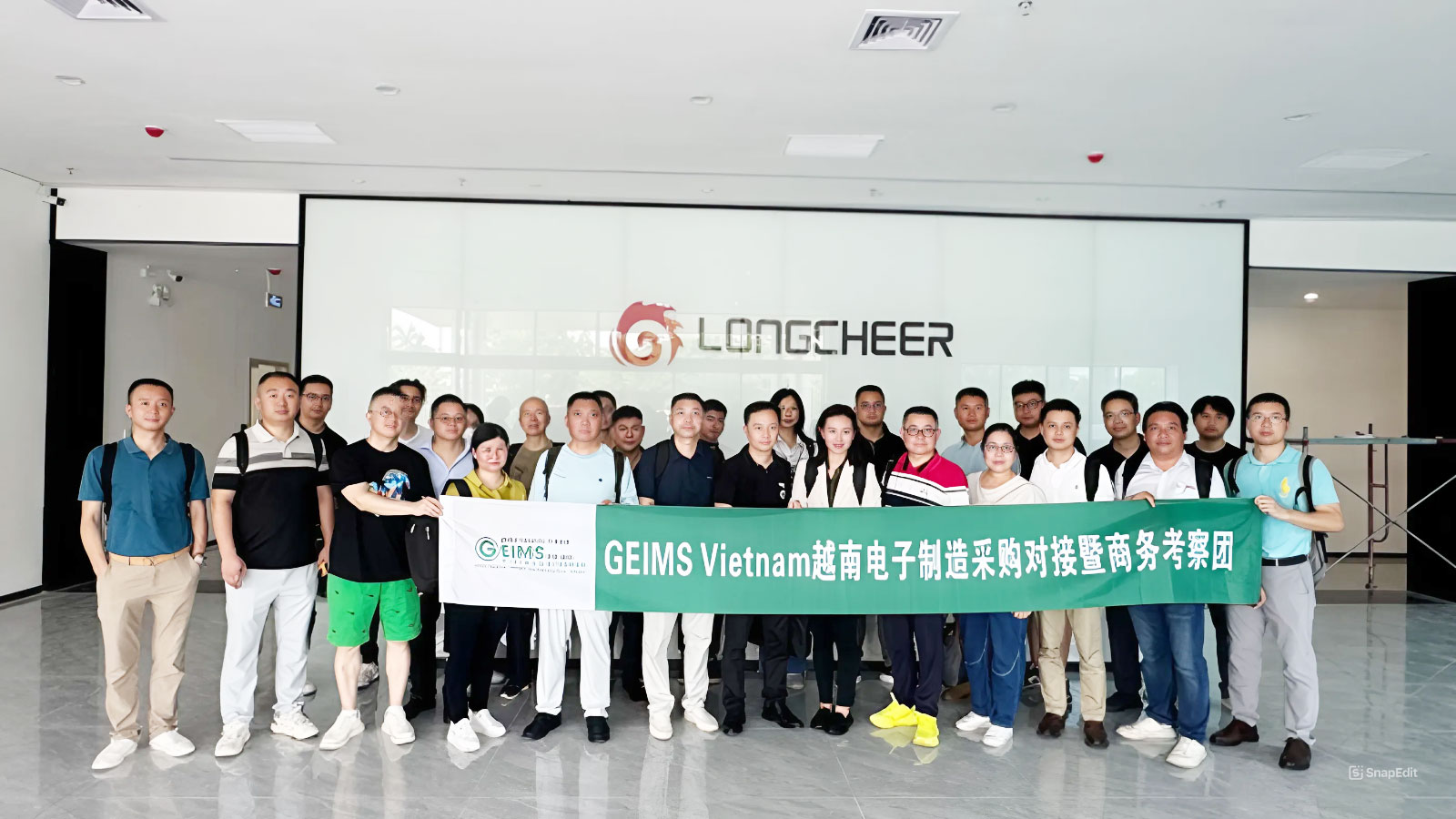
The tour included visits to factories operated by Longcheer (Vietnam), Bitland (Vietnam), Etron (Vietnam), and Computime (Vietnam) -- all major players in the Vietnamese electronics assembly industry. Factory directors provided in-depth looks at their manufacturing lines and shared experiences building operations in the country.
The visits highlighted several important trends noted by GEIMS tour delegates. Firstly, production capacity at these Vietnamese facilities has been steadily increasing to meet growing demand from global buyers looking to diversify their supply chains away from China. Etron, for example, noted plans to further expand its factory in the second half of 2024.
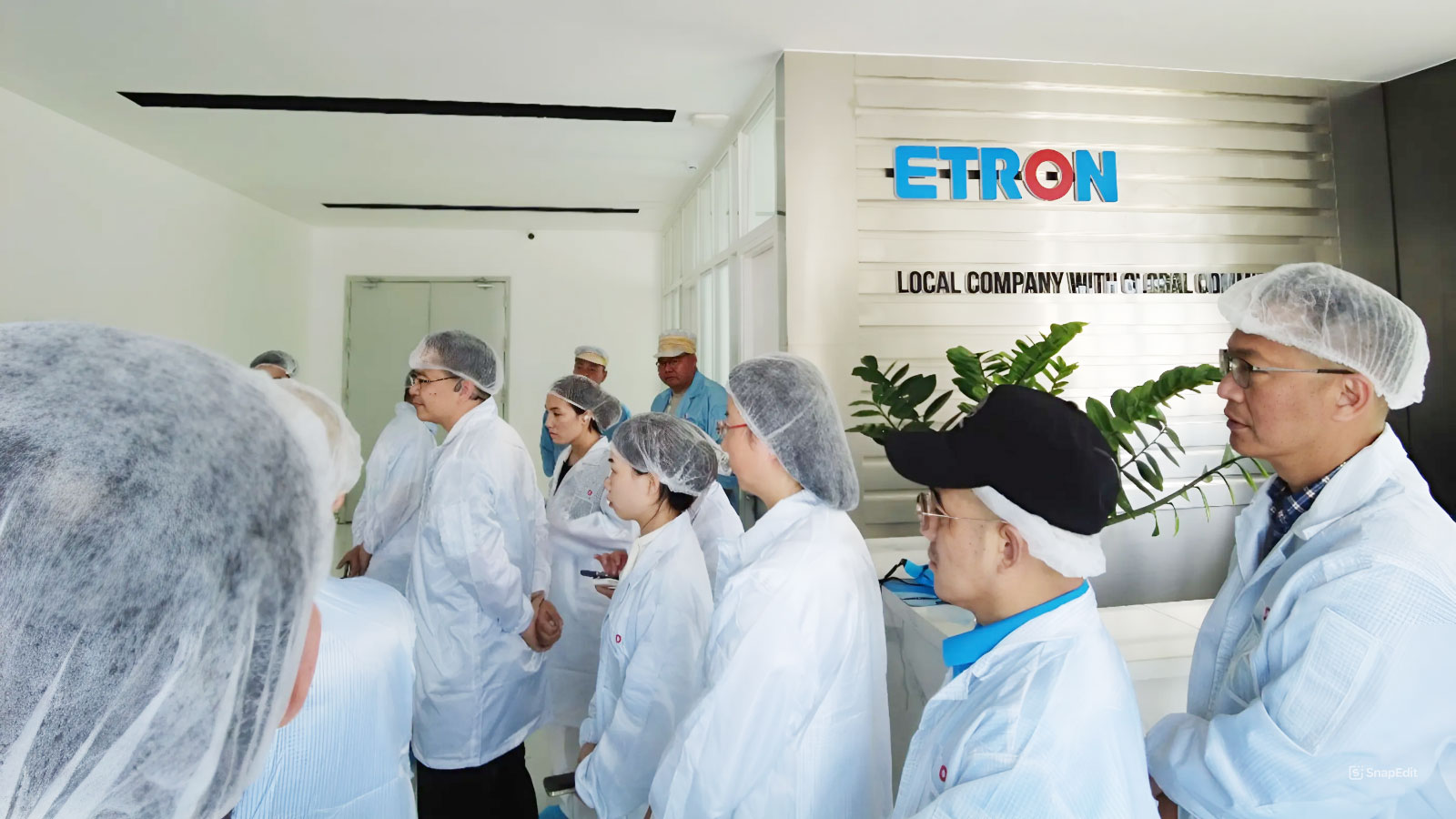
Notably, the technological capabilities of these Vietnamese plants were found to be on par with top facilities in China. The factories demonstrated high degrees of automation and well-stocked component inventories -- reflecting the priorities of their multinational customers.
This shift is creating new localization requirements for the supply chain. Historically, Vietnamese factories like Longcheer and Etron have relied heavily on procurement from their Chinese headquarters. But with the rise of local production, there is now a greater need to build out domestic supplier networks within Vietnam.
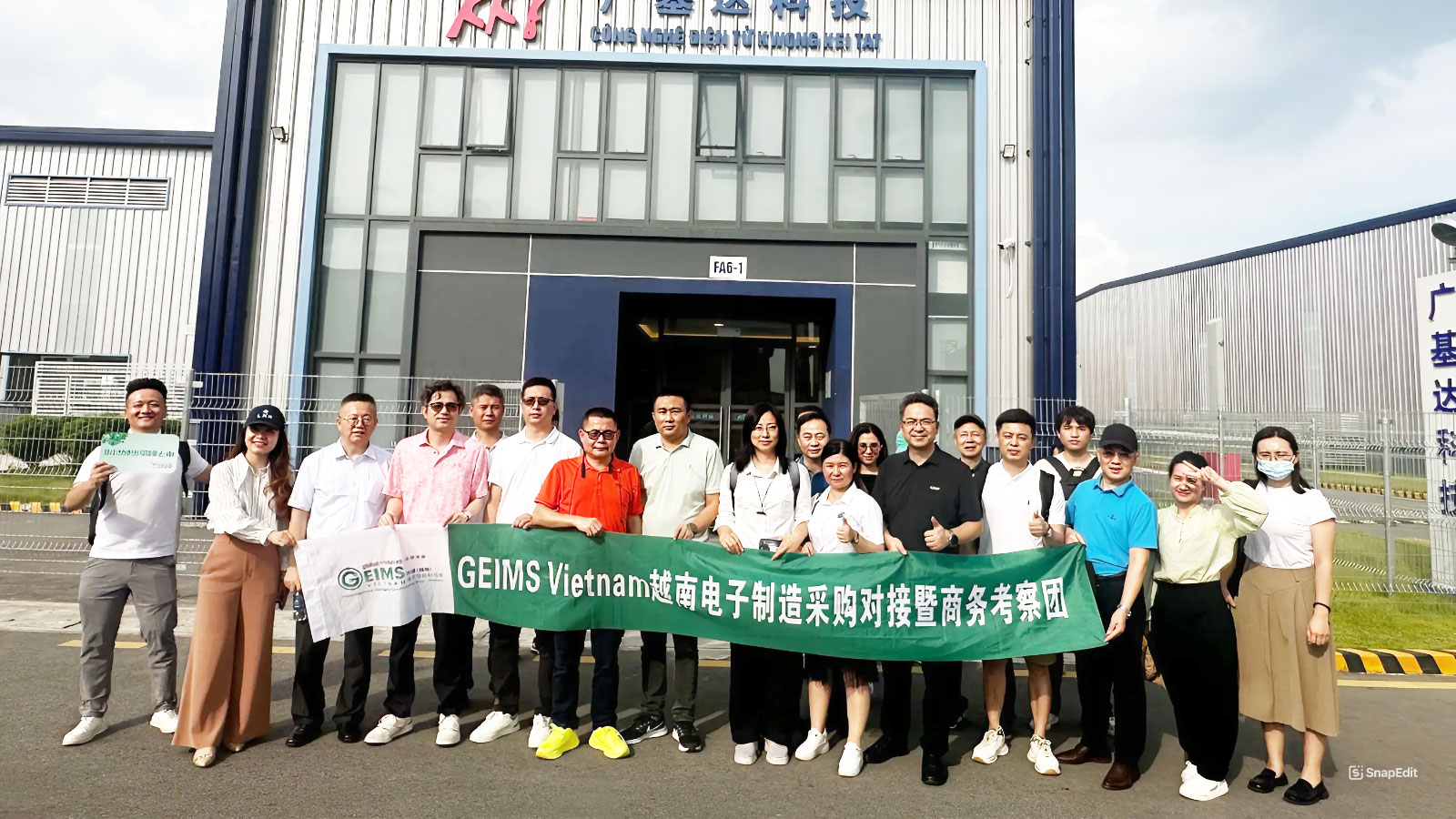
One GEIMS delegate noted, “For Chinese companies that have not been able to enter the supply chain of the "big players" at home, they can capitalize on this rare historical opportunity by providing services or setting up factories in Vietnam.”
The tour also highlighted strong demand from Vietnamese factories for local supply chain services and production. In relation to the Certificate of Origin that the delegates learned about earlier, GEIMS delegates learned that these assembly plants are under pressure to source more materials and components from within Vietnam, and they prioritize suppliers with a physical presence in the country – even if the technical capabilities may not match those of Chinese mainland providers. This dynamic creates opportunities for smaller Vietnamese and international firms to penetrate the supply chains of major electronics manufacturers in the country.
Overall, the factory tour underscored the evolving manufacturing landscape in Vietnam and the growing importance of the country within the global electronics supply chain. For global component suppliers and service providers, Vietnam is increasingly an attractive market with significant untapped potential.
Conclusion
Vietnam has emerged as a prime electronics manufacturing destination, driven by attractive tax incentives and a surge in foreign investment. A recent GEIMS 2024 business tour highlighted Vietnam's evolving supply chain, with local factories rapidly expanding capacity and seeking domestic suppliers to qualify for trade certificates. The tour provided valuable insights for delegates on Vietnam's changing industrial landscape, the need to work with experienced local operators, and the opportunities for global suppliers to penetrate Vietnamese manufacturing supply chains.

